Souqs In Saudi Arabia
Souqs in Saudi Arabia: A Journey Through Heritage, Culture, and Commerce
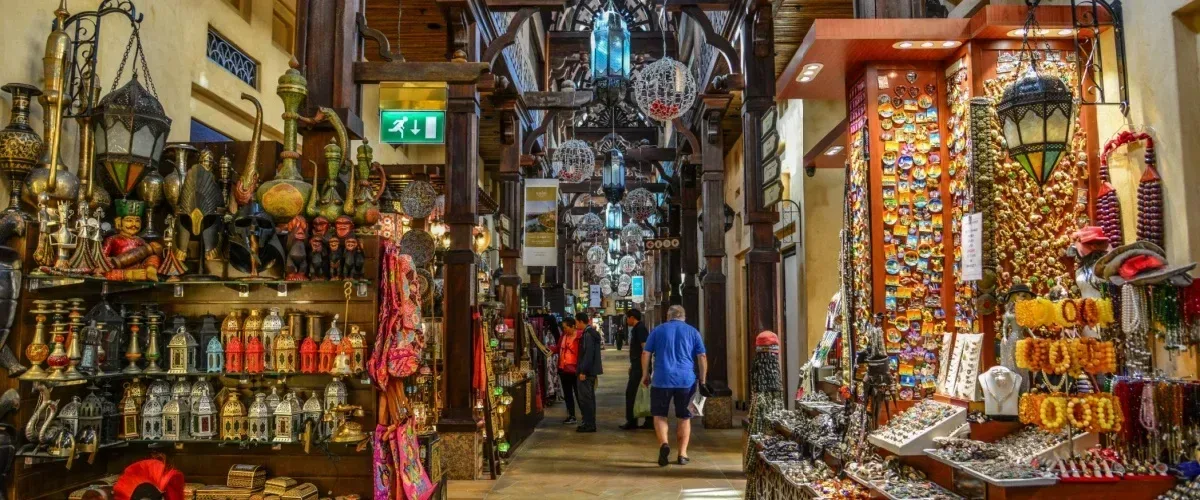
Stepping into the souqs in Saudi Arabia feels like traveling back in time, where the scent of oud, the shimmer of gold, and the hum of friendly bartering fill the air. These vibrant marketplaces, scattered across the Kingdom, aren’t just shopping destinations—they’re cultural landmarks that capture centuries of Arabian heritage. From the bustling streets of Riyadh to the historic alleys of Jeddah and the sacred serenity of Medina, souqs in Saudi Arabia tell stories through architecture, craftsmanship, and community spirit. They epitomize the blend of old-world tradition and modern revival that defines the Kingdom’s vision today.
Every souq unveils a different facet of Saudi identity. The capital’s Dirah Souq dazzles antique lovers with its carpets and daggers, while Jeddah’s Al-Balad markets charm visitors with coral-stone architecture and handmade jewelry. In the holy city of Medina, Souq Taiba greets pilgrims with fragrant oils, dates, and prayer beads. Even in the mountains of Abha or Taif, souqs brim with local produce, honey, and rosewater. Rich in sensory experiences, these markets embody the Saudi spirit of hospitality and commerce. For travelers exploring the Kingdom through Saudi Arabia Day Tours or custom packages, visiting a souq isn’t optional—it’s essential.
The Historical Legacy of Souqs in Saudi Arabia
The roots of Saudi souqs stretch deep into Arabian history, tracing back to the ancient trade routes that connected the Arabian Peninsula with Africa, Asia, and Europe. Long before glitzy malls rose in Riyadh or Jeddah, the souq was the social, economic, and cultural heart of every city. It’s where tribes exchanged spices, textiles, and pearls—and where poets, scholars, and travelers shared ideas. Today, while the Kingdom rapidly modernizes, these historic markets remain strong symbols of continuity. They reveal much about the values of community, craftsmanship, and authenticity that Saudis hold dear.
Modern visitors exploring these locations often pair their cultural immersion with Saudi Arabia Travel Packages, allowing them to experience the best of both worlds—ancient marketplaces and futuristic cityscapes. The Government’s commitment to preserving and revitalizing these souqs ensures they remain vibrant, accessible, and relevant even in the age of digital commerce.
Riyadh’s Traditional Souqs: Where Heritage Meets Modernity
In the heart of Saudi Arabia’s capital, traditional markets coexist with skyscrapers and high-end malls. The most famous, Dirah Souq near Masmak Fort, is a labyrinth of narrow alleys lined with stalls selling antique swords, traditional clothing, camel saddles, and handwoven rugs. The aroma of leather and spices fills the air, while craftsmen work on ornate silver daggers known as jambiyas. Bargaining is part of the experience here, blending the thrill of commerce with the warmth of Saudi hospitality.
Nearby, visitors can unwind at local restaurants like Najd Village Restaurant, where traditional dishes are served in authentic Arabian settings. Combining these experiences with a Riyadh Day Tour offers travelers a well-rounded look at the city’s old-soul charm and contemporary pulse.
Jeddah’s Souqs: The Pearl of the Red Sea’s Marketplace Magic
Jeddah’s souqs are legendary for their energy and diversity. The most iconic is Souq Al Alawi, nestled in the UNESCO-listed Al-Balad district. Here, coral stone buildings and wooden lattice balconies form a cinematic backdrop for traders selling perfumes, gold, and textiles. The market is especially lively during Ramadan and Eid, when locals flock to buy gifts and traditional garments. Another must-visit is Souq Al Nada, known for exquisite jewelry and intricate gold craftsmanship—a reflection of Jeddah’s maritime prosperity and cosmopolitan vibe.
Many travelers enhance their Red Sea experience by booking Jeddah Day Tours & Excursions, which often include guided stops at these souqs, historical sites, and waterfront attractions like King Fahd’s Fountain and Jeddah Corniche.
Medina’s Spiritual Souqs: Souq Taiba and Beyond
Medina, one of Islam’s holiest cities, hosts some of the most spiritually charged markets in the world. Souq Taiba stands just steps away from the Prophet’s Mosque, making it an essential stop for pilgrims. The market is famed for selling prayer mats, Quranic calligraphy, Islamic attire, and the region’s prized dates. Visitors often find beautifully packaged Ajwa dates—a specialty believed to have spiritual significance. The atmosphere blends devotion with commerce, creating a serene yet lively shopping experience.
Those taking Medina Excursions often include the souq in their itinerary to experience the city’s cultural and spiritual harmony first-hand. It’s a place where faith, tradition, and local craftsmanship converge effortlessly.
Southern Souqs: Aseer and Abha’s Colorful Markets
Down south, the mountainous regions of Aseer and Abha offer distinctly different souq experiences. Their markets brim with fresh produce, wild honey, handmade crafts, and traditional garments embroidered in vivid colors. The Souq Al Thulatha (Tuesday Market) in Abha stands out for its authentic rural energy and locally sourced products. Here, visitors can sample traditional foods, buy spices, or simply admire the community’s vibrant attire and artistic flair.
Pairing a visit to these markets with Aseer Excursions offers travelers a glimpse into the Kingdom’s natural beauty and mountain culture, far removed from the urban rhythm of Riyadh or Jeddah.
What to Buy in Saudi Souqs: Treasures of Tradition
Shopping in Saudi souqs isn’t just about souvenirs—it’s about collecting pieces of heritage. Shoppers often look for finely woven carpets, gold jewelry, oud perfumes, and handmade daggers. The famed Saudi dates, especially Ajwa and Sukkari varieties, are among the most beloved take-home gifts. For those fascinated by fragrance, the selection of oud wood and Arabian perfume oils is unparalleled. Visitors may also find camel leather goods, brass coffee pots, and traditional Saudi attire like the bisht or abaya.
Those planning trips can check Things To Buy In Saudi Arabia for a detailed guide on authentic products worth seeking out during their souq visits.
The Cultural Role of Souqs in Saudi Arabia
Beyond commerce, souqs in Saudi Arabia serve as living museums of culture. They’re gathering places where elders share stories, artisans pass down skills, and travelers connect with locals. These markets preserve oral traditions and encourage sustainable craftsmanship at a time when mass production dominates. As Saudi Arabia advances under Vision 2030, the government’s revitalization of heritage zones ensures that the soul of these souqs endures amid modernization.
Each visit offers an invitation to experience the rhythm of Saudi life—slow, hospitable, and steeped in authenticity. Travelers seeking genuine local experiences often combine souq visits with cultural attractions like Diriyah or the ancient wonders of Madain Saleh (Hegra).
Frequently Asked Questions About Souqs in Saudi Arabia
What are the most famous souqs in Saudi Arabia?
Some of the most famous souqs include Dirah Souq in Riyadh, Souq Al Alawi in Jeddah’s Al-Balad, Souq Taiba in Medina, and Souq Al Thulatha in Abha. Each offers unique experiences reflecting local heritage, crafts, and cuisine.
What can I buy at Saudi souqs?
Visitors can purchase traditional Saudi items such as oud perfumes, gold jewelry, handmade carpets, dates, abayas, daggers, spices, and locally produced honey. Many of these items make meaningful souvenirs representing Saudi culture.
Are souqs in Saudi Arabia open to tourists?
Absolutely. Souqs welcome both locals and tourists. They’re open throughout the week, typically bustling in the evenings. Most vendors are friendly, and haggling is common practice. English-speaking traders are often found in major cities.
What’s the best time to visit souqs?
Evenings are ideal, especially during cooler months from October to March. During Ramadan, souqs come alive after sunset, offering special foods and festive decorations. Travelers can coordinate their visits through Saudi Arabia Travel Packages for convenience.
How do souqs differ across Saudi regions?
Each region’s souq reflects its geography and heritage. Riyadh’s markets are rich in antiques and Bedouin crafts, Jeddah’s in gold and spices, Medina’s in religious goods, and Abha’s in handmade textiles and honey. Exploring multiple cities through a Riyadh and Jeddah Tour offers a comprehensive insight into these regional nuances.