
Rijal Almaa Historical Village
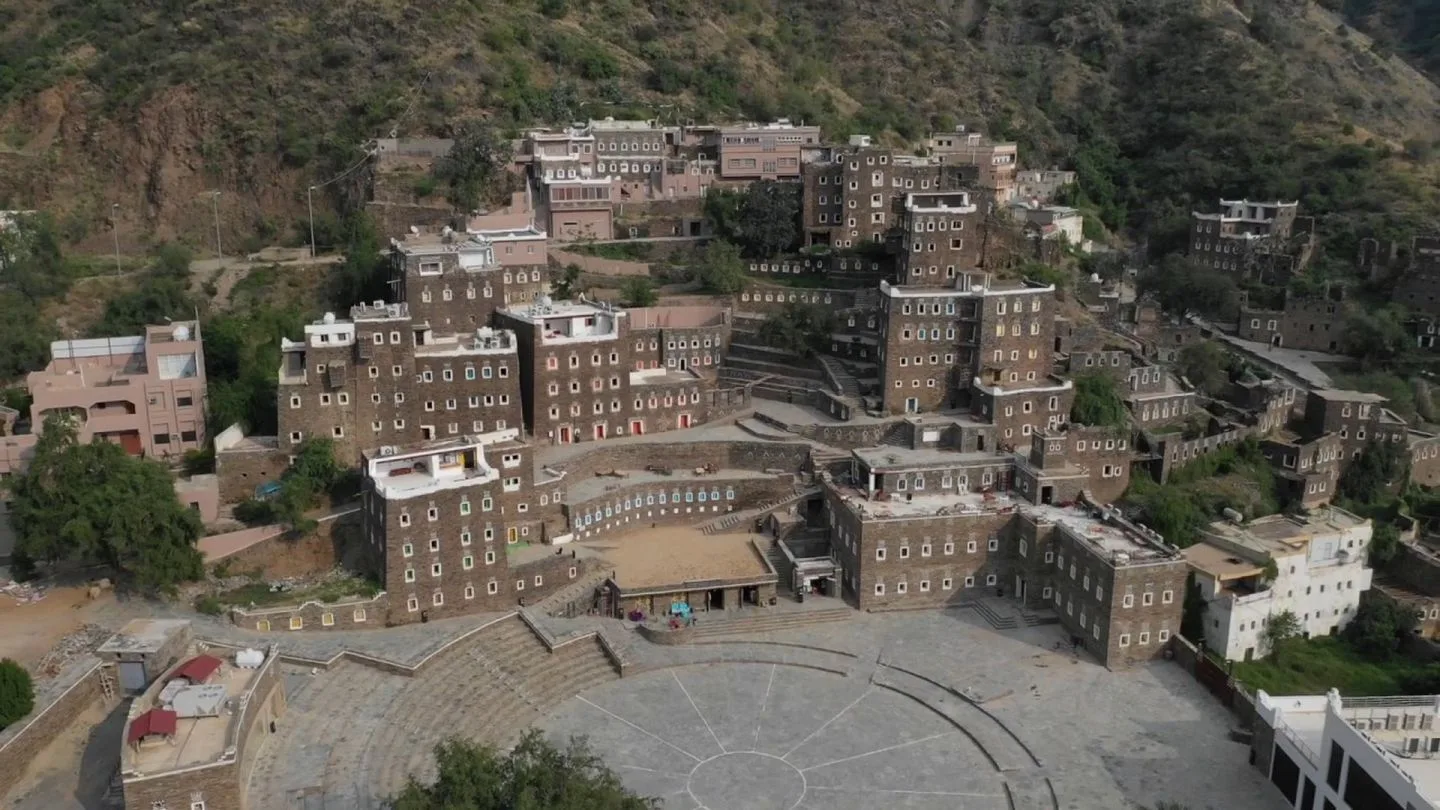
Perched gracefully in the lush green mountains of the Asir region, Rijal Almaa Historical Village stands as one of Saudi Arabia’s most fascinating cultural landmarks. Known for its striking multi-story stone houses, colorful window frames, and a rich legacy spanning over nine centuries, this village tells tales of history, trade, and architecture unlike anywhere else in the Kingdom.
Rijal Almaa, meaning ‘Men of the Bright Valley,’ was once a crucial trade hub linking Yemen, Makkah, Madinah, and the Levant. Today, it’s a beacon of Saudi heritage, drawing travelers seeking authentic experiences amidst its winding alleys and breathtaking mountain views.
Rijal Almaa isn’t just a museum of the past—it’s a living testament to the Asiri people’s artistry, resilience, and devotion to preserving their cultural roots. The village’s architecture, crafted from stone, wood, and clay, harmonizes with its environment, while its interiors dazzle with geometric patterns and vibrant murals that echo the region’s famed Al-Qatt Al-Asiri art.
Recognized by UNESCO for its cultural significance and nominated for World Heritage status, Rijal Almaa Historical Village continues to enchant visitors who crave a deeper connection with Saudi Arabia’s soul. From its ancient watchtowers to panoramic viewpoints, this village embodies both history and heart, promising an unforgettable journey through time and tradition.
The Historical Significance of Rijal Almaa Village
Rijal Almaa Historical Village, nestled about 45 kilometers west of Abha, served as a strategic trading post for caravans traveling between the Red Sea coast and the highlands. Its location at the crossroads of vital trade routes made it a thriving commercial and cultural center.
Over the centuries, it evolved into a fortified settlement, housing merchants, scholars, and tribes that contributed to its prosperity. The village’s defensive architecture—towering stone structures with narrow windows—reflects the ingenuity of ancient builders in safeguarding inhabitants against invaders.
Each building tells a story. The tall, layered homes often reached up to eight floors, functioning as both residences and storage for valuable goods. Inside, walls were adorned with traditional Asiri motifs—vivid geometric shapes and patterns representing harmony and protection.
Today, Rijal Almaa stands as a living museum, offering insights into the ancient lifestyle of the Asir region. It serves as a cultural mirror that connects modern Saudis and travelers alike to the roots of southern Arabian civilization. For those exploring Saudi Arabia Tours, Rijal Almaa is an unmissable highlight that captures the essence of the Kingdom’s living heritage.
Architectural Brilliance: Traditional Stone Houses and Towers
The architecture of Rijal Almaa Historical Village is nothing short of breathtaking. Its houses are built using local stones, creating a mosaic of earthy tones that blend seamlessly with the surrounding mountains.
The builders used a mix of black basalt and white quartz, creating a stunning contrast visible from afar. Wooden beams strengthen the structure, while small, colorful windows allow filtered light to dance through the interiors—showcasing the region’s distinctive charm.
Each home was carefully designed to withstand mountain weather—cool during summer and warm in winter. The village’s towers once served as lookout posts, ensuring security and communication among the tribes.
Many of these structures still stand tall, defying centuries of erosion and time. Today, preservation efforts have restored much of Rijal Almaa’s architectural grandeur, turning it into one of the most captivating heritage destinations within Saudi Arabia Travel Packages.
Rijal Almaa’s Role in Trade and Communication
Long before modern highways and air routes, Rijal Almaa Historical Village was a vital hub for trade and cultural exchange. Caravans carrying spices, textiles, and perfumes from Yemen passed through this mountain gateway on their way to the holy cities.
The village gained fame not only for commerce but also for education and leadership. Its residents were known for their wisdom, and the village produced scholars and poets who enriched Arab literature and culture.
Rijal Almaa’s prosperity was also tied to agriculture. The surrounding terraces cultivated grains, fruits, and coffee beans, contributing to the economy and sustainability of the region. The community’s deep understanding of the land allowed them to balance trade with self-sufficiency. This remarkable blend of economic vitality and environmental harmony remains one of the defining aspects of Rijal Almaa’s identity.
Museum of Rijal Almaa: Preserving the Spirit of the Past
A major highlight of Rijal Almaa Historical Village is its remarkable museum located in one of the restored buildings. Established in 1985, this museum showcases artifacts, manuscripts, traditional clothing, and ancient tools that paint a vivid picture of Asir’s cultural heritage. Visitors can explore rooms devoted to local crafts, tribal traditions, and the lives of leaders who shaped the region’s history.
What makes the museum unique is its preservation of authenticity. Unlike modern galleries, the museum’s exhibits are displayed within the same structures where people once lived, transporting visitors back in time.
The museum has become an educational hub, inspiring younger generations to take pride in their roots and protect this valuable piece of Saudi identity. For those intrigued by the Kingdom’s deep-rooted artistry, nearby attractions like Art Street in Abha complement the experience beautifully.
Cultural Festivals and Local Traditions at Rijal Almaa
Every year, Rijal Almaa Historical Village comes alive with vibrant cultural festivals that celebrate traditional music, dance, and crafts. The Asir Summer Festival, in particular, transforms the village into a colorful spectacle of folklore performances and artisan showcases.
Locals don traditional attire, and visitors can witness the mesmerizing Al-Qatt Al-Asiri art—now inscribed on UNESCO’s Intangible Cultural Heritage list. Women artists decorate walls with bright geometric paintings, symbolizing prosperity and beauty.
Food stalls serving local delicacies and coffee ceremonies embody the warmth and hospitality of Asiri people. These events strengthen communal bonds and allow tourists to engage directly with a living culture.
Alongside its scenic charm, Rijal Almaa’s enduring cultural heartbeat makes it one of the most dynamic destinations for history and art lovers touring southern Saudi Arabia. Nearby attractions such as Asir National Park and Jabal Al Soudah enhance the region’s appeal for nature enthusiasts.
How to Reach and Explore Rijal Almaa Historical Village
Reaching Rijal Almaa Historical Village is part of the adventure. The drive from Abha, the capital of Asir Province, takes just over an hour through spectacular mountain roads draped in mist and greenery.
Abha is well-connected via Abha International Airport, which offers daily flights from Riyadh, Jeddah, and Dammam. For travelers seeking a relaxed stay before exploring the village, the Abha Palace Hotel overlooks stunning mountain vistas and provides luxurious comfort.
Once in Rijal Almaa, visitors can explore on foot, wandering through narrow pathways lined with souvenir shops and cafes. Guided tours are available to explain the village’s heritage and restoration process.
For photography lovers, sunrise and sunset over the valley present magical moments—every frame bursting with color and texture. Exploring nearby sites like Shamsan Castle and Abu Kheyal Park complements a Rijal Almaa itinerary perfectly.
Best Time to Visit Rijal Almaa Historical Village
The ideal time to visit Rijal Almaa is between April and October when the weather is pleasantly cool and the mountains bloom with greenery. The region’s high altitude ensures mild temperatures even during summer, making it one of Saudi Arabia’s most refreshing escapes.
Winter months are cooler, often blanketed with fog that adds a mystical aura to the stone towers. During festivals and holidays, visitors can immerse themselves in live cultural events that bring the village’s spirit to life.
To plan a comprehensive trip around Abha and the southern highlands, check resources like Best Time To Visit Saudi Arabia and Saudi Arabia Itinerary to make the most of your travel experience.
Preservation Efforts and UNESCO Recognition
Rijal Almaa Historical Village’s preservation journey showcases Saudi Arabia’s commitment to safeguarding its heritage. Restoration projects initiated by local authorities and the community have revived more than 60 buildings, ensuring that traditional materials and techniques are used.
These efforts paid off when the village received recognition from UNESCO’s Arab Heritage Committee and was nominated for inclusion on the World Heritage List. This milestone highlights the growing global appreciation for Saudi Arabia’s cultural treasures.
Such initiatives align with the Kingdom’s Vision 2030, which emphasizes heritage tourism and cultural sustainability. As visitors walk through restored courtyards and admire decorated walls, they witness the successful fusion of past and present—a model for other heritage sites worldwide.
Frequently Asked Questions About Rijal Almaa
1. Where is Rijal Almaa Historical Village located?
Rijal Almaa Historical Village is located in the Asir region of southwestern Saudi Arabia, about 45 kilometers west of Abha city. It’s nestled in the Sarawat Mountains, offering panoramic views and lush surroundings that make it one of the most scenic heritage destinations in the Kingdom.
2. What makes Rijal Almaa unique compared to other Saudi heritage sites?
Rijal Almaa stands out for its well-preserved multi-story stone architecture, colorful window frames, and integration with the mountainous landscape. Its strategic location along ancient trade routes and its cultural legacy of Al-Qatt Al-Asiri art distinguish it from other sites. The village also houses a museum displaying artifacts and manuscripts that chronicle the region’s history.
3. How can visitors reach Rijal Almaa Historical Village?
Travelers can reach Rijal Almaa from Abha via a scenic mountain road that takes around 60 minutes by car. The nearest airport is Abha International Airport, which connects to major Saudi cities. Car rentals and private tours are available to make the journey convenient and enjoyable.
4. What are the best activities to do in Rijal Almaa?
Visitors can explore historical houses, visit the Rijal Almaa museum, attend cultural festivals, and enjoy local cuisine in traditional cafes. Photography enthusiasts can capture breathtaking views and intricate architectural details. For nature lovers, nearby attractions like Asir National Park and Jabal Al Soudah offer hiking and picnicking opportunities.
5. Is Rijal Almaa part of Saudi Arabia’s Vision 2030 tourism goals?
Yes, Rijal Almaa Historical Village plays a significant role in Saudi Arabia’s Vision 2030 plan to promote cultural tourism. Restoration and infrastructure projects have positioned it as a key heritage destination attracting both domestic and international visitors. Its nomination for UNESCO World Heritage status further underscores the Kingdom’s dedication to preserving and sharing its historical legacy with the world.