Best Time To Visit Saudi Arabia
Best Time to Visit Saudi Arabia: Discover the Ideal Season for Every Traveler
Saudi Arabia, a land of ancient history, golden deserts, and futuristic cities, invites travelers to experience its remarkable transformation and timeless heritage. However, choosing the best time to visit Saudi Arabia can make or break your journey. With its vast landscapes, the kingdom offers dramatically different climates from north to south and coast to mountain. Whether you're planning to explore the modern skyline of Riyadh, wander through the Nabatean tombs of AlUla, or stroll the historic lanes of Al-Balad Saudi Arabia, timing your trip is crucial.
Saudi Arabia is a destination of contrasts — scorching summers, mild winters, refreshing mountain breezes, and Red Sea sunsets. The best time to visit largely depends on what you want to do. For adventure seekers, cool months offer perfect hiking conditions, while winter festivals fill the cities with cultural energy. The months from November to March are widely regarded as the most comfortable, boasting pleasant weather ideal for sightseeing, desert excursions, and coastal relaxation. From the highlands of Abha to the dunes of the Empty Quarter, this period unveils Saudi Arabia’s beauty at its finest.
With visionary projects and growing tourism infrastructure, including curated Saudi Arabia Travel Packages, you can easily plan your adventure around the most favorable seasons. Let’s dive deep into when and where to go for the ultimate Saudi experience.
Saudi Arabia Climate Overview: From Desert Heat to Mountain Cool
Understanding the climate is essential before booking your Tour to Saudi Arabia. The country’s climate is primarily desert, featuring long, hot summers and short, mild winters. Summer temperatures often exceed 45°C (113°F), especially in inland cities like Riyadh. In contrast, coastal cities such as Jeddah offer slightly cooler but more humid conditions due to their proximity to the Red Sea.
Winter, on the other hand, brings delightful relief. Temperatures drop to between 10°C and 25°C (50°F–77°F), creating the perfect environment for outdoor activities. In mountainous areas like Abha and Al Baha, evenings can even get chilly. This variation explains why travelers prefer winter and early spring for cultural exploration, historic sightseeing, and outdoor adventures like desert safaris and hiking.
Winter (November to March): The Golden Season for Travelers
The winter season is undeniably the best time to visit Saudi Arabia. During these months, cities like Riyadh, Jeddah, and AlUla offer ideal weather for sightseeing and festivals. Riyadh buzzes with cultural events, from the Riyadh Season festivities to art exhibitions at Boulevard City. Jeddah’s waterfront comes alive with visitors enjoying soft breezes and vibrant sunsets along the Jeddah Corniche.
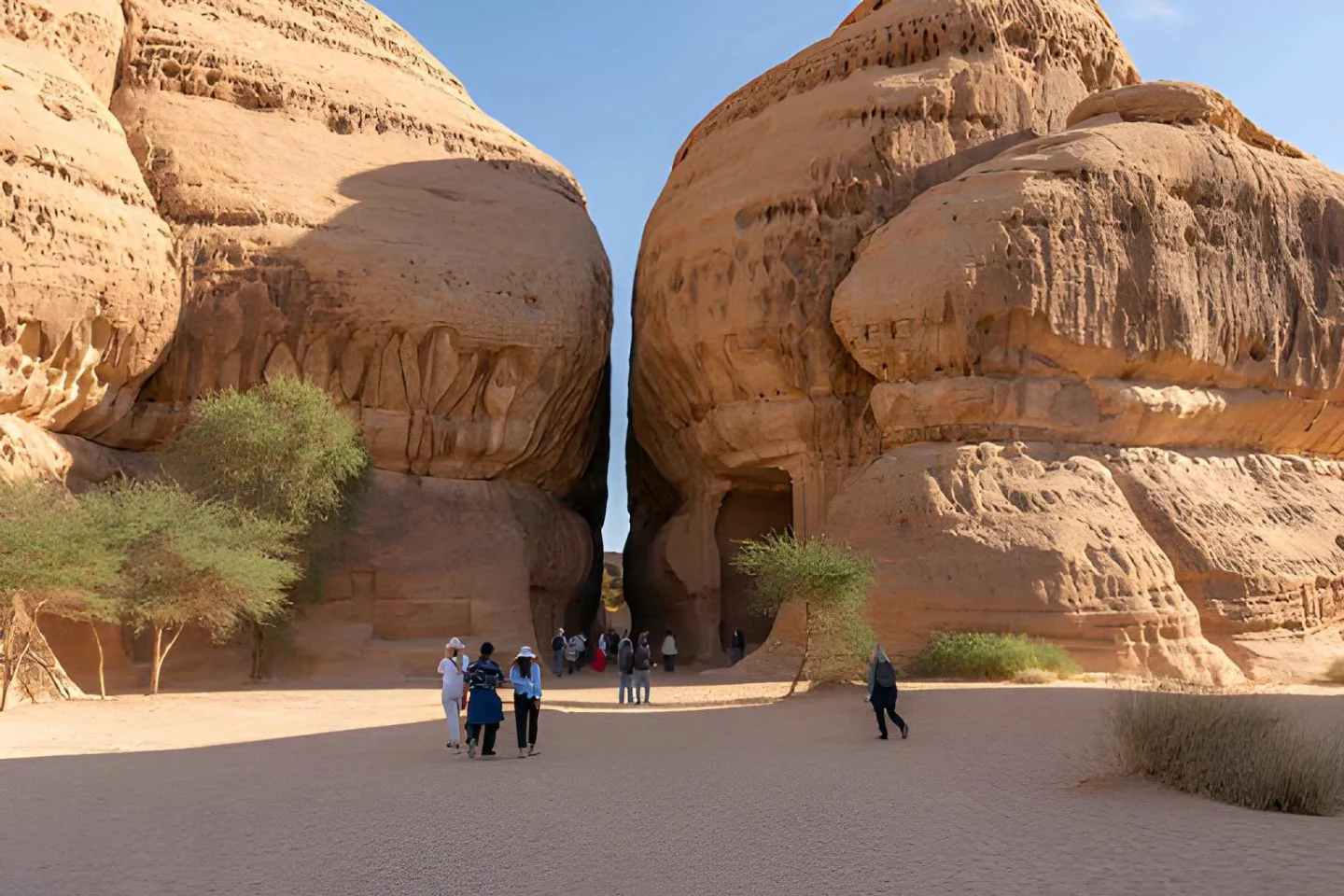
AlUla, one of the most magical destinations, reaches its peak season in winter. The UNESCO-listed Madain Saleh (Hegra), Maraya Theatre, and Elephant Rock are best experienced under gentle sunshine and clear blue skies. This period also coincides with the AlUla Arts Festival and Tantora Winter Festival, showcasing music, gastronomy, and culture at their best.
Spring (April to May): Blooming Landscapes and Outdoor Delights
Spring ushers in warmth and color across Saudi Arabia. It’s a fantastic time for photography lovers and nature enthusiasts. The mountains of Aseer and the valleys near Taif become vibrant with wildflowers, making it a delightful time for scenic drives and countryside escapes. Visiting the Rose Gardens of Taif in April is a breathtaking experience — the air fills with the fragrance of blooming roses, and local factories showcase the art of rosewater distillation.
Meanwhile, coastal regions such as Jeddah and Yanbu remain inviting, with sea temperatures perfect for diving into the Red Sea’s coral reefs. For those seeking cultural immersion, spring also features fewer crowds, allowing travelers to explore local souqs and historic landmarks at a relaxed pace.
Summer (June to September): Ideal for Highland Escapes
While most of Saudi Arabia experiences intense heat during summer, the southwestern highlands of Abha, Al Baha, and Taif offer cool, misty retreats. Temperatures here can dip as low as 20°C (68°F), providing a refreshing contrast to the desert heat. Abha’s lush hills, cable cars, and natural parks such as Asir National Park make it a top summer escape. The Abha Summer Festival attracts visitors with music, crafts, and mountain cuisine.
For adventurers, this is also the perfect time to explore Wadi Disah in the Tabuk region or enjoy a scenic drive along the Red Sea coast. Although summer in major cities can be challenging due to heat, luxury resorts and modern malls provide air-conditioned comfort and entertainment for urban travelers.
Autumn (October): The Underrated Gem
October bridges summer’s warmth and winter’s coolness, making it an underrated yet stellar time to visit Saudi Arabia. The weather is pleasant, crowds are thinner, and prices are often more favorable. It's the perfect month for cultural sightseeing and outdoor exploration. The dunes near Riyadh, such as those visited on an Edge of the World Riyadh Tour, glow golden under mild sunlight, offering breathtaking views and photography opportunities.
Autumn also marks the beginning of event season in major cities, with concerts, sports events, and exhibitions popping up across the kingdom. It’s the ideal time to combine urban sophistication with desert serenity before the peak tourist months arrive.
Regional Guide: When to Visit Saudi Arabia’s Top Destinations
Saudi Arabia’s diversity means each region has its own best visiting season. For instance, Riyadh and the central desert regions are most enjoyable between November and February. Coastal cities like Jeddah and Yanbu are great from October to April, while mountain destinations like Abha are perfect in summer.
In AlUla, winter is prime time for exploring historic treasures like Dadan and Jabal Ikmah. The mild climate enhances the magic of these ancient sites. Meanwhile, Makkah and Medina can be visited year-round, though pilgrims often prefer cooler months for comfort during Umrah or Hajj journeys.
Festivals and Events That Define the Season
Saudi Arabia’s rapid cultural renaissance means every season brings something special. Winter hosts Riyadh Season, Jeddah’s Red Sea International Film Festival, and AlUla Moments. Spring witnesses flower festivals and outdoor art shows, while summer celebrates regional heritage in the cool highlands. Timing your trip to coincide with a festival elevates your experience, letting you connect with Saudi traditions and modern artistry in one go.
FAQs About the Best Time to Visit Saudi Arabia
When is the best time to visit Saudi Arabia for sightseeing?
The best time for sightseeing is between November and March when the weather is cool and comfortable. During these months, you can explore cities, deserts, and heritage sites under perfect conditions.
Is summer a good time to visit Saudi Arabia?
Summer can be extremely hot in most regions, but it’s a fantastic time to explore mountain destinations like Abha and Taif, where the air is crisp and cool. Coastal resorts also offer refreshing sea breezes during summertime.
When should I visit AlUla?
The ideal time to visit AlUla is from November to March. The temperature is mild, and major festivals like Winter at Tantora bring life to this breathtaking heritage site.
What’s the best season for Red Sea activities?
For diving, snorkeling, and beach leisure along the Red Sea coast, visit between October and May. The sea conditions are calm, and underwater visibility is superb during these months.
Are Saudi Arabia’s festivals worth timing a trip around?
Absolutely. Events like Riyadh Season, Jeddah Season, and AlUla Moments showcase Saudi Arabia’s evolving culture, art, and entertainment scene. Planning your trip around them ensures a vibrant, immersive experience.