
Al Malad Castle
Al Malad Castle: The Timeless Guardian of Al-Baha's Heritage
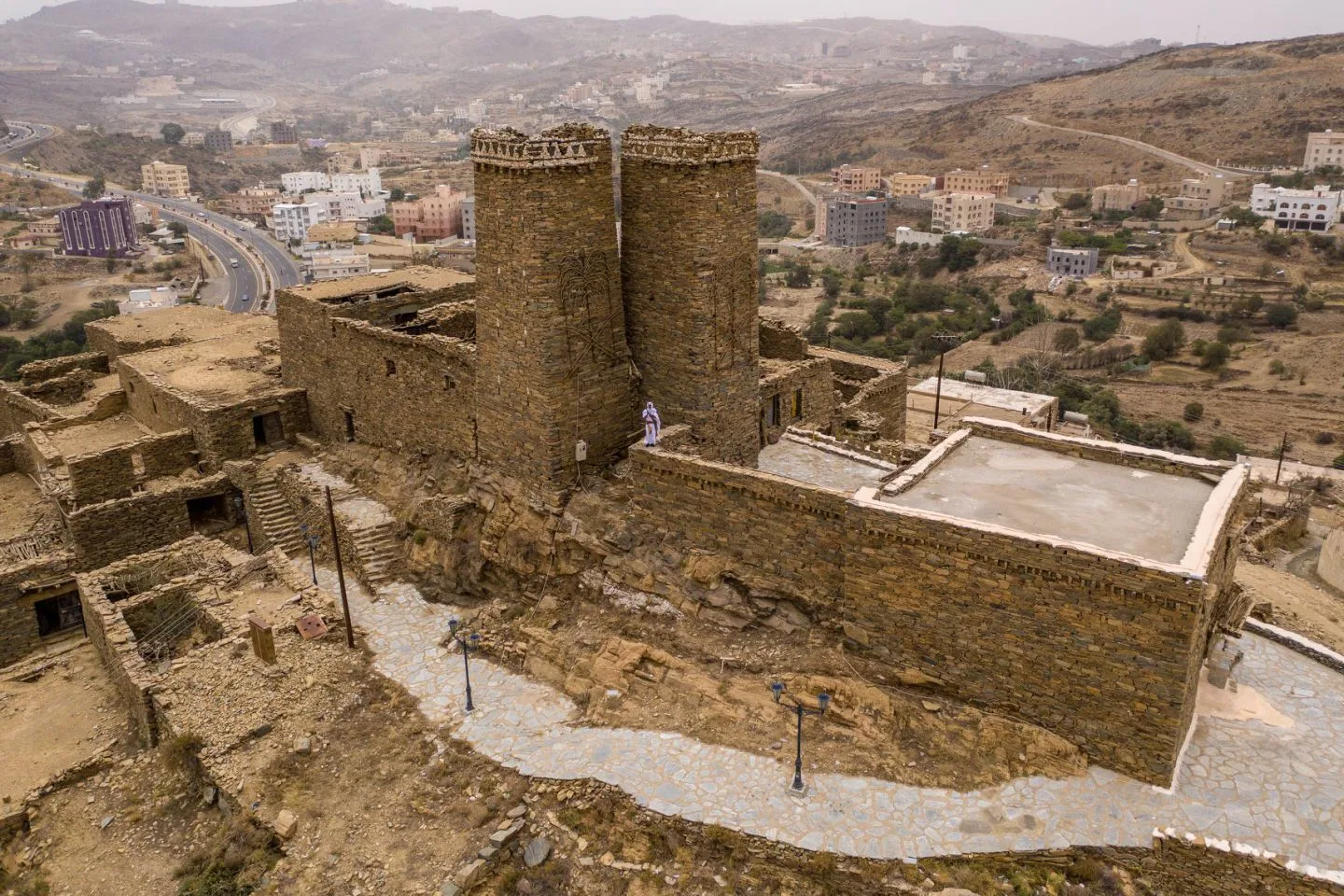
Perched majestically atop the rugged highlands of the Al-Baha region, Al Malad Castle stands as a silent sentinel to centuries of Arabian history. This awe-inspiring fortress, blending architectural brilliance with strategic ingenuity, invites travelers and historians alike to step back into a bygone era of valor, culture, and resilience. The castle, with its imposing towers and thick stone walls, dominates the landscape, offering panoramic views of valleys and villages that speak volumes about the region’s ancient civilization. Al Malad Castle is more than just a landmark—it’s an embodiment of Saudi Arabia’s enduring spirit, preserving its legacy amid the winds of modernization.
Al-Baha, known for its lush forests, cool climate, and mountainous terrain, is often dubbed the “Pearl of the South.” Amid this natural splendor, Al Malad Castle captures both the imagination and admiration of all who visit. Its storied past, marked by tales of defense and local governance, has transformed it into one of Saudi Arabia’s most captivating historical destinations. For adventurers and cultural enthusiasts exploring Saudi Arabia Tours or tailor-made Saudi Arabia Travel Packages, Al Malad Castle is a must-see attraction that bridges the ancient and the contemporary through its magnificent architecture and breathtaking views. From sunrise hues that bathe its walls in gold to the calm serenity of twilight, this castle is a photographer’s dream and a historian’s treasure.
The story of Al Malad Castle isn’t just about stones and battlements—it’s about people, traditions, and the evolution of Saudi identity. It represents the pride of Al-Baha’s inhabitants, echoing centuries of protection, hospitality, and cultural exchange. Today, as Saudi Arabia embraces its Vision 2030 tourism goals, Al Malad Castle shines brightly as a jewel of heritage tourism, offering visitors a rare glimpse into the kingdom’s rich tapestry of architecture, governance, and daily life.
The Historical Legacy of Al Malad Castle
Al Malad Castle, located in the Al-Baha province of southwestern Saudi Arabia, dates back several centuries. Built strategically on a hilltop to oversee surrounding valleys, it served as both a military fortress and an administrative center. The castle’s historical role was vital—it protected trade routes that connected the interior of the Arabian Peninsula with the Red Sea coast. This fortress stood against invasions and played a key role in safeguarding local tribes and resources. The structure reflects the ingenuity of traditional Arabian defensive architecture, which prioritized visibility, communication, and sustainability.
Historians suggest that Al Malad Castle was built during a time when local rulers needed secure, elevated positions to assert authority. The stonework, crafted from locally sourced materials, blends seamlessly with the rugged terrain. In some ways, its design resembles that of other historic sites such as Shamsan Castle in Abha or the iconic Dhee Ayn Village, both of which showcase the architectural resilience of ancient Arabian builders. Each stone in Al Malad Castle narrates a story—a whisper of the past, a reminder of the struggles and triumphs that shaped the region’s identity.
Architectural Features that Define Al Malad Castle
The imposing architecture of Al Malad Castle is a blend of defensive strength and aesthetic grace. Built primarily from stone and clay, the fortress comprises multi-level towers, thick walls, and narrow windows designed for surveillance and defense. Its layout reveals a strategic understanding of both geography and warfare. The towers rise proudly above the surrounding terrain, acting as watchpoints to detect approaching threats. The inner chambers, meanwhile, offer a glimpse into the administrative and domestic life of the era.
Visitors can still observe remnants of traditional Arabian craftsmanship—the carved wooden doors, mud-brick detailing, and ingenious ventilation systems that kept interiors cool during scorching summers. The castle courtyard, once bustling with guards, traders, and dignitaries, now offers serenity and panoramic views of Al-Baha’s undulating hills. For those who admire historic architecture, Al Malad Castle rivals other prominent structures like Masmak Fort in Riyadh and Murabba Palace, both symbols of Saudi Arabia’s architectural evolution from fortresses to palaces.
The Cultural Importance of Al Malad Castle in Al-Baha
Beyond its strategic and architectural significance, Al Malad Castle holds immense cultural value. It stands as a symbol of local pride, representing the unity, wisdom, and resilience of Al-Baha’s ancestral tribes. The castle also embodies the social and political fabric of the region, serving as a gathering place for leaders and elders to discuss community matters. Local festivals and cultural events often highlight the castle’s role as a living monument of heritage.
Al-Baha’s cultural richness complements the historical aura of the castle. Visitors can explore nearby attractions like Raghadan Forest Park and the scenic Khairah Forest & Waterfall, allowing travelers to combine historical exploration with nature’s tranquility. Together, these sites paint a vivid picture of Saudi Arabia’s southern beauty, where heritage and nature coexist harmoniously.
Al Malad Castle and Tourism Development in Saudi Arabia
With Saudi Arabia’s Vision 2030 driving tourism growth, Al Malad Castle has become a key destination for cultural tourism in the Al-Baha region. Restoration projects have been implemented to preserve its historical integrity while making it accessible to visitors. The site offers guided tours, interpretive displays, and cultural exhibitions that recount the castle’s past and its role in shaping the local community.
Efforts by the Saudi Commission for Tourism and National Heritage have positioned Al Malad Castle as a cornerstone of heritage tourism, attracting historians, architects, and travelers eager to discover authentic Saudi experiences. As part of broader initiatives to highlight historic destinations, the castle now shares prominence with other iconic landmarks like Madain Saleh (Hegra) and Old Town AlUla, both UNESCO-listed sites that celebrate the kingdom’s ancient civilizations.
How to Visit Al Malad Castle: Travel and Accessibility
Reaching Al Malad Castle is relatively straightforward for those exploring southern Saudi Arabia. The castle is located a short distance from Al-Baha city, accessible by well-maintained roads. The nearest major transport hubs include Al-Baha Domestic Airport and the highway connecting the region to Taif and Abha. For international travelers, connecting flights through Abha International Airport make the journey convenient.
Visitors are advised to explore the castle early in the morning or late in the afternoon to enjoy the best light and cooler weather. The site is open year-round, but the ideal time to visit Al-Baha is during the spring and summer months when the region’s climate is mild. Nearby accommodations range from boutique resorts to heritage guesthouses, offering tourists an immersive cultural experience surrounded by nature and history.
Preservation and Future of Al Malad Castle
Preserving Al Malad Castle is vital to maintaining Saudi Arabia’s cultural identity. Conservation initiatives focus on structural restoration, archaeological research, and sustainable tourism practices. Specialists employ traditional materials and techniques to restore walls and towers, ensuring the site remains authentic. Local communities are actively involved in these efforts, fostering a sense of ownership and pride in their heritage.
Future plans include transforming parts of the castle into a living museum, showcasing ancient artifacts, traditional crafts, and historical reenactments. This approach not only preserves the site but also educates visitors about Al-Baha’s significance in Saudi Arabia’s historical narrative. Through restoration, storytelling, and cultural programming, Al Malad Castle stands ready to inspire future generations.
FAQs About Al Malad Castle
Where is Al Malad Castle located?
Al Malad Castle is located in the mountainous Al-Baha region of southwestern Saudi Arabia. It sits atop a high hill, offering expansive views of nearby villages and valleys, making it both a defensive stronghold and a scenic landmark.
What is the historical significance of Al Malad Castle?
Al Malad Castle served as a fortress and administrative center for centuries. It protected trade routes, provided refuge during conflicts, and symbolized local governance. Its architecture offers insight into traditional Arabian defensive building techniques.
Can visitors tour Al Malad Castle today?
Yes, visitors can tour Al Malad Castle throughout the year. Guided tours are available, providing details about the site’s construction, heritage, and role in Saudi Arabia’s history. The surrounding landscapes are ideal for photography and picnicking.
What’s the best time to visit Al Malad Castle?
The best time to visit Al Malad Castle is between March and September, when Al-Baha enjoys mild and pleasant weather. Early mornings and late afternoons offer the most comfortable conditions and beautiful lighting for sightseeing.
Is Al Malad Castle part of Saudi Arabia’s Vision 2030 tourism plan?
Absolutely. The castle is a key component of Saudi Arabia’s Vision 2030 cultural tourism strategy, which aims to promote historical and archaeological sites. Restoration efforts are underway to preserve the fortress and enhance visitor facilities.
Conclusion: A Living Chronicle of Saudi Heritage
Al Malad Castle stands as a testament to Saudi Arabia’s deep-rooted traditions, architectural brilliance, and historical might. From its commanding towers to its intricate stonework, the castle tells a story of resilience and pride that continues to captivate modern travelers. Whether you’re exploring cultural heritage, seeking photography inspiration, or embarking on a journey through Top Things To Do In Saudi Arabia, Al Malad Castle offers an unforgettable experience that connects past and present in perfect harmony. It’s not just a destination—it’s a legacy carved in stone, echoing through the mountains of Al-Baha for generations to come.