
Murabba Palace
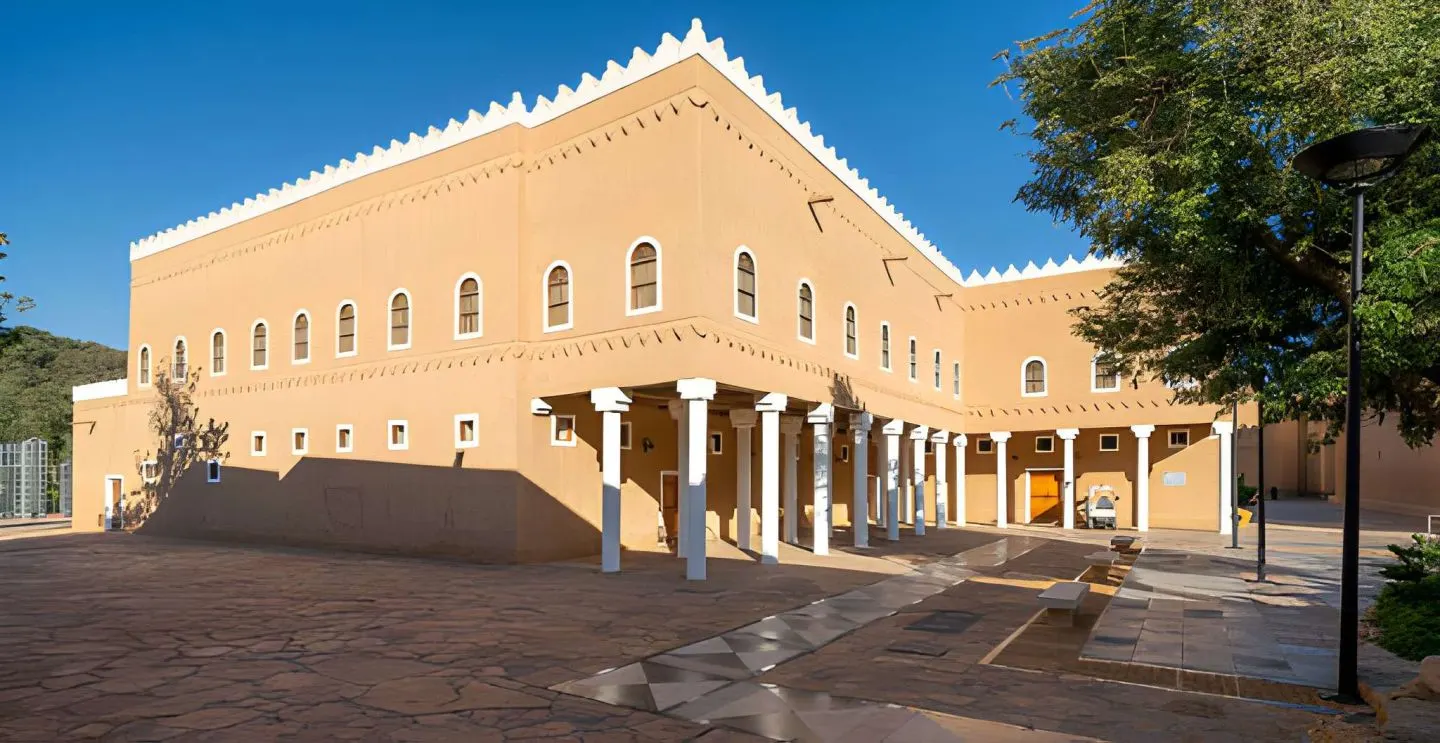
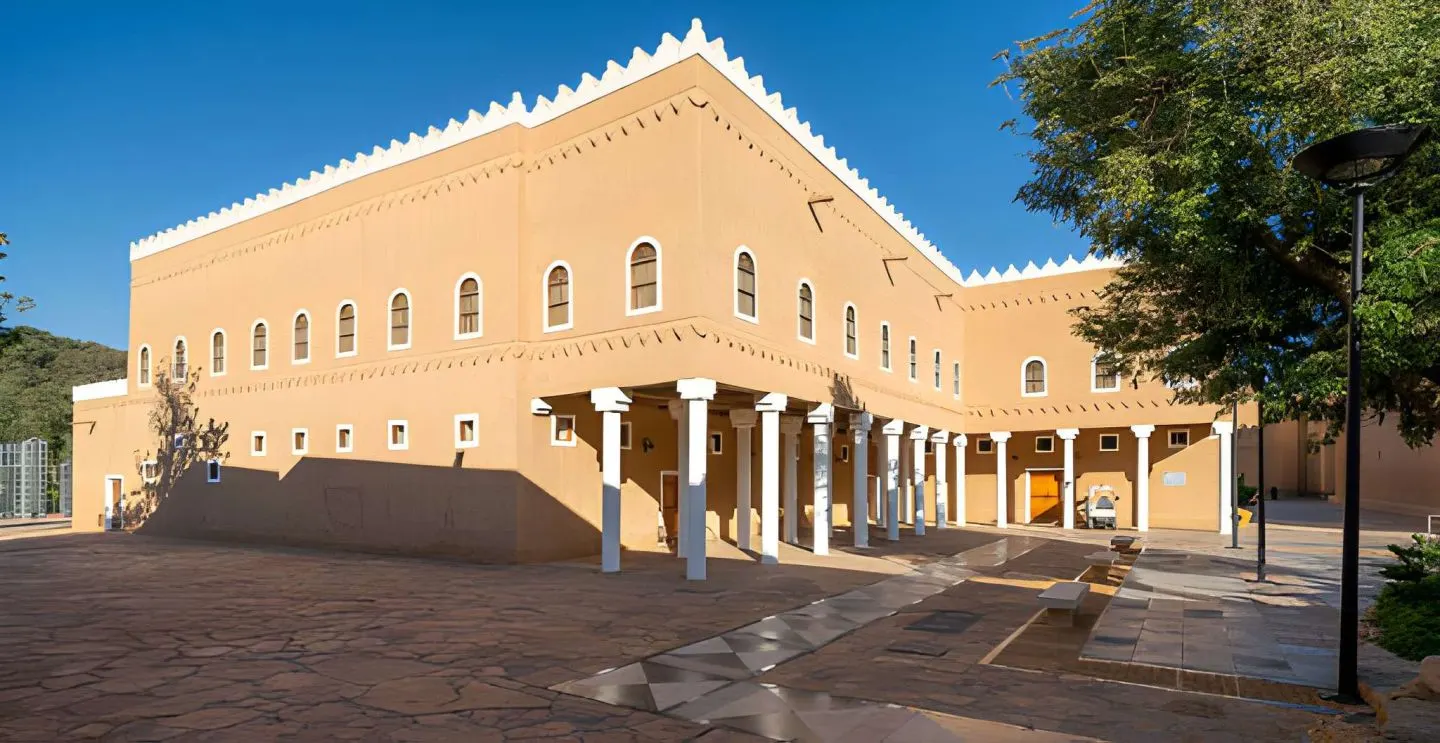
Murabba Palace: The Heart of Riyadh’s Royal Heritage
Murabba Palace, nestled in the bustling capital of Saudi Arabia, stands as a symbol of tradition, modernity, and transformation. Built by King Abdulaziz Al Saud in the 1930s, this grand royal residence marked the beginning of Riyadh’s evolution from a modest desert town into a thriving metropolis. Its name ‘Murabba’, derived from the Arabic word for ‘square’, reflects the palace’s unique architectural layout. Today, it’s a centerpiece of the King Abdulaziz Historical Center, drawing history buffs, architecture lovers, and curious travelers eager to witness Saudi Arabia’s royal legacy. Every corner of this remarkable monument tells a story — one of leadership, cultural identity, and national pride.
For those planning immersive Riyadh Day Tours, Murabba Palace is an unmissable highlight. Its beautifully preserved walls and intricate details transport visitors back to the reign of Saudi Arabia’s founding monarch. Beyond its aesthetic allure, the palace embodies a turning point in the Kingdom’s architectural innovation — blending traditional Najdi design with modern techniques that set the stage for Saudi Arabia’s development in the mid-20th century. No wonder it remains an extraordinary landmark that continues to fascinate historians, travelers, and locals alike.
The Historical Significance of Murabba Palace
Constructed between 1936 and 1938, Murabba Palace served as King Abdulaziz’s primary residence and the seat of government affairs. The decision to build beyond the walls of the old city of Riyadh was revolutionary at the time, signaling Saudi Arabia’s ambition to expand and modernize. This palace not only hosted royal gatherings and state meetings but also became home to the first automobile brought into Riyadh — a novelty gifted to the King. Today, it’s part of the larger King Abdulaziz Historical Center, where visitors can explore exhibits detailing Saudi Arabia’s formation, governance, and cultural milestones.
Murabba Palace’s historical importance goes far beyond its royal association. It represents the foundation of modern Saudi identity and governance. The combination of local materials, including adobe, gypsum, and palm fronds, showcases a sustainable building approach rooted in heritage and harmony with the desert environment. To better understand this transformation of Saudi architecture, travelers can complement their visit by exploring places such as Masmak Fort and Diriyah, each offering unique insights into the Kingdom’s architectural evolution.
Architectural Design: A Blend of Heritage and Innovation
The design of Murabba Palace masterfully combines Najdi architectural traditions with forward-thinking features. Its rectangular layout, thick mud-brick walls, and intricately carved wooden doors echo the essence of Saudi craftsmanship. The palace’s spacious courtyards allowed for ventilation and provided respite from Riyadh’s desert heat. Decorative geometric patterns and latticework add both aesthetic charm and cultural symbolism. Inside, visitors find evidence of a visionary monarch’s foresight — electric lighting, mechanical ventilation, and modern amenities, all rare luxuries at the time of its construction.
Murabba Palace’s architecture mirrors King Abdulaziz’s leadership philosophy: progressive yet rooted in tradition. It paved the way for later structures such as the King Fahad Library and Kingdom Tower, where modern design continues to honor historic forms. Exploring Murabba’s rooms and hallways is like stepping into a living museum of the nation’s architectural DNA.
Cultural and Political Symbolism Behind Murabba Palace
Murabba Palace was more than a royal residence; it was a statement of progress and unity. When King Abdulaziz moved his court to this palace, it symbolized a new era of stability and centralized power. The structure became the stage for decisions that shaped the nation — from diplomatic meetings to cultural developments. It’s also where King Abdulaziz received international delegations, laying the groundwork for Saudi Arabia’s global presence.
Culturally, Murabba Palace embodies the Saudi spirit of resilience and innovation. The palace’s surroundings evolved into modern Riyadh, becoming a hub of government institutions, museums, and cultural centers. Travelers combining their visit with the National Museum of Saudi Arabia can deepen their understanding of the Kingdom’s transformation from tribal territories into a unified, forward-looking nation.
Exploring Murabba Palace Today
Visitors stepping inside Murabba Palace today can still sense the echoes of its royal past. The complex includes several buildings, courtyards, and service areas that have been meticulously preserved. Guides recount fascinating stories about the royal family, the introduction of modern communication systems, and the evolution of Riyadh’s infrastructure. Interactive displays and archival photographs bring history vividly to life, offering a glimpse into both the personal and political lives of Saudi Arabia’s founding generation.
Murabba Palace forms part of many curated Riyadh Tour Packages that include stops at other iconic attractions such as Boulevard City and Sky Bridge at Kingdom Tower. Together, these sites form an extraordinary journey through the capital’s blend of past and present. Whether you’re passionate about architecture, fascinated by history, or simply exploring Saudi heritage, Murabba Palace delivers an unforgettable cultural experience.
Murabba Palace’s Role in Modern Saudi Tourism
In recent years, Murabba Palace has become a cornerstone of Saudi cultural tourism. It’s often featured in curated experiences like Saudi Arabia Day Tours and historical itineraries aimed at showcasing the country’s royal legacy. The palace’s preservation and integration into the King Abdulaziz Historical Center offer visitors an enriching journey into Saudi Arabia’s founding chapter. It’s a living classroom where every wall and artifact narrates a story of determination, leadership, and national pride.
Saudi Arabia’s Vision 2030 initiative has amplified the role of cultural heritage in tourism, and Murabba Palace stands as a glowing example of this transformation. The site attracts domestic and international travelers alike, eager to explore not just the palace itself but also the broader historical and cultural context of Riyadh. When paired with experiences like the Tour to Saudi Arabia or the Luxury Saudi Arabia Vacation, a visit to Murabba Palace becomes an essential highlight in understanding the Kingdom’s majestic transformation.
Preservation Efforts and Restoration Projects
The Saudi government has invested heavily in preserving Murabba Palace to ensure future generations can experience its grandeur. Restoration efforts have focused on maintaining the original materials and design integrity while introducing subtle enhancements for accessibility and visitor convenience. Modern lighting, guided tours, and interpretive panels now help visitors appreciate the artistry and engineering behind this architectural masterpiece. These initiatives reflect Saudi Arabia’s broader movement to safeguard its cultural landmarks, aligning with global heritage preservation standards.
Visitors exploring the palace often extend their journeys to other notable heritage sites across the Kingdom through Saudi Arabia Tours and Saudi Arabia Travel Packages, each offering deeper insights into the Kingdom’s architectural and historical evolution.
FAQs About Murabba Palace
What is the history behind Murabba Palace?
Murabba Palace was built by King Abdulaziz Al Saud between 1936 and 1938 as a royal residence and administrative headquarters. It marked the expansion of Riyadh beyond its old city walls and introduced modern amenities like electricity and telephones, making it a landmark of modernization in Saudi Arabia.
Where is Murabba Palace located?
Murabba Palace is located in central Riyadh, within the King Abdulaziz Historical Center. It’s easily accessible and often included in Riyadh Day Tours for those exploring the capital’s cultural attractions.
Can visitors tour the interior of Murabba Palace?
Yes, visitors can tour the palace as part of the King Abdulaziz Historical Center. Guided tours provide insights into the palace’s architecture, royal lifestyle, and historical context, making it one of Riyadh’s most informative and engaging attractions.
Why is Murabba Palace important to Saudi heritage?
Murabba Palace symbolizes the unification and modernization of Saudi Arabia. It represents the vision of King Abdulaziz in transforming Riyadh into a modern capital while preserving its cultural roots. The palace’s design and purpose reflect the balance between tradition and innovation that defines Saudi identity.
What’s the best time to visit Murabba Palace?
The ideal time to visit is during the cooler months, from October to March. Visitors can enjoy comfortable weather while exploring the palace grounds and nearby attractions like the Dirah Souq and other cultural landmarks in the heart of Riyadh.