
Saudi Street Food
Saudi Street Food: A Journey Through Flavor and Culture
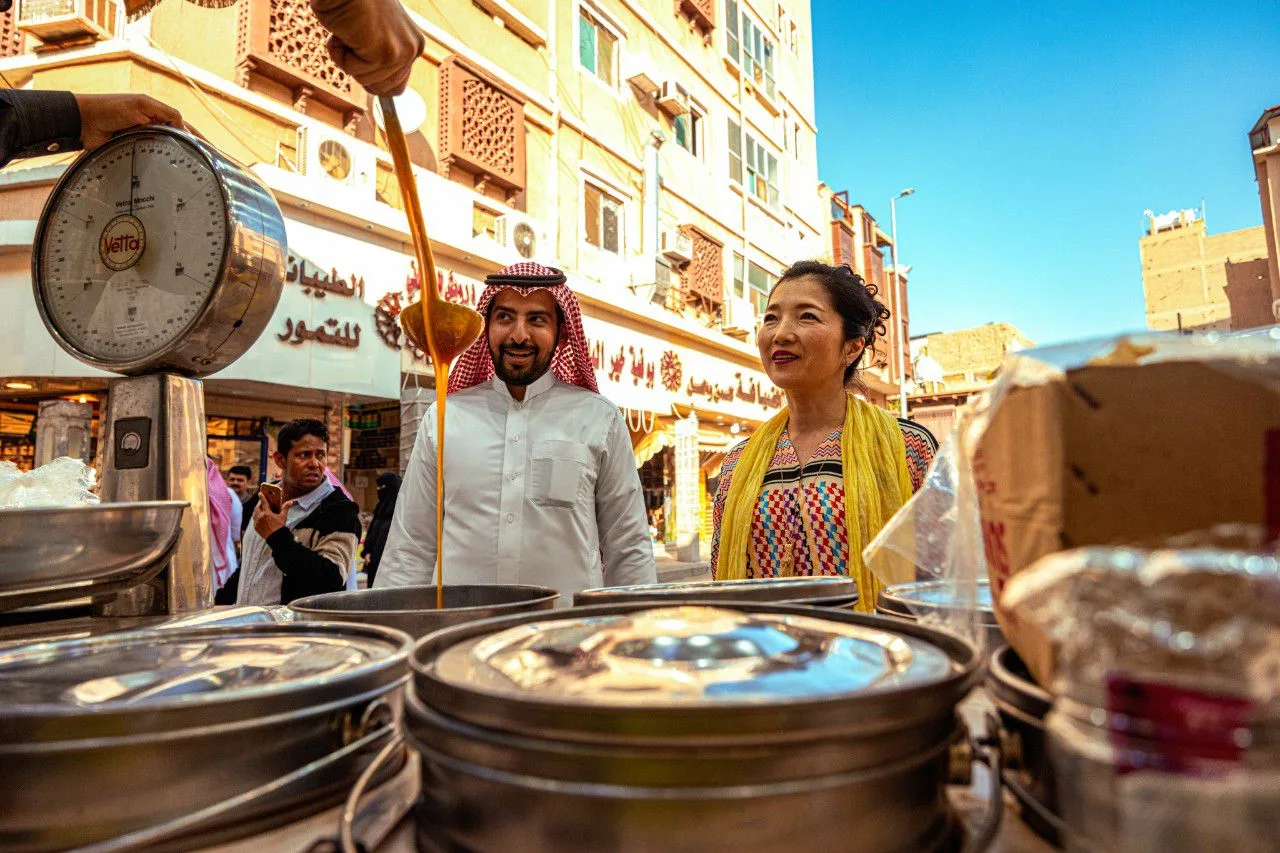
Saudi street food reflects the kingdom’s soul — aromatic, hearty, and deeply rooted in centuries of tradition. Wander through the bustling streets of Riyadh, Jeddah, or Dammam, and you’ll discover the irresistible scent of sizzling shawarma, freshly baked flatbreads, and spiced kebabs wafting through the air. Saudi Arabia’s culinary identity is a fascinating blend of Bedouin heritage, trade-route influences, and modern creativity. Vendors serve authentic bites that bridge the past and present, offering locals and visitors a genuine taste of Saudi life. Every region brings its own twist to the table, from the filling sambusas of the west to the tangy mutabbaq of the south. With each bite, you experience the warmth, generosity, and diversity that define Saudi hospitality. Whether you’re strolling through Al-Balad in Jeddah or exploring the vibrant corners of Riyadh’s souqs, Saudi street food is more than sustenance — it’s an invitation to connect, share, and savor.
The Heart of Saudi Street Food Culture
The essence of Saudi street food lies in simplicity and authenticity. Generations-old recipes dominate the scene, often prepared in open-air stalls or small family-run joints. Locals gather around food carts after sunset, breaking social barriers with shared plates and stories. This communal spirit mirrors the Bedouin tradition of hospitality, where feeding a guest is both duty and honor. Popular dishes like falafel, shawarma, and jareesh embody the rich culinary diversity of the Arabian Peninsula. Stalls near Dirah Souq and Jeddah’s Corniche serve as cultural crossroads where ancient flavors meet modern appetites. Street food here isn’t just about flavor—it’s a celebration of unity, heritage, and local pride.
Shawarma: The King of Saudi Street Eats
No discussion of Saudi street food is complete without shawarma. Juicy, marinated meats rotate slowly on a vertical spit, soaking in their own spices and juices. Thin slices of beef, chicken, or lamb are tucked into warm flatbread, topped with pickles, garlic sauce, and fries. Every city offers its signature twist—Riyadh’s shawarma is often smoky and rich, while Jeddah’s version leans tangy with citrus undertones. You’ll find shawarma kiosks on nearly every street corner, each claiming to serve the best in town. Pair it with fresh juice from a nearby stall, and you’ve got a perfect Saudi street meal to remember. Many visitors on Riyadh Day Tours make it a point to indulge in this classic delight.
Falafel and Hummus: Middle Eastern Staples with Saudi Flair
Falafel, the golden, crispy chickpea fritter, is a street favorite found from the Red Sea coast to the central deserts. In Saudi Arabia, it’s typically served in pita bread with tahini and pickled vegetables. Vendors often grind chickpeas fresh on-site, ensuring every bite bursts with flavor. Hummus and foul (mashed fava beans) often accompany falafel, creating a rich, protein-packed combination that locals enjoy for breakfast or lunch. Around Jeddah Corniche, falafel stands light up the night, drawing crowds eager for the perfect blend of crunch and creaminess.
Mutabbaq: Saudi Arabia’s Savory Pancake
Mutabbaq, meaning 'folded' in Arabic, is a beloved street snack that showcases the kingdom’s Yemeni influence. This crispy, stuffed pancake comes filled with minced meat, onions, egg, and spices, then fried to golden perfection. It’s especially popular during Ramadan, when freshly made mutabbaq stalls line city streets after sunset. The dish’s balance of texture and flavor makes it an instant crowd-pleaser. If you’re visiting the western regions, particularly during Medina Excursions, don’t miss the chance to watch skilled vendors fold and fry these delightful parcels before your eyes.
Sambusa: The Ramadan Favorite Turned Everyday Snack
Originally an Indian samosa adaptation, sambusa has become a cornerstone of Saudi street food. These triangular pastries are filled with spiced meat, vegetables, or lentils, deep-fried until crisp. During Ramadan, sambusa stalls multiply across every city, as families queue to grab them fresh for iftar. Outside the holy month, sambusas remain a quick, affordable bite for those on the go. In Old Town AlUla, sambusas often feature date or cheese fillings—a sweet twist on the traditional recipe reflecting local tastes.
Regional Variations in Saudi Street Food
Saudi Arabia’s vast geography contributes to its remarkable culinary diversity. The coastal cities, mountain villages, and desert towns each infuse local ingredients into their street foods. In Jeddah and Makkah, seafood dishes such as sayadiyah (spiced rice with fish) reign supreme, while the highlands of Aseer offer smoky, slow-cooked meats seasoned with mountain herbs. In Riyadh, wheat-based recipes like jareesh—a cracked wheat porridge with meat—reflect the central region’s agricultural history. Exploring these differences through food is akin to taking a Saudi Arabia Travel Package filled with culinary adventures that unravel the nation’s cultural mosaic.
Jeddah’s Coastal Delights
Jeddah’s street food scene is a rich fusion of African, Yemeni, and Hijazi influences. Along its seaside promenades, vendors serve samak mashwi (grilled fish) and fried shrimp alongside tangy sauces. The city’s multicultural heritage ensures every bite tells a story of trade and migration. Visitors exploring Jeddah Day Tours & Excursions often end their day sampling coastal favorites under the glow of King Fahd’s Fountain. With the Red Sea breeze and the aroma of spices, dining here becomes an experience that stays with you long after your trip ends.
Riyadh’s Traditional Street Feasts
In the capital, classic Saudi street dishes merge with modern innovation. Food trucks, pop-up stalls, and night markets offer everything from camel burgers to traditional qursan (flatbread soaked in meat stew). Near Masmak Fort, you’ll find vendors preserving old Najdi recipes that highlight the capital’s storied heritage. Riyadh’s evolving culinary landscape proves that Saudi street food doesn’t merely hold onto tradition—it reinvents it for the next generation.
Sweet Street Treats and Saudi Desserts
When it comes to dessert, Saudi street food shines just as brightly. Traditional sweets like luqaimat—crispy dough balls drizzled with date syrup and sesame—are festival favorites. Dates, honey, and cardamom play starring roles in most confections, creating rich, aromatic experiences. These treats pair perfectly with Saudi qahwa (coffee), a spiced brew served in tiny cups. For dessert enthusiasts, browsing through Saudi Desserts You Must Try is a mouthwatering introduction to this sugary side of local culture.
Street Drinks to Quench the Heat
In a land known for its scorching temperatures, beverages are essential. Fresh pomegranate juice, laban (a yogurt-based drink), and tamarind juice dominate Saudi streets. These refreshing drinks not only cool the body but also complement the spices of street food perfectly. Stalls near Boulevard City often serve creative blends with dates or mint, adding a local twist to timeless refreshments.
Where to Experience the Best Saudi Street Food
From the alleyways of Jeddah to Riyadh’s trendy food boulevards, Saudi Arabia is bursting with culinary hotspots. Popular markets such as Souq Al Zal in Riyadh and Corniche stalls in Jeddah offer authentic flavors at every turn. Meanwhile, festival events and cultural fairs showcase regional delicacies in one place. Those embarking on a 10 Days Saudi Arabia Experience can trace the kingdom’s entire gastronomic journey, one bite at a time.
FAQs About Saudi Street Food
What are the most popular Saudi street foods?
Some of the most popular Saudi street foods include shawarma, mutabbaq, sambusa, falafel, and jareesh. Each dish offers a unique blend of spices and textures that represent different regional influences across the kingdom.
Is Saudi street food safe to eat?
Yes, Saudi street food is generally safe when purchased from clean and reputable vendors. Look for stalls with high turnover and freshly prepared food. Hygiene standards have improved significantly in major cities like Riyadh and Jeddah.
Where can tourists find the best street food in Saudi Arabia?
The best street food spots include Riyadh’s Dirah Souq, Jeddah’s Corniche, and AlUla’s Old Town markets. Each offers an authentic, local dining experience perfect for travelers joining AlUla Travel Package adventures or city tours.
Are there vegetarian options in Saudi street food?
Absolutely! Falafel, hummus, foul, and cheese sambusas are common vegetarian-friendly options. Many stalls also offer plant-based variations of traditional favorites like mutabbaq.
When is the best time to enjoy Saudi street food?
Evenings are the best time to explore Saudi street food, as most vendors start cooking after sunset. During Ramadan, the atmosphere becomes especially lively, with families gathering to enjoy freshly made snacks and sweets after iftar.