
Dadan Saudi Arabia
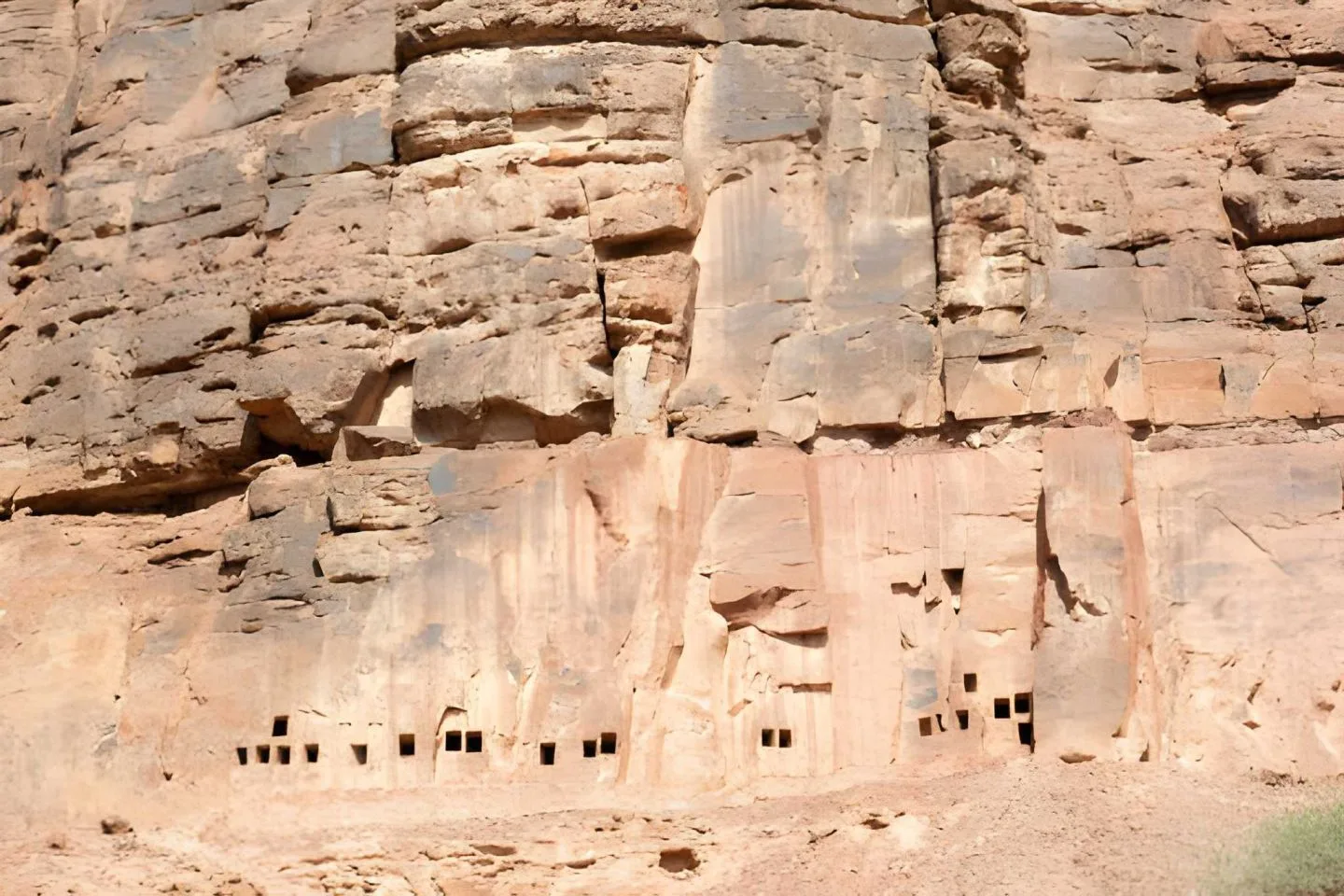
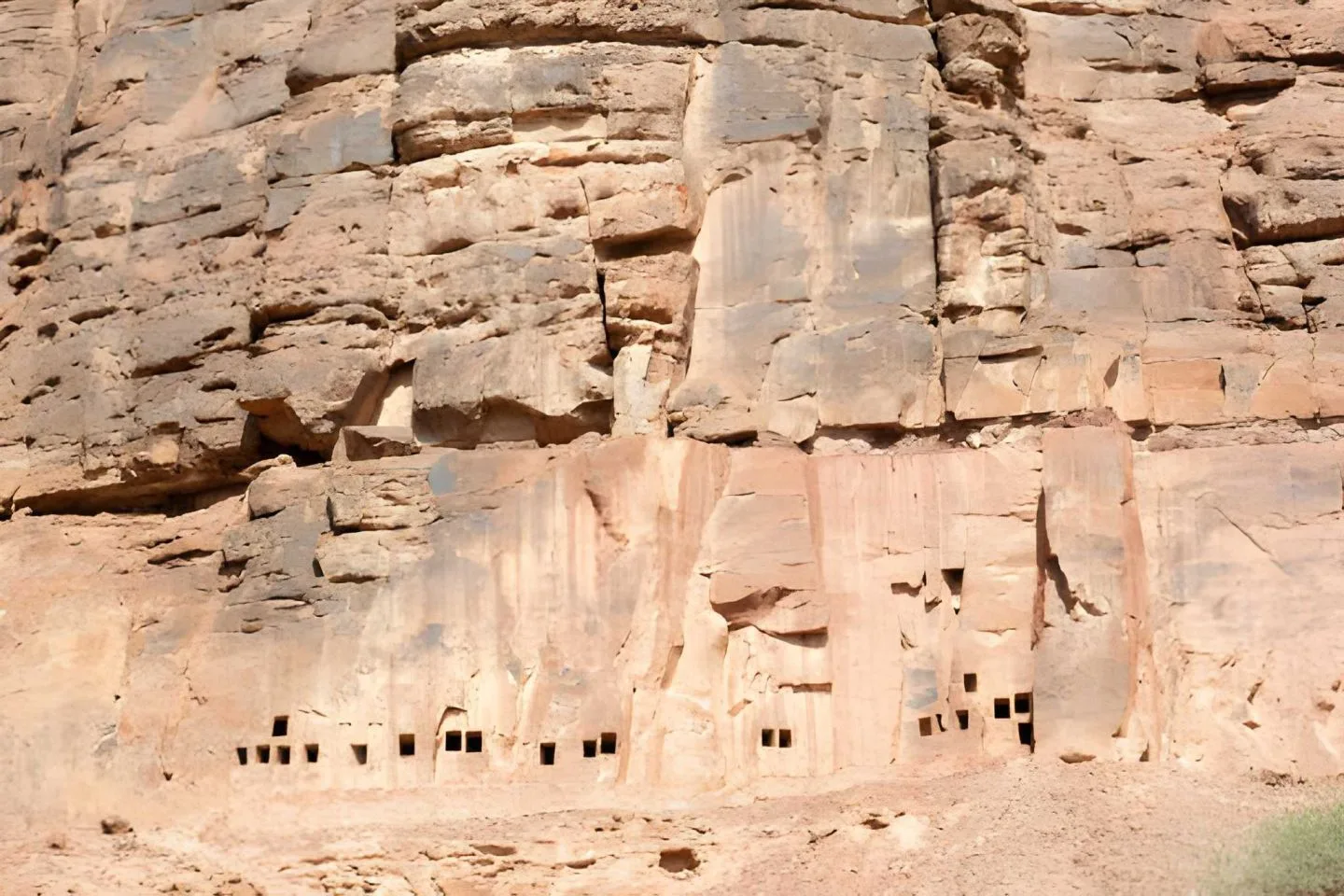
Dadan Saudi Arabia – The Ancient Kingdom Rising from AlUla’s Timeless Sands
Step back in time and uncover one of the most fascinating archaeological treasures in the Arabian Peninsula — Dadan, Saudi Arabia. Nestled in the heart of AlUla, this ancient kingdom once thrived as the beating heart of trade, culture, and spirituality. Its remnants whisper stories of power, devotion, and craftsmanship, painting a vivid picture of pre-Islamic Arabia. Dadan isn’t just ruins on a map; it’s a bridge between civilizations, connecting past glory with Saudi Arabia’s modern cultural renaissance. Today, as travelers flock to AlUla’s monumental landscapes, Dadan stands as a breathtaking symbol of heritage and rediscovery. With centuries-old inscriptions, majestic tombs carved into red sandstone cliffs, and legends of the Dadanite and Lihyanite kingdoms, this site offers a journey unlike any other in the Middle East. Whether you’re a historian, an adventurer, or a curious wanderer, Dadan Saudi Arabia promises an experience steeped in wonder and authenticity — a destination where history doesn’t just live, it speaks.
The History of Dadan Saudi Arabia: A Lost Kingdom Reborn
Dadan, sometimes spelled Dedan, was once the capital of the Dadanite Kingdom around the 9th to 8th century BCE. Later, it became the seat of the powerful Lihyanite Kingdom, which flourished between the 5th and 2nd centuries BCE. This valley oasis stood strategically along the incense trade route, a vital artery linking southern Arabia with the Mediterranean. Merchants passing through Dadan exchanged goods like spices, gold, and frankincense — fueling the city’s prosperity. Archaeological excavations reveal meticulously planned streets, temples, and carved tombs, testifying to an advanced society deeply rooted in religion and governance. The site’s monumental rock façades, particularly those at the ‘Lion Tombs,’ symbolize royal power and divine protection — hallmarks of Lihyanite architecture. For modern explorers, Dadan’s rediscovery isn’t just about ancient stones; it’s about unearthing the bedrock of Arabia’s identity, long before Islam reshaped the peninsula’s cultural landscape.
Architectural Marvels and Sacred Monuments of Dadan
The architectural legacy of Dadan Saudi Arabia continues to captivate archaeologists and travelers alike. The city’s ruins showcase a masterful blend of artistic precision and spiritual depth. Among its most iconic features are the Lion Tombs, named after the lion carvings guarding burial chambers. These sculptures, chiseled with remarkable detail, reflect the Lihyanite belief in afterlife protection. Another highlight is the Dadan Temple, believed to have served as a religious and administrative center. Excavations reveal stone altars, statues, and inscriptions dedicated to deities worshipped by the ancient inhabitants. The site’s urban planning — with streets aligned along the valley floor — demonstrates a sophisticated understanding of hydrology and trade infrastructure. Visitors can now explore these excavations as part of curated tours included in Alula Day Tours, offering unique insight into Dadan’s role as an ancient urban masterpiece.
The Dadanite and Lihyanite Kingdoms: Guardians of AlUla’s Legacy
The Dadanite and Lihyanite civilizations were pivotal in shaping northern Arabia’s cultural identity. The Dadanites are believed to have established the city as a vital caravan hub, while the Lihyanites expanded its reach across vast territories. Inscriptions found near Dadan and Jabal Ikmah provide valuable linguistic and historical evidence of these kingdoms’ governance systems, trade networks, and spiritual beliefs. Jabal Ikmah, often dubbed “Saudi Arabia’s open-air library,” complements Dadan’s archaeological importance with thousands of inscriptions etched into rock faces. Their script, an ancestor of modern Arabic, reveals a society steeped in ritual, law, and diplomacy. Together, Dadan and Jabal Ikmah form a UNESCO World Heritage-caliber ensemble, narrating Arabia’s story long before the rise of empires like Nabatea and Rome.
Exploring Dadan Today: Heritage Meets Modern Discovery
Modern Saudi Arabia has made tremendous efforts to preserve and promote Dadan as part of its Vision 2030 heritage initiative. Managed by the Royal Commission for AlUla (RCU), the site now welcomes visitors with guided experiences led by local experts. Guests can walk through excavated streets, view ancient inscriptions, and marvel at the delicate carvings that once marked royal tombs. The experience often forms part of broader cultural packages like AlUla Travel Package or the AlUla Holiday Package, immersing visitors in the full narrative of AlUla’s ancient kingdoms, from Dadan to Hegra. These tours blend archaeology with storytelling, making Dadan not just a site to see — but a story to feel.
How to Visit Dadan Saudi Arabia and What to Expect
Reaching Dadan is remarkably convenient thanks to the nearby AlUla International Airport. Once there, travelers can embark on organized excursions through AlUla Tours Packages or comprehensive Saudi Arabia Travel Packages. The tours typically include visits to Madain Saleh (Hegra), Maraya Theatre, and the scenic Elephant Rock. Expect breathtaking desert panoramas, expert narration, and a deep dive into the archaeological significance of each site. The best time to visit is during cooler months, from October to March, when the desert climate is most inviting for exploration and photography.
Cultural Importance of Dadan in Saudi Arabia’s Modern Identity
Dadan’s rediscovery aligns perfectly with Saudi Arabia’s broader cultural revival. As AlUla transforms into an open-air museum, Dadan plays a starring role in reconnecting modern Saudis with their deep ancestral roots. The site symbolizes resilience, innovation, and the kingdom’s ability to harmonize ancient heritage with futuristic vision. Events like the Winter at Tantora Festival and art installations at AlJadidah Arts District highlight how Dadan’s narrative is being reimagined through music, sculpture, and technology. Visitors can also extend their journey with Medina Excursions or even Makkah Day Tours, blending spiritual travel with cultural exploration. Ultimately, Dadan is more than an archaeological site — it’s a national symbol of pride, knowledge, and continuity that links ancient Arabia to the modern world.
The Future of Archaeological Tourism in Dadan
With ongoing excavations and research partnerships between Saudi and international experts, Dadan continues to reveal new secrets each year. Plans include an open archaeological park, digital interpretation centers, and immersive augmented reality experiences. The Saudi government’s investment in sustainable heritage tourism ensures the preservation of Dadan’s delicate stonework and artifacts. As global travelers seek authentic, meaningful experiences, Dadan emerges as a must-visit destination — offering a glimpse into humanity’s shared heritage under the Arabian sun. It perfectly complements wider itineraries like the Jeddah Madinah AlUla Riyadh 8 Days Tour, which captures the essence of Saudi Arabia’s historical and spiritual landmarks.
FAQs About Dadan Saudi Arabia
What is Dadan in Saudi Arabia?
Dadan is an ancient archaeological site in AlUla, Saudi Arabia, that once served as the capital of the Dadanite and Lihyanite kingdoms. It features rock-carved tombs, inscriptions, and architectural remnants dating back nearly 2,500 years.
Where is Dadan located?
Dadan is located in the AlUla region of northwestern Saudi Arabia. It lies in a fertile valley between sandstone mountains, about 20 km north of the modern town center and easily accessible from AlUla International Airport.
What makes Dadan unique?
Dadan stands out for its intricately carved Lion Tombs, ancient inscriptions, and well-preserved ruins that offer insight into pre-Islamic Arabian civilization. It’s a cornerstone of Saudi Arabia’s archaeological heritage and a highlight of AlUla’s cultural landscape.
Can tourists visit Dadan?
Yes. Dadan is open to visitors through guided excursions organized as part of Saudi Arabia Day Tours and specialized heritage experiences. These tours often include access to other nearby sites like Jabal Ikmah and Madain Saleh.
When is the best time to visit Dadan Saudi Arabia?
The ideal time to explore Dadan is between October and March when temperatures are cooler, making outdoor exploration comfortable. During this period, AlUla also hosts cultural festivals and events that enhance the visitor experience.