
Jabal Ikmah
Jabal Ikmah: The Open-Air Library of Ancient Arabia
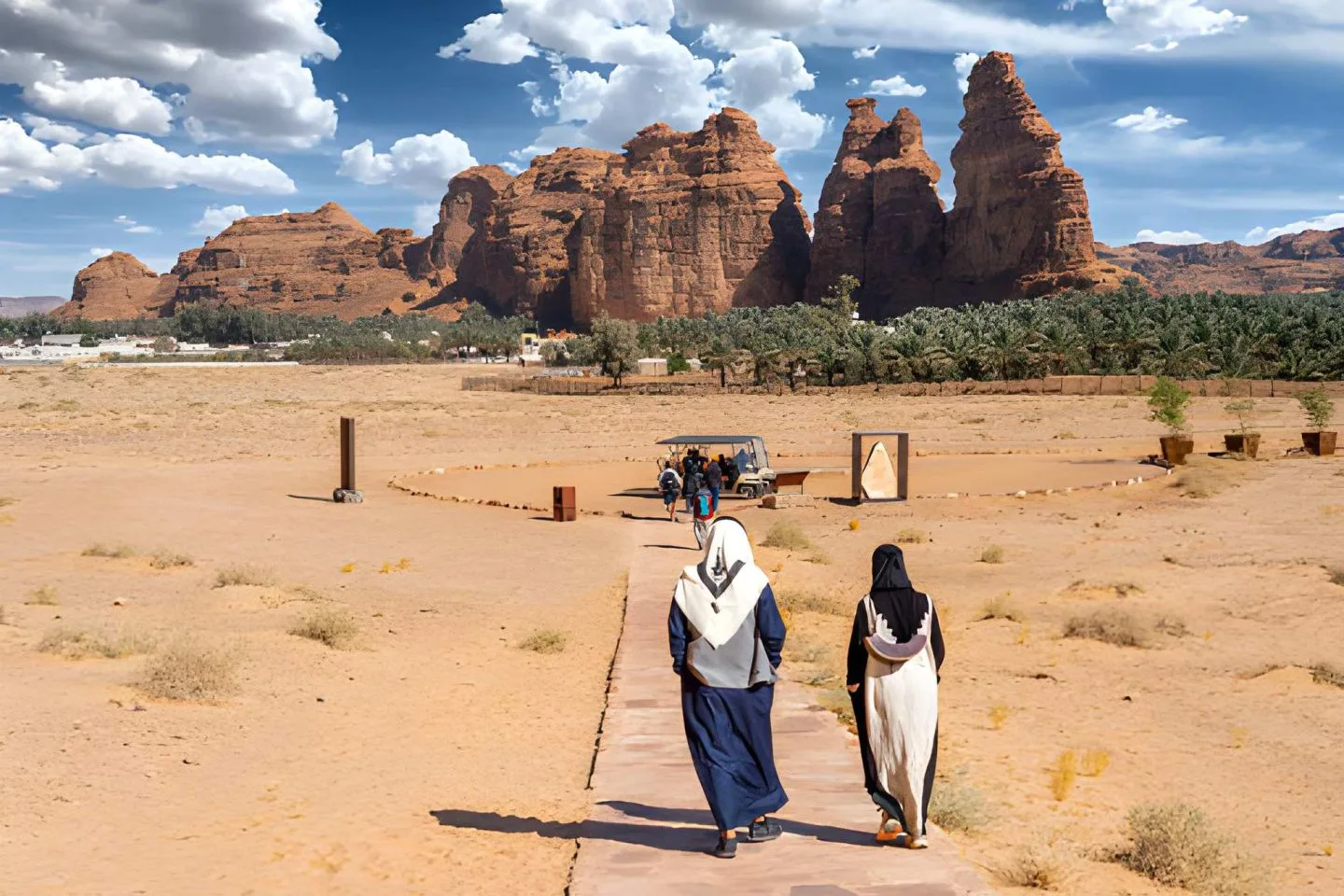
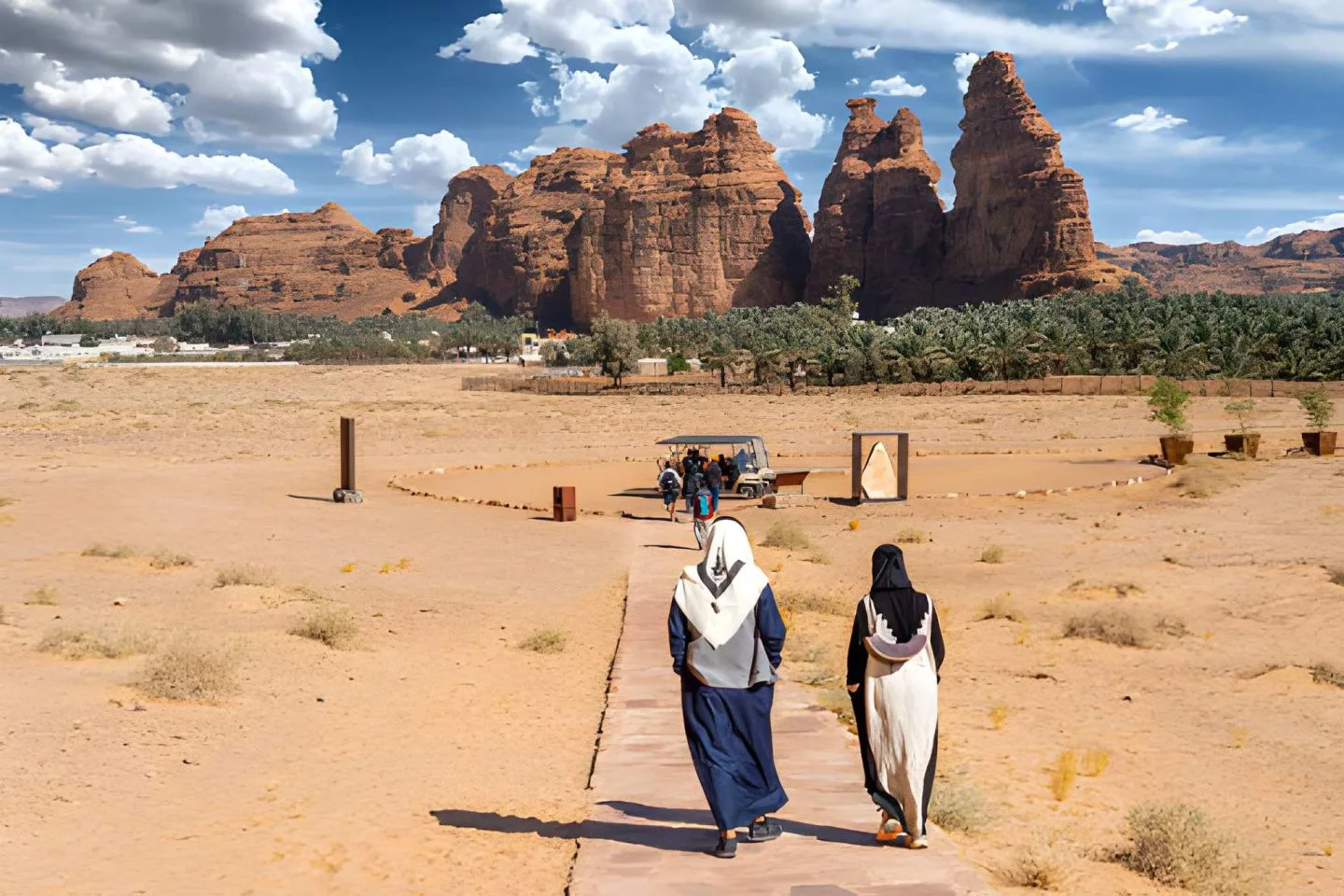
Jabal Ikmah, nestled within the breathtaking landscapes of AlUla in northwestern Saudi Arabia, stands as a timeless testament to the ancient civilizations that once thrived in the Arabian Peninsula. Known as the 'Open-Air Library,' this mountain gorge is adorned with thousands of inscriptions, carvings, and petroglyphs that date back over two millennia. These engravings, etched into the golden sandstone cliffs, offer an extraordinary glimpse into the daily lives, beliefs, and traditions of the Dadanite and Lihyanite kingdoms that flourished in this region long before the rise of Islam. Travelers and history lovers exploring AlUla Day Tours often find Jabal Ikmah to be one of the most awe-inspiring highlights, revealing the linguistic and cultural heritage of Arabia’s early inhabitants.
As you wander through this majestic canyon, you’ll encounter monumental rock panels covered in ancient scripts written in Dadanitic, Thamudic, Minaic, and Nabataean languages. Jabal Ikmah isn’t just a tourist site—it’s a living museum, mirroring the evolution of communication, trade, and spirituality in the ancient world. The timeless artistry carved into the rocks reflects the soul of early Arabian societies, offering a profound connection to humanity’s shared past. For modern visitors embarking on AlUla Tours Packages, Jabal Ikmah provides a rare opportunity to step directly into the pages of pre-Islamic history and witness the legacy of civilizations that laid the foundations of the Arabian identity.
The Historical Significance of Jabal Ikmah in Saudi Arabia
Jabal Ikmah’s historical importance lies in its wealth of inscriptions that serve as an unparalleled archive of early Arabian civilization. The site functioned as both a sanctuary and a repository of tribal decrees, religious dedications, and commercial records. Archaeologists have identified over 500 inscriptions in the Dadanitic script, used by the people of Dadan and Lihyan—two powerful ancient kingdoms that controlled trade routes connecting southern Arabia with the Mediterranean and Mesopotamia. These inscriptions illuminate the political and social hierarchies of the time, highlighting how the region’s prosperity was intricately linked to caravan trade and agriculture. A visit to this site, combined with an excursion to nearby Dadan, allows travelers to explore the heart of Arabia’s pre-Islamic heritage in full context.
Ancient Inscriptions and Languages of Jabal Ikmah
The inscriptions at Jabal Ikmah form one of the richest linguistic galleries in the Arabian Peninsula. They document prayers, dedications, legal rulings, and poetic expressions. The Dadanitic script, deciphered by epigraphists only in recent decades, is central to understanding the cultural evolution of northern Arabia. These carvings also reveal influences from neighboring civilizations, including the Nabataeans, whose architectural presence is famously seen in Madain Saleh (Hegra). Scholars suggest that Jabal Ikmah was both a spiritual retreat and a scribal school, where scribes and priests recorded sacred and civic knowledge meant to endure through centuries of shifting sands and empires.
Jabal Ikmah’s Connection to the Dadanite and Lihyanite Kingdoms
During the height of the Dadanite and Lihyanite civilizations, roughly between the 6th and 2nd centuries BCE, Jabal Ikmah functioned as an extension of the nearby city of Dadan. It was likely a sacred space where rulers, merchants, and pilgrims offered prayers and recorded dedications to their gods. These inscriptions, often accompanied by symbolic carvings of animals, deities, and geometric motifs, reveal the significance of divine protection in the lives of ancient AlUla’s residents. Exploring Jabal Ikmah alongside the Dadanite and Lihyanite Kingdoms archaeological sites offers a complete narrative of AlUla’s role as a cultural and economic hub in ancient Arabia.
Exploring Jabal Ikmah: What Visitors Can Expect
Modern travelers visiting Jabal Ikmah can expect a serene yet awe-inspiring experience. The site is accessible via well-maintained paths that lead deep into the gorge, where towering cliffs are adorned with thousands of inscriptions. The AlUla Royal Commission has meticulously restored access while preserving the natural and archaeological integrity of the area. Visitors can explore interpretive trails that explain the meanings of key inscriptions, giving insight into the daily lives of those who once carved messages into the rocks. As part of broader Saudi Arabia Travel Packages, Jabal Ikmah is often paired with attractions like Maraya Theatre and Elephant Rock, creating a perfect blend of cultural discovery and natural wonder.
Jabal Ikmah’s Role in Modern Saudi Tourism and Cultural Revival
In recent years, Jabal Ikmah has emerged as a key symbol of Saudi Arabia’s Vision 2030 initiative, which aims to promote cultural tourism and heritage preservation. As part of the Royal Commission for AlUla’s efforts, the site has been opened to global travelers seeking meaningful, history-rich experiences. Visitors exploring AlUla Holiday Package itineraries often describe Jabal Ikmah as a spiritual and intellectual awakening—a chance to stand before the silent voices of ancient Arabia and witness the cradle of written communication in the region. The site embodies the new era of sustainable tourism, where heritage protection and visitor engagement coexist harmoniously.
The Surrounding Attractions of AlUla That Complement Jabal Ikmah
While Jabal Ikmah stands as a crown jewel of historical significance, the greater AlUla region offers a wealth of mesmerizing attractions that enhance the visitor’s experience. From the monumental tombs of Al Farid Palace to the ancient dwellings of Old Town AlUla, the area brims with opportunities to immerse in the grandeur of Arabian antiquity. The sweeping landscapes of Harrat Uwayrid and the tranquility of Sharaan Nature Reserve provide a natural contrast to the ancient artistry of Jabal Ikmah, making AlUla a destination that seamlessly combines nature, history, and modern luxury.
Preservation Efforts and UNESCO Aspirations
Saudi Arabia has made remarkable strides in safeguarding Jabal Ikmah for future generations. Conservation experts have employed cutting-edge technologies, including 3D scanning and photogrammetry, to document and protect the fragile rock inscriptions. The goal is to maintain the site’s authenticity while enabling educational tourism. Jabal Ikmah, along with the broader AlUla region, has been recognized as part of the UNESCO Tentative List, underscoring its potential as a World Heritage treasure. As global interest in ancient Arabian culture continues to grow, Jabal Ikmah stands at the forefront of this cultural renaissance, symbolizing both the depth of Saudi heritage and the country’s commitment to preserving it.
Frequently Asked Questions about Jabal Ikmah
What is Jabal Ikmah known for?
Jabal Ikmah is renowned for its thousands of rock inscriptions and carvings dating back to the Dadanite and Lihyanite periods. Often called the 'Open-Air Library,' it represents one of the richest epigraphic sites in the Arabian Peninsula, offering insight into ancient trade, religion, and daily life.
Where is Jabal Ikmah located?
Jabal Ikmah is located in the AlUla region of northwestern Saudi Arabia, near the ancient city of Dadan. It’s approximately 20 kilometers from the center of AlUla, surrounded by sandstone cliffs and desert valleys that were once central to Arabian trade routes.
How can visitors reach Jabal Ikmah?
Visitors can access Jabal Ikmah via organized heritage tours included in various Saudi Arabia Day Tours or private travel packages. The site is best reached from AlUla’s visitor center, with guided tours ensuring safe and informative exploration.
What is the best time to visit Jabal Ikmah?
The ideal time to visit Jabal Ikmah is between October and March when the desert temperatures are mild. This season allows comfortable exploration of the site and nearby attractions, especially for travelers joining AlUla Short Break Winter Season tours.
Why is Jabal Ikmah important to Saudi heritage?
Jabal Ikmah serves as a cornerstone of Saudi Arabia’s cultural identity. Its inscriptions document the linguistic and social development of early Arabian communities, linking the Kingdom’s modern transformation to its ancient roots. The site embodies the essence of Saudi heritage preservation and global cultural storytelling.