
Elephant Rock
Elephant Rock: The Majestic Natural Wonder of AlUla
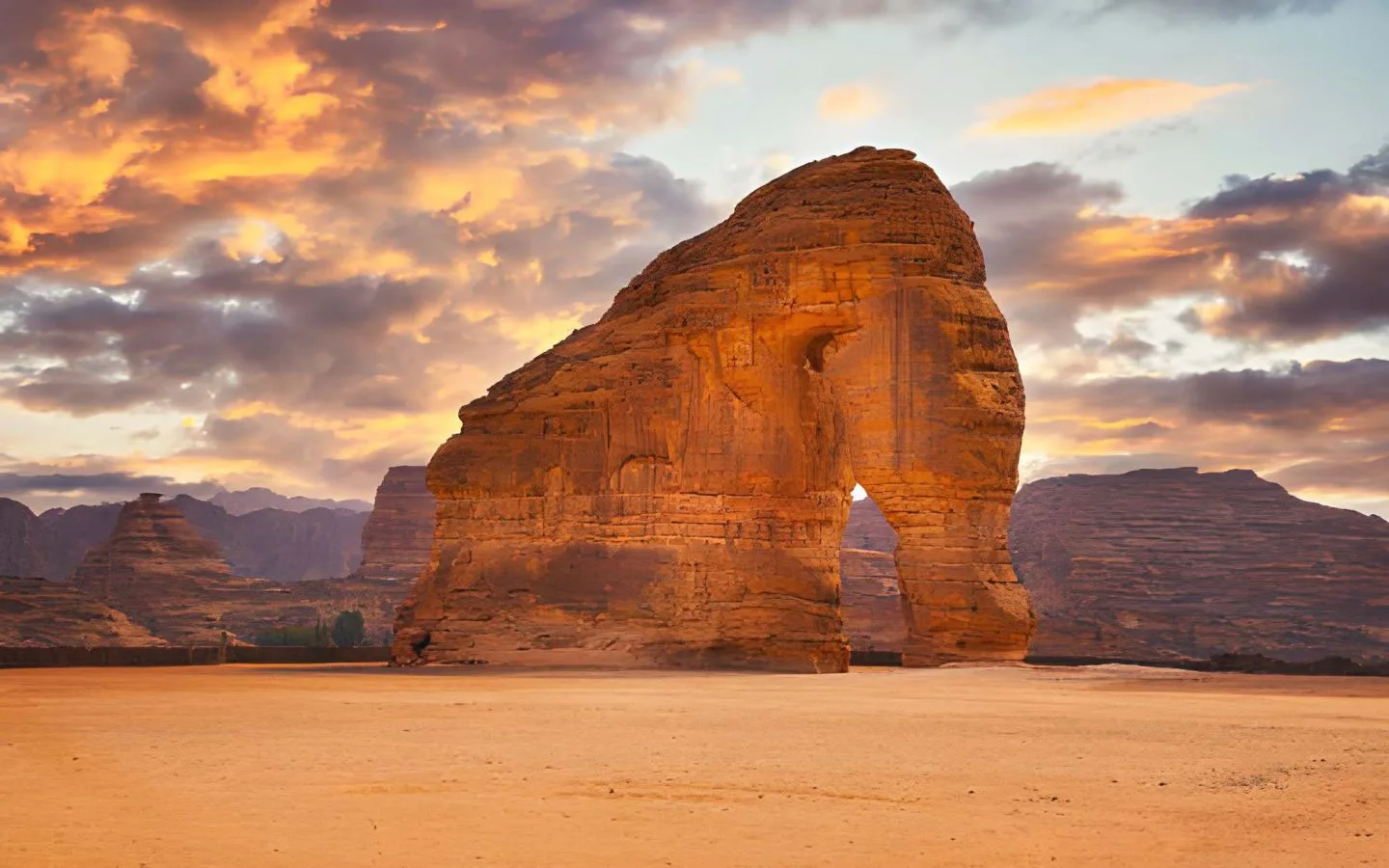
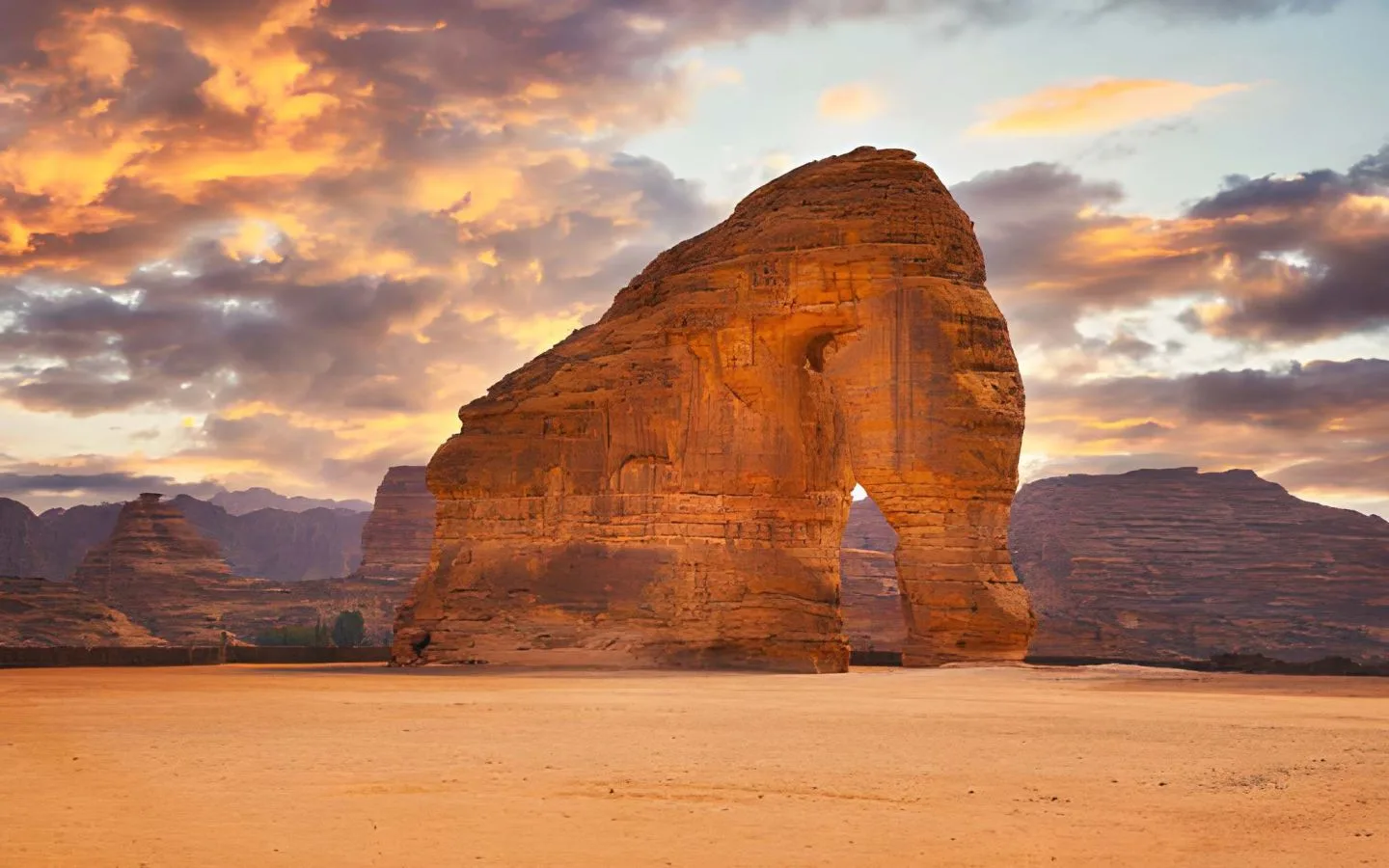
Elephant Rock, locally called Jabal AlFil, stands as one of Saudi Arabia’s most mesmerizing geological formations and an icon of the AlUla region. This monumental sandstone structure, shaped remarkably like an elephant with its trunk touching the desert floor, draws visitors from across the world eager to witness its surreal beauty. Formed by millions of years of wind and water erosion, Elephant Rock symbolizes the raw artistry of nature—unspoiled, dramatic, and utterly captivating.
Located just outside AlUla’s historic center, this natural wonder sits amidst a golden sea of sand and rugged rock formations, making it a favorite for photographers, adventurers, and history enthusiasts. Whether illuminated by the golden hues of sunrise or the fiery glow of sunset, Elephant Rock exudes a charm that leaves a lasting impression. Every contour and curve tells stories of time, patience, and the power of desert elements. As part of the region’s expanding tourism landscape, Elephant Rock has become a must-see landmark for travelers exploring AlUla Tours Packages and other Saudi Arabia Tours.
The Geological Marvel Behind Elephant Rock’s Formation
Elephant Rock’s extraordinary shape wasn’t carved by human hands—it’s a masterpiece sculpted by nature over millions of years. The sandstone structure, standing approximately 52 meters tall, owes its distinct elephant-like appearance to relentless erosion caused by wind and sandstorms. Over time, layers of rock softened and yielded to the natural forces, leaving behind the enchanting silhouette we see today.
Geologists and travelers alike marvel at how the rock’s trunk and body remain perfectly proportioned. This natural artistry demonstrates the steady power of desert weathering in shaping the landscape of AlUla, an area already famed for its ancient wonders like Madain Saleh (Hegra) and Dadan. What makes Elephant Rock even more fascinating is its setting—surrounded by a vast plateau punctuated by countless rock formations, each one with its own unique contours and history.
Elephant Rock’s Location and Accessibility
Situated just 11 kilometers northeast of AlUla’s Old Town, Elephant Rock is easily accessible via well-maintained desert roads. Visitors often combine a trip here with nearby attractions like the Maraya Theatre and Sharaan Nature Reserve. The site includes designated viewing areas, comfortable seating lounges, and refreshment options—ideal for enjoying AlUla’s captivating desert evenings.
From AlUla city center, taxis and organized desert tours provide smooth transfers to the site. Many travelers prefer joining professional experiences offered by Alula Day Tours, ensuring they make the most of their time while learning about the geology, history, and cultural legacy of the region. The best times to visit are during sunrise and sunset when the light transforms the rock into a fiery red monument against the golden sand dunes.
Elephant Rock’s Cultural and Symbolic Importance
Beyond its geological splendor, Elephant Rock carries deep cultural resonance. It stands as a symbol of strength, endurance, and the timeless beauty of the Arabian landscape. Throughout history, the AlUla region served as a crossroads for ancient civilizations, including the Dadanite and Lihyanite kingdoms. The rock’s proximity to these historical sites makes it a bridge between nature and heritage. Local legends often attribute spiritual meaning to its formation, viewing it as a guardian of the valley—a silent witness to centuries of change.
Today, Elephant Rock is a centerpiece in Saudi Arabia’s tourism renaissance, drawing travelers eager to explore the nation’s natural treasures through curated experiences such as the AlUla Holiday Package or the Riyadh AlUla Jeddah Winter Season Package. The rock has even become a favored venue for nighttime stargazing and cultural performances held under its awe-inspiring form.
Best Time to Visit Elephant Rock and What to Expect
The ideal time to visit Elephant Rock is between October and April when the desert temperatures are mild and the skies are crystal clear. Early risers can enjoy the tranquility of dawn, while photographers often favor sunset for the dramatic play of colors on the rock’s surface. During winter, special events, art installations, and open-air cafés enhance the visitor experience, allowing guests to savor coffee or traditional Saudi tea while soaking in the desert’s serenity.
Visitors will find Elephant Rock part of a broader itinerary that might include tours to Old Town AlUla and AlJadidah Arts District. Together, these destinations encapsulate the blend of ancient culture and modern creativity that defines AlUla today.
Experiencing Elephant Rock: Activities and Attractions Nearby
Elephant Rock isn’t just for sightseeing—it’s a hub for outdoor adventure and cultural immersion. Visitors can take part in guided hiking tours, desert photography workshops, or serene camel rides at dusk. The area surrounding the rock has been carefully developed to preserve its natural integrity while offering world-class comfort. Nighttime visitors are treated to artistic light shows that illuminate the rock’s contours, enhancing its dreamlike character under a canopy of stars.
For those with a deeper love of nature, exploring nearby landscapes such as Harrat Uwayrid or the volcanic plateaus of Sharaan expands the adventure. Organized excursions through Saudi Arabia Travel Packages often combine these destinations for a comprehensive experience that unveils AlUla’s geological and cultural diversity.
Photography and Sunset Magic at Elephant Rock
Ask any traveler and they’ll tell you—Elephant Rock is a photographer’s paradise. As the sun dips below the horizon, the rock ignites in shades of amber, crimson, and gold. The contrast between the smooth sand and the textured rock creates perfect compositions. Photographers visiting with the Photography Spots Saudi community often cite Elephant Rock as one of the most photogenic locations in the entire kingdom. Whether using a smartphone or professional gear, it’s impossible not to capture something magical here.
Elephant Rock and Sustainable Tourism Development
AlUla’s growing popularity has been guided by a commitment to sustainable tourism. The Royal Commission for AlUla ensures that development around Elephant Rock respects the environment and local heritage. Eco-friendly lighting, waste management systems, and limited visitor capacities protect the site’s integrity. This sustainability focus aligns with Saudi Arabia’s broader Vision 2030 initiative, which seeks to balance cultural preservation with responsible tourism.
FAQs About Elephant Rock
1. Where is Elephant Rock located?
Elephant Rock is located near AlUla in northwestern Saudi Arabia, roughly 11 kilometers from the Old Town. It’s easily accessible via car or guided tours and forms part of many curated Saudi Arabia Day Tours.
2. What makes Elephant Rock unique?
Its naturally formed elephant-like shape makes it a geological marvel and one of the most photographed landmarks in Saudi Arabia. Unlike man-made monuments, Elephant Rock is an authentic product of natural erosion shaped over millions of years.
3. Can visitors climb Elephant Rock?
Climbing is not permitted to protect the formation, but visitors can walk around its base and explore designated viewing platforms for spectacular photographs and sunset vistas.
4. What’s the best time of year to visit Elephant Rock?
The cooler months, from October to April, offer the most comfortable conditions for sightseeing and photography. During these months, many cultural events and guided experiences also take place near the site.
5. What other attractions can be visited near Elephant Rock?
Nearby attractions include Madain Saleh (Hegra), Maraya Theatre, and Old Town AlUla, making this area a comprehensive destination for history, culture, and natural beauty.
Elephant Rock isn’t merely a geological phenomenon—it’s a symbol of Saudi Arabia’s timeless desert heritage. For travelers seeking raw beauty, cultural depth, and unforgettable memories, this monumental formation in AlUla is nothing short of awe-inspiring.