
Harrat Uwayrid
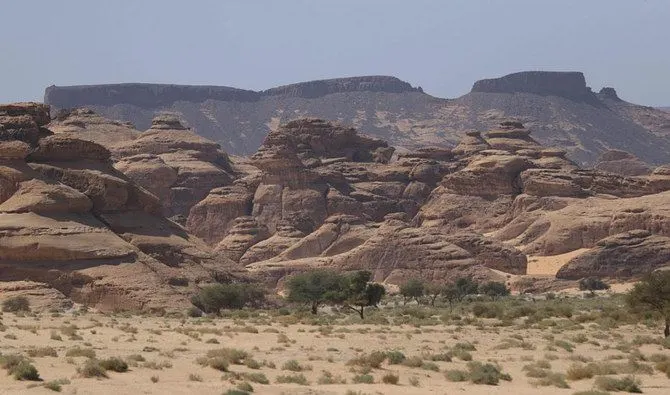
Harrat Uwayrid: Saudi Arabia's Majestic Volcanic Wonder
Harrat Uwayrid, one of Saudi Arabia's most breathtaking volcanic fields, stretches dramatically across the northwestern region near AlUla. This extraordinary landscape reveals a geological masterpiece sculpted by ancient lava flows, rugged mountains, and vast highlands that rise majestically above the Arabian Desert. With its mesmerizing views and rich biodiversity, Harrat Uwayrid is a hidden gem drawing travelers, adventurers, and nature lovers eager to uncover the wild beauty of Saudi Arabia’s volcanic heart.
As an integral part of the Kingdom’s natural heritage, Harrat Uwayrid stands as a beacon for scientific research and eco-tourism. Volcanic plateaus, hardened basalt formations, and fertile valleys merge in a spectacular interplay of nature’s raw power and timeless artistry. The region’s unique ecosystem shelters rare flora and fauna, while panoramic vistas reward those who venture high into its rugged peaks. Adventure seekers visiting through Saudi Arabia Tours often rank Harrat Uwayrid as one of the most awe-inspiring destinations in the Arabian Peninsula.
Beyond its geological marvels, Harrat Uwayrid holds profound cultural and ecological significance. It forms part of the Arabian Shield, a vast geological formation that has shaped the Arabian Peninsula for millions of years. Today, it symbolizes Saudi Arabia’s growing commitment to sustainable tourism, conservation, and heritage preservation. Whether you arrive through an AlUla Travel Package or embark independently, Harrat Uwayrid promises a journey through time, nature, and wonder.
Geological Formation and Volcanic Features of Harrat Uwayrid
Harrat Uwayrid’s origin dates back to millions of years of volcanic activity that shaped the Arabian Peninsula. The term ‘Harrat’ refers to vast lava fields spread across the western side of Saudi Arabia, and Uwayrid is among the most remarkable. Its expansive terrain covers roughly 7,000 square kilometers of solidified basaltic lava, punctuated by deep fissures, ancient craters, and steep escarpments. Travelers exploring through Alula Day Tours can witness firsthand the remnants of fiery eruptions that once dominated this terrain.
This volcanic plateau is part of the larger Harrat system that extends from the northwestern tip of Saudi Arabia toward the Red Sea. Seismic forces beneath the Arabian Plate created this stunning landscape, leaving behind black lava fields that contrast beautifully with golden desert sands below. From high vantage points, visitors can gaze upon ancient lava domes and valleys carved by molten rivers—each telling a story of immense geological transformation.
Biodiversity and Ecosystem of Harrat Uwayrid
Despite its seemingly harsh volcanic exterior, Harrat Uwayrid supports a surprisingly rich ecosystem. The region’s microclimates nurture a diversity of plant life, from hardy shrubs to seasonal wildflowers that bloom after rare desert rains. Birdwatchers and wildlife photographers often frequent the area to spot Arabian gazelles, foxes, and migratory birds that find refuge within the volcanic crevices.
Harrat Uwayrid is also recognized as part of a UNESCO biosphere reserve, underscoring its global ecological value. Conservation efforts aim to protect this fragile environment while promoting low-impact tourism. Visitors arriving on Saudi Arabia Travel Packages increasingly choose eco-friendly experiences here—trekking trails, guided geology tours, and birdwatching adventures that highlight the delicate balance between preservation and exploration.
Panoramic Views and Adventure Tourism in Harrat Uwayrid
A trip to Harrat Uwayrid isn’t complete without climbing to its panoramic viewpoints. From these high ridges, the desert below stretches endlessly, dotted with ancient sandstone formations like those seen at Elephant Rock and Madain Saleh (Hegra). The sunset spectacle is a photographer’s dream—lava-black ridges glowing amber as the sun dips behind the horizon. Adventure travelers can hike, camp, or stargaze under pristine skies free from light pollution.
For thrill-seekers, the region presents opportunities for off-road exploration, mountain biking, and hiking through volcanic craters. Many visitors pair their Harrat Uwayrid adventure with excursions to Sharaan Nature Reserve, further deepening their connection to AlUla’s natural wonders. The stunning combination of geology, history, and adventure makes this region one of Saudi Arabia’s top travel destinations.
Cultural and Historical Significance Around Harrat Uwayrid
The lands surrounding Harrat Uwayrid have seen millennia of human history, from ancient civilizations to Bedouin tribes who traversed these highlands. Archaeological sites near Dadan and Jabal Ikmah reveal inscriptions, rock art, and trade routes that linked Arabia to the wider ancient world. These landmarks collectively paint a vivid picture of life in the Arabian deserts long before modern civilization.
Today, visitors can explore nearby historical locations as part of curated itineraries offered through Medina Excursions or combined journeys like the Jeddah Madinah AlUla Riyadh 8 Days Tour. These packages blend geological exploration with cultural immersion, giving travelers a holistic perspective of Saudi Arabia’s evolving narrative.
Best Time to Visit Harrat Uwayrid
Timing your visit is essential to fully enjoy Harrat Uwayrid’s splendor. The best months to explore are between October and March when temperatures are cooler and skies are clear. During this period, the contrast between the dark basaltic terrain and the crisp blue atmosphere is striking. Visitors planning their trip might consult guides on the Best Time to Visit Saudi Arabia for seasonal insights.
Evenings at Harrat Uwayrid are magical—ideal for stargazing and astrophotography. With virtually zero light interference, the Milky Way stretches vividly across the desert sky. These unforgettable nights showcase why this remote volcanic plateau is considered a prime site for nature-based tourism in Saudi Arabia.
How to Reach Harrat Uwayrid
Harrat Uwayrid is accessible through AlUla, which has a modern airport connecting major Saudi cities. Visitors often arrive via AlUla International Airport. From there, local guides and 4x4 tours take travelers deep into the volcanic highlands. Those embarking on a longer Saudi Tour Package from Riyadh can include Harrat Uwayrid as a highlight stop, ensuring a seamless journey through Saudi Arabia’s most fascinating natural sites.
For independent explorers, proper preparation is key. The terrain can be challenging, with limited amenities, so traveling with experienced local operators ensures safety and access to the best viewpoints and hidden geological treasures.
FAQs About Harrat Uwayrid
What is Harrat Uwayrid known for?
Harrat Uwayrid is renowned for its vast volcanic landscape composed of ancient basaltic lava flows, craters, and rugged cliffs. It’s also famous for its panoramic views over AlUla and its role as part of a protected biosphere reserve supporting diverse wildlife.
Where is Harrat Uwayrid located?
Harrat Uwayrid is situated in northwestern Saudi Arabia, near the historic city of AlUla. It spans a large area within the Arabian Shield, forming one of the Kingdom’s most prominent volcanic fields.
Can visitors hike or camp in Harrat Uwayrid?
Yes, visitors can hike, camp, and explore Harrat Uwayrid, but they should do so with guidance from authorized tour operators. The area’s rugged terrain and remote location make guided experiences the safest and most informative option.
What wildlife can be seen in Harrat Uwayrid?
The volcanic plateau is home to Arabian gazelles, desert foxes, and several bird species. Seasonal vegetation supports a surprising variety of flora, especially after rainfall, making the area a haven for nature photographers and researchers.
How can I include Harrat Uwayrid in my travel itinerary?
Travelers can book customized Saudi Arabia Day Tours or longer vacation packages that include Harrat Uwayrid as part of an AlUla-focused journey. Such itineraries often combine natural attractions, archaeological sites, and cultural experiences for an unforgettable Saudi adventure.