
Floating Mosque
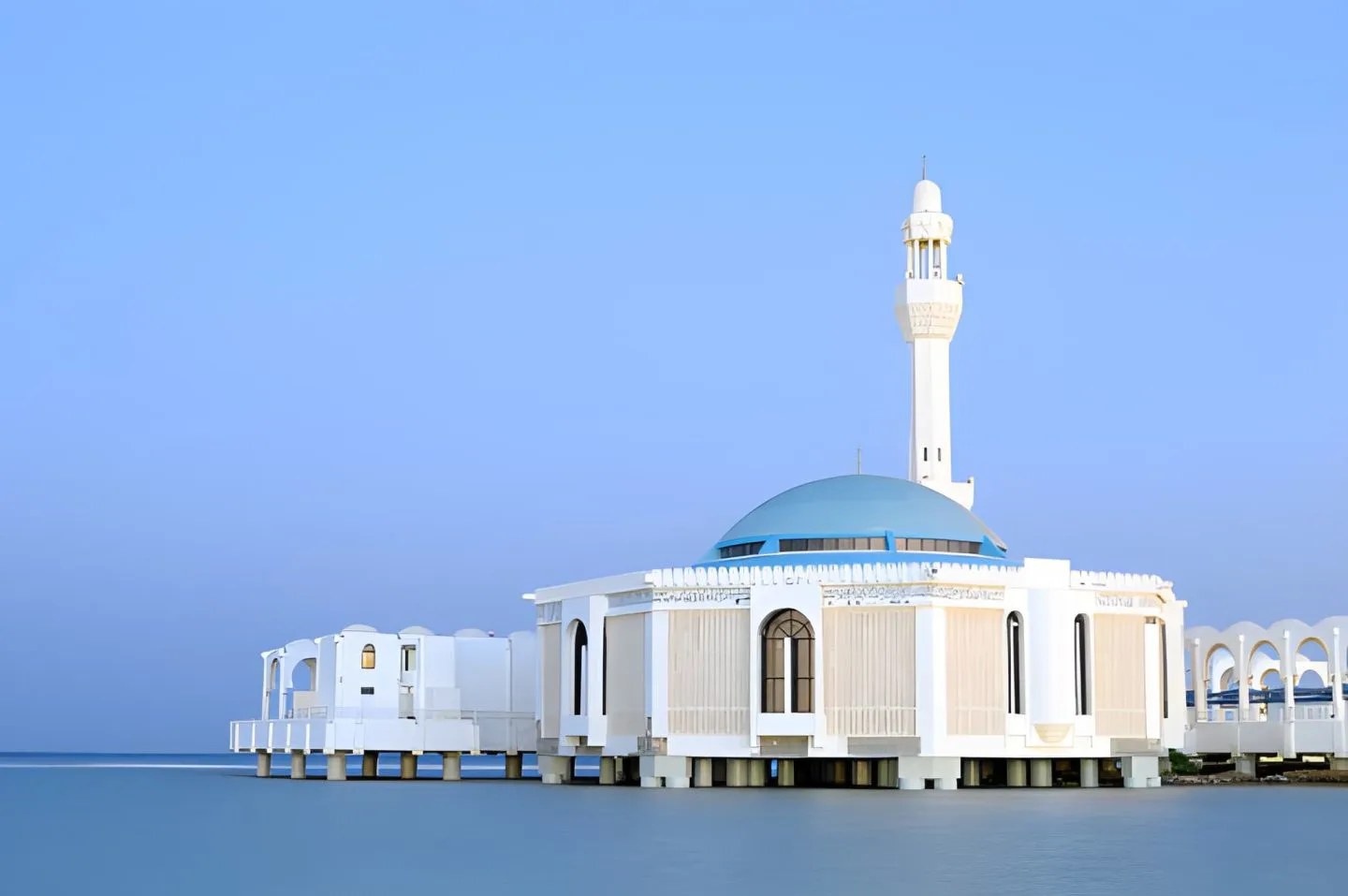
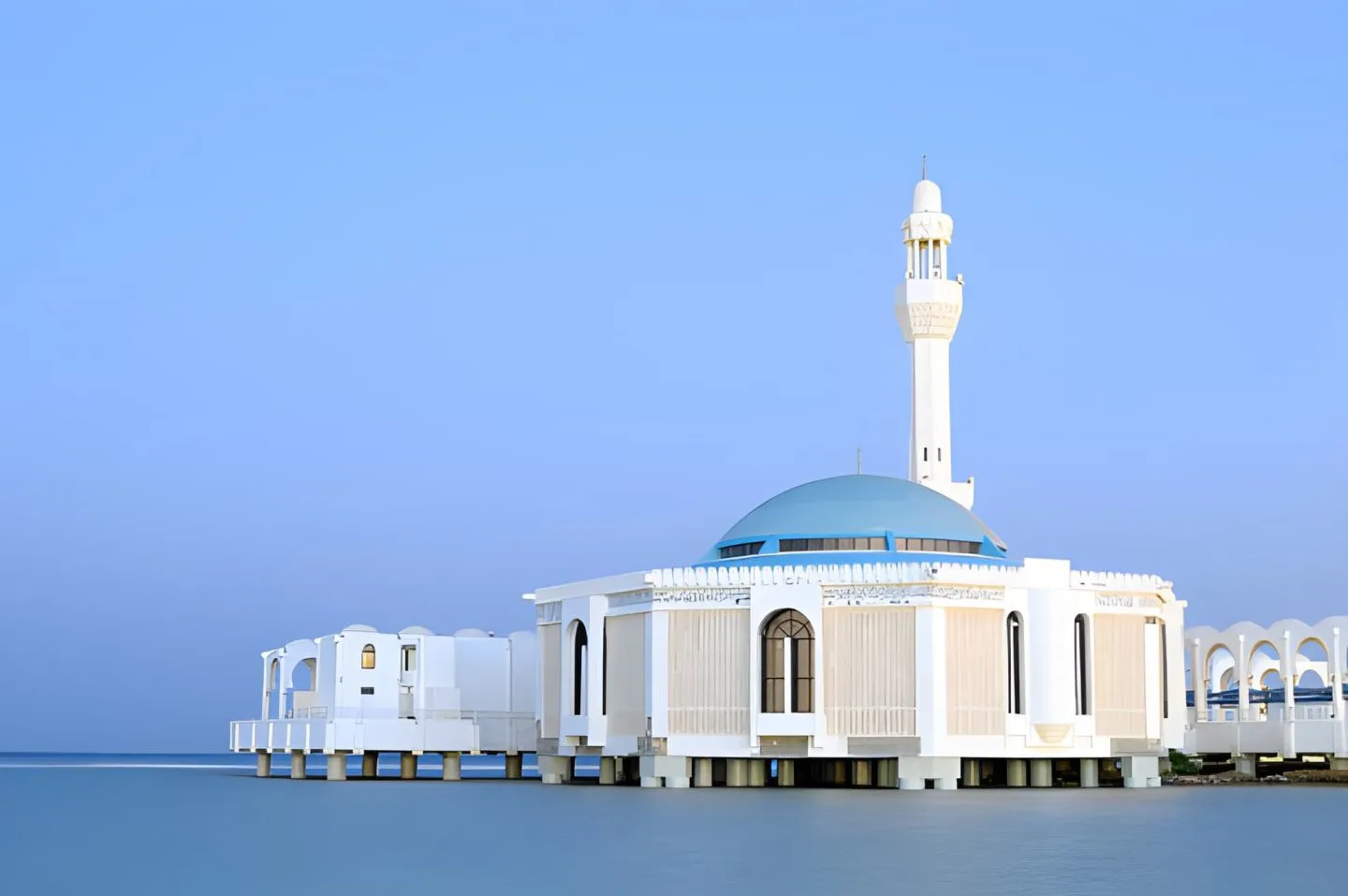
The Floating Mosque in Jeddah, also known as Al Rahma Mosque, stands as one of Saudi Arabia’s most photographed and spiritually captivating landmarks. Gracefully built on stilts over the turquoise waters of the Red Sea, this architectural gem gives the illusion of floating during high tide, offering visitors a truly mesmerizing experience.
It blends Islamic tradition with modern design, reflecting the city’s unique identity as a cultural and spiritual hub on the western coast of the Kingdom. Every day, thousands of travelers, pilgrims, and photography enthusiasts flock here to witness the mosque’s serene beauty, especially at dawn and dusk when the sunlight dances on the waves.
Located along the northern end of the Jeddah Corniche, the Floating Mosque is not only a place of worship but also a symbol of unity and peace. It offers a tranquil atmosphere for prayer and reflection, making it a must-visit destination for anyone exploring Jeddah.
This site embodies modern Islamic architecture infused with Saudi Arabian artistry, making it one of the most recognizable religious structures in the Middle East. For travelers looking to include this site in their itinerary, numerous Saudi Arabia Travel Packages feature guided tours to the mosque, ensuring visitors experience its full spiritual and cultural essence.
Architectural Brilliance of the Floating Mosque
The Floating Mosque’s innovative design seamlessly integrates faith, engineering, and beauty. Constructed over the Red Sea using reinforced concrete pillars, its base rests on the water, giving it the floating illusion that has inspired countless visitors.
The mosque’s pristine white façade glistens under the sun, while its turquoise dome mirrors the surrounding sea. Inside, calligraphic inscriptions, intricate chandeliers, and marble floors reflect a perfect blend of tradition and modernity.
Designed to withstand coastal weather, the structure incorporates advanced engineering techniques that protect it from saline corrosion and tidal impact. The dome’s shape symbolizes spiritual elevation, while the open courtyard invites gentle sea breezes that cool the prayer area naturally.
Its prayer hall can accommodate hundreds of worshippers, particularly during the holy month of Ramadan when the mosque becomes a focal point of devotion and community gathering. The architectural harmony of the Floating Mosque echoes the same spiritual beauty found in the Quba Mosque in Madinah and the majestic Sheikh Zayed Grand Mosque in Abu Dhabi, both renowned for their grandeur and reverence.
Symbolism and Spiritual Significance
The Floating Mosque isn’t merely an architectural marvel—it’s a profound representation of faith and harmony between nature and spirituality. Positioned over the sea, it reminds worshippers of the vastness of creation and the omnipresence of the divine.
As waves gently lap beneath the structure, they create a calming rhythm that deepens the meditative atmosphere. The mosque’s positioning toward the Red Sea also symbolizes purity and renewal, key themes in Islamic philosophy.
For many, praying here feels like being suspended between heaven and earth. The mosque’s quiet ambiance, with the faint murmur of the sea, draws believers closer to contemplation. Pilgrims traveling to or from Makkah often stop here for reflection, appreciating its tranquil energy before continuing their journey.
The mosque’s spiritual role extends beyond prayer—it’s a gathering space that fosters unity among diverse cultures visiting Jeddah from across the globe.
Location and Access
Situated near Jeddah’s northern waterfront, the Floating Mosque is easily accessible from major city landmarks, including Jeddah International Airport, which is just a short drive away. Visitors can reach it by car, taxi, or through organized sightseeing tours.
Ample parking and pedestrian pathways make it convenient for families and groups. The mosque’s proximity to the King Fahd’s Fountain and Al-Balad Saudi Arabia heritage district allows tourists to explore multiple attractions in one day.
Visitors are encouraged to dress modestly and respect prayer times, as this is an active place of worship. Tourists can stroll along the Corniche promenade after their visit, enjoying spectacular Red Sea views and local street food.
Many travel enthusiasts combine their visit with a stop at the nearby Tayebat Museum, which provides deeper insight into Islamic art and Saudi heritage.
Best Time to Visit the Floating Mosque
The Floating Mosque shines most vividly at sunrise and sunset when golden hues reflect off the sea, creating picture-perfect moments. Early mornings offer peaceful solitude for prayer and photography, while evenings deliver a romantic ambiance ideal for contemplation.
The cooler winter months between November and February are particularly pleasant for visiting Jeddah’s waterfront attractions. Travelers planning a complete coastal experience should also explore nearby landmarks such as the Jeddah Open Museum, where modern sculptures complement the city’s artistic flair.
Photography and Scenic Views
The Floating Mosque is a haven for photographers. Its pristine white exterior contrasts beautifully with the endless blue horizon, making it a top subject for travel photography. Whether capturing the golden glow of dawn or the tranquil reflections at dusk, the mosque’s beauty is timeless.
Visitors interested in photographing Saudi architecture should also check out the Modern Architecture Saudi scene, which includes numerous futuristic structures redefining the Kingdom’s skyline. For social media enthusiasts, the mosque ranks among the top Instagram Spots Saudi thanks to its iconic aesthetic appeal.
Visitor Experience and Facilities
The mosque’s facilities are designed with hospitality in mind. Separate prayer areas for men and women, clean ablution spaces, and wheelchair accessibility ensure comfort for all. Outside, shaded seating areas and information boards guide visitors through the mosque’s history.
The surrounding promenade features cafes and souvenir stalls selling Islamic art, prayer beads, and locally crafted mementos. Evenings come alive as gentle sea breezes make it a popular spot for families and couples to unwind after sunset prayers.
Cultural and Religious Context
The Floating Mosque serves as a bridge between faith and tourism in Saudi Arabia’s growing travel landscape. It epitomizes the Kingdom’s vision of embracing global visitors while preserving Islamic heritage.
Its design parallels the elegance of religious landmarks worldwide, yet its setting on the Red Sea makes it uniquely Saudi. The atmosphere here embodies the same cultural pride found in Jeddah’s historic architecture and the newly restored districts promoted in Historic Mosques Saudi initiatives.
As Saudi Arabia opens its doors to international travelers, sites like the Floating Mosque symbolize both its past devotion and future ambition.
Tips for Travelers Visiting the Floating Mosque
- Visitors should remove their shoes before entering and maintain respectful silence inside.
- Modest attire is required—women should wear abayas, and men should avoid shorts. Photography is permitted outside, but should avoid disrupting worshippers.
- Arriving right before Maghrib prayer allows guests to experience the call to prayer echoing across the sea, a truly unforgettable moment.
- For those exploring more of Jeddah, guided Saudi Arabia Tours often include evening visits to the mosque, ensuring travelers capture its most breathtaking views.
Why the Floating Mosque is a Must-See Attraction
Beyond its spiritual allure, the Floating Mosque represents Jeddah’s harmonious blend of tradition and modernity. It’s an architectural statement, a spiritual sanctuary, and a symbol of the city’s deep-rooted connection with the sea.
Whether you’re a pilgrim en route to Makkah or a tourist exploring Saudi Arabia’s west coast, this mosque offers an experience that touches the soul. It’s more than a landmark—it’s a testament to human creativity inspired by divine grace.
Visiting the Floating Mosque provides a glimpse into the Saudi Arabian way of life, emphasizing respect, peace, and hospitality. It captures the spirit of the Kingdom’s transformation while honoring its sacred identity.
Combined with Jeddah’s art scene, cultural heritage, and coastal charm, it’s no wonder this destination continues to captivate travelers from around the globe.
Frequently Asked Questions About the Floating Mosque
Where is the Floating Mosque located?
The Floating Mosque is located on the northern edge of the Jeddah Corniche, overlooking the Red Sea. It’s easily accessible from Jeddah city center and about 15 minutes from Jeddah International Airport, making it convenient for both tourists and residents.
Why is it called the Floating Mosque?
The mosque appears to float on water because it’s built on pillars above the Red Sea. During high tide, the waves rise around its base, creating an illusion that the entire structure is floating. This unique design element has earned it global recognition.
Can non-Muslims visit the Floating Mosque?
Yes, non-Muslim visitors are welcome to admire the mosque’s exterior and surrounding area. However, entry to the main prayer hall is usually reserved for Muslim worshippers. Visitors should dress modestly and observe respectful behavior throughout their visit.
What’s the best time to visit the Floating Mosque?
The ideal time to visit is during sunrise or sunset when the lighting enhances the mosque’s beauty and reflections on the sea. Early mornings are quieter and perfect for photography, while evenings provide a more social ambiance with families gathering nearby.
What other attractions are near the Floating Mosque?
Nearby attractions include the King Fahd’s Fountain, Jeddah Corniche, Al-Balad heritage district, and Tayebat Museum. Travelers can also enjoy exploring local art spaces and dining options along the waterfront, making the area a complete cultural experience.