
Tayebat Museum
Tayebat Museum: A Journey Through Jeddah’s Rich Cultural Heritage
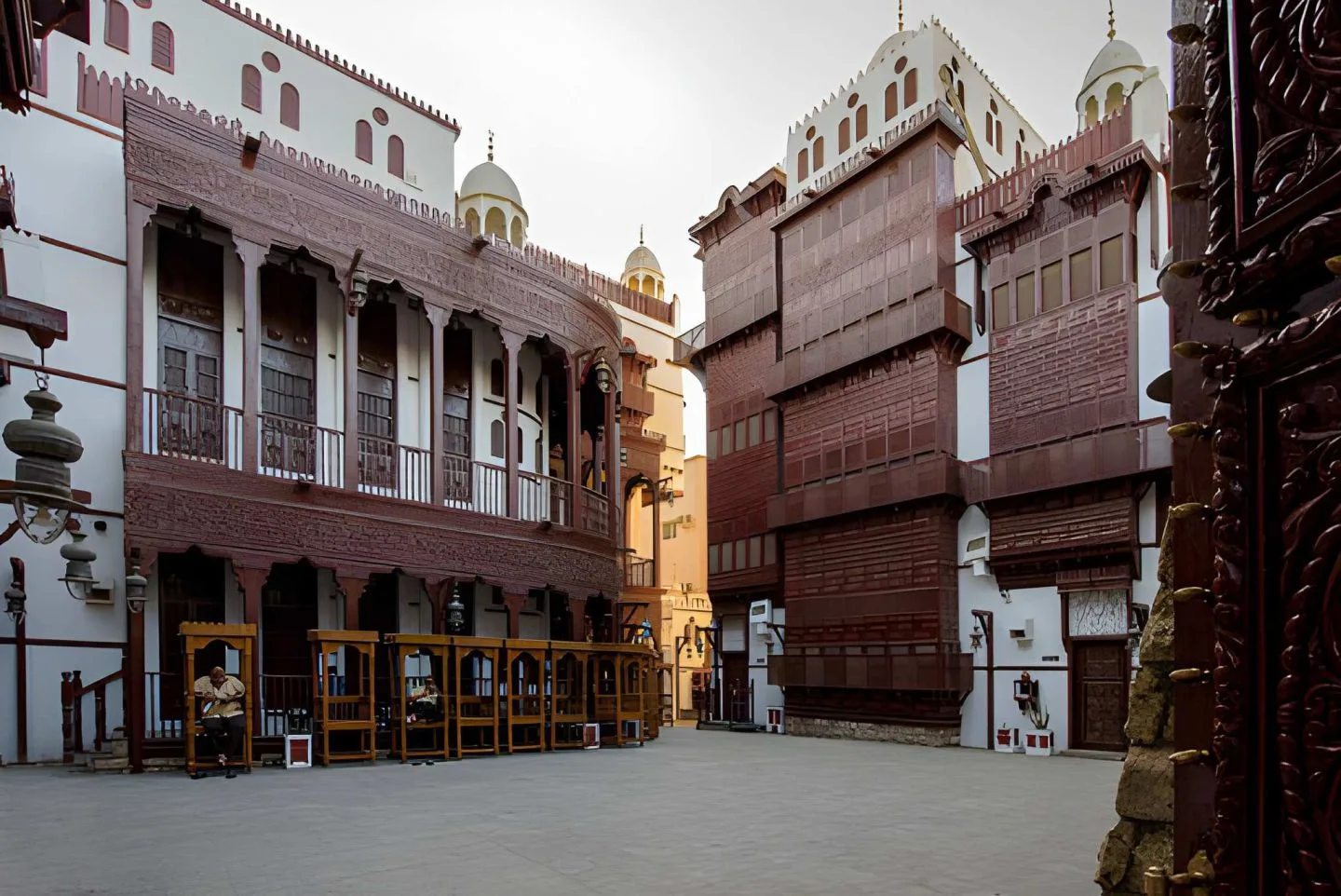
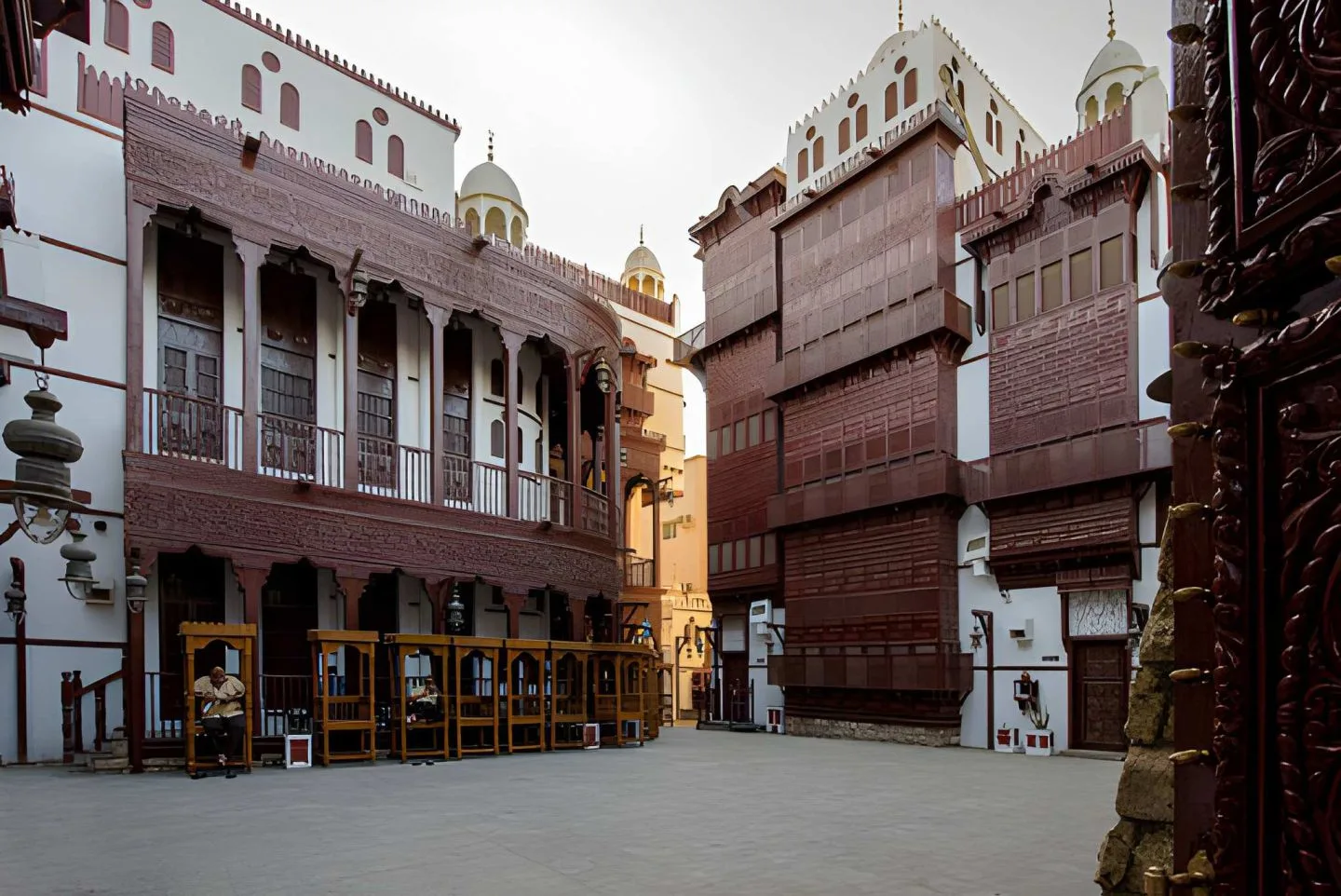
Nestled in the heart of Jeddah’s Al Faisaliyah district, the Tayebat Museum stands as one of the most remarkable cultural landmarks in Saudi Arabia. This magnificent museum, often called the ‘Tayebat City of Science and Knowledge,’ offers a breathtaking journey through the Kingdom’s history, art, architecture, and traditions. With its extensive collection of artifacts, manuscripts, and archaeological treasures, the Tayebat Museum vividly reflects the evolution of Jeddah and the Arabian Peninsula. Designed to resemble ancient Hijazi architecture adorned with coral stones, wooden latticed windows, and ornate carvings, the museum itself is a living example of traditional Jeddawi craftsmanship. Visitors stepping inside are instantly transported through centuries of Saudi heritage, from pre-Islamic civilizations to the modern era of prosperity.
For travelers exploring the Red Sea coast, Tayebat Museum is a must-visit destination. It perfectly complements other iconic sites like Al-Balad Saudi Arabia and the majestic King Fahd’s Fountain. Discovering Tayebat Museum is more than a sightseeing experience—it’s an immersion into the soul of Saudi Arabia, where ancient traditions meet modern identity. Whether you’re on a short stopover or an extended cultural tour, this museum enriches your understanding of the Kingdom’s vibrant past and dynamic present. It’s no wonder Tayebat Museum ranks among the top attractions featured in specialized Jeddah Day Tours & Excursions.
The Architectural Marvel of Tayebat Museum
The Tayebat Museum’s architecture is a captivating homage to old Jeddah’s unique urban aesthetics. The structure spans more than 10,000 square meters, featuring multiple interconnected buildings that replicate traditional Hijazi houses. Intricate details such as rawashin (wooden latticework), coral stone facades, and decorative mashrabiyas highlight the skill of local artisans. Walking through its corridors feels like navigating a historic district—each courtyard, staircase, and window tells a story. The design pays tribute not only to Jeddah’s heritage but to Islamic architecture as a whole, blending influences from Makkah, Medina, and Yemeni traditions. The overall ambiance mirrors the charm of Nasif House, another gem from Jeddah’s architectural legacy.
Exhibitions That Chronicle Saudi Arabia’s Evolution
Inside Tayebat Museum, visitors encounter more than 300 rooms displaying artifacts that span thousands of years. The exhibits are organized into thematic sections covering pre-Islamic archaeology, Islamic history, regional costumes, manuscripts, coins, and maps. One room might showcase ancient pottery from the Arabian Desert, while another features Qur’anic calligraphy masterpieces. There’s even a section highlighting the cultural diversity of Saudi tribes and the traditions of the Red Sea coast. For history enthusiasts, this museum is a treasure chest brimming with knowledge. Many travelers include it in broader Jeddah Tour Packages to gain deeper insight into the Kingdom’s cultural fabric.
Highlights and Hidden Gems Within the Museum
Among Tayebat Museum’s highlights are its lifelike dioramas depicting old Jeddah markets and daily life scenes, giving visitors a vivid sense of how the community once thrived. Traditional Hijazi wedding attire, Bedouin jewelry, and antique household tools add layers of authenticity to the experience. The museum also boasts a fascinating section dedicated to Islamic architecture, featuring miniature models of mosques from around the world—including replicas of the Holy Mosques in Makkah and Medina. The setting evokes the same sense of reverence felt when visiting landmarks like Makkah Spiritual Tour or Medina Tour.
Educational and Cultural Significance
Tayebat Museum isn’t just a tourist attraction—it’s an educational hub. Scholars, students, and cultural enthusiasts from across the globe flock here to study its detailed displays and curated archives. The museum regularly hosts educational programs, heritage workshops, and cultural events. It provides a panoramic view of Jeddah’s transformation from a small port city to a cosmopolitan gateway of Saudi Arabia. Such immersive learning experiences align perfectly with comprehensive Saudi Arabia Travel Packages, designed for those eager to explore both the Kingdom’s modern innovations and its deep-rooted traditions.
The Tayebat Museum Experience for Visitors
Visiting Tayebat Museum is an unforgettable experience for families, solo travelers, and history buffs alike. As you wander through its labyrinth of galleries, you’ll uncover artifacts that date back to ancient Arabia, textiles embroidered with gold, and manuscripts that trace Islamic scholarship’s golden age. The museum’s guides are well-versed in history, offering fascinating anecdotes and interpretations that bring each display to life. For those continuing their journey beyond Jeddah, Tayebat serves as the perfect prelude to exploring destinations like Alula Day Tours or the UNESCO-listed Madain Saleh (Hegra).
How to Reach Tayebat Museum and Best Visiting Tips
Located in Jeddah’s upscale Al Faisaliyah district, Tayebat Museum is easily accessible by car or taxi. It’s around 15 minutes from Jeddah International Airport and close to several major hotels. The museum operates throughout the week, though timings may vary during Ramadan or national holidays. Visitors are encouraged to wear modest attire, in line with Saudi customs. Photography is usually permitted in most areas, but it’s best to confirm specific rules at the entrance. To make the most of your visit, combine a guided tour of the museum with nearby attractions like the Floating Mosque or the scenic Jeddah Corniche.
Why Tayebat Museum Deserves a Spot on Every Saudi Arabia Itinerary
Every inch of the Tayebat Museum testifies to Saudi Arabia’s dedication to preserving its heritage while embracing modernization. It captures the essence of what makes Jeddah the cultural heart of the Kingdom—a city that bridges the ancient and the contemporary. For those planning to embark on immersive Saudi Arabia Day Tours or extended cultural experiences such as the Jeddah Madinah AlUla Riyadh 8 Days Tour, Tayebat Museum stands out as an essential stop. It offers travelers not just knowledge but inspiration—an understanding of how history, art, and faith have shaped Saudi identity through the ages.
Frequently Asked Questions about Tayebat Museum
What is the Tayebat Museum known for?
The Tayebat Museum is renowned for its immense collection of artifacts and exhibits showcasing Saudi Arabia’s cultural, historical, and architectural evolution. It’s one of Jeddah’s most significant heritage institutions, featuring over 300 rooms filled with art, manuscripts, and archaeological relics.
Where is the Tayebat Museum located?
The museum is situated in the Al Faisaliyah district of Jeddah, Saudi Arabia. Its central location makes it easily accessible from key city landmarks, including the Corniche, Old Jeddah, and the international airport.
What are the opening hours of Tayebat Museum?
Tayebat Museum typically opens from morning until evening, though timings may vary during weekends, holidays, and Ramadan. It’s advisable to check with local guides or official tourism offices before planning your visit.
Is photography allowed inside Tayebat Museum?
Yes, photography is generally allowed, but certain sections may restrict flash or professional cameras. Always ask permission from the staff before taking photos to ensure compliance with museum policies.
Why should tourists add Tayebat Museum to their Jeddah itinerary?
Because it offers an unparalleled glimpse into Saudi Arabia’s heritage, Tayebat Museum enriches every visitor’s understanding of the Kingdom’s identity. Its exhibits, architecture, and immersive storytelling make it a cornerstone of cultural tourism in Jeddah, perfect for anyone exploring through curated Best Tour Package in Saudi Arabia.