Modern Architecture Saudi
Modern Architecture Saudi: A Bold Fusion of Vision, Culture, and Innovation
Modern architecture in Saudi Arabia is redefining the skyline with striking designs, advanced technologies, and a deep respect for heritage. As the Kingdom transforms under Vision 2030, cities like Riyadh, Jeddah, and AlUla are becoming global showcases of architectural ingenuity. These urban marvels blend futuristic aesthetics with the traditions of Islamic art and desert-inspired design. Every project—from sleek skyscrapers to eco-conscious resorts—mirrors Saudi Arabia’s ambition to create spaces that inspire, connect, and endure. With sustainability, cultural storytelling, and digital innovation at its core, modern architecture in Saudi Arabia stands as a testament to a nation confidently shaping its future. The fusion of local identity with global trends is evident in landmarks such as the Kingdom Tower and the reflective brilliance of Maraya Theatre in AlUla. These architectural masterpieces have turned Saudi Arabia into a living gallery of urban evolution, where old-world charm meets avant-garde design. The journey of modern architecture in Saudi Arabia is not just about buildings—it’s about a nation designing its legacy in steel, glass, and sand.
The Transformation of the Saudi Skyline
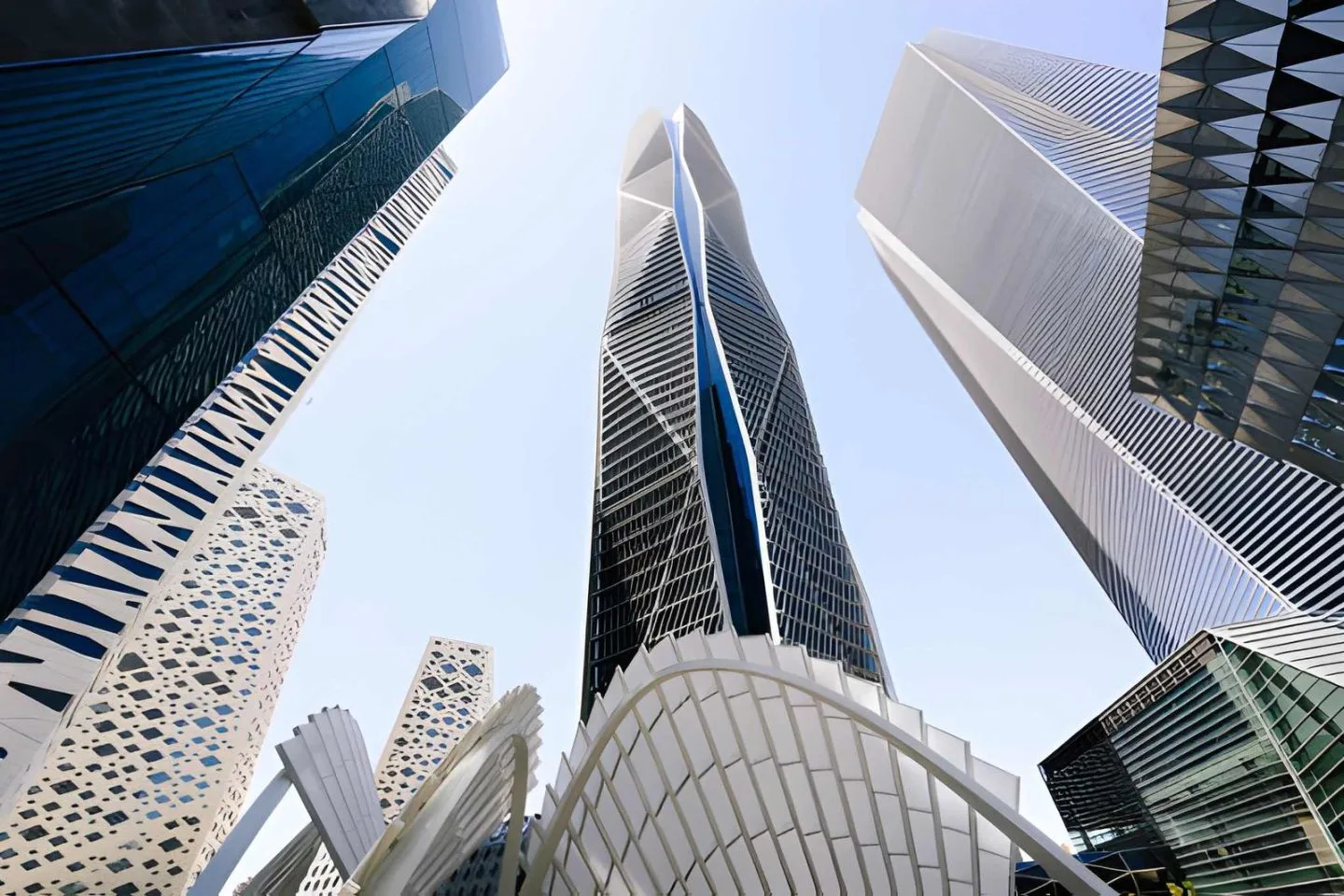
Modern architecture in Saudi Arabia began as a quiet evolution but has rapidly become a revolution. Vision 2030 has propelled architectural creativity into overdrive, encouraging world-class collaborations that challenge traditional urban design. Riyadh’s King Abdullah Financial District exemplifies how futuristic forms coexist with cultural nuance. Its geometric façades pay homage to Islamic patterns while utilizing cutting-edge sustainable materials. Meanwhile, Jeddah’s waterfront developments like Jeddah Corniche and the towering King Fahd’s Fountain redefine seaside architecture with elegance and functionality. Across the Red Sea coast, futuristic mega-projects such as NEOM, The Line, and Qiddiya are not just city plans—they’re blueprints for tomorrow’s living. The Saudi skyline is now an architectural dialogue between past and future, where heritage breathes through innovation.
Vision 2030 and the Rise of Architectural Excellence
Saudi Arabia’s Vision 2030 is the driving force behind its architectural surge. This national blueprint emphasizes economic diversification, tourism, and sustainability, all of which directly influence modern design. Projects like Diriyah are being revitalized into cultural and architectural icons, blending mudbrick heritage with modern minimalism. Similarly, Riyadh’s King Fahad Library transforms traditional motifs into contemporary architectural language, featuring intricate mashrabiya-inspired structures that filter light naturally. Each development, whether in urban hubs or desert oases, echoes the Vision 2030 promise—to balance progress, sustainability, and cultural identity in perfect harmony.
Landmarks Defining Modern Saudi Architecture
Saudi Arabia’s modern landmarks are awe-inspiring symbols of transformation. The Maraya Theatre in AlUla, cloaked entirely in mirrors, reflects the surrounding desert, creating an illusion of seamless integration with nature. In contrast, Riyadh’s Sky Bridge at Kingdom Tower offers panoramic views of a city that’s constantly redefining its urban identity. The Boulevard City entertainment district fuses architecture, art, and experience-driven design, turning Riyadh into a global cultural hotspot. Each structure not only serves a functional purpose but tells a story—a narrative of Saudi resilience, creativity, and vision.
Sustainable Design and Green Innovation
Environmental consciousness lies at the heart of modern architecture in Saudi Arabia. The nation’s architects and planners are integrating green technologies to combat harsh desert climates and reduce carbon footprints. From solar-powered façades to water-efficient landscaping, Saudi buildings now prioritize environmental harmony. NEOM’s “The Line” stands as a monumental example of this philosophy—an entirely car-free city powered by renewable energy. Similarly, AlUla’s eco-resorts and cultural centers merge modern luxury with environmental preservation, respecting the natural terrain of the desert. Modern architecture in Saudi Arabia thus acts not just as an aesthetic achievement but as a commitment to the planet’s future.
The Cultural Soul Behind Modern Design
Despite rapid modernization, Saudi architecture remains deeply rooted in tradition. The interplay of light, shadow, and geometry mirrors the artistry of Islamic heritage. Natural ventilation, courtyards, and earthy materials reflect centuries-old wisdom adapted for contemporary living. The revival of historical districts like Diriyah ensures that modern urbanization doesn’t erase cultural memory. Instead, it celebrates it. Through this delicate balance, Saudi Arabia has crafted a unique architectural identity—one where every building pays tribute to its past while embracing the promise of tomorrow.
Modern Architecture’s Role in Tourism and Cultural Identity
Architecture has become a powerful catalyst for tourism in Saudi Arabia. Travelers drawn by futuristic designs and cultural authenticity can explore architectural landmarks alongside historic gems. Visitors often combine experiences like Riyadh Day Tours with visits to architectural wonders such as the National Museum of Saudi Arabia and Murabba Palace. In Jeddah, architectural tours combine the historic charm of Al-Balad with the modern elegance of new urban developments. AlUla’s futuristic projects like the mirrored Dadan area have become magnets for design lovers worldwide. Modern architecture in Saudi Arabia doesn’t just attract tourists; it helps define the nation’s evolving identity on the global stage.
Architectural Influence on Lifestyle and Urban Living
Saudi cities are being redesigned to prioritize people, not just infrastructure. Mixed-use developments encourage walkability, community engagement, and creativity. The architecture of places like Riyadh’s King Abdullah Financial District and Jeddah’s waterfront reflects a new era of urban living—where innovation meets comfort. Smart lighting, responsive façades, and digital integration are reshaping daily life, making Saudi Arabia a model for modern urban experience in the Middle East.
Architectural Icons of the Future
Saudi Arabia’s next generation of architectural projects will push boundaries even further. The futuristic NEOM city, the Red Sea luxury resorts, and the Qiddiya entertainment hub are all designed to redefine global standards. They represent Saudi Arabia’s ambition to merge technology, sustainability, and artistry into real-world applications. These projects symbolize a bold leap into the future—proof that modern architecture in Saudi Arabia is setting new benchmarks in creativity and environmental mindfulness.
FAQs About Modern Architecture in Saudi Arabia
1. What defines modern architecture in Saudi Arabia today?
Modern architecture in Saudi Arabia is defined by its integration of futuristic aesthetics, sustainable materials, and cultural authenticity. It blends traditional Islamic design elements with advanced technology to create innovative, eco-friendly urban spaces.
2. How does Vision 2030 influence Saudi architecture?
Vision 2030 encourages architectural projects that diversify the economy, promote tourism, and enhance sustainability. It fosters creativity and collaboration between Saudi and international architects to produce world-class designs that reflect cultural pride and modern ambition.
3. Which cities best represent modern architecture in Saudi Arabia?
Riyadh, Jeddah, and AlUla are leading examples. Riyadh showcases futuristic high-rises and cultural hubs, Jeddah balances coastal elegance with modern design, and AlUla integrates architecture seamlessly with nature through its innovative mirrored structures.
4. What role does sustainability play in Saudi architecture?
Sustainability is central to modern Saudi design. Buildings incorporate renewable energy, passive cooling, and water-efficient systems to adapt to desert environments and reduce environmental impact—all aligned with global green standards.
5. Why is modern architecture important to Saudi Arabia’s cultural identity?
Modern architecture bridges Saudi Arabia’s past and future. By preserving traditional motifs while embracing innovation, it reinforces national identity, symbolizing a Kingdom that honors its heritage as it strides confidently into the modern world.