
Quba Mosque
The Quba Mosque – The First Mosque in Islam and a Timeless Symbol of Faith
The Quba Mosque stands as one of the holiest and most historically significant mosques in Islam. Situated approximately three kilometers south of the Prophet’s Mosque in Madinah, Saudi Arabia, this spiritual sanctuary holds the distinction of being the first mosque ever built in Islamic history. Quba Mosque is more than a place of worship; it’s a symbol of purity, devotion, and the beginnings of the Muslim community. The mosque’s construction traces back to the time of Prophet Muhammad (peace be upon him), who personally laid its foundation upon his arrival in Madinah after the Hijrah (migration) from Makkah. The Prophet would often visit Quba Mosque and pray within its walls, emphasizing its immense reward and blessing for those who visit and pray there.
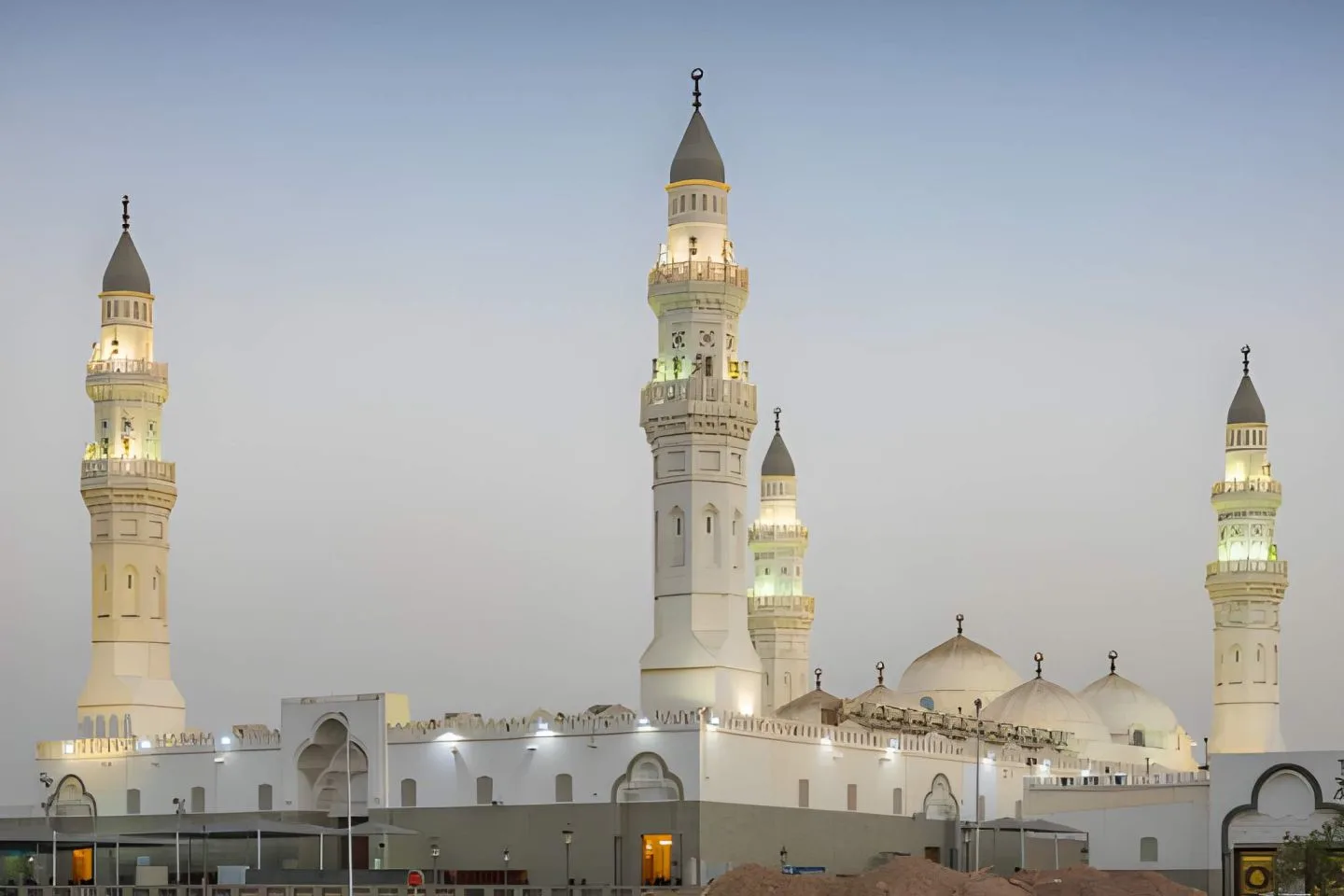
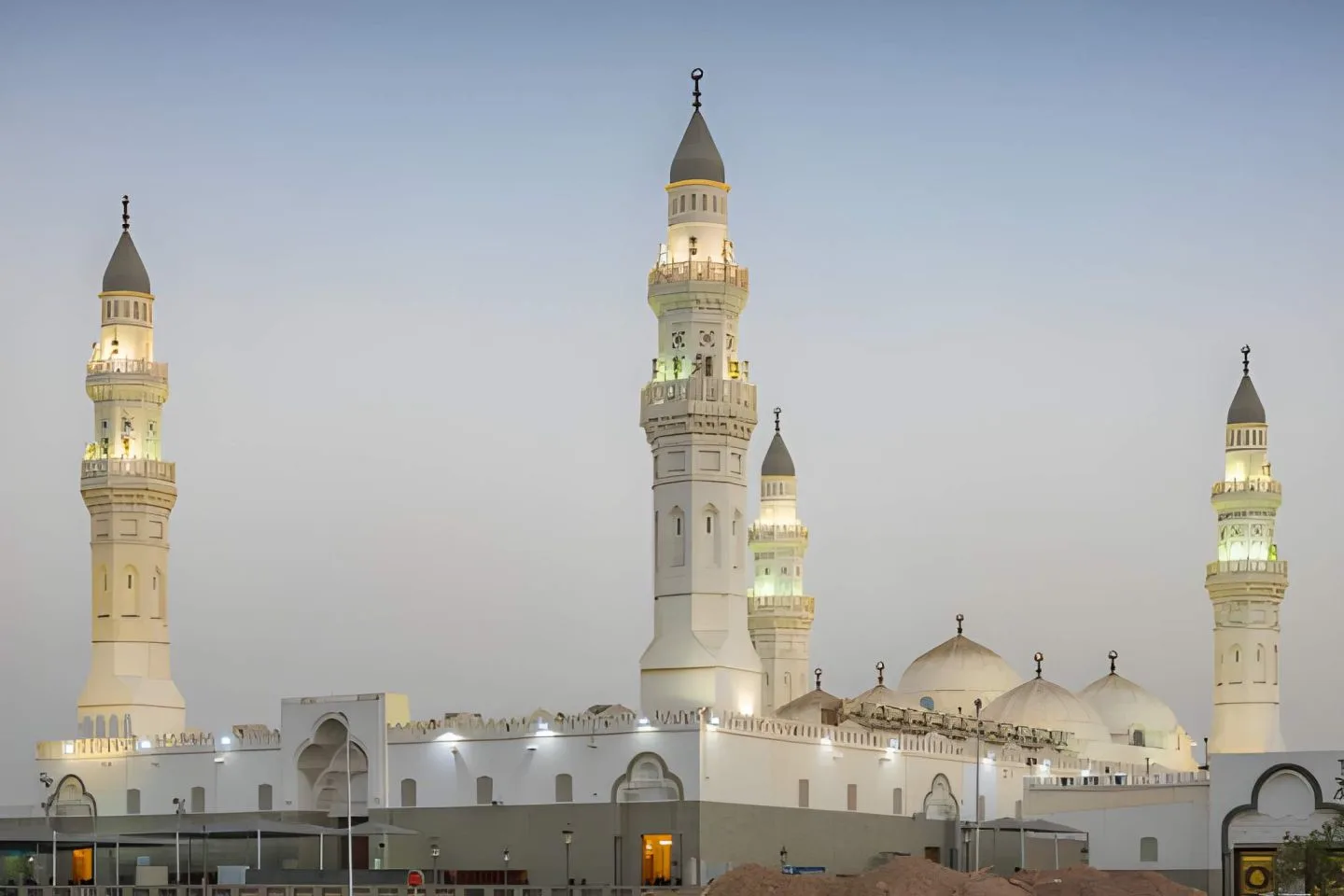
Today, Quba Mosque continues to captivate millions of pilgrims and visitors from around the globe who travel to Madinah seeking a connection to the Prophet’s legacy. Its pristine white domes, elegant minarets, and tranquil courtyards create an environment that inspires both awe and serenity. Beyond its architectural beauty, Quba Mosque’s spiritual significance makes it a must-visit destination for anyone embarking on Saudi Arabia Travel Packages or pilgrimage journeys. The mosque represents the unity of faith and the early foundation of the Muslim ummah, making it a cornerstone of Islamic identity and culture.
Visitors today are greeted by a beautifully maintained structure that harmoniously blends historical reverence with modern facilities, ensuring that the sanctity of Quba Mosque remains timeless. For Muslims and non-Muslims alike, this site serves as a profound reminder of devotion, perseverance, and the power of faith that began over 1,400 years ago in this sacred corner of Madinah.
Historical Roots of Quba Mosque: A Journey Back to the Prophet’s Time
Quba Mosque carries an origin story deeply intertwined with the life of Prophet Muhammad (peace be upon him). When the Prophet migrated from Makkah to Madinah in 622 CE, the first place he stopped was Quba, a small village on the outskirts of Madinah. Here, he laid the foundation stone for the very first mosque in Islam with his own hands. The community then gathered to complete its construction using local materials, creating a simple yet spiritually profound structure. This act marked the formal beginning of Islamic architecture and communal worship.
The Prophet’s dedication to Quba Mosque extended beyond its construction. He frequently visited the mosque, performing two rak’ahs (units of prayer) and encouraging others to do the same. According to authentic traditions, performing prayer at Quba Mosque carries the reward of performing an Umrah, highlighting its unparalleled spiritual merit. Such teachings have elevated Quba Mosque to a revered status among Muslims, making it an integral stop for every pilgrim visiting the holy city of Madinah.
Architectural Evolution of Quba Mosque Through the Centuries
The Quba Mosque has witnessed numerous reconstructions and restorations throughout its long history, each phase reflecting the architectural styles of its era while preserving its original sanctity. The earliest version of the mosque was simple, built with mud bricks and palm trunks. During the caliphate of Umar ibn Al-Khattab and later Uthman ibn Affan, the mosque was expanded to accommodate the growing community of believers.
Over the centuries, various Islamic rulers contributed to Quba Mosque’s enhancement, ensuring it remained a beacon of faith. The most significant modern renovation took place under the reign of King Fahd of Saudi Arabia in 1984, transforming it into a grand complex capable of holding more than 20,000 worshippers. The mosque now features four minarets, elegant marble floors, and a central courtyard surrounded by shaded arcades. Its clean white façade symbolizes purity, while the interior design combines traditional Islamic motifs with contemporary craftsmanship, creating a peaceful ambiance for worshippers.
The Spiritual Significance of Quba Mosque in Islam
Quba Mosque’s importance extends far beyond its historical roots. It represents the essence of sincerity and purity in worship. The Quran itself refers to Quba Mosque in Surah At-Tawbah (9:108), describing it as a mosque founded on piety and righteousness. This divine endorsement elevates Quba’s spiritual status, underscoring its role as a model of faith and devotion.
Muslims worldwide revere Quba Mosque as a place of immense blessing. Many make it a point to visit it before or after performing prayers at the Prophet’s Mosque. For pilgrims, this visit is not merely a touristic stop—it’s an act of worship that connects them directly to the Prophet’s footsteps. The tranquility that fills its prayer halls, the gentle murmur of recitation, and the overwhelming sense of peace create an unforgettable spiritual encounter for every visitor.
Quba Mosque’s Role in the Community and Pilgrimage Experience
Beyond its religious symbolism, Quba Mosque continues to play a vital role in the local community and the global pilgrimage experience. As one of Madinah’s most visited landmarks, it welcomes millions of worshippers during Hajj and Umrah seasons. The surrounding area has evolved into a thriving center of cultural and spiritual activity, offering visitors ample amenities and markets that reflect the traditional essence of Saudi Arabia. Pilgrims often combine their visit to Quba Mosque with other notable Madinah attractions such as the Holy Mosque and Qiba Street, both located nearby.
Visiting Quba Mosque offers a serene escape from the bustling crowds while allowing time for reflection and prayer. The mosque’s clean surroundings, peaceful courtyards, and well-organized facilities ensure that every worshipper experiences comfort and spiritual focus. For those embarking on Saudi Arabia Tours, Quba Mosque remains a top highlight not just for its religious prominence but also for its architectural and historical allure.
Architectural Highlights and Interior Harmony of Quba Mosque
The architectural design of Quba Mosque beautifully blends tradition and modernity. The white marble exteriors shimmer under the Madinan sun, while the domes and arches reflect a timeless Islamic aesthetic. Inside, the mosque’s prayer halls are adorned with delicate calligraphy, geometric patterns, and soft lighting that enhance the spiritual atmosphere. Wide corridors and shaded courtyards facilitate airflow and comfort during prayers, making it an inviting space for worshippers throughout the year.
The mosque’s layout promotes both privacy and community. Separate areas for men and women, spacious ablution facilities, and accessibility features make Quba Mosque exemplary in its functionality. Its minarets, standing tall against the desert sky, not only serve as architectural marvels but also symbolize the eternal call to prayer that has echoed across this sacred land for more than fourteen centuries.
Visiting Quba Mosque: Etiquette, Timings, and Essential Tips
Visiting Quba Mosque is a spiritually enriching experience that requires mindfulness and respect. The mosque is open throughout the day, welcoming worshippers for all five daily prayers. Fridays and early mornings are particularly special times, as they offer a quieter environment conducive to deep reflection. Visitors are encouraged to perform ablution before entering, maintain modest attire, and approach the mosque with humility and reverence.
While visiting, many pilgrims recite Quranic verses, pray voluntary prayers, and spend time contemplating the Prophet’s legacy. Those traveling as part of organized pilgrimage groups or Saudi Arabia Itinerary tours often include Quba Mosque in their schedules. The mosque’s proximity to key Madinah landmarks makes it easily accessible by car or local transport, ensuring that even first-time visitors can reach it comfortably.
Nearby Attractions to Enhance Your Quba Mosque Experience
Madinah offers a wealth of attractions that complement your visit to Quba Mosque. After prayer, visitors can explore the International Fair & Museum of the Prophet’s Biography, an educational and immersive experience that deepens one’s understanding of Islamic history. Not far from Quba, the Souq Taiba offers a lively glimpse into local culture, where visitors can shop for prayer beads, perfumes, and traditional Saudi attire. Exploring these sites helps pilgrims connect more profoundly with the city’s spiritual and cultural heritage.
Quba Mosque as a Symbol of Unity and Purity
Quba Mosque stands as a timeless emblem of unity, faith, and purity. From its inception, it has embodied the Prophet’s mission to establish a community built on righteousness and brotherhood. Every corner of the mosque echoes with stories of devotion, reminding visitors of the values that shaped early Islamic society. The mosque’s pristine architecture and tranquil aura make it not only a religious landmark but also a place for introspection and spiritual renewal.
In today’s fast-paced world, Quba Mosque remains a sanctuary for peace—a sacred space where believers can pause, pray, and realign their hearts with faith. Its enduring beauty and spiritual depth ensure that this mosque will continue to inspire generations to come, preserving its place as one of the most beloved symbols of Islam.
FAQs About Quba Mosque
1. Where is Quba Mosque located?
Quba Mosque is located in the southern part of Madinah, Saudi Arabia, about three kilometers from the Prophet’s Mosque. It’s easily accessible by taxi, private car, or tour buses included in Saudi Arabia Travel Packages. Its location makes it one of the most visited religious sites in the city.
2. Why is Quba Mosque important in Islam?
Quba Mosque holds immense spiritual significance as the first mosque ever built in Islam. It was founded by Prophet Muhammad (peace be upon him) after his migration from Makkah. The Quran praises Quba Mosque as a place established upon piety, and the Prophet declared that praying there yields rewards similar to performing Umrah.
3. Can non-Muslims visit Quba Mosque?
Like other mosques in Madinah, Quba Mosque is open only to Muslims. However, non-Muslims can view its stunning exterior and appreciate the architecture from designated areas outside the mosque complex. Respectful behavior and modest attire are essential for all visitors.
4. When is the best time to visit Quba Mosque?
The best times to visit are early in the morning or between prayer times when the mosque is less crowded. Pilgrims visiting Madinah during the cooler months of the year will find the experience particularly pleasant. Many combine their visit to Quba Mosque with other nearby attractions like the Holy Mosque for a deeper spiritual journey.
5. What facilities are available at Quba Mosque?
Quba Mosque offers modern amenities including separate prayer areas, ablution facilities, wheelchair accessibility, and air-conditioned halls. The surrounding area also features shops, rest areas, and shaded spaces, ensuring a comfortable and serene visit for all worshippers.
Conclusion: Quba Mosque – A Living Testament to Faith and History
The Quba Mosque is not just an architectural masterpiece—it’s a living legacy that continues to embody the essence of Islamic faith. From its humble beginnings as the first mosque built by the Prophet Muhammad (peace be upon him) to its modern-day grandeur, it remains a place where history, spirituality, and community converge. Visiting Quba Mosque is more than a physical journey; it’s a heartfelt experience that revives one’s connection to the roots of Islam. Whether you’re a pilgrim, a traveler on a Best Time To Visit Saudi Arabia tour, or simply a seeker of peace, Quba Mosque welcomes you with timeless grace and divine serenity.