
Masmak Fort
Masmak Fort: The Heartbeat of Saudi Arabia’s Heritage in Riyadh
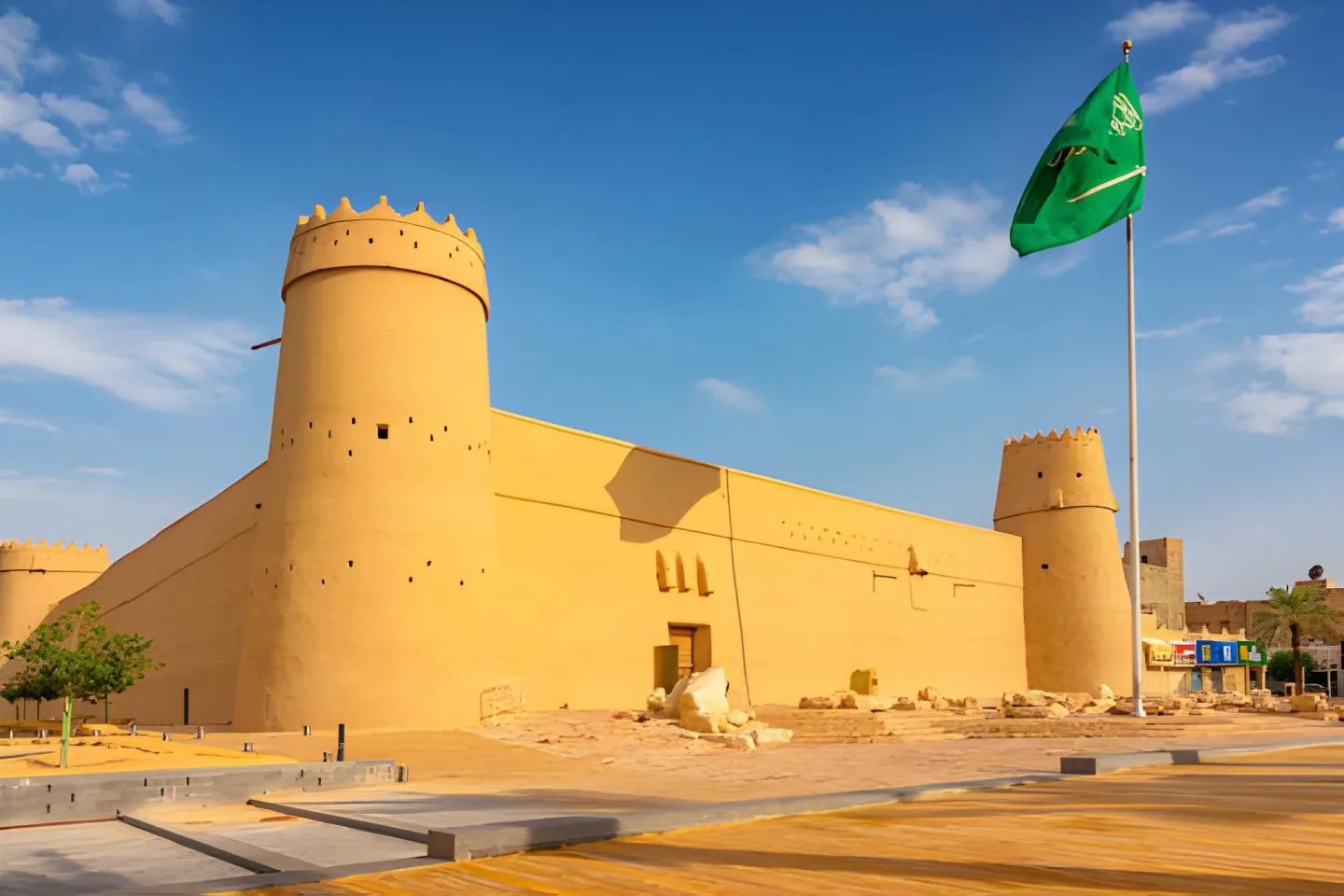
Masmak Fort stands as a timeless symbol of courage, heritage, and national pride in the pulsating heart of Riyadh. This earthen fortress, built from clay and mudbrick, isn’t just a historical site—it’s the very stage where the story of modern Saudi Arabia began. Nestled within the city’s old quarter, this majestic stronghold offers visitors a vivid journey into the roots of the Kingdom’s unification. Every wall, tower, and wooden door whispers tales of bravery, strategy, and cultural endurance that shaped the destiny of a nation.
Today, the fort has evolved into a museum showcasing relics, photographs, weapons, and historical maps. Its preserved architecture and immersive exhibits captivate tourists, historians, and locals alike. To experience the essence of Riyadh’s past, a visit to Masmak Fort is an absolute must for anyone embarking on Saudi Arabia Tours.
Historical Background: The Origins and Transformation of Masmak Fort
Built in 1865 during the reign of Emir Abdulrahman ibn Sulaiman ibn Dabaan, Masmak Fort originally served as a defensive fortress amid tribal conflicts. Its mudbrick walls, thick enough to withstand cannon fire, were designed for both security and survival in the desert’s unforgiving climate. The fort’s distinctive architecture—massive walls, triangular towers, and narrow windows—illustrates the ingenuity of traditional Najdi design. For decades, it stood as a political and military center in Riyadh, witnessing rivalries, alliances, and the birth of a kingdom.
In 1902, Masmak Fort became the stage for one of the most significant moments in Saudi history. With only a small group of warriors, the young King Abdulaziz Al Saud recaptured Riyadh in a daring predawn attack. This victory didn’t just reclaim a city—it reignited a mission that would unite the Arabian Peninsula under one flag. Inside the fort, visitors can still see the notch left in the main gate by the spear thrown during this decisive battle—a tangible connection to the birth of modern Saudi Arabia.
Architectural Design: A Testament to Najdi Craftsmanship
Masmak Fort’s architecture exemplifies the traditional Najdi style that defines central Arabia. The fortress features four corner towers, each tapered and crowned with crenellations, reflecting both functionality and artistic mastery. Its courtyard, surrounded by rooms used for storage, prayer, and meetings, reveals how architecture adapted seamlessly to the desert environment. The thick mudbrick walls, supported by palm trunk beams, maintain a stable indoor climate despite extreme heat.
Intricate details, such as carved wooden doors, plaster decorations, and geometric motifs, showcase the refined aesthetic sensibilities of the era. Similar craftsmanship can be observed in other historical landmarks like Murabba Palace and Diriyah, both of which contribute to the visual and cultural narrative of Saudi Arabia’s architectural evolution.
The Cultural Significance of Masmak Fort
Beyond its military past, Masmak Fort holds deep cultural and symbolic significance for Saudis. It embodies unity, perseverance, and the enduring spirit of the Kingdom’s founding. Inside, the museum displays ethnographic exhibits, traditional attire, and ancient weaponry that reflect Saudi Arabia’s nomadic heritage and transition into modernity. It’s not just a monument—it’s a storytelling space that connects generations through shared memory.
For visitors, the experience is more than historical; it’s emotional. Walking through Masmak’s corridors, one can almost feel the echo of footsteps from a century ago—a reminder that history here isn’t static; it lives and breathes through the fort’s walls and artifacts.
Masmak Fort Museum: A Living Chronicle of Saudi History
Today, Masmak Fort functions as a museum managed by the Saudi Ministry of Culture. Interactive exhibits, dioramas, and multimedia displays immerse visitors in the Kingdom’s journey from tribal divisions to unified sovereignty. The museum’s layout leads visitors through various chambers, each narrating different chapters of Saudi history. Exhibits include photographs documenting Riyadh’s transformation, weapons used during the 1902 raid, and personal belongings of King Abdulaziz.
Nearby attractions like the National Museum of Saudi Arabia complement the experience by providing broader insights into the country’s cultural heritage. Together, these landmarks form a corridor of national memory, where ancient traditions coexist with modern interpretations.
Masmak Fort’s Role in Modern Riyadh’s Tourism Scene
Masmak Fort isn’t just a relic of the past—it’s a cornerstone of Riyadh’s thriving tourism landscape. As Saudi Arabia embraces Vision 2030, initiatives to preserve and promote cultural landmarks have propelled Masmak into the limelight. The fort’s accessibility from major attractions like Dirah Souq and Najd Village Restaurant makes it a central stop for both local and international travelers. Tour guides often highlight it as a must-see destination within curated Saudi Arabia Travel Packages.
Visitors enjoy exploring the fort during the cooler months, often combining it with nearby attractions like the Sky Bridge at Kingdom Tower and Boulevard City for a mix of heritage and modern entertainment. The juxtaposition of these experiences underscores Riyadh’s unique character—where old-world charm meets futuristic ambition.
Visitor Experience: What to Expect at Masmak Fort
From the moment you approach the towering mudbrick façade, Masmak Fort captures attention with its authenticity. The main entrance, adorned with massive wooden doors reinforced with iron spikes, sets the stage for a journey through time. Inside, visitors can wander through dimly lit halls, climb to the watchtowers, and admire historical exhibits that chronicle the evolution of Riyadh and Saudi Arabia.
Guided tours offer stories behind every artifact, from spears and swords to early maps and royal portraits. The museum’s courtyard often hosts cultural events, traditional performances, and school visits, enhancing its role as a living educational hub. Whether you’re a history buff, photographer, or curious traveler, Masmak Fort delivers a sensory experience that goes beyond sightseeing—it’s a profound encounter with the essence of Saudi identity.
Masmak Fort and Saudi Vision 2030
As part of Vision 2030, Saudi Arabia has prioritized sustainable tourism and cultural preservation. Masmak Fort has undergone careful restoration to maintain its structural integrity while accommodating modern amenities for visitors. Its inclusion in educational programs and city tours underscores its pivotal role in shaping national consciousness. The fort has become a beacon of cultural pride, inspiring initiatives that promote heritage tourism across the Kingdom.
In recent years, the government’s focus on enhancing attractions like Masmak aligns with broader efforts to position Riyadh as a global cultural destination. Together with landmarks such as King Fahad Library and King Abdullah Financial District, the city offers a balanced blend of tradition and modernity that attracts millions of visitors annually.
Practical Information: Visiting Masmak Fort
Masmak Fort is located in the Al Dirah district, near Deira Souq, one of Riyadh’s oldest marketplaces. The fort is open to the public throughout the week, with special exhibitions held during national holidays and cultural festivals. Entry is free, making it one of the most accessible historical sites for tourists and residents alike. The best time to visit is during the cooler months, from November to March, when outdoor exploration is most enjoyable.
For travelers arriving via Riyadh International Airport, the fort is just a short drive from the city center. Taxi services, private tours, and guided excursions are readily available, ensuring a smooth and enriching experience. Combining your visit to Masmak Fort with other cultural sites like Diriyah and the National Museum of Saudi Arabia provides a deeper understanding of the Kingdom’s history and transformation.
Frequently Asked Questions About Masmak Fort
What is the significance of Masmak Fort in Saudi history?
Masmak Fort symbolizes the unification of Saudi Arabia. It was the site where King Abdulaziz Al Saud recaptured Riyadh in 1902, a victory that marked the start of the Kingdom’s formation. The fort represents resilience, leadership, and the birth of modern Saudi identity.
Where is Masmak Fort located in Riyadh?
Masmak Fort is located in the Al Dirah district of central Riyadh, near Dirah Souq. It’s easily accessible from major roads and tourist areas, making it an essential stop for anyone exploring the city’s historic core.
What can visitors see inside Masmak Fort?
Inside the fort, visitors can explore weaponry, photographs, historical maps, and artifacts related to the 1902 battle. Exhibitions showcase Saudi Arabia’s early governance, architecture, and lifestyle, providing a rich educational experience for history enthusiasts.
Is there an entrance fee to Masmak Fort?
No, entry to Masmak Fort is free. The site welcomes visitors of all ages and often hosts cultural events, educational programs, and guided tours that enhance the overall experience without any additional cost.
When is the best time to visit Masmak Fort?
The best time to visit Masmak Fort is between November and March, when Riyadh’s weather is cooler. Morning visits are ideal for photography, while evenings allow visitors to enjoy cultural performances and illuminated displays around the fort.