
National Museum of Saudi Arabia
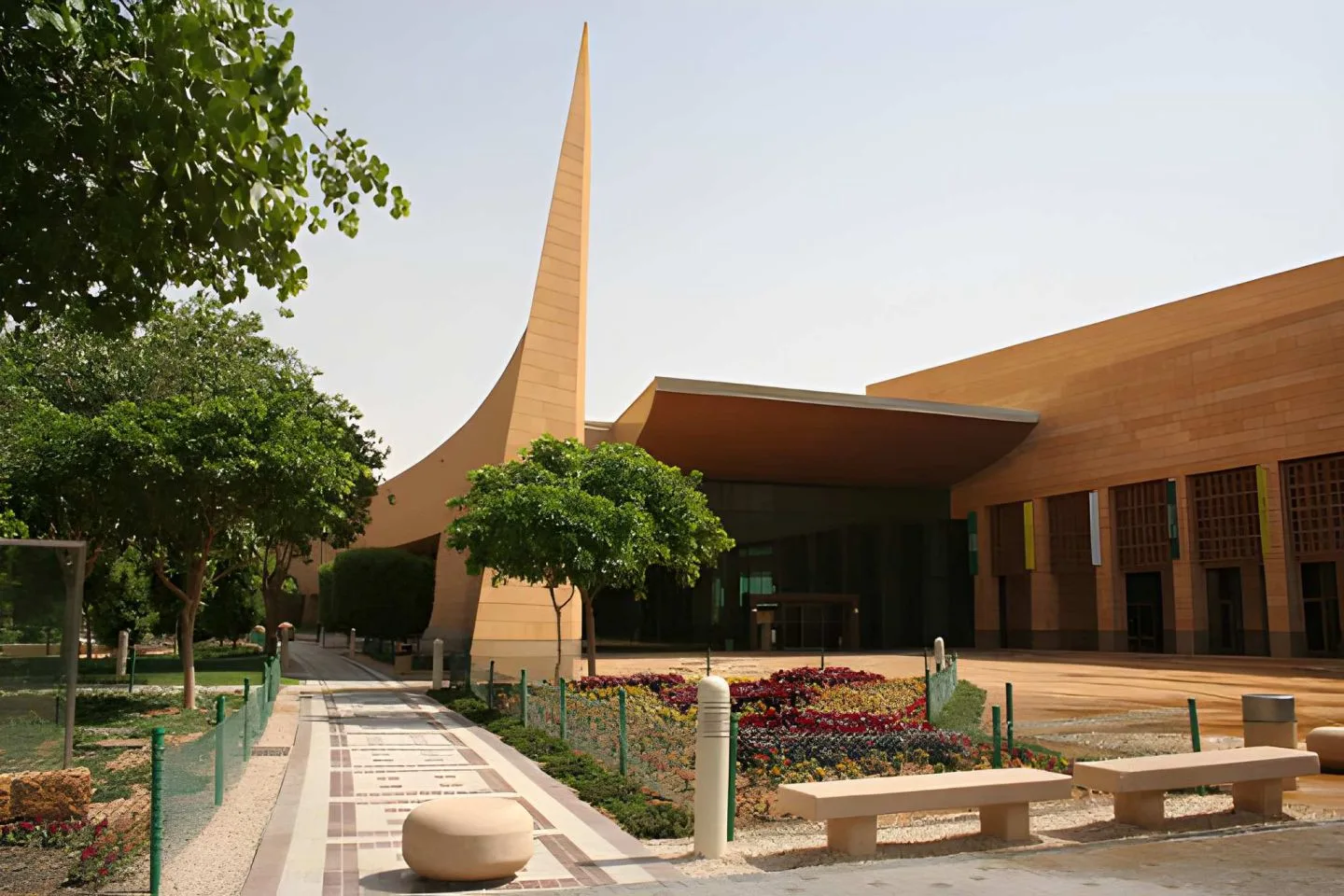
National Museum of Saudi Arabia: A Cultural Treasure in the Heart of Riyadh
In the bustling city of Riyadh, the National Museum of Saudi Arabia stands as a timeless beacon of heritage, history, and cultural identity. Established in 1999, this remarkable institution is part of the King Abdulaziz Historical Center, conveniently located near Murabba Palace. The museum offers visitors a captivating journey through the Arabian Peninsula's geological formation, prehistoric civilizations, Islamic history, and Saudi Arabia’s unification under King Abdulaziz. It’s an essential stop for travelers seeking to uncover the Kingdom’s multifaceted legacy, blending ancient narratives with cutting-edge technology to create an immersive educational experience.
Every corridor of the National Museum whispers stories of resilience, faith, and progress. From the earliest archaeological findings to modern-day achievements, the museum eloquently narrates the evolution of the Saudi nation. Its impressive architecture, inspired by the dunes of the Arabian Desert, represents harmony between nature and design, while its exhibitions reflect the deep pride the country takes in preserving its heritage. Whether you're exploring as part of a Riyadh Day Tour or embarking on a nationwide exploration through Saudi Arabia Tours, the National Museum promises an unforgettable cultural immersion.
Architectural Brilliance and Museum Design
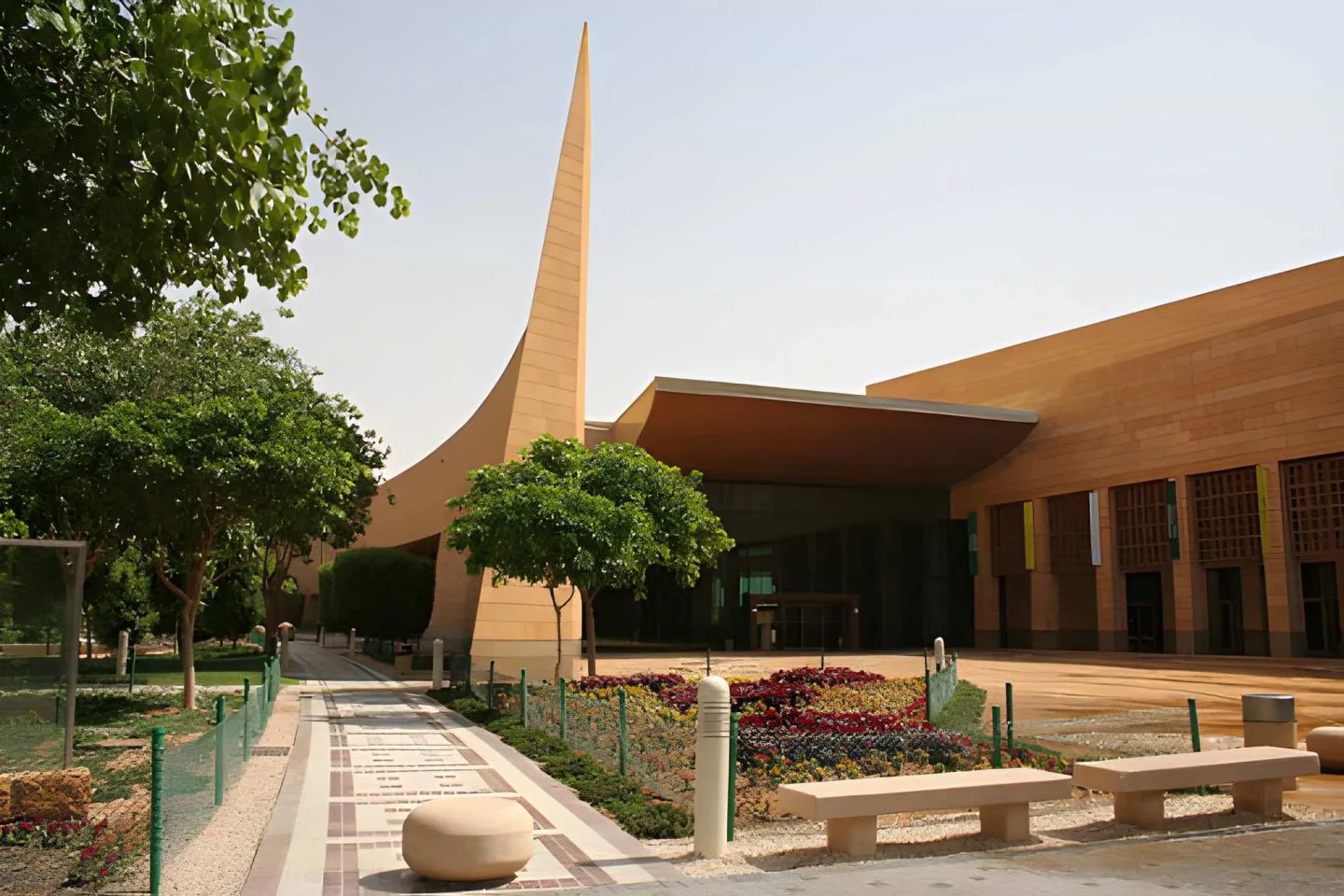
The architecture of the National Museum of Saudi Arabia is a masterpiece in itself. Designed by the Canadian firm Moriyama & Teshima, the building captures the spirit of the desert — undulating lines mimic sand dunes, while sleek stone façades reflect light in golden hues. The layout unfolds like a chronological story, guiding guests through eight galleries organized by era, from the dawn of the universe to the modern Saudi state. The museum’s setting within the King Abdulaziz Historical Center allows visitors to explore nearby historical landmarks such as Masmak Fort and Diriyah, enriching the overall experience of Riyadh’s heritage district.
The Eight Thematic Galleries
Each gallery in the National Museum is meticulously curated to present a specific chapter in the Arabian story. The ‘Man and the Universe’ gallery explores the geological foundations of the peninsula, displaying fossils and meteorites. The ‘Arab Kingdoms’ section highlights ancient civilizations like Dadan and Lihyan, complementing sites such as Dadan and Jabal Ikmah. Visitors are often drawn to the ‘Prophet’s Mission’ gallery, which beautifully narrates the birth of Islam, while the ‘Hajj and Two Holy Mosques’ section evokes spiritual awe through exhibits of historical manuscripts, models, and audiovisual storytelling.
Interactive Technologies and Educational Displays
Gone are the days of static displays. The National Museum of Saudi Arabia embraces modern technology to engage all senses. Interactive screens, 3D reconstructions, and lifelike models create a dynamic environment where visitors can visualize ancient trade routes, examine early settlements, and witness the transformation of Saudi Arabia from tribal regions to a unified nation. Educational programs, guided tours, and workshops further enhance the learning experience, making the museum ideal for students, historians, and curious travelers alike.
Cultural Events and Temporary Exhibitions
In addition to its permanent displays, the museum frequently hosts temporary exhibitions highlighting Saudi Arabia’s evolving art scene, archaeological discoveries, and cultural collaborations. Events often coincide with national celebrations such as Saudi National Day, offering visitors fresh perspectives on the Kingdom’s achievements. These exhibitions create opportunities for international dialogue, underscoring Saudi Arabia’s role as a hub for cultural exchange in the Middle East.
Location and Visitor Information
The National Museum is strategically located in the heart of Riyadh, within walking distance from key landmarks and hotels. It’s easily accessible from Riyadh International Airport and forms part of several curated Riyadh Tour Packages. The museum operates throughout the week, with designated visiting hours for families and school groups. Facilities include a gift shop, café, prayer rooms, and wheelchair-accessible pathways, ensuring a comfortable experience for all visitors.
Historical Significance and Cultural Impact
Since its inauguration, the National Museum has played a crucial role in promoting Saudi Arabia’s cultural diplomacy. It’s more than a repository of artifacts; it’s a living testament to the Kingdom’s identity. The galleries showcase relics from prehistoric tools to Qur’anic manuscripts, each contributing to a larger narrative of faith, innovation, and resilience. For travelers embarking on Saudi Arabia Travel Packages, the museum provides essential context to the nation’s UNESCO World Heritage sites, such as Madain Saleh (Hegra) and Diriyah.
Connecting the Past with Vision 2030
The National Museum of Saudi Arabia aligns with the Kingdom’s Vision 2030 initiative, which seeks to strengthen cultural identity and attract global tourism. It serves as a platform to promote awareness about Saudi Arabia’s deep-rooted traditions while showcasing its strides toward modernization. As the Kingdom continues to redefine its global image, the museum stands as a bridge between the ancient and the contemporary, inspiring pride among Saudis and curiosity among visitors.
The Museum’s Role in Tourism
For many travelers, a visit to the National Museum marks the beginning of their cultural exploration across the country. Whether part of a Tour to Saudi Arabia or a stop during the Jeddah Madinah AlUla Riyadh 8 Days Tour, the museum provides context that enriches every subsequent destination. Tourists often pair their visit with other heritage sites like Dirah Souq and Sky Bridge at Kingdom Tower, embracing the contrasts of old and new Riyadh.
Visitor Experience and Highlights
Walking through the museum’s corridors feels like traversing a timeline. The ambient lighting, desert-inspired interiors, and multilingual descriptions create a setting that captivates locals and tourists alike. Children enjoy the interactive displays, while art lovers appreciate the craftsmanship behind ancient artifacts. The museum’s dedication to accessibility ensures that every visitor gains a meaningful understanding of Saudi Arabia’s heritage.
Nearby Attractions and Itinerary Suggestions
Beyond the museum, Riyadh offers a treasure trove of attractions that complement the historical narrative. Visitors can experience the charm of Boulevard City for modern entertainment, or venture to Edge of the World Riyadh Tour for a glimpse of Saudi Arabia’s breathtaking landscapes. Combining these experiences with the museum visit creates a well-rounded itinerary showcasing the country’s diversity and modern evolution.
Frequently Asked Questions about the National Museum of Saudi Arabia
Where is the National Museum of Saudi Arabia located?
The National Museum is situated in the King Abdulaziz Historical Center in Riyadh, close to Murabba Palace. It’s easily accessible from major roads and public transportation, making it a convenient destination for locals and international visitors alike.
What are the main attractions inside the museum?
The museum features eight themed galleries, including exhibits on the creation of the universe, ancient Arabian kingdoms, the life of Prophet Muhammad, and the unification of Saudi Arabia. Each gallery offers immersive multimedia experiences and detailed artifacts.
How much time should visitors allocate for a full tour?
To fully appreciate the museum’s extensive collection, visitors should plan at least two to three hours. Guided tours are available to provide in-depth insights into Saudi history and culture.
Is the museum suitable for families and children?
Absolutely. The National Museum of Saudi Arabia is family-friendly, offering interactive displays, educational workshops, and guided experiences designed to engage visitors of all ages.
What other attractions can be visited near the museum?
Within the same district, visitors can explore King Fahad Library, the heritage-rich Diriyah, and local markets like Dirah Souq. These sites, combined with the museum, form the cultural core of Riyadh.