
Murabba Palace
Murabba Palace: The Historical Heart of Modern Riyadh
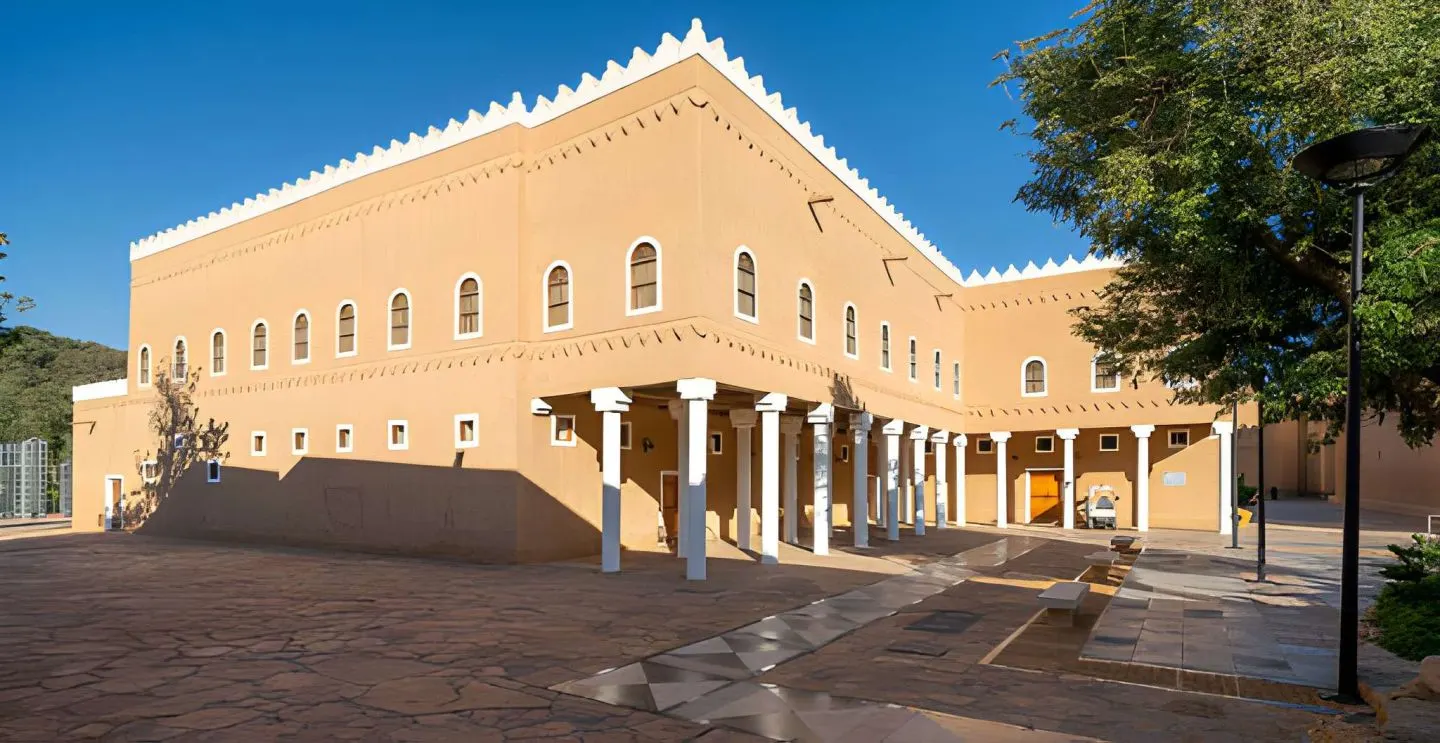
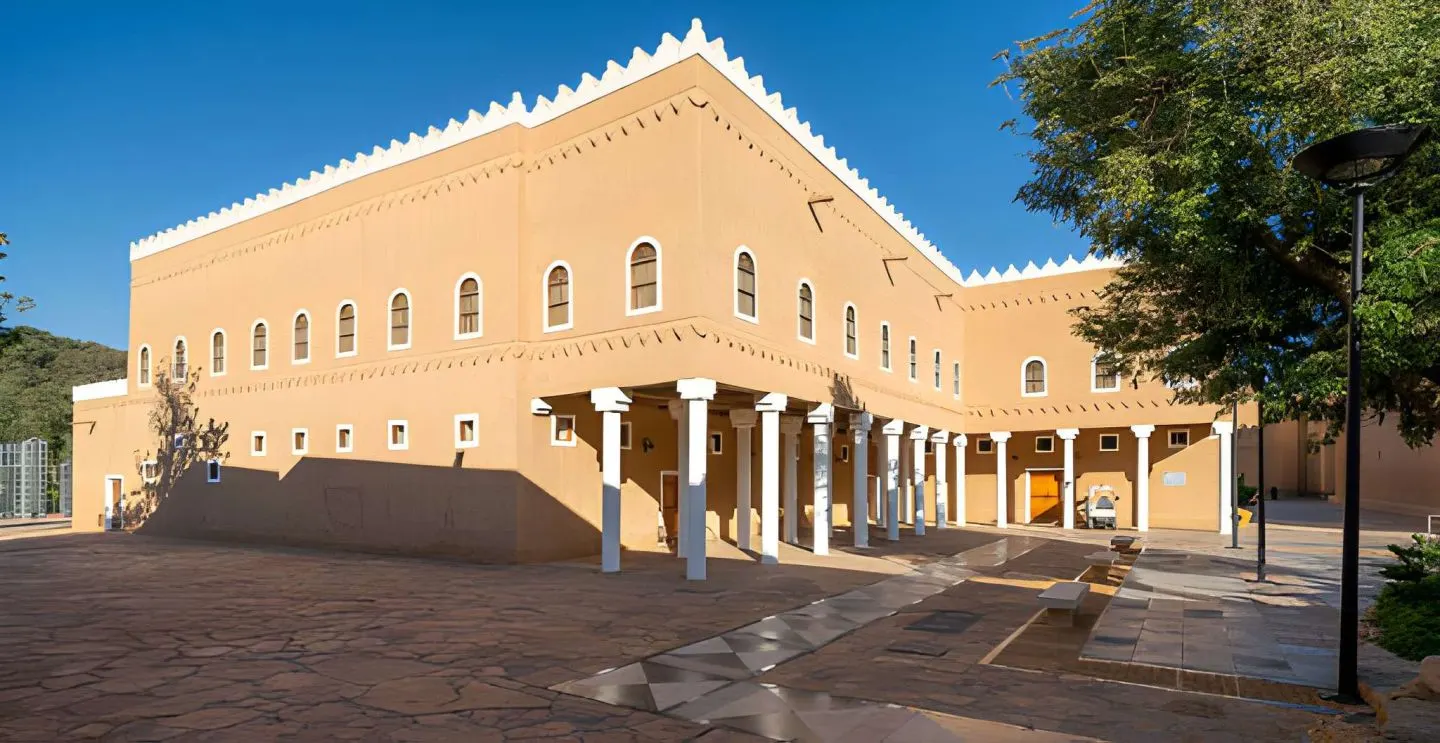
Murabba Palace, one of the most iconic royal landmarks in Riyadh, stands as a symbol of Saudi Arabia's transformation from a desert kingdom into a thriving modern nation. Constructed in the mid-1930s under the orders of King Abdulaziz Al Saud, the founder of the Kingdom, Murabba Palace served not only as a royal residence but also as a center of governance and diplomacy. Its architecture reflects the unique blend of traditional Najdi design and early modern influences that characterized Saudi Arabia’s early 20th-century development.
King Abdulaziz chose Murabba Palace as his new home to expand the city beyond the confines of the old fort at Masmak Fort. This decision marked the beginning of Riyadh’s urban expansion and modernization. Today, the palace forms the central part of the King Abdulaziz Historical Center, surrounded by lush gardens, museums, and cultural spaces that preserve the rich heritage of the kingdom.
Simply put, Murabba Palace is more than an architectural wonder; it’s a living testament to the Saudi identity and its royal heritage. Whether you’re embarking on Saudi Arabia Tours or exploring Riyadh independently, this historic masterpiece is a must-see destination.
The Historical Background of Murabba Palace
Murabba Palace was commissioned in 1936 by King Abdulaziz, who envisioned a new royal residence outside the confines of Riyadh’s old city walls. The palace took its name from the Arabic word 'Murabba', meaning 'square', referring to its geometric layout. Built using traditional materials—mud, straw, and clay—the structure embodies the Najdi architectural heritage of central Arabia. However, what set it apart was the inclusion of modern amenities such as electricity, plumbing, and even a personal elevator for the king—remarkable features at the time.
The construction of Murabba Palace was a monumental effort that symbolized the emerging unity and ambition of Saudi Arabia. The king personally oversaw the project, ensuring that it would reflect both the authenticity of Saudi culture and the aspirations of a new era. Upon its completion, the palace became the administrative hub for the expanding government, reinforcing Riyadh’s role as the capital of the kingdom. Many historians regard Murabba Palace as the cornerstone of Riyadh’s modern identity, a place where tradition met progress for the first time.
Architectural Design and Najdi Influence
The architecture of Murabba Palace remains a shining example of Najdi style, known for its simplicity, strength, and climatic efficiency. The thick mudbrick walls keep interiors cool during hot summers, while narrow windows allow air circulation without letting in excessive sunlight. Wooden beams, gypsum plaster, and locally sourced palm trunks were used extensively, giving the building its distinctive texture and charm. The palace covers an area of over 16 hectares, featuring a central courtyard surrounded by residential quarters, reception halls, and administrative offices.
Despite its traditional aesthetic, Murabba Palace introduced several innovations. It was one of the first buildings in Riyadh to use modern technologies such as electric lighting and telecommunication systems. The king’s famous elevator—imported from abroad—symbolized a leap toward modernization. In many ways, the palace’s design mirrors the evolution of Saudi Arabia itself: deeply rooted in heritage yet open to global influence. Visitors can explore similar architectural styles when touring the historical sites of Diriyah, the birthplace of the Saudi state.
Murabba Palace and Riyadh’s Urban Expansion
Before Murabba Palace, Riyadh was a compact, walled city centered around Masmak Fort. The construction of the palac,e roughly two kilometers north of the old walls, marked the beginning of urban expansion. A new road connected the old fort to the palace, soon lined with homes, offices, and markets that would become modern Riyadh’s foundation. This shift reflected King Abdulaziz’s vision of progress—moving beyond old boundaries while preserving cultural continuity.
The palace also played a role in redefining royal life. Instead of being confined to defensive structures, the royal family enjoyed open courtyards, gardens, and comfortable living quarters. This new way of life mirrored the kingdom’s broader transition toward national stability and prosperity. The surrounding area eventually developed into what we now know as the King Abdulaziz Historical Center, which includes cultural institutions like the National Museum of Saudi Arabia, making it a cornerstone of Riyadh’s heritage tourism.
Murabba Palace’s Role in Saudi Modernization
Murabba Palace wasn’t just a royal home—it was the nerve center of early governance. Within its walls, King Abdulaziz received world leaders, discussed trade agreements, and laid the foundations for modern Saudi infrastructure. The introduction of electricity, transportation, and telephones from this very palace symbolized the nation’s leap into the modern age. The first fleet of cars in Riyadh arrived here, and the king famously used one for his daily journeys between the palace and the old city.
As a site of modernization, Murabba Palace continues to inspire scholars and architects studying the evolution of Arabian design. The balance between innovation and tradition remains a key theme in Saudi urban planning even today. Modern landmarks like Kingdom Tower and Sky Bridge at Kingdom Tower showcase how Riyadh has embraced progress while maintaining its heritage core represented by Murabba Palace.
Inside the Walls: Exploring Murabba Palace Today
Today, Murabba Palace forms part of the King Abdulaziz Historical Center and functions as an open museum showcasing Saudi Arabia’s royal history. Visitors can explore numerous halls that once hosted royal audiences, government meetings, and family gatherings. Each room has been meticulously restored, with furniture, artifacts, and photographs preserving the palace’s authentic atmosphere. The royal reception hall, known for its traditional majlis-style seating, offers insight into the kingdom’s unique hospitality traditions.
Walking through the palace grounds, guests encounter beautifully landscaped courtyards, date palms, and shaded arcades that evoke the serenity of royal life. Exhibits display historical documents, correspondence, and personal belongings of King Abdulaziz, offering a rare glimpse into his leadership and vision. The museum’s curators have done an exceptional job of blending education with immersion, allowing visitors to feel the pulse of the early Saudi state within these preserved walls.
Visitor Experience and Cultural Attractions
Murabba Palace offers a seamless blend of historical exploration and cultural enrichment. Guided tours explain the architectural details and historical events associated with each section. The palace complex connects to other cultural attractions nearby, including the Dirah Souq, where visitors can shop for traditional crafts and souvenirs, and scenic spots like Boulevard City for a taste of Riyadh’s modern lifestyle. For travelers seeking comprehensive experiences, Saudi Arabia Travel Packages often include Murabba Palace as part of historical and cultural itineraries.
At night, the palace illuminates with warm golden lights, accentuating its mudbrick walls and decorative towers. The ambient glow captures the spirit of old Arabia, inviting both locals and tourists to admire its timeless charm. Whether you’re a history buff, an architecture enthusiast, or a culture lover, Murabba Palace promises a journey through Saudi Arabia’s royal past that feels both intimate and grand.
Preservation and Legacy of Murabba Palace
Murabba Palace underwent major restoration efforts as part of the King Abdulaziz Historical Center project in the late 20th century. Skilled artisans used traditional materials and techniques to ensure historical accuracy, while modern conservation methods preserved its structural integrity. Today, it stands as one of Riyadh’s most treasured heritage landmarks, symbolizing the enduring spirit of Saudi craftsmanship and leadership.
The palace’s legacy extends far beyond architecture. It serves as a cultural symbol of national pride, a reminder of Saudi Arabia’s roots, and a beacon guiding future generations. As the kingdom continues to modernize under Vision 2030, Murabba Palace remains a cornerstone of identity—bridging the past and the present. Its story reminds visitors that progress is most powerful when built upon the foundation of tradition.
FAQs About Murabba Palace
1. Where is Murabba Palace located?
Murabba Palace is located in the heart of Riyadh, within the King Abdulaziz Historical Center. It’s easily accessible from major attractions and just a short drive from Riyadh’s central districts. The palace’s strategic location highlights its historical importance as the core of the city’s royal and administrative life.
2. When was Murabba Palace built?
Construction of Murabba Palace began in 1936 and was completed in 1938 under the supervision of King Abdulaziz Al Saud. The project represented a milestone in Riyadh’s growth, marking the city’s expansion beyond the old fortified walls and introducing modern technologies to royal life.
3. What makes Murabba Palace architecturally unique?
Murabba Palace is a prime example of Najdi architecture blended with early modern innovations. Its thick mudbrick walls, wooden ceilings, and gypsum ornaments maintain a traditional look, while the inclusion of electricity, plumbing, and an elevator reflects Saudi Arabia’s move toward modernization.
4. Can tourists visit Murabba Palace?
Yes, Murabba Palace is open to visitors as part of the King Abdulaziz Historical Center. Entry allows access to restored rooms, museums, and exhibits detailing Saudi Arabia’s royal history. Guided tours enhance the experience, providing in-depth insights into the palace’s cultural and historical context.
5. Why is Murabba Palace important in Saudi history?
Murabba Palace symbolizes the foundation of modern Saudi Arabia. It was King Abdulaziz’s royal residence and the first seat of modern governance in Riyadh. From its halls, the king guided the kingdom’s unification and modernization, making the palace a cornerstone of Saudi heritage and a living monument to its visionary past.