
Wadi Disah

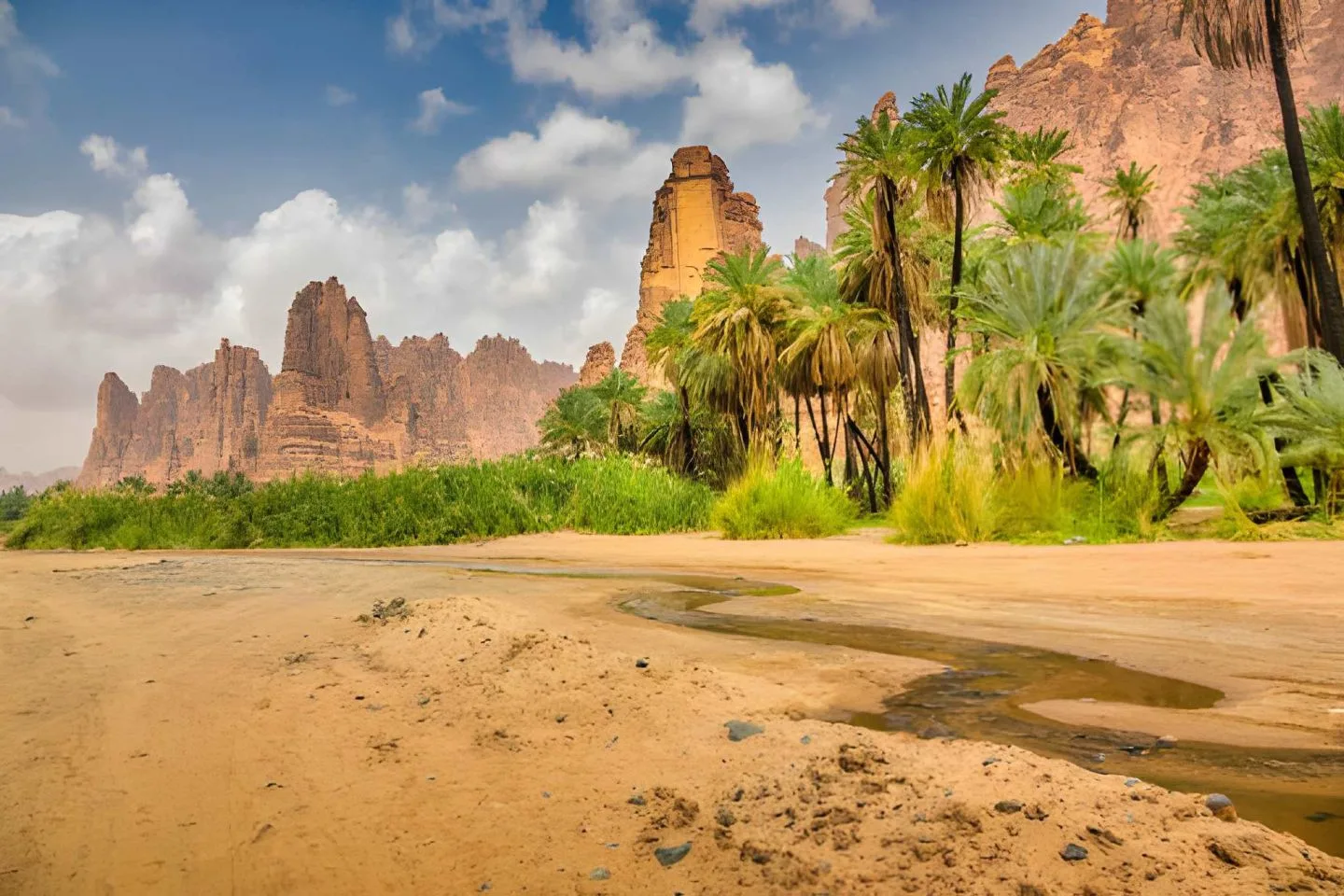
Wadi Disah: The Hidden Paradise of Saudi Arabia's Tabuk Region
Nestled deep within the awe-inspiring sandstone mountains of northwestern Saudi Arabia lies Wadi Disah, a destination that feels almost mythical. Known for its breathtaking rock formations, lush palm groves, and year-round water streams, Wadi Disah—literally meaning “The Valley of Palm Trees”—has become one of the most captivating natural wonders in the Kingdom. It’s not just another desert valley; it’s a living, breathing oasis that defies the typical notion of Saudi Arabia’s arid landscapes. Travelers seeking raw beauty, serenity, and adventure will find themselves mesmerized by its towering cliffs and tranquil waters.
Wadi Disah is located approximately 260 kilometers southwest of Tabuk City, in the northwestern part of the country. It’s part of the Prince Mohammed bin Salman Natural Reserve, an ambitious preservation project that protects this ecological treasure. The wadi stretches through the Hisma Desert, creating a stunning contrast between red sandstone canyons and lush vegetation. The scenery looks straight out of a film set, yet it remains largely untouched by mass tourism. In recent years, Wadi Disah has quickly gained international recognition as an eco-tourism gem, rivalling other iconic Saudi destinations like Madain Saleh (Hegra) and Elephant Rock in AlUla.
For travelers planning Saudi Arabia Travel Packages, Wadi Disah is a must-see attraction that offers a perfect blend of adventure, culture, and natural beauty. It’s a place where the rhythm of nature takes over, where the sound of birds and flowing water echo through canyon walls. Whether you’re hiking, photographing, or simply soaking in the scenery, Wadi Disah captures your heart and soul from the very first moment.
The Geography and Geological Marvels of Wadi Disah
The geography of Wadi Disah is a fascinating blend of desert and oasis. Set within a valley nearly 15 kilometers long, the wadi is framed by steep sandstone cliffs that rise dramatically from the ground. These rock formations, sculpted by wind and water over millennia, feature an array of colors—deep reds, golden yellows, and soft purples—that shift beautifully under the sun’s changing light. The valley floor, surprisingly green and fertile, is nourished by freshwater springs that flow year-round, sustaining palm trees, reeds, and wild grasses.
Geologists often refer to Wadi Disah as one of the most complex natural formations in the Arabian Peninsula. Its cliffs are similar in composition to those of the nearby Hisma Desert, known for its striking red rocks and ancient petroglyphs. The combination of towering vertical walls, natural arches, and deep canyons makes it a paradise for geologists, photographers, and adventurers alike. The wadi’s unique ecosystem owes much to its underground aquifers and microclimate, which support a surprising range of flora and fauna in an otherwise dry region.
Flora and Fauna: Life in an Unexpected Oasis
Unlike the barren deserts surrounding it, Wadi Disah bursts with life. The valley hosts a variety of plant species, from date palms and acacia trees to wild herbs. These plants not only provide shade and beauty but also play a vital role in supporting the local wildlife. Birdwatchers can spot rare species such as sandgrouse, bee-eaters, and falcons. Occasionally, desert foxes or ibex make sleek appearances near the cliffs, adding to the valley’s sense of wild enchantment. The abundance of life here paints a vibrant picture of nature’s resilience against the desert’s relentless heat.
Historical and Cultural Significance of Wadi Disah
Beyond its natural splendor, Wadi Disah holds historical significance that dates back centuries. Archaeological evidence suggests that ancient civilizations once inhabited or passed through this region. Old Nabatean inscriptions carved into the rocks give clues about early Arabian trade routes that connected coastal and inland communities. Much like the carvings found at Jabal Ikmah in AlUla, these inscriptions reveal a deep cultural and historical connection between Wadi Disah and the greater northwestern Arabian landscape.
Some of the rock carvings depict human and animal figures, suggesting ceremonial or territorial markings. The wadi likely served as a refuge for travelers and traders searching for water and shelter amidst the harsh desert. Local legends speak of ancient tribes that once prospered here, their stories woven into the fabric of the valley. Even today, Bedouin communities in the region preserve traditional lifestyles that echo those of their ancestors—living in harmony with the land, raising livestock, and practicing hospitality toward visitors.
Adventure Tourism: Exploring Wadi Disah’s Trails and Canyons
For adventure seekers, Wadi Disah offers endless opportunities. Hiking through the valley is a sensory experience—each turn reveals new rock formations, waterfalls, and palm clusters. The cool streams invite travelers to wade through shallow waters, while the towering cliffs offer an irresistible challenge for rock climbers. The terrain is rugged yet accessible, making it ideal for both novice explorers and seasoned adventurers. Many visitors combine a trip to Wadi Disah with nearby attractions like Jabal Al Lawz, renowned for its snow-capped peaks in winter.
Those interested in guided excursions can book curated experiences through Saudi Arabia Tours, which often include camping under the stars and local dining experiences. Imagine ending your day with a cup of traditional Saudi coffee beside a campfire, surrounded by canyon walls glowing in the soft light of dusk. Such scenes make Wadi Disah not just a place to visit but a destination to feel—intimately and profoundly.
Photography and Inspiration: Capturing the Essence of Wadi Disah
Wadi Disah’s ethereal landscape has become a magnet for photographers and digital creators. Its dramatic canyons, emerald palm groves, and reflections on mirror-like pools offer endless opportunities for breathtaking compositions. During sunrise and sunset, the sky ignites with hues of crimson and gold, creating the perfect backdrop for capturing the valley’s grandeur. Whether for professional shoots or travel diaries, Wadi Disah provides some of the most photogenic scenery in Saudi Arabia, rivaling even the best photography spots in Saudi Arabia.
Drone footage from the valley reveals a surreal contrast between water and desert rock, demonstrating why Wadi Disah has rapidly become an iconic image of Saudi Arabia’s natural beauty. The government’s ongoing efforts to develop eco-friendly tourism ensure that photographers and travelers can continue to enjoy this treasure sustainably for years to come.
How to Reach Wadi Disah and Best Time to Visit
Reaching Wadi Disah is part of the adventure. Most visitors travel from Tabuk City, which is well-connected via Tabuk Airport. From there, a two-and-a-half-hour drive through scenic desert terrain leads you to the valley’s entrance. The road winds through majestic landscapes, offering glimpses of sandstone cliffs and wide-open plains. A four-wheel-drive vehicle is recommended, particularly for navigating the wadi’s internal trails where the road turns sandy and uneven.
The best time to visit Wadi Disah is between October and April, when the weather is pleasant and the water levels are stable. During these cooler months, temperatures range between 15°C and 28°C, perfect for hiking and outdoor exploration. Summer, on the other hand, can be intensely hot, with temperatures exceeding 40°C, making early mornings or late evenings the only viable times for exploration. The valley’s microclimate, however, ensures that it remains relatively cooler than the surrounding desert even in summer.
Eco-Tourism and Sustainable Development in Wadi Disah
In recent years, Saudi Arabia has prioritized sustainable tourism as part of its Vision 2030 initiative, and Wadi Disah stands at the forefront of this transformation. The valley is part of a protected area under the Prince Mohammed bin Salman Natural Reserve, which aims to conserve biodiversity and promote eco-conscious travel. Local authorities regulate visitor access, ensuring minimal environmental impact while enhancing visitor facilities like rest areas, trails, and information centers.
These initiatives align with the country’s goal of transforming itself into a global travel destination known for authentic and sustainable experiences. As the Kingdom promotes destinations like Wadi Disah alongside heritage landmarks such as Maraya Theatre and Old Town AlUla, eco-tourism is becoming a defining feature of modern Saudi Arabia’s travel identity.
FAQs About Wadi Disah
Where exactly is Wadi Disah located?
Wadi Disah is located in the Tabuk region of northwestern Saudi Arabia, roughly 260 kilometers southwest of Tabuk City. It lies within the Hisma Desert and is part of the Prince Mohammed bin Salman Natural Reserve.
How can visitors reach Wadi Disah from major Saudi cities?
Visitors can fly to Tabuk via domestic or international flights and then drive for approximately two and a half hours to reach Wadi Disah. Renting a four-wheel-drive vehicle is advisable due to the sandy terrain within the valley.
What activities can travelers enjoy in Wadi Disah?
Visitors can enjoy hiking, photography, birdwatching, off-road driving, and camping under the stars. Exploring the rock formations and water pools offers a tranquil yet adventurous experience.
Is Wadi Disah family-friendly?
Yes, Wadi Disah is suitable for families. The area’s natural beauty, mild climate during cooler months, and shallow streams make it a great spot for picnics, easy walks, and outdoor relaxation.
What should travelers bring when visiting Wadi Disah?
Visitors should bring sufficient water, snacks, sunscreen, comfortable clothing, and sturdy footwear. For longer stays or camping, it’s best to carry a tent, flashlight, and camera gear. Guided tours often include essential supplies for convenience.