Historic Mosques Saudi
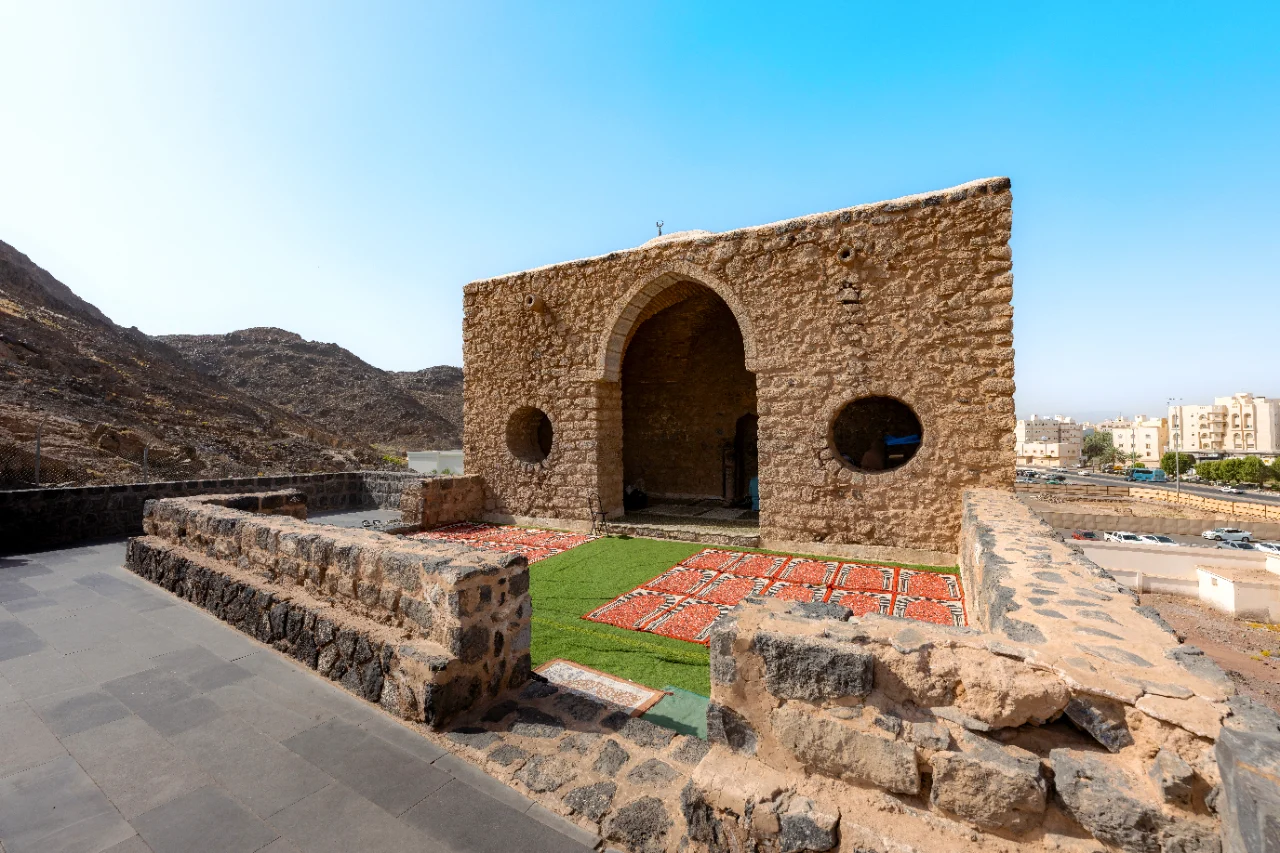
Historic Mosques Saudi: Sacred Heritage and Timeless Architecture
Saudi Arabia, the heartland of Islam, houses some of the world’s most historic mosques, each whispering stories of faith, devotion, and architectural brilliance. These sacred landmarks are more than places of worship—they’re living testaments to centuries of Islamic art and culture. From the Prophet’s Mosque in Medina to the oldest mosques in Diriyah and AlUla, each structure unveils a chapter of the Kingdom’s spiritual evolution. Travelers exploring these holy sites not only witness breathtaking architecture but also step back into history, tracing the legacy of the earliest followers of Islam. Whether you’re on a pilgrimage or a cultural journey, visiting historic mosques in Saudi Arabia offers an unparalleled experience of spirituality and discovery.
Today, as the Kingdom opens its doors wider to global travelers through Saudi Arabia Tours, these ancient mosques stand as cornerstones of its heritage tourism. They embody the soul of Islamic civilization and the Kingdom’s ongoing commitment to preserving its sacred heritage.
The Prophet’s Mosque in Medina: The Heart of Islamic History
At the center of Medina, the Prophet’s Mosque—known as Al-Masjid an-Nabawi—is one of Islam’s holiest sites, second only to the Grand Mosque in Makkah. Originally built by Prophet Muhammad himself, this sacred mosque has evolved magnificently over the centuries. Its iconic green dome marks the resting place of the Prophet, while its vast marble courtyards accommodate millions of worshippers during Ramadan and Hajj. The mosque’s striking blend of spirituality and architectural refinement makes it a must-visit landmark for visitors arriving through Medina Excursions or pilgrims seeking a deeply sacred experience. Beyond its monumental size, the Prophet’s Mosque symbolizes unity, peace, and the eternal message of Islam.
Quba Mosque: The First Mosque in Islam
The Quba Mosque holds a special place in Islamic history as the first mosque ever built. Established shortly after Prophet Muhammad’s migration from Makkah to Medina, it radiates simplicity and spiritual power. Its white structure gleaming under the desert sun is a striking sight, representing purity and devotion. Many pilgrims include it in their Medina Tour itineraries, honoring its timeless sanctity. Quba’s serene atmosphere and profound historical significance make it an essential stop for anyone exploring historic mosques in Saudi Arabia.
The Grand Mosque in Makkah: The Spiritual Epicenter
No discussion about historic mosques in Saudi Arabia is complete without mentioning Al-Masjid Al-Haram, the Grand Mosque in Makkah. Encompassing the Kaaba—the holiest site in Islam—it welcomes millions of pilgrims performing Hajj and Umrah each year. This awe-inspiring mosque has expanded through centuries, blending ancient heritage with state-of-the-art design. Visitors undertaking Makkah Spiritual Tour experiences often describe the moment they first see the Kaaba as life-changing. The mosque’s intricate marble floors, towering minarets, and tranquil rituals create a unique connection between faith and architecture.
Al-Diriyah’s Historic Mosques: Cradle of Saudi Heritage
In the ancient town of Diriyah, near Riyadh, lie some of the oldest mosques that mark the foundation of the Saudi state. These traditional mud-brick structures, surrounded by palm groves and historic walls, echo the authenticity of early Islamic life in the Arabian Peninsula. The Al-Turaif district’s restoration project has transformed the area into a UNESCO World Heritage Site, preserving its mosques as vital relics of the nation’s cultural identity. For history enthusiasts on Riyadh Day Tours, visiting Diriyah offers an intimate look into how faith shaped the Kingdom’s beginnings.
Al-Jummah Mosque in Medina: A Pillar of the Early Muslim Community
Another spiritual landmark in Medina, the Al-Jummah Mosque, holds a distinguished place as the site of the first Friday congregational prayer led by Prophet Muhammad. Its modest yet elegant architecture exemplifies early Islamic values of community and humility. The mosque continues to draw thousands of visitors who reflect on its historical significance. Combined with nearby sites like the Holy Mosque and Quba, Al-Jummah represents Medina’s unbroken chain of spiritual continuity.
Historic Mosques of Jeddah: Coastal Faith and Architectural Grandeur
Jeddah, the gateway to Makkah, boasts its own set of historic mosques that mirror the city’s cosmopolitan past. Among them stands the Floating Mosque, a modern architectural gem perched over the Red Sea. While newer in age, it embodies the continuity of Islamic design in a contemporary setting. Nearby, the city’s old district, Al-Balad Saudi Arabia, hides centuries-old mosques built from coral stones and teakwood imported from India, each narrating tales of seafarers and scholars. Exploring Jeddah’s mosque heritage during Jeddah Day Tours & Excursions unveils the spiritual rhythm of this vibrant port city.
AlUla’s Ancient Mosques: Where Faith Meets Desert Majesty
Deep in the northwest, AlUla’s desert landscapes cradle centuries-old mosques seamlessly woven into ancient settlements. The Old Town of Old Town AlUla features stone-built mosques and narrow alleys that once echoed with the call to prayer of passing caravans. Travelers on Alula Day Tours can explore these relics alongside archaeological landmarks like Madain Saleh (Hegra), feeling the pulse of faith that once connected the Arabian deserts.
Preservation Efforts and Cultural Revival
Saudi Arabia’s Vision 2030 has spearheaded extensive efforts to restore and preserve its historic mosques. The National Program for the Care of Historic Mosques has revitalized hundreds of ancient structures, ensuring that they remain active centers of worship and culture. This initiative not only conserves architectural heritage but also promotes sustainable tourism. Whether visitors arrive through Saudi Arabia Travel Packages or independent journeys, they witness a blend of ancient faith and modern preservation, where every minaret tells a story of resilience and reverence.
Architectural Styles of Historic Mosques in Saudi Arabia
The architectural diversity of Saudi Arabia’s mosques reflects regional identity and evolution across eras. In Najd, simple earthen designs prevail, featuring geometric decorations and palm-trunk ceilings. In the Hijaz region, especially in Makkah and Medina, Ottoman and Mamluk styles dominate with domes, arches, and intricate calligraphy. Coastal cities like Jeddah reveal coral-stone craftsmanship inspired by global trade influences. These styles collectively capture the Kingdom’s cultural mosaic, making mosque exploration a highlight of Tour to Saudi Arabia experiences for heritage enthusiasts.
Spiritual Tourism: A Gateway to Saudi Arabia’s Soul
Exploring historic mosques in Saudi Arabia provides more than a visual journey—it’s a spiritual awakening. Each site invites reflection, connection, and profound understanding of Islamic civilization’s roots. Tourists on AlUla Holiday Package or Riyadh Tour Package itineraries can witness firsthand how faith inspired art, architecture, and community across centuries. These mosques remain living institutions, bridging past and present, devotion and discovery.
FAQs About Historic Mosques in Saudi Arabia
1. What is the oldest mosque in Saudi Arabia?
The oldest mosque in Saudi Arabia is the Quba Mosque in Medina. Built during the Prophet Muhammad’s migration from Makkah, it holds immense historical and spiritual value as the first mosque in Islam.
2. Can non-Muslims visit historic mosques in Saudi Arabia?
Most mosques in Saudi Arabia, including the Grand Mosque and the Prophet’s Mosque, are reserved for Muslims. However, some historic mosques and cultural sites, particularly in areas like AlUla and Jeddah, can be visited externally by non-Muslims for architectural appreciation.
3. How many historic mosques are there in the Kingdom?
Saudi Arabia is home to thousands of mosques, with hundreds classified as historic. The National Program for the Care of Historic Mosques has restored over 100 sites across the Kingdom, preserving their spiritual and architectural legacy.
4. Which cities in Saudi Arabia have the most historic mosques?
Medina, Makkah, Riyadh, Jeddah, and AlUla are among the cities with the highest concentration of historic mosques. Each region’s mosques showcase unique architectural influences and cultural heritage.
5. What’s the best way to explore historic mosques in Saudi Arabia?
The best way to explore these mosques is through guided cultural trips such as Saudi Arabia Day Tours or specialized heritage packages. These tours provide expert insights into Islamic history, architecture, and local traditions associated with each sacred site.