Oases In Saudi Arabia
Enchanting Oases in Saudi Arabia: Hidden Paradises of the Desert Kingdom
In the heart of the Arabian Peninsula lies a land where gold-hued dunes stretch endlessly, yet amid this arid expanse bloom tranquil oases that breathe life into the desert. The oases in Saudi Arabia are more than geographical miracles—they’re living testaments to the Kingdom’s ancient civilizations, sustainable ingenuity, and unmatched natural diversity. These verdant havens, surrounded by date palms, bubbling springs, and fertile valleys, have sustained nomads, traders, and settlers for millennia. From Al-Ahsa’s lush palm groves to AlUla’s dramatic sandstone backdrop, each oasis reveals a captivating tale of survival and beauty intertwined. Whether you’re a history enthusiast, a nature lover, or an adventurer seeking serenity away from modern bustle, exploring Saudi Arabia’s oases opens a window into both heritage and hope.
Travelers embarking on Saudi Arabia Tours often marvel at these life-bearing sanctuaries, finding wonder in how nature and culture coexist in one of Earth’s most challenging environments. Let’s dive deep into these desert paradises—each oasis offering something unique yet connected by their shared story of endurance, abundance, and timeless charm.
Al-Ahsa Oasis – The Largest Oasis in the World
Designated as a UNESCO World Heritage Site, Al-Ahsa Oasis sprawls across Saudi Arabia’s Eastern Province, boasting over 2.5 million date palms and more than 60 natural springs. This colossal green expanse has been an agricultural heartland for over 6,000 years, nurturing settlements with abundant water flowing from the subterranean aquifers of Jebel Qarah. Tourists visiting Al-Ahsa are enchanted by its stunning landscapes, traditional mud-brick villages, and ancient irrigation systems that exemplify human adaptability in extreme climates.
Take a stroll through the historic Souq Al-Qaisariya, explore the mesmerizing caves of Jebel Qarah, or simply relax under the shade of endless date palms. For travelers seeking authentic immersion, Al-Ahsa is a must-visit stop in various Saudi Arabia Travel Packages, combining cultural heritage and natural splendor like nowhere else.
AlUla Oasis – Nature and History Intertwined
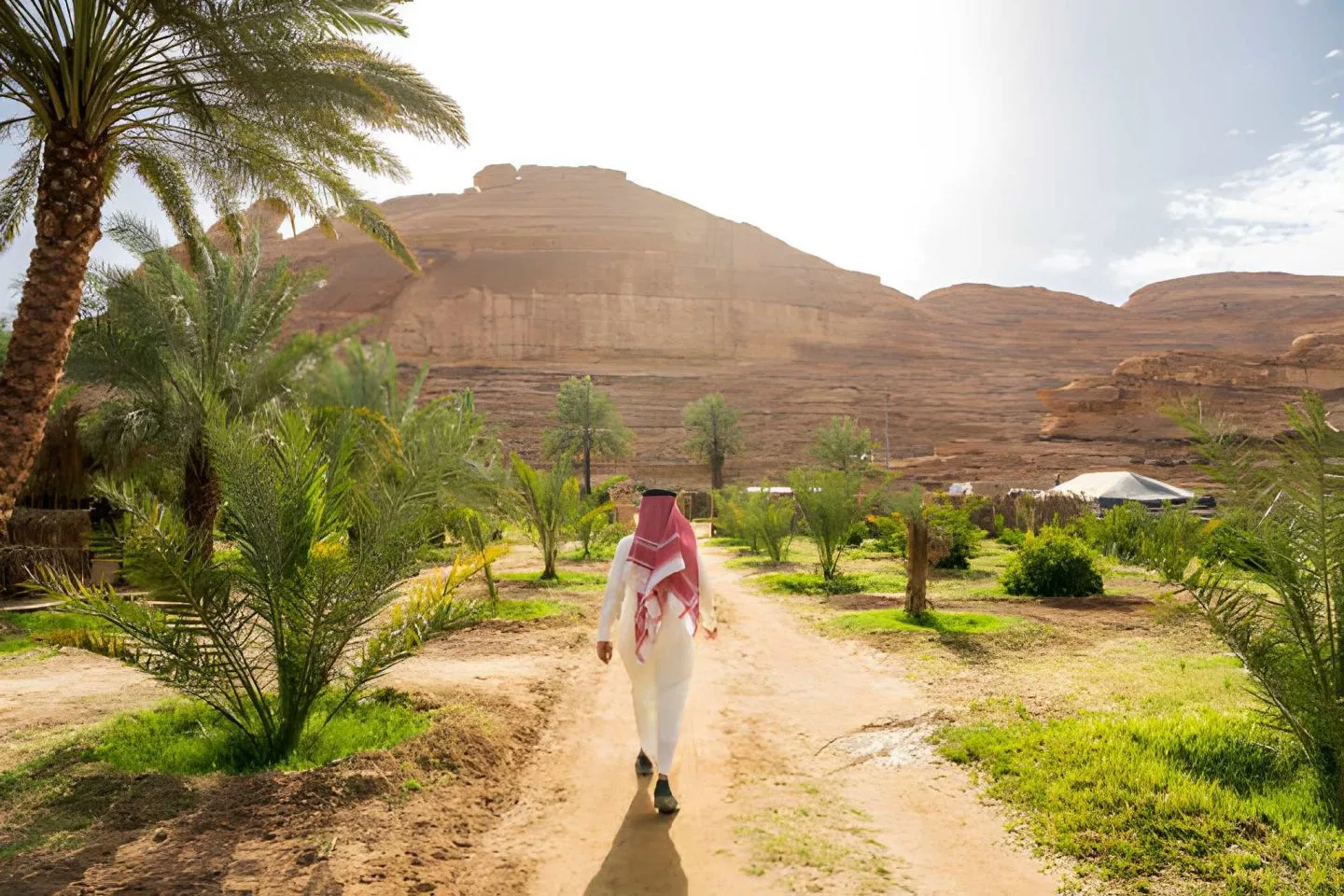
In the northwest of Saudi Arabia lies AlUla Oasis, a jewel nestled amid sandstone canyons and ancient tombs. AlUla’s fertile valley has long been a lifeline for civilizations such as the Dadanites and Nabataeans, who carved structures into red rock formations. The oasis is surrounded by a network of farms producing citrus fruits, dates, and grains. Walking through the lush pathways of AlUla, you’ll hear the gentle rustle of palm fronds and the soft trickle of irrigation channels—an experience that feels almost otherworldly.
Don’t miss landmarks near AlUla like Madain Saleh (Hegra) and the reflective Maraya Theatre. Visitors frequently include AlUla in AlUla Tours Packages to explore this magnificent fusion of archaeology, art, and oasis life.
Al-Qassim Oasis – The Heart of Date Production
Located north of Riyadh, the Al-Qassim region is celebrated for its vast date plantations. The oasis here sustains hundreds of farms, producing some of the highest-quality dates in the Kingdom. The annual Date Festival in Buraidah showcases the bounty of this fertile land, drawing traders from across the Arabian Peninsula. Al-Qassim’s oases are not just agricultural gems—they’re cultural cornerstones reflecting Saudi Arabia’s deep-rooted relationship with the date palm, often called the “Tree of Life.”
As you explore the region through Riyadh Day Tours, consider venturing to Al-Qassim to witness this lush landscape that thrives amid the desert’s golden hues. The oasis’s complex irrigation systems and farming traditions have been passed down through generations, making it a living museum of sustainable heritage.
Wadi Al-Dawasir Oasis – A Desert Haven in Najd
Deep within the Najd region, Wadi Al-Dawasir Oasis emerges as a green expanse surrounded by towering dunes. Fed by underground wells, this oasis supports vast agricultural projects, growing wheat, dates, and even citrus fruits. It’s a serene destination that showcases Saudi Arabia’s agricultural innovation, blending ancient wisdom with modern techniques. Wadi Al-Dawasir offers travelers a glimpse of desert life harmoniously sustained by water and willpower.
Travelers exploring central Saudi Arabia through a Riyadh Tour Package often add this hidden paradise to their itinerary, discovering not only its scenic charm but also its welcoming hospitality and authentic Bedouin culture.
Taif Oasis – The Mountainous Gem
Perched high in the Sarawat Mountains, Taif is often dubbed the ‘City of Roses’ due to its fragrant gardens and moderate climate. Unlike the desert oases, Taif’s lush valleys and orchards are nourished by mountain rains and natural springs. The oasis here grows grapes, pomegranates, figs, and the famous Taif roses, used for making exquisite perfumes. Surrounded by misty hills, Taif offers both cultural and natural beauty, attracting visitors year-round.
Explore the scenic Al Hada Mountain and the charming Rose Gardens to experience the vibrant essence of this oasis city. Taif’s cool air and fertile soil make it a refreshing retreat from the arid plains below, blending nature, luxury, and tradition seamlessly.
The Cultural Significance of Oases in Saudi Arabia
For centuries, oases in Saudi Arabia have been vital hubs for trade, culture, and faith. They served as rest stops along the ancient incense routes connecting Arabia to Mesopotamia and the Levant. These fertile enclaves not only fueled economic growth but also influenced settlement patterns, architectural styles, and agricultural practices. Oases symbolized life itself—representing prosperity, community, and spiritual renewal in an otherwise unforgiving environment.
Today, these oases are key attractions in many Saudi Arabia Day Tours, offering travelers a rare chance to walk paths once traversed by caravans and storytellers. The preservation of these oases remains integral to Saudi Arabia’s Vision 2030, emphasizing sustainable tourism and environmental stewardship.
Ecological Importance and Sustainability Efforts
Beyond cultural significance, Saudi Arabia’s oases play a crucial ecological role. They foster biodiversity, hosting migratory birds, native flora, and unique desert fauna. Modern conservation efforts focus on balancing tourism, agriculture, and natural resource preservation. Initiatives include reforestation projects, efficient irrigation systems, and eco-tourism regulations designed to maintain the delicate harmony of these ecosystems.
For eco-travelers participating in guided adventures like Asir Day Tour or 8 Days Luxury Saudi Arabia Vacation, these oases offer unforgettable opportunities to engage in responsible exploration while witnessing the Kingdom’s commitment to sustainability.
Travel Tips for Visiting Oases in Saudi Arabia
When planning a trip to Saudi Arabia’s oases, timing matters. The best months to visit are between October and March when temperatures are cooler and landscapes more vibrant. Respect local customs and dress modestly, especially in traditional areas. Bring comfortable walking shoes, as many oases are best enjoyed on foot. Consider incorporating visits to multiple oases through curated experiences like the Jeddah Madinah AlUla Riyadh 8 Days Tour for a comprehensive exploration of Saudi Arabia’s natural and cultural diversity.
FAQs About Oases in Saudi Arabia
What is the largest oasis in Saudi Arabia?
The Al-Ahsa Oasis in the Eastern Province is the largest oasis not only in Saudi Arabia but in the world, known for its millions of date palms and extensive spring system.
Which oasis is best for cultural tourism?
AlUla Oasis stands out for cultural tourism due to its blend of ancient heritage, archaeological wonders, and scenic farming landscapes. It’s a centerpiece in many AlUla Holiday Package itineraries.
When is the best time to visit Saudi Arabian oases?
The optimal time for visiting oases in Saudi Arabia is from late autumn to early spring (October–March), when temperatures are mild and ideal for outdoor exploration.
Do Saudi oases have historical importance?
Absolutely. Oases served as trade hubs along ancient caravan routes, linking the Arabian Peninsula with Africa and Asia. They were also centers of early agriculture, architecture, and spiritual life.
Can tourists stay near Saudi Arabia’s oases?
Yes, various eco-friendly resorts and heritage lodges have opened near major oases like AlUla and Al-Ahsa, allowing visitors to enjoy authentic experiences amidst nature and history.