Saudi Dates Guide
Saudi Dates Guide: The Jewel of Arabian Heritage and Flavor
Saudi Arabia, the land of golden sands and timeless traditions, is renowned for one of its most treasured gifts — dates. These naturally sweet fruits symbolize hospitality, prosperity, and deep-rooted cultural pride across the Kingdom. This Saudi Dates Guide unravels the history, varieties, nutritional wonders, and modern use of Saudi dates, making it an essential read for travelers, food enthusiasts, and cultural explorers alike. From the sun-drenched palm groves of Qassim to the lush oases of Al-Ahsa, Saudi dates have been cherished for centuries as both sustenance and a sacred offering.
Dates are more than a staple — they’re a way of life. Whether enjoyed during Ramadan iftar, served with aromatic Saudi coffee, or gifted in elegant boxes to mark special occasions, dates represent generosity and unity. With over 400 varieties cultivated across the Kingdom, Saudi Arabia stands as one of the world’s largest producers and exporters. This guide dives deep into their flavors, origins, and cultural symbolism, offering a complete understanding of this sweet treasure that continues to shape Saudi identity.
Exploring the History and Cultural Importance of Saudi Dates
For thousands of years, dates have sustained Arabian civilizations, serving as the lifeblood of trade routes like the ancient Incense Road. In pre-oil Arabia, dates were currency, food, and medicine all rolled into one. They played a central role in social gatherings, religious rituals, and even diplomacy. The Prophet Muhammad (peace be upon him) personally valued dates, consuming them regularly and encouraging their cultivation, further cementing their sacred place in Saudi tradition.
Today, date palms dominate the Saudi landscape, particularly in regions like Qassim, Medina, and Al-Ahsa — home to the world’s largest palm oasis and a UNESCO-listed heritage site. Travelers exploring Saudi Arabia through Medina Excursions often witness local markets brimming with fresh and dried varieties, each boasting unique flavors and textures. The date trade continues to thrive, preserving ancient cultivation methods while embracing modern technology.
Popular Regions for Date Cultivation in Saudi Arabia
Saudi Arabia’s diverse climate and fertile oases create ideal conditions for cultivating premium dates. The Qassim region is famed for its Sukkari and Khalas dates, prized for their caramel-like sweetness. Meanwhile, Al-Ahsa produces lush Khlas and Barhi dates with stunning golden hues. Medina’s Ajwa dates, known for their spiritual significance and velvety taste, stand as one of the most sought-after varieties worldwide.
Visitors can explore these date-producing regions through curated Riyadh Day Tours or immersive AlUla Tours Packages, where they’ll witness palm cultivation, traditional harvesting techniques, and date festivals celebrating this sweet heritage.
The Most Famous Varieties of Saudi Dates
Ajwa Dates – The Holy Delight of Medina
Ajwa dates, grown exclusively in Medina, are revered for their religious significance and unique flavor profile. Soft, slightly dry, and rich with hints of caramel and spice, Ajwa dates are a symbol of blessing and health. Pilgrims visiting the Prophet’s Mosque often bring them home as a cherished souvenir after their Makkah Spiritual Tour or Medina pilgrimage.
Sukkari Dates – The Sugar King of Qassim
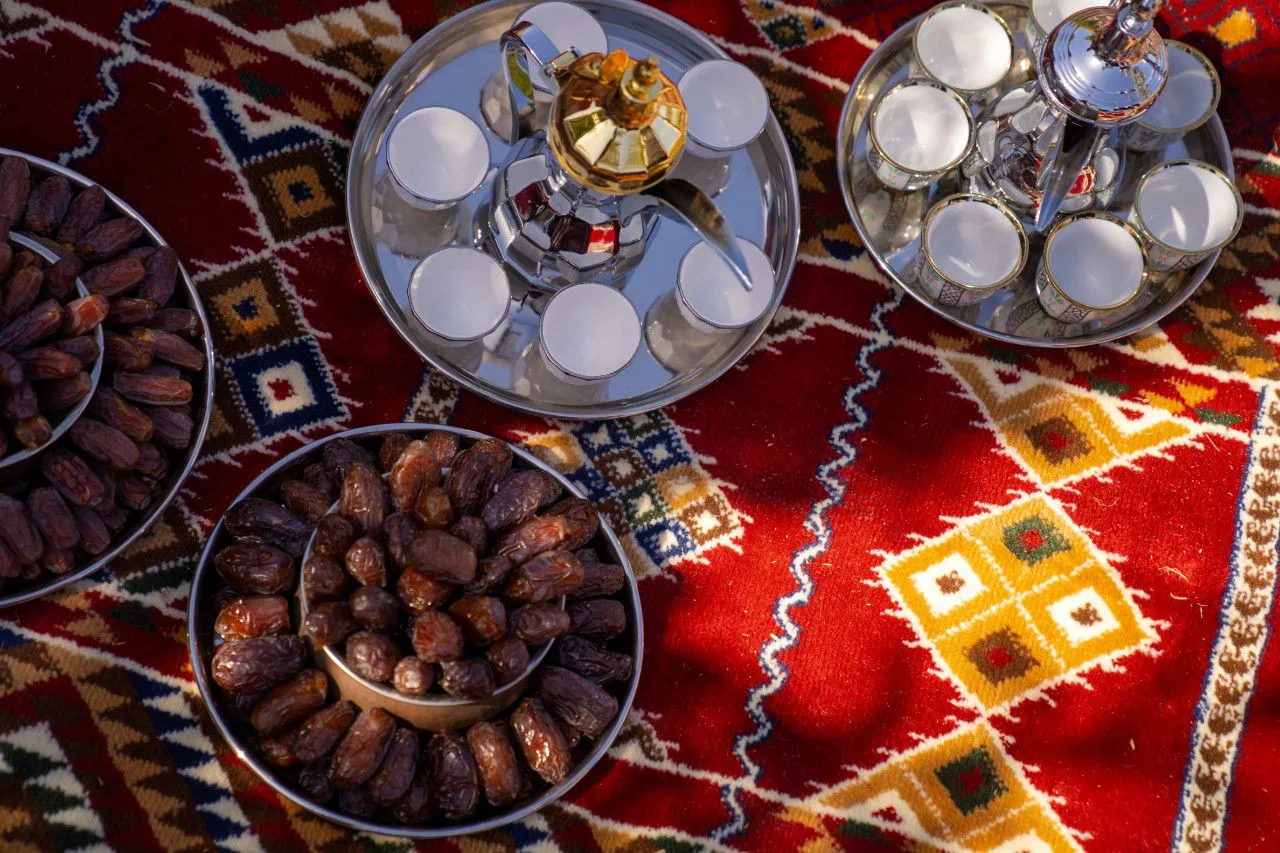
As the name suggests, Sukkari (meaning “sugary”) dates are famous for their intense sweetness and crunchy texture. Grown mainly in Qassim, they’re the ultimate Saudi treat served alongside Arabic coffee in homes, majlis gatherings, and Bedouin feasts. Their golden-brown hue and melt-in-your-mouth consistency make them a favorite among locals and tourists.
Khlas Dates – The Golden Treasure of Al-Ahsa
Khlas dates are smooth, semi-dry, and golden in color, with a honey-like aftertaste that perfectly complements their chewy texture. They’re often eaten fresh and are among the most exported date varieties from Saudi Arabia. Al-Ahsa’s fertile soil and underground springs give Khlas dates their distinctive flavor, making them a must-try for date connoisseurs visiting Saudi Arabia on a Saudi Arabia Travel Package.
Barhi Dates – The Bite of Sweet Sunshine
Barhi dates, known for their delicate skin and soft flesh, are best enjoyed fresh when they’re golden-yellow and slightly crisp. Once ripened, they transform into luscious, brown, syrupy fruits bursting with tropical sweetness. In Saudi homes, Barhi dates often accompany afternoon tea and traditional desserts highlighted in Saudi desserts.
Safawi and Mabroom – The Gourmet Duo
These two premium varieties from Medina captivate with their refined texture and balanced sweetness. Safawi dates are dark, rich, and chewy, while Mabroom dates are slender, firm, and subtly sweet. Together, they represent the diversity of Saudi date craftsmanship — each bite reflecting centuries of cultivation expertise and cultural pride.
Health Benefits and Nutritional Value of Saudi Dates
Beyond their irresistible taste, Saudi dates pack a powerful nutritional punch. Rich in fiber, potassium, magnesium, and natural sugars, they provide sustained energy — perfect for desert travelers and modern-day fitness enthusiasts. They’re also loaded with antioxidants, supporting heart health, digestion, and immunity. Small wonder they’re often referred to as ‘nature’s candy with benefits.’
In traditional Saudi medicine, dates are used to treat fatigue, anemia, and digestive issues. Their natural fructose content offers a quick energy boost without harmful refined sugars. Pairing dates with nuts or yogurt enhances their nutritional balance, making them a popular breakfast staple across Saudi Arabia and beyond.
How Dates Define Saudi Hospitality and Heritage
Offering dates to guests is a time-honored tradition deeply embedded in Saudi culture. Upon entering a home, visitors are greeted with dates and Saudi tea or coffee — a gesture reflecting warmth and generosity. During Ramadan, dates are the first food consumed to break the fast, symbolizing gratitude and spiritual renewal.
Even during high-profile gatherings and Saudi holidays, dates feature prominently in culinary celebrations, often stuffed with almonds or coated in chocolate. The annual Buraidah Date Festival, one of the world’s largest, attracts thousands of traders and tourists eager to experience this vibrant facet of Saudi heritage.
Buying and Storing Saudi Dates Like a Local
For those looking to bring the authentic taste of Saudi Arabia home, buying locally sourced dates is an unforgettable experience. Markets in Medina, Riyadh, and Qassim offer hundreds of varieties neatly displayed in wooden boxes or woven baskets. When purchasing, always check for freshness, natural shine, and unbroken skin. Premium-quality dates should feel soft but not sticky.
To preserve their flavor, store dates in a cool, airtight container. Soft varieties like Sukkari and Barhi should be refrigerated, while dry types like Safawi and Ajwa can be kept at room temperature for months. Many travelers opt for elegant gift boxes to share a piece of Saudi tradition with loved ones — a meaningful reminder of their Saudi Arabia Tour.
Frequently Asked Questions About Saudi Dates
What makes Saudi dates unique compared to other Middle Eastern dates?
Saudi dates stand out for their exceptional quality, wide variety, and deep cultural symbolism. Grown in mineral-rich soils under intense sunlight, they boast unparalleled sweetness and texture. The Kingdom also maintains centuries-old farming methods that ensure purity and authenticity.
Where can tourists buy the best Saudi dates?
The best places to buy Saudi dates are traditional markets in Medina, Qassim, and Al-Ahsa. High-end date boutiques in Riyadh and Jeddah also offer luxury gift boxes. Travelers exploring with Jeddah Day Tours & Excursions can discover local shops selling freshly harvested varieties.
How are dates used in Saudi cuisine?
Dates are a versatile ingredient used in sauces, desserts, and savory dishes. They’re often blended into smoothies, filled with nuts, or incorporated into traditional sweets like Ma’amoul. Many traditional Saudi dishes pair dates with rice, meat, and spices, creating a delightful balance of sweet and savory flavors.
Can I visit a date farm in Saudi Arabia?
Absolutely! Many farms in Qassim, Al-Ahsa, and Medina welcome visitors for tours and tastings. You can enjoy guided walks through palm groves, learn about harvesting techniques, and sample various types of dates during Saudi Arabia Day Tours.
Are dates suitable for a healthy diet?
Yes, dates are naturally nutritious and make a healthy substitute for refined sugar. They’re packed with fiber, antioxidants, and essential minerals that promote energy and digestive health. When consumed in moderation, they’re a perfect addition to balanced diets worldwide.