Caves In Saudi Arabia
Caves in Saudi Arabia: Hidden Underground Wonders of the Kingdom
Deep beneath Saudi Arabia’s vast deserts and rugged mountains lies a hidden world that few travelers have explored — the breathtaking caves of the Kingdom. These natural formations, carved over millions of years by water, wind, and geological shifts, offer a glimpse into Saudi Arabia’s ancient landscape and its mysterious underground ecosystems. From shimmering crystal chambers to labyrinth-like tunnels, the caves in Saudi Arabia are an untapped treasure for adventurers, geologists, and cultural enthusiasts alike. As tourism in the Kingdom continues to expand, these subterranean wonders are drawing more attention, promising unforgettable adventures for those who dare to explore their depths.
The growing popularity of Saudi Arabia Tours has opened new opportunities to uncover the lesser-known natural beauty of the country. While the awe-inspiring rock formations of AlUla and the dramatic cliffs of the Empty Quarter often steal the spotlight, the caves of Saudi Arabia quietly captivate with their raw, untouched allure. Visitors can now explore these geological marvels through specialized adventures offered in areas such as the Hail region, the Aseer Highlands, and the majestic lava fields near Al Madinah. Each cave tells a story of time, nature, and survival — making them not just geological sites but living museums of Earth’s history.
Whether it’s the depth of Dahl Hit near Riyadh or the mysterious lava tubes of Harrat Khaybar, these natural formations promise both thrill and serenity. For travelers seeking off-the-beaten-path adventures, cave exploration in Saudi Arabia is a journey into another world — one filled with silence, mystery, and the raw power of nature.
The Geological Formation of Saudi Arabia’s Caves
Saudi Arabia’s caves offer a fascinating window into the geological processes that have shaped the Arabian Peninsula. The majority of these underground formations are found within the limestone and basalt landscapes, created through the slow dissolution of soluble rocks and volcanic activity. In regions like Harrat Khaybar, extensive lava tubes were formed by molten rivers of basalt that cooled on the surface while the inner lava continued to flow, leaving behind hollow tunnels. Meanwhile, the limestone caves of the central desert regions, such as Dahl Hit and Dahl Sultan, were formed by groundwater eroding the rock over millennia, creating chambers of stunning natural beauty.
Travelers can easily combine a cave exploration with scenic excursions such as the Edge of the World Riyadh Tour, offering contrasting landscapes from towering escarpments to hidden underground worlds. Each cave, with its unique mineral deposits, stalactites, and stalagmites, tells a tale of time and transformation, showcasing the extraordinary natural diversity of Saudi Arabia.
Dahl Hit Cave: Riyadh’s Hidden Underground Lake
Just outside Riyadh lies one of Saudi Arabia’s most famous underground attractions — Dahl Hit Cave. This vertical sinkhole plunges deep into the Earth, revealing a crystal-clear underground lake surrounded by limestone walls. The cave, also known as Ain Heet, is a magnet for adventurers seeking to dive or simply marvel at its mesmerizing turquoise waters. With its cool temperatures and tranquil atmosphere, Dahl Hit offers respite from the desert heat, making it one of the most sought-after natural wonders near the capital.
Those exploring nearby attractions such as Masmak Fort or Diriyah can easily add Dahl Hit to their itinerary for a thrilling natural contrast to the city’s historical landmarks.
Jabal Al Qarah: The Whispering Mountain of the Eastern Province
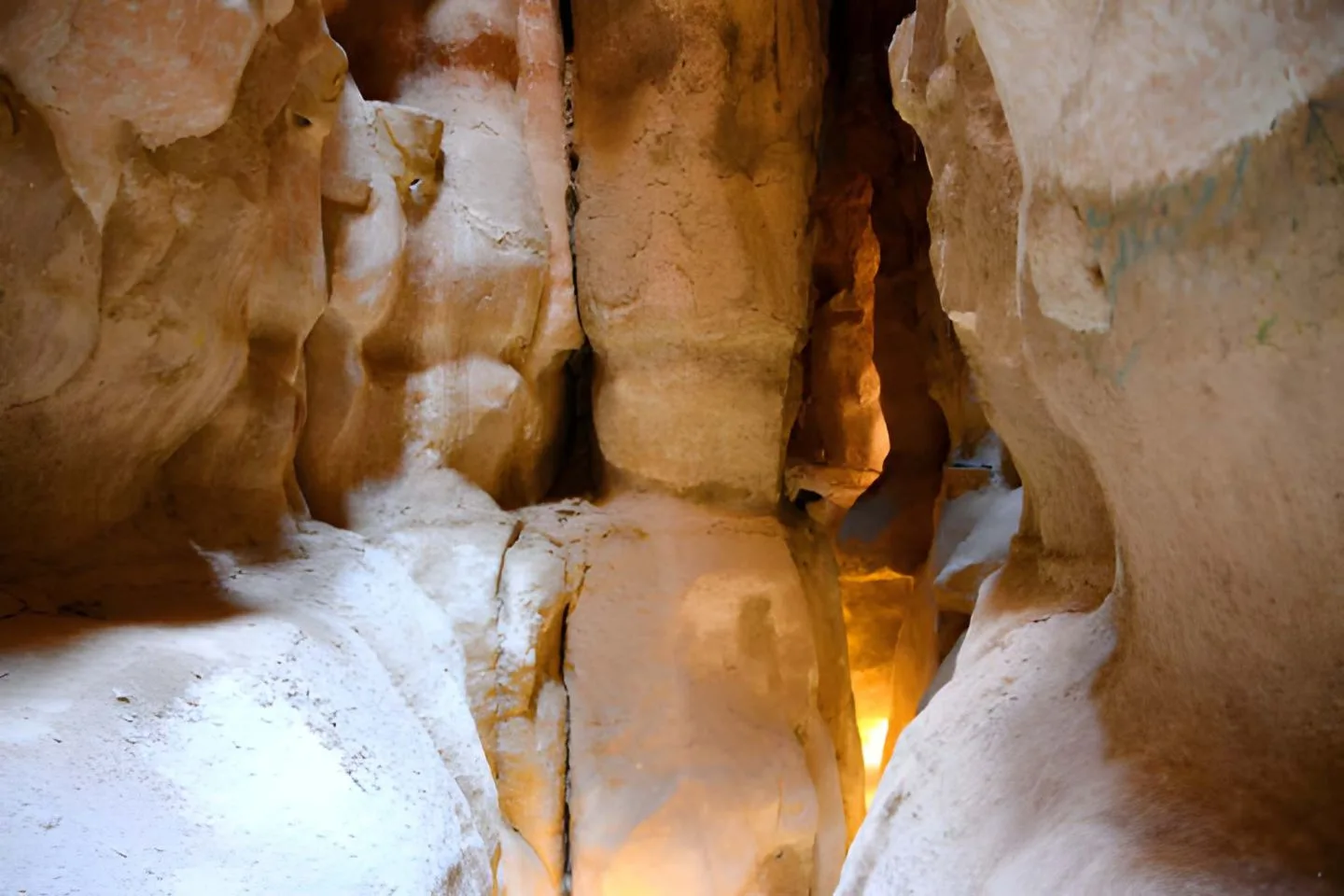
Located near Hofuf in the Al Ahsa region, Jabal Al Qarah is a geological marvel often referred to as the ‘Whispering Mountain’ due to the soft echoes that travel through its narrow passageways. The caves here are cooler than the outside desert and lined with smooth sandstone formations sculpted by centuries of erosion. Visitors can wander through the maze-like corridors, admire the shifting light patterns, and enjoy panoramic views of the surrounding oasis. Jabal Al Qarah’s accessibility and historical significance make it one of the most family-friendly cave destinations in Saudi Arabia.
Dahl Sultan: The Cave of Legends in Hail
In the heart of Hail, Dahl Sultan stands as a testament to Saudi Arabia’s rich folklore and natural heritage. The cave’s intricate formations and deep chambers have inspired tales of hidden treasures and ancient spirits. For spelunkers, it offers an exciting challenge with its narrow tunnels and dramatic vertical drops. The Hail region, known for its ancient rock art and archaeological significance, provides a perfect backdrop for explorers fascinated by both natural and cultural history.
Lava Tubes of Harrat Khaybar: Volcanic Wonders of the North
The Harrat Khaybar lava fields in northwestern Saudi Arabia host an extraordinary network of volcanic caves and tunnels, some stretching for kilometers. These lava tubes were formed by volcanic eruptions millions of years ago and remain remarkably preserved. Inside, explorers find evidence of ancient habitats and rare geological formations. The surreal black landscape outside contrasts beautifully with the hidden caverns within, making this area a dream for geologists and photographers alike.
Pairing a visit here with other northern attractions like Madain Saleh (Hegra) or Elephant Rock creates an unforgettable adventure through Saudi Arabia’s most visually stunning landscapes.
Exploring Aseer’s Hidden Caves and Natural Wonders
The Aseer region, known for its lush mountains and cool climate, hides numerous unexplored caves within its rugged terrain. These caverns, often located in remote valleys and cliffs, are rich in biodiversity and traditional folklore. The combination of high humidity and mineral-rich rock produces remarkable formations rarely seen elsewhere in the country. Combining a cave exploration with a scenic Aseer Excursion offers travelers a perfect blend of adventure, culture, and natural beauty.
Modern Exploration and Conservation Efforts
Saudi Arabia has recently invested heavily in studying and preserving its cave systems. The Saudi Geological Survey has mapped hundreds of caves across the Kingdom, documenting their geological, ecological, and archaeological importance. As eco-tourism gains traction, these initiatives aim to balance public access with preservation. Guided tours, safety standards, and environmental education are becoming integral parts of the cave tourism experience, ensuring that future generations can appreciate these natural wonders responsibly.
Integrating cave tours into curated experiences like AlUla Holiday Packages or Best Tour Packages in Saudi Arabia allows visitors to enjoy both adventure and comfort while exploring the Kingdom’s diverse natural heritage.
Best Time and Tips for Visiting Caves in Saudi Arabia
The ideal time to explore Saudi Arabia’s caves is between October and March, when temperatures are cooler and conditions safer. Always travel with a local guide familiar with cave terrain, and carry essential gear such as helmets, headlamps, gloves, and sturdy footwear. Cave environments can be slippery and dark, so extra caution is recommended. Some caves, like Dahl Hit, may require special permits or equipment for diving. It’s always wise to check accessibility and conditions in advance through reliable tour providers or local authorities.
FAQs about Caves in Saudi Arabia
1. Are the caves in Saudi Arabia open to the public?
Yes, several caves, such as Dahl Hit and Jabal Al Qarah, are open to visitors. However, access may vary depending on safety regulations and environmental conditions. Always check ahead with local authorities or tour companies before visiting.
2. What is the most famous cave in Saudi Arabia?
Dahl Hit Cave near Riyadh is perhaps the most renowned due to its clear underground lake and easy accessibility from the capital. It’s a popular destination for both tourists and locals seeking a natural escape.
3. Are there guided cave tours available?
Yes, professional guided cave expeditions are available through specialized Saudi Arabia Day Tours and adventure travel companies. These tours often include safety equipment, transportation, and expert guidance.
4. What kind of wildlife can be found inside Saudi caves?
While some caves are barren, others host fascinating ecosystems, including bats, insects, and rare subterranean species adapted to the darkness. The biodiversity varies depending on the cave’s humidity, size, and location.
5. Can I combine cave exploration with other attractions in Saudi Arabia?
Absolutely! Many travelers pair cave explorations with cultural and natural landmarks such as Sharaan Nature Reserve or Jeddah Day Tours & Excursions. This combination offers a rich and balanced Saudi experience.