
Traditional Dishes In Saudi Arabia
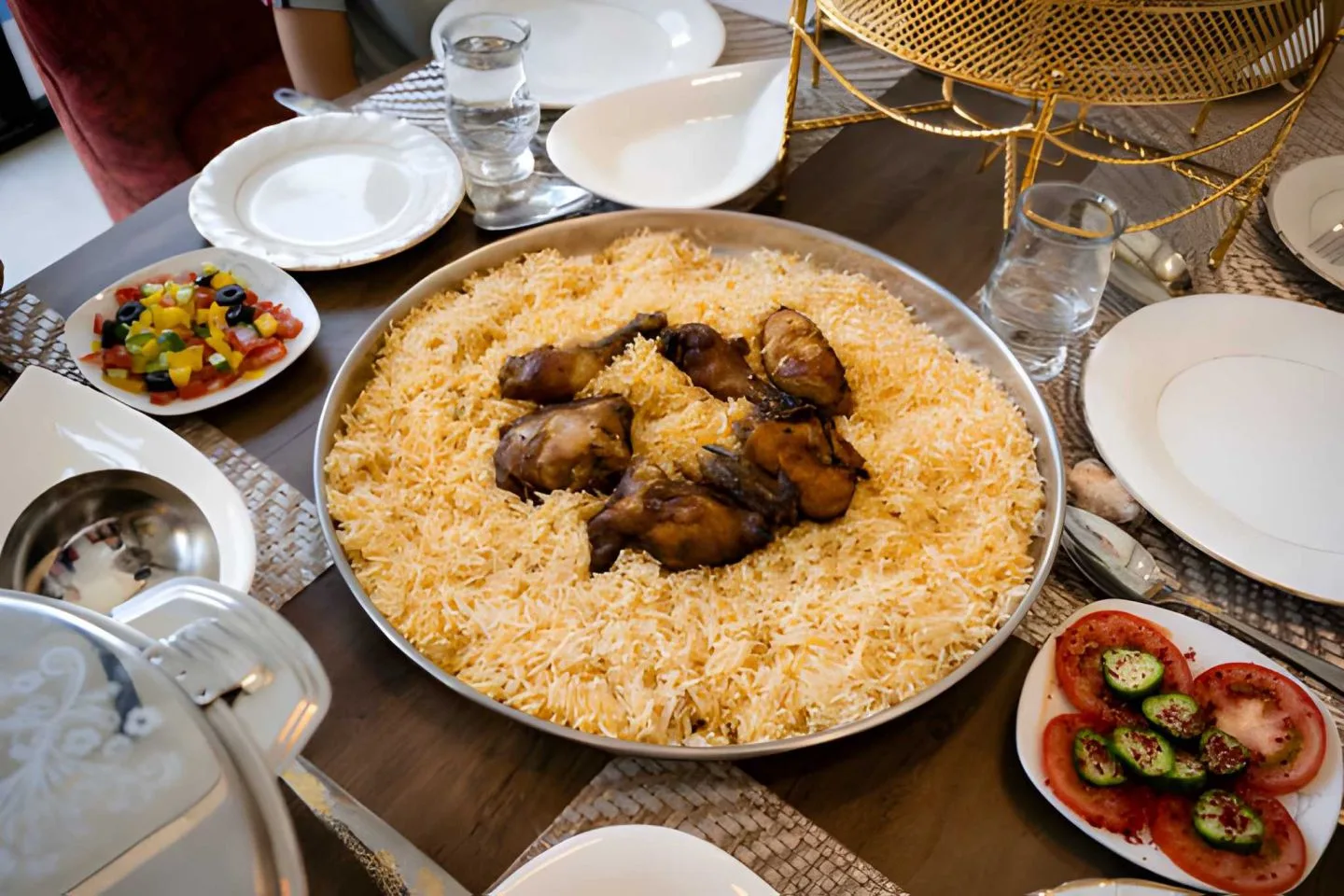
Traditional Dishes in Saudi Arabia – A Culinary Journey Through the Kingdom’s Heritage
Saudi Arabia’s culinary traditions reflect centuries of history, trade, and hospitality rooted deeply in Bedouin culture. Every dish tells a story of survival in harsh deserts, of family gatherings around the hearth, and of celebrations that showcase generosity. Traditional Saudi cuisine, with its aromatic spices and hearty textures, embodies the kingdom’s rich identity. From the bustling streets of Riyadh to the serene landscapes of AlUla, food here isn’t merely sustenance—it’s a cultural expression that connects people to their roots. Visitors embarking on Saudi Arabia Tours often find that exploring local dishes is a highlight of their experience, offering a delicious gateway into the nation’s soul.
As Saudi Arabia opens its doors wider to global travelers, its local cuisine continues to shine as an authentic experience that balances tradition with evolution. Each region contributes something unique—Najd’s spiced rice dishes, the Hijaz region’s diverse urban influences, and Asir’s mountain-inspired recipes. Saudi meals are communal, often served on large platters symbolizing unity and shared blessings. Aromatic rice, slow-cooked meat, and spiced sauces dominate tables, complemented by Arabic coffee, dates, and desserts that reflect the warmth of Saudi hospitality. This article explores the most beloved traditional dishes in Saudi Arabia and the deep-rooted stories behind them.
Saudi Kabsa – The National Dish and Cultural Symbol
Kabsa, often hailed as Saudi Arabia’s national dish, epitomizes the kingdom’s love for bold flavors and shared dining. This fragrant rice-based meal is traditionally prepared with chicken, lamb, or camel meat, simmered with a unique blend of spices including cardamom, cloves, cinnamon, and black lime. The result? A savory symphony of aroma and taste. Kabsa’s origins trace back to the Bedouins, who cooked it over open fires, making use of locally available ingredients. Today, it’s a centerpiece at weddings, Eid celebrations, and family gatherings. Whether you’re touring the desert or enjoying modern dining in Riyadh, Kabsa remains a must-try for understanding Saudi culinary pride.
Jareesh – The Ancient Comfort Food of the Najd Region
Jareesh, a time-honored dish from central Saudi Arabia, showcases the simplicity and heartiness of traditional cuisine. Made by crushing wheat and cooking it slowly with meat or chicken, yogurt, and spices, it produces a creamy porridge-like texture bursting with rustic flavor. It’s often served at rural gatherings, symbolizing comfort and abundance. Travelers exploring the capital on Riyadh Day Tours can savor authentic Jareesh at heritage restaurants that preserve this treasured recipe. Its nutritional value and warmth make it a favorite during the cooler months, embodying the true spirit of Saudi home cooking.
Haneeth – A Slow-Cooked Masterpiece from the South
Haneeth, originating from the mountainous Asir region, is a traditional lamb dish slow-cooked in clay ovens or underground pits. The technique allows the meat to become tender while absorbing smoky, spiced flavors that melt in your mouth. Typically served on a bed of fragrant rice, Haneeth is both a feast for the senses and a testament to Saudi Arabia’s mastery of slow cooking. While journeying through the scenic landscapes of Abha or on Aseer Excursions, tasting Haneeth offers a deep connection to the region’s tribal roots and culinary ingenuity.
Mandi – A Yemeni Influence Perfected by Saudis
Though originally from Yemen, Mandi has become a beloved dish across Saudi Arabia, particularly in the southern and western regions. Made with rice, meat, and a delicate blend of spices, Mandi is traditionally cooked in underground tandoor-style ovens. The result is a smoky, tender dish that rivals any royal feast. Each bite reflects centuries of cultural exchange across the Arabian Peninsula. Tourists enjoying AlUla Tours Packages often find restaurants serving this aromatic delicacy, prepared the same way it was hundreds of years ago.
Saleeg – The Creamy Rice Dish of the Hijaz
Saleeg, a signature dish from the Hijaz region, particularly around Makkah and Taif, is comfort food at its finest. It’s made with rice cooked in milk and chicken broth, then topped with roasted chicken and a drizzle of ghee. The creamy texture and mild flavor make it a soothing meal after a long day of exploration. Visitors on Makkah Day Tours often indulge in Saleeg, experiencing firsthand how Saudi cuisine blends indulgence with simplicity. Its resemblance to Italian risotto surprises many, yet it carries distinct Saudi character in every spoonful.
Mutabbaq – The Savory Stuffed Pastry
Mutabbaq, which means ‘folded’ in Arabic, is a street food delight that has won hearts across Saudi Arabia. Originating from trade routes connecting Arabia with Southeast Asia, Mutabbaq is typically a thin pastry stuffed with minced meat, eggs, onions, and spices, then pan-fried to golden perfection. It’s a common evening snack found in markets and souqs, especially in coastal cities like Jeddah. For travelers enjoying Jeddah Day Tours & Excursions, tasting freshly prepared Mutabbaq is a must to experience Saudi Arabia’s multicultural culinary influences.
Tharid – The Prophet’s Favorite Dish
Tharid holds a special place in Saudi culinary tradition as one of the Prophet Muhammad’s favorite dishes. It’s a hearty stew combining meat, vegetables, and broth poured over pieces of flatbread. The bread soaks up the flavors, creating a dish that’s rustic yet deeply satisfying. Tharid is often served during Ramadan and religious gatherings, symbolizing nourishment and community. Its enduring presence across centuries underscores its importance in both spiritual and gastronomic contexts.
Marqooq – A Traditional Stew with Bread Layers
Marqooq, another classic from central Saudi Arabia, combines thin sheets of whole-wheat dough cooked in a rich, spiced stew of vegetables and meat. The dough absorbs the flavors, creating a unique layered texture. It’s both hearty and wholesome, often prepared during family get-togethers. The dish exemplifies how Saudi cuisine transforms modest ingredients into unforgettable flavors. It's a favorite among locals who cherish slow-cooked, home-style meals reflecting Najdi heritage.
Samboosa – A Ramadan Favorite
No Saudi Ramadan iftar is complete without Samboosa. Inspired by South Asian samosas, Samboosa is a crispy pastry filled with minced meat, cheese, or vegetables. These delicious triangles are fried to golden perfection and served with tangy sauces. Though small in size, they pack an explosion of flavors, symbolizing Saudi Arabia’s long history of cultural exchange through trade and migration. You’ll find them everywhere—from family homes to roadside stalls—during the holy month and festive occasions.
Saudi Sweets and Desserts – A Taste of Arabian Indulgence
Saudi desserts are as luxurious as their main courses, often featuring dates, honey, nuts, and cardamom. Dishes like Ma’amoul (date-filled pastries) and Basbousa (sweet semolina cake) are prepared for celebrations and served with Arabic coffee. These sweets reflect the kingdom’s fondness for natural ingredients and warm hospitality. Visitors who explore Saudi festivals or embark on Saudi Arabia Day Tours can witness how desserts are integral to every social gathering, turning simple ingredients into mouthwatering works of art.
Saudi Coffee and Dates – The Ultimate Symbol of Hospitality
No discussion of Saudi cuisine would be complete without mentioning Arabic coffee (Gahwa) and dates. Served as a welcome gesture, they embody generosity and friendship. The coffee, brewed with cardamom and saffron, is poured into small cups and accompanied by sweet dates to balance the flavors. Travelers curious about this time-honored tradition can dive deeper into the Saudi Coffee Culture, discovering how it remains central to the kingdom’s identity even today.
Regional Culinary Diversity Across the Kingdom
Every Saudi region has its distinct culinary identity. The Najd region favors wheat-based dishes like Jareesh and Marqooq, while the Hijaz region enjoys a cosmopolitan mix influenced by pilgrims from around the world. In the Asir mountains, stews and grilled meats dominate, often served with tangy sauces and fresh vegetables. Coastal cities such as Jeddah feature seafood specialties reflecting their Red Sea heritage. Exploring these diverse flavors during a Saudi Arabia Travel Package gives visitors a taste of the kingdom’s cultural mosaic through food.
Modern Interpretations of Traditional Saudi Cuisine
While Saudi Arabia stays rooted in tradition, contemporary chefs are reimagining classic dishes with modern flair. Upscale restaurants blend traditional recipes with international techniques, offering innovative presentations without losing authenticity. This culinary evolution mirrors the nation’s broader vision of progress—honoring its heritage while embracing the future. From Riyadh’s fine dining scene to the historic alleys of Al-Balad Saudi Arabia, the essence of Saudi food remains timeless.
FAQs About Traditional Dishes in Saudi Arabia
What is the most popular traditional dish in Saudi Arabia?
Kabsa stands as the most popular and iconic traditional dish in Saudi Arabia. It’s a flavorful rice dish cooked with meat and spices, often served during large gatherings and celebrations. Its aroma and colorful presentation make it the pride of Saudi cuisine.
Are Saudi dishes generally spicy?
While Saudi cuisine is rich in spices, it’s not overwhelmingly spicy. Ingredients like cardamom, cloves, cinnamon, and black lime add depth without excessive heat, making the food aromatic and flavorful rather than fiery.
What types of meat are commonly used in Saudi cooking?
Lamb and chicken are the most commonly used meats in Saudi dishes. In some regions, camel meat and seafood are also featured, especially along the coastal areas like Jeddah and the Eastern Province.
What are some must-try Saudi desserts?
Popular Saudi desserts include Ma’amoul (date-filled cookies), Kunafa (shredded pastry with cheese or cream), and Basbousa (sweet semolina cake). These treats often accompany coffee or tea and are staples during festivals and family occasions.
Where can tourists taste authentic traditional Saudi food?
Tourists can enjoy authentic Saudi dishes at heritage restaurants such as Najd Village Restaurant in Riyadh or local eateries in Jeddah, Makkah, and AlUla. Joining organized cultural or food-focused 10 Days Saudi Arabia Experience tours also ensures visitors sample the most authentic flavors across the kingdom.