Saudi Holidays And Traditions
Saudi Holidays and Traditions: A Journey Through the Kingdom's Cultural Heart
Saudi Arabia, a land of deep-rooted traditions and vibrant celebrations, stands as a beacon of cultural authenticity in the Arabian Peninsula. Every corner of the Kingdom tells a story intertwined with faith, heritage, and a strong sense of community. From the sacred observances of Islamic holidays to the joyful festivities of National Day, Saudi holidays and traditions paint a vivid picture of a nation that honors its past while embracing the future. The country's customs are not merely symbolic—they’re living expressions of hospitality, spirituality, and unity that shape everyday life.
Visitors embarking on Saudi Arabia Tours often marvel at how these celebrations blend modern grandeur with timeless rituals. Whether it’s the holy month of Ramadan, the jubilant Eid gatherings, or the majestic Saudi National Day parades, each event highlights the rich tapestry of Saudi culture. The Kingdom’s traditions extend beyond festivals—think aromatic Arabic coffee shared in elegant majlis gatherings, intricate henna designs adorning women’s hands during weddings, and the unmistakable rhythm of the Ardah, a traditional sword dance symbolizing pride and unity. Understanding Saudi holidays and traditions offers travelers a deeper appreciation of the nation’s soul and its people’s unwavering hospitality.
Ramadan: The Sacred Month of Reflection and Renewal
Ramadan stands at the heart of Saudi spiritual life, marking a period of fasting, prayer, and self-reflection. For thirty days, Muslims across the Kingdom abstain from food and drink from dawn to sunset, focusing on faith and compassion. Nights come alive with communal iftar meals where families, friends, and even strangers gather to break their fasts. Streets in Riyadh, Jeddah, and Medina shimmer with lanterns and decorations, while traditional dishes like sambusas and dates symbolize generosity and togetherness.
Those visiting during Ramadan can witness a truly transformative atmosphere. The rhythm of daily life shifts, with bustling souks opening late and mosques filled with worshippers performing Taraweeh prayers. Travelers can learn more about this sacred period through guides such as Ramadan in Saudi Arabia: What to Expect, which offers cultural insights for respectful participation.
Eid al-Fitr: Joyful Celebrations of Faith and Family
When Ramadan ends, the Kingdom bursts into celebration with Eid al-Fitr, a holiday signifying gratitude and renewal. The day begins with communal prayers in open fields and mosques, followed by visits to relatives and neighbors, exchanging warm greetings and gifts. Traditional Saudi sweets, such as mamoul filled with dates and nuts, adorn homes, and children receive eidiya, small sums of money symbolizing blessings. The unity of Saudi families shines brightly during Eid, reminding all of the importance of generosity and gratitude.
Eid al-Adha: The Festival of Sacrifice
Eid al-Adha, another cornerstone of Saudi holidays, commemorates the willingness of Prophet Ibrahim to sacrifice his son in obedience to God. It coincides with the annual Hajj pilgrimage in Makkah, a sacred journey undertaken by millions of Muslims. During this time, Saudis perform charitable acts, distribute meat to the needy, and celebrate through family gatherings and feasts. Pilgrims visiting the Holy Mosque experience a profound spiritual connection. For travelers planning a religious trip, Makkah Spiritual Tour provides an authentic glimpse into this sacred experience.
Saudi National Day: Pride, Patriotism, and Progress
Every September 23rd, Saudi Arabia celebrates its National Day, marking the unification of the Kingdom in 1932 by King Abdulaziz Al Saud. The entire nation transforms into a spectacle of green and white—the colors of the Saudi flag. Cities like Riyadh and Jeddah illuminate their skylines with fireworks, concerts, and parades, showcasing the nation’s achievements. Citizens don traditional attire, wave flags, and express pride in their heritage and Vision 2030 progress. It’s a time when tradition and modernity unite, symbolizing the Kingdom’s dynamic evolution.
Janadriyah Festival: Preserving Saudi Heritage
The Janadriyah Festival, held annually near Riyadh, is a cultural extravaganza devoted to Saudi Arabia’s diverse regional traditions. Visitors can explore pavilions representing each province, offering glimpses of local crafts, music, and cuisine. Traditional dances like the Ardah captivate onlookers, while artisans demonstrate ancient skills in weaving, pottery, and calligraphy. For culture enthusiasts, it’s an unmissable event that celebrates Saudi identity in its purest form. Complement your experience with Riyadh Day Tours to delve deeper into the capital’s heritage.
Saudi Weddings: A Blend of Heritage and Celebration
Saudi weddings are lavish celebrations steeped in tradition and family values. Pre-wedding festivities often include the henna night, where intricate designs symbolize joy and blessings. On the wedding day, men and women celebrate separately, with music, dancing, and vibrant displays of hospitality. The Ardah dance, traditional attire, and sumptuous feasts create an atmosphere of grandeur. Guests enjoy Saudi coffee and sweets, representing warmth and respect—key elements of Saudi culture. Such ceremonies embody the Kingdom’s spirit of unity and joy, binding families for generations.
Saudi Hospitality and Traditional Customs
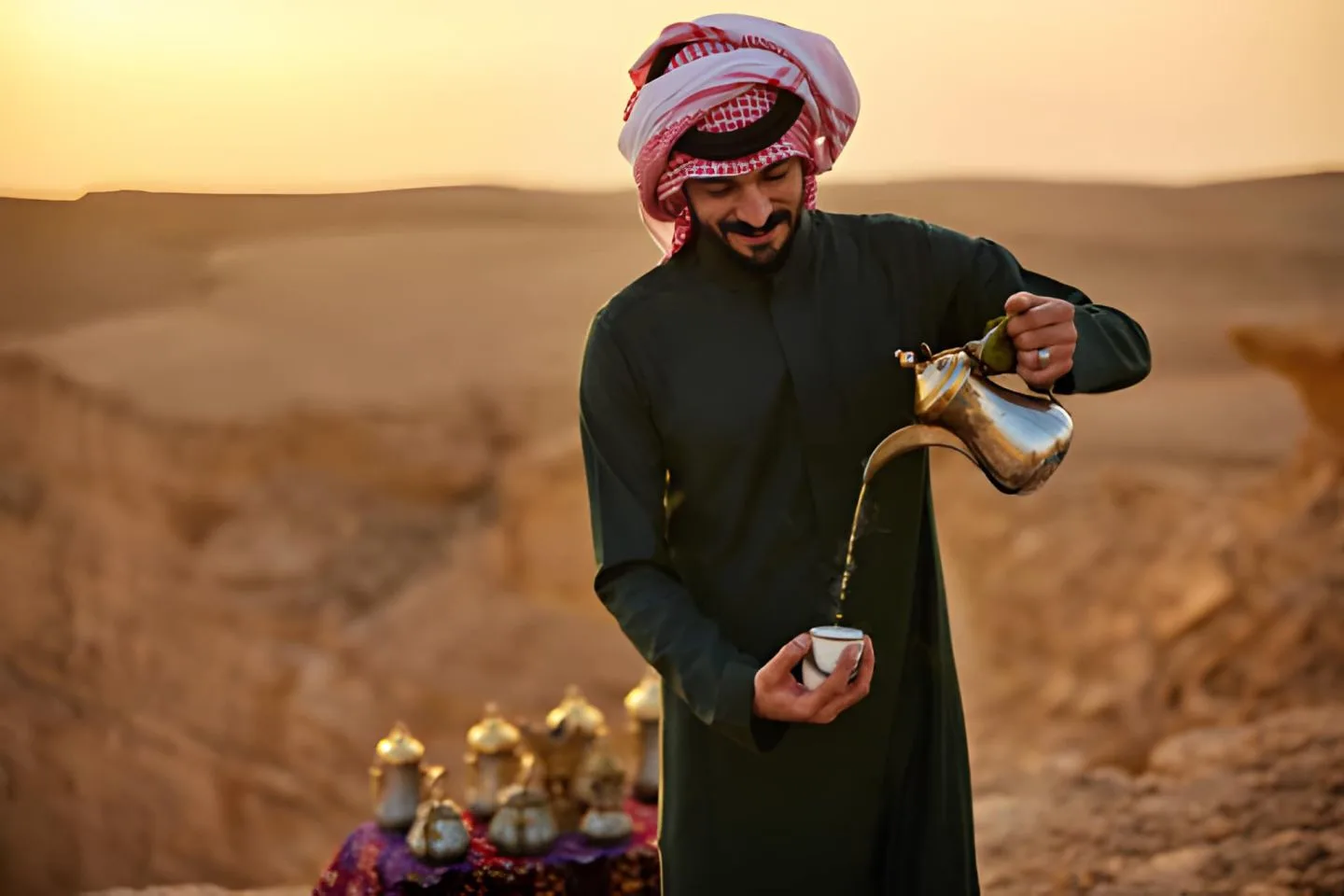
Hospitality forms the cornerstone of Saudi traditions. Guests are welcomed with Arabic coffee, known as ‘gahwa,’ served with dates in ornate dallahs. This ritual symbolizes generosity and respect. In rural areas, Bedouin customs remain strong—offering guests shelter, food, and stories under starlit skies. A visit to heritage sites such as Diriyah or Old Town AlUla reveals how traditional Saudi life harmoniously coexists with modern advancements.
Regional Traditions and Seasonal Festivities
Across the Kingdom’s vast landscapes, regional traditions add depth to Saudi holidays. In the Asir region, colorful flower crowns adorn men’s heads during local festivities, while folk dances and art exhibitions bring mountain villages to life. Coastal cities like Jeddah host sea festivals celebrating maritime heritage, and the northern regions commemorate ancient trade routes and desert endurance. Exploring these local customs through Jeddah Day Tours & Excursions or Aseer Excursions allows travelers to experience Saudi traditions firsthand.
Modern Saudi Celebrations and Vision 2030 Influence
As Saudi Arabia undergoes a remarkable transformation under Vision 2030, traditional celebrations have embraced new expressions of creativity. Events like Riyadh Season and AlUla Moments combine cultural heritage with modern entertainment, attracting visitors from around the world. These celebrations showcase the Kingdom’s dedication to preserving its traditions while promoting global engagement. Travelers exploring the cultural renaissance can experience both heritage and innovation with AlUla Tours Packages or Riyadh Tour Package.
FAQs about Saudi Holidays and Traditions
What are the most important holidays in Saudi Arabia?
The most significant holidays in Saudi Arabia are Ramadan, Eid al-Fitr, Eid al-Adha, and Saudi National Day. Each carries religious, cultural, or patriotic meaning, uniting citizens in celebration and reflection.
How do Saudis celebrate Eid al-Fitr?
Saudis celebrate Eid al-Fitr with early morning prayers, family gatherings, festive meals, and acts of charity. Homes are decorated, and traditional sweets like mamoul are shared with loved ones.
What is unique about Saudi National Day?
Saudi National Day on September 23 celebrates the Kingdom’s unification. It features parades, fireworks, concerts, and cultural shows across the nation, reflecting pride in heritage and modern achievements.
Are non-Muslims allowed to experience Saudi holidays?
Yes, non-Muslim visitors can respectfully observe public celebrations like National Day and cultural festivals such as Janadriyah. However, participation in Islamic rituals is reserved for Muslims only.
What traditional customs should visitors respect in Saudi Arabia?
Visitors should respect local customs by dressing modestly, avoiding public displays of affection, and accepting hospitality graciously. Learning about Saudi etiquette ensures a positive and culturally sensitive experience.