What Is The Currency Of Saudi Arabia?
The Currency of Saudi Arabia: Everything You Need to Know About the Saudi Riyal
The Saudi Arabian Riyal (SAR) stands as a cornerstone of the Kingdom’s financial identity, deeply tied to its rich heritage and modern economic evolution. When travelers, investors, or business professionals set foot in Saudi Arabia, understanding its currency becomes essential. The Saudi Riyal isn’t merely a means of exchange; it’s a reflection of national pride, symbolizing stability, prosperity, and the country’s growing role in global trade. Whether you’re planning Saudi Arabia Tours or exploring the bustling souqs of Riyadh, knowing the ins and outs of the Saudi Riyal will transform your experience.
Introduced decades ago, the Riyal has weathered global fluctuations, oil market changes, and financial reforms—yet it remains one of the world’s most stable currencies. Its fixed exchange rate to the U.S. dollar ensures reliability for international trade and tourism. The Saudi Arabian Monetary Authority (SAMA), now known as the Saudi Central Bank, manages this currency with meticulous precision, ensuring inflation remains under control and the economy thrives.
For anyone visiting the Kingdom, understanding denominations, value, history, and foreign exchange practices can go a long way. Whether you’re sipping qahwa in a luxury café or bargaining in traditional markets like Dirah Souq, the Saudi Riyal’s significance is ever-present. Let’s dive deeper into what makes the currency of Saudi Arabia unique, stable, and integral to its global image.
History and Origins of the Saudi Arabian Riyal
The Saudi Riyal traces its origins to the early 20th century when the Kingdom was formed under King Abdulaziz Al Saud. Before that, trade relied heavily on silver coins, the Maria Theresa thaler, and Indian rupees. However, as the country unified, the need for a standardized currency grew stronger. The Riyal became the official currency in 1925, symbolizing the new nation’s unity and independence.
Initially, it was backed by silver, giving it intrinsic value and trust among traders. As Saudi Arabia’s oil industry boomed, the Riyal transitioned to a modern fiat system, maintaining a fixed exchange rate against the U.S. dollar since 1986 at approximately 3.75 SAR per USD. This peg has anchored the Kingdom’s economy, fostering investor confidence and financial predictability—key ingredients behind its economic transformation and growth.
Structure and Denominations of the Saudi Riyal
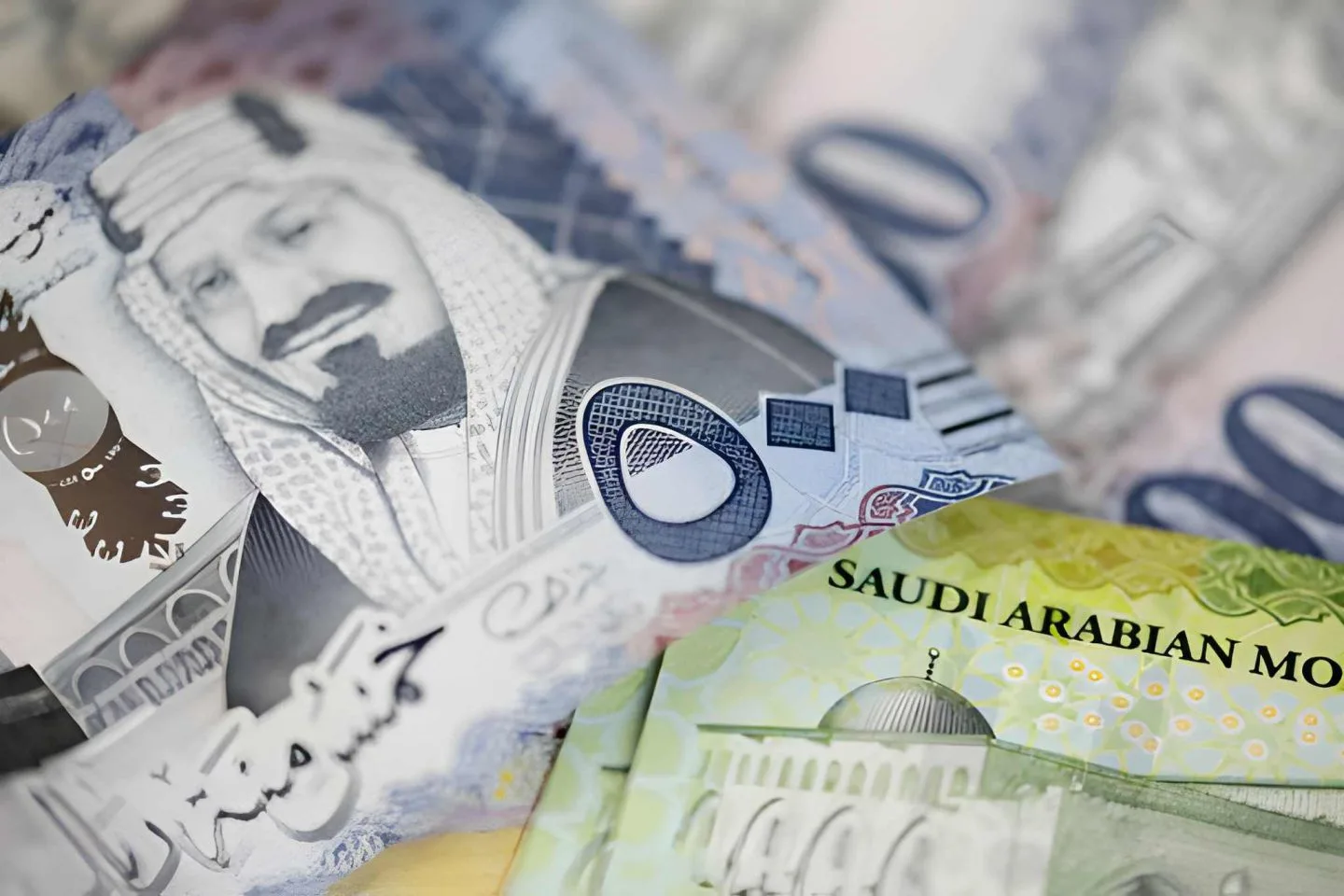
The Saudi Riyal (SAR) is subdivided into 100 halalas. Coins come in various denominations—1, 5, 10, 25, and 50 halalas—while banknotes are available in 1, 5, 10, 50, 100, and 500 Riyals. Each note features iconic Saudi landmarks and portraits of past kings, paying tribute to national unity and progress. For instance, the 500 Riyal note often showcases the Holy Mosque in Makkah, capturing the spiritual essence of the nation.
Modern banknotes incorporate advanced security features such as watermarks, holographic stripes, and color-shifting inks to prevent counterfeiting. With its blend of tradition and innovation, the Riyal reflects both heritage and technological advancement—a true emblem of Saudi Arabia’s modernization era.
The Saudi Riyal and Its Connection to Oil
No discussion of the Saudi Riyal is complete without mentioning oil. As the world’s largest oil exporter, Saudi Arabia’s financial strength has been closely tied to its energy exports. The Riyal’s peg to the U.S. dollar aligns with global crude oil pricing, ensuring stability and simplifying international transactions.
This fixed rate protects both citizens and foreign investors from exchange rate volatility. It also boosts confidence in long-term projects like Riyadh Day Tours or mega-ventures within Vision 2030. Thanks to the Riyal’s dependable value, businesses and tourists alike can plan with confidence.
Where to Exchange Money in Saudi Arabia
Money exchange in Saudi Arabia is straightforward, transparent, and widely accessible. Foreign currencies can be exchanged at airports, banks, and authorized money changers. The main airports, such as Jeddah International Airport and Riyadh International Airport, offer reliable exchange counters.
Credit cards are accepted almost everywhere—from luxury malls to fine dining spots in Jeddah and Riyadh. However, carrying some cash is still wise, especially when exploring traditional areas or taking cultural experiences like the Makkah Spiritual Tour. ATMs are ubiquitous, providing convenient access to SAR in major cities and remote destinations alike.
Digital Payments and Modern Transactions
Saudi Arabia is rapidly moving toward a cashless society. The government’s Vision 2030 strategy promotes financial technology (FinTech) and digital banking innovations. Payment platforms like Mada, Apple Pay, and STC Pay are widely used, ensuring quick and secure transactions.
Whether you’re booking Jeddah Day Tours & Excursions or enjoying street food in local markets, digital payments make spending effortless. The integration of technology with finance demonstrates how the Riyal continues evolving to meet modern demands.
Why the Saudi Riyal Is Considered One of the Most Stable Currencies
The Saudi Riyal’s stability stems from strong oil revenues, prudent fiscal management, and its dollar peg. This consistency enhances economic planning and attracts investors worldwide. The Saudi Central Bank ensures that inflation remains low, foreign reserves stay high, and monetary policy supports growth.
Even during global recessions or oil price slumps, the Riyal has proven resilient. Its fixed peg provides predictability, a rare trait in global markets. This stability also benefits tourism, international trade, and development projects like Saudi Arabia Travel Packages, which rely heavily on consumer confidence and predictable pricing.
How to Handle Currency When Traveling to Saudi Arabia
Visitors to Saudi Arabia should exchange their money either before arriving or at official exchange counters across the Kingdom. Avoid street vendors or unlicensed money changers. Always request receipts for every transaction. Major hotels, restaurants, and transportation providers accept credit cards, but small merchants may prefer cash.
Those joining cultural trips like Medina Excursions or luxury getaways such as the AlUla Travel Package will find the Riyal easy to use and understand. Its denominations are convenient for both small purchases and major expenses.
Fun Facts About the Saudi Riyal
Each banknote carries deep symbolism. The 1 Riyal note, for example, features the Kingdom’s emblem of crossed swords and a palm tree, denoting growth and justice. The 500 Riyal note, adorned with the image of the Grand Mosque, reflects Saudi Arabia’s central role in the Islamic world.
Moreover, the Riyal’s design incorporates Arabic calligraphy and security threads unique to the country’s heritage—a perfect blend of faith, art, and national identity.
FAQs About the Currency of Saudi Arabia
What is the official currency of Saudi Arabia?
The official currency of Saudi Arabia is the Saudi Riyal, abbreviated as SAR. It’s symbolized by ‘ر.س’ in Arabic and is subdivided into 100 halalas.
How stable is the Saudi Riyal?
The Saudi Riyal is among the world’s most stable currencies due to its long-standing peg to the U.S. dollar at a fixed rate of approximately 3.75 SAR per USD. This peg has remained unchanged since 1986.
Can I use foreign currency in Saudi Arabia?
Foreign currencies like dollars or euros aren’t generally accepted in daily transactions. However, exchanging them at authorized money changers or banks is easy and secure.
Is card payment common in Saudi Arabia?
Yes, Saudi Arabia has embraced digital payments rapidly. Credit and debit cards, along with mobile wallets like Apple Pay and Mada, are widely accepted across the Kingdom.
What’s the best way to get Saudi Riyals before visiting?
You can exchange currency at your home country’s bank, use ATMs upon arrival, or visit exchange offices at airports such as Jeddah International Airport. Rates in major cities are often competitive.
Final Thoughts: The Saudi Riyal—A Symbol of Stability and Prosperity
The Saudi Riyal isn’t just a currency—it’s a living emblem of the Kingdom’s resilience, unity, and ambition. Its unwavering peg to the dollar, rich symbolism, and integration into modern financial systems showcase Saudi Arabia’s balance between tradition and progress. Whether you’re exploring heritage sites, modern attractions, or joining a 10 Day Private Tour Saudi Arabia, understanding the Riyal enhances your appreciation for the country’s culture and economy.
As Saudi Arabia continues to redefine its global identity through initiatives like Vision 2030, the Riyal remains steadfast—a reminder that stability and growth often go hand in hand. For travelers and investors alike, the Saudi Riyal stands as a beacon of confidence in an ever-changing financial world.