
Al Raqdi Museum
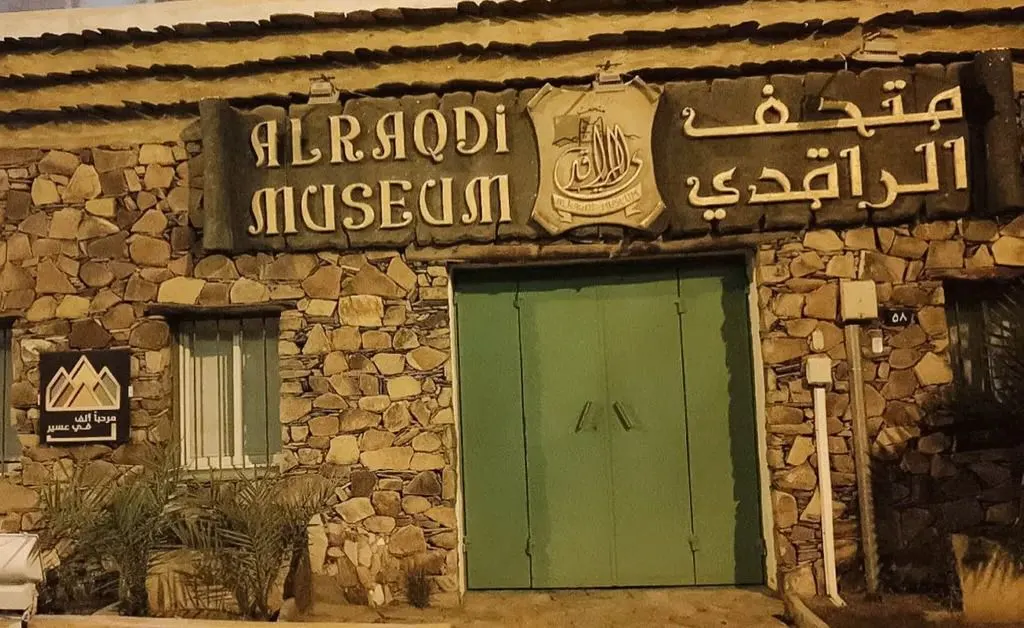
Al Raqdi Museum: A Cultural Gem Preserving the Soul of Abha’s Heritage
Nestled in the heart of Abha, the Al Raqdi Museum stands as a captivating tribute to Saudi Arabia’s enduring traditions, artistry, and way of life. This privately owned heritage museum doesn’t merely display artifacts—it tells stories, evokes emotions, and transports visitors through generations of Asiri culture. At a time when Saudi Arabia is stepping boldly into modernity, the Al Raqdi Museum remains a living bridge connecting the past and present. Its courtyards, adorned with intricate geometric designs and local motifs, offer a rare glimpse into the lives of the people who shaped the Asir region’s identity.
Located just minutes from Abha High City, this cultural landmark draws travelers eager to understand Saudi Arabia’s soul beyond its glamourous skylines. Every exhibit inside the Al Raqdi Museum, from handwoven textiles to antique weaponry, mirrors the spirit of a land known for its resilience and beauty. The museum’s founder, Mr. Saeed Al Raqdi, envisioned more than a display space; he created a timeless experience where art, architecture, and storytelling converge. The blend of heritage architecture and cultural exhibitions positions the Al Raqdi Museum as one of Abha’s must-visit destinations, especially for those exploring the lush landscapes of the Asir Mountains or nearby attractions like Asir National Park and Soudah Mountain.
The Story Behind Al Raqdi Museum’s Legacy
The Al Raqdi Museum was established from a deep passion to preserve the Asir region’s identity. The founder, Saeed Al Raqdi, spent decades collecting rare artifacts from across the Asir highlands. His dream was to create a space where future generations could witness the evolution of local craftsmanship and family traditions. Unlike institutional museums, Al Raqdi Museum feels personal—it’s built from stone and clay in traditional Asiri style, exuding authenticity in every corner. The moment you step through its arched doorway, you’re greeted by the scent of frankincense and the warmth of Saudi hospitality.
Visitors can explore multiple sections within the museum, each representing an aspect of Asiri life—from colorful women’s costumes to traditional farming tools. There’s even a replica of a traditional Asiri home, complete with its interior decor, which reflects the role of women in preserving aesthetic traditions like “Al Qatt Al Asiri,” a geometric wall painting art form recognized by UNESCO. The museum serves as a beacon of cultural pride, inviting locals and international visitors to experience Saudi Arabia’s artistic and historical narrative first-hand.
Architectural Brilliance of Al Raqdi Museum
Architecturally, the Al Raqdi Museum is a masterpiece of traditional Asiri design. Constructed using local stone and adorned with colorful window frames, the structure mirrors the vernacular architecture native to southwestern Saudi Arabia. The museum’s walls, decorated with vibrant geometric murals, reflect the Asiri women’s artistry and meticulous attention to detail. Inside, wooden beams support high ceilings, while handwoven carpets and embroidered cushions bring warmth and authenticity to the atmosphere.
Its layout encourages exploration—each room transitions seamlessly into another, revealing layers of history and culture. The museum’s outdoor space features a seating area where visitors can sip fragrant Saudi coffee while soaking in panoramic views of the region’s misty mountains. The ambiance captures the spirit of old Abha, emphasizing community, craftsmanship, and storytelling. Those fascinated by architecture will notice parallels with other heritage spots like Rijal Almaa Historical Village and the ancient charm of Dhee Ayn Village.
Collections and Artifacts: A Chronicle of Asiri Heritage
The Al Raqdi Museum’s collections range from centuries-old household items to hand-carved tools and intricate jewelry pieces. Each artifact offers a glimpse into the lifestyle of Asiri tribes known for their artistry and self-sufficiency. One of the museum’s highlights is its display of traditional clothing, including the vividly embroidered ladies’ dresses that symbolize pride and identity. Visitors can also admire weapons, pottery, and old manuscripts that document the region’s trade and social customs.
The museum doesn’t just exhibit; it educates. Informative plaques accompany most displays, narrating the story behind each object and its role in daily life. Particularly striking are the displays of antique coffee sets, daggers, and silver ornaments—items that embody both beauty and utility. This attention to detail underscores the museum’s mission: to preserve Asir’s living memory. It’s a testament to how Saudi Arabia values its roots, just as institutions like the National Museum of Saudi Arabia do on a national scale.
Cultural Experiences at Al Raqdi Museum
Beyond its exhibits, Al Raqdi Museum provides an immersive cultural experience. Guests can participate in traditional coffee ceremonies, sample Saudi delicacies, and attend live cultural shows that feature local dances and music. The museum often hosts school trips, workshops, and heritage festivals that celebrate the Asiri identity. These events aim to educate younger generations about their roots while offering tourists a deeper understanding of Saudi Arabia’s cultural diversity. Visitors describe the experience as transformative—something that evokes pride, nostalgia, and curiosity all at once.
During festivals, local artisans showcase weaving, pottery-making, and painting demonstrations within the museum courtyard. The environment turns lively, with rhythmic drums echoing against the mountain breeze. For those interested in cultural exploration, pairing a visit to the museum with nearby attractions like Art Street or Abu Kheyal Park completes an unforgettable Abha itinerary.
Why Al Raqdi Museum Is a Must-Visit Cultural Landmark
In an era dominated by rapid modernization, Al Raqdi Museum offers a refreshing escape into authenticity. It’s more than just a tourist stop; it’s a living classroom. The museum bridges generational gaps by illustrating how past traditions continue to shape modern Saudi identity. Visitors often praise its intimate setting and the chance to interact directly with local guides who share firsthand stories of Asir’s evolution. Whether you’re on one of the curated Saudi Arabia Travel Packages or exploring independently, this site enriches every cultural journey through the kingdom.
Its significance extends beyond tourism—it contributes to the preservation of intangible heritage. The museum’s commitment to cultural sustainability aligns with Saudi Arabia’s Vision 2030 goals, emphasizing heritage as a pillar of national identity. Tourists who seek authentic experiences, distinct from commercialized attractions, find solace in the museum’s quiet charm. It stands shoulder-to-shoulder with icons like Tayebat Museum in Jeddah and International Fair & Museum of the Prophet’s Biography in Madinah.
Visiting Tips and Practical Information
Al Raqdi Museum welcomes visitors throughout the week, with mornings and late afternoons offering the most comfortable climate for exploration. The museum’s location near Abha International Airport makes it easily accessible for both domestic and international travelers. Photography is encouraged, particularly in the outdoor areas, to capture the museum’s vibrant Asiri art. Modest dress is appreciated in line with Saudi cultural customs, and guided tours are available upon request.
After touring the museum, visitors can unwind at nearby cafés overlooking the hills or continue their journey to the picturesque Jabal Al Soudah, one of the highest peaks in Saudi Arabia. Whether you’re a culture enthusiast, photographer, or casual traveler, the museum offers a fulfilling experience that lingers long after you leave.
Conclusion: A Timeless Window into Saudi Arabia’s Cultural Soul
Al Raqdi Museum stands as a beacon of heritage in Abha’s vibrant landscape. Its walls whisper stories of resilience, community, and artistry that define the Asiri people. By visiting, travelers not only witness artifacts but feel the spirit of Saudi Arabia’s southern highlands. The museum is more than a collection—it’s a celebration of life, color, and legacy. As Saudi Arabia continues to open its doors to the world, the Al Raqdi Museum serves as a heartfelt reminder that true progress embraces its roots. For those yearning for authenticity, this cultural gem is an unmissable stop on any Saudi Arabia Tour.
Frequently Asked Questions about Al Raqdi Museum
What is the Al Raqdi Museum known for?
The Al Raqdi Museum is renowned for its unique collection of Asiri heritage artifacts, traditional costumes, and architectural design that reflects the region’s cultural identity. It offers a deep dive into the customs, art, and daily life of the Asir region, making it a must-visit destination in Abha.
Where is the Al Raqdi Museum located?
The museum is located in Abha, the capital of the Asir region in southwestern Saudi Arabia. It sits near key landmarks like Abha High City and the scenic Asir Mountains, making it easily accessible for visitors exploring southern Saudi Arabia.
What can visitors see inside the Al Raqdi Museum?
Inside, visitors can explore multiple sections showcasing traditional clothing, ancient tools, musical instruments, household utensils, and artistic wall decorations. Each exhibit tells a story of Saudi Arabia’s historical evolution and the Asiri people’s craftsmanship.
Is Al Raqdi Museum suitable for families and children?
Absolutely! The museum offers an interactive and educational experience perfect for families. Children enjoy learning through visual displays, cultural workshops, and guided tours that bring Saudi history to life in an engaging way.
When is the best time to visit Al Raqdi Museum?
The best time to visit is during the spring or autumn months when Abha’s weather is pleasantly cool. Morning and late-afternoon visits are ideal for exploring comfortably and capturing memorable photographs of the museum’s colorful design.