
Souq Al Thulatha
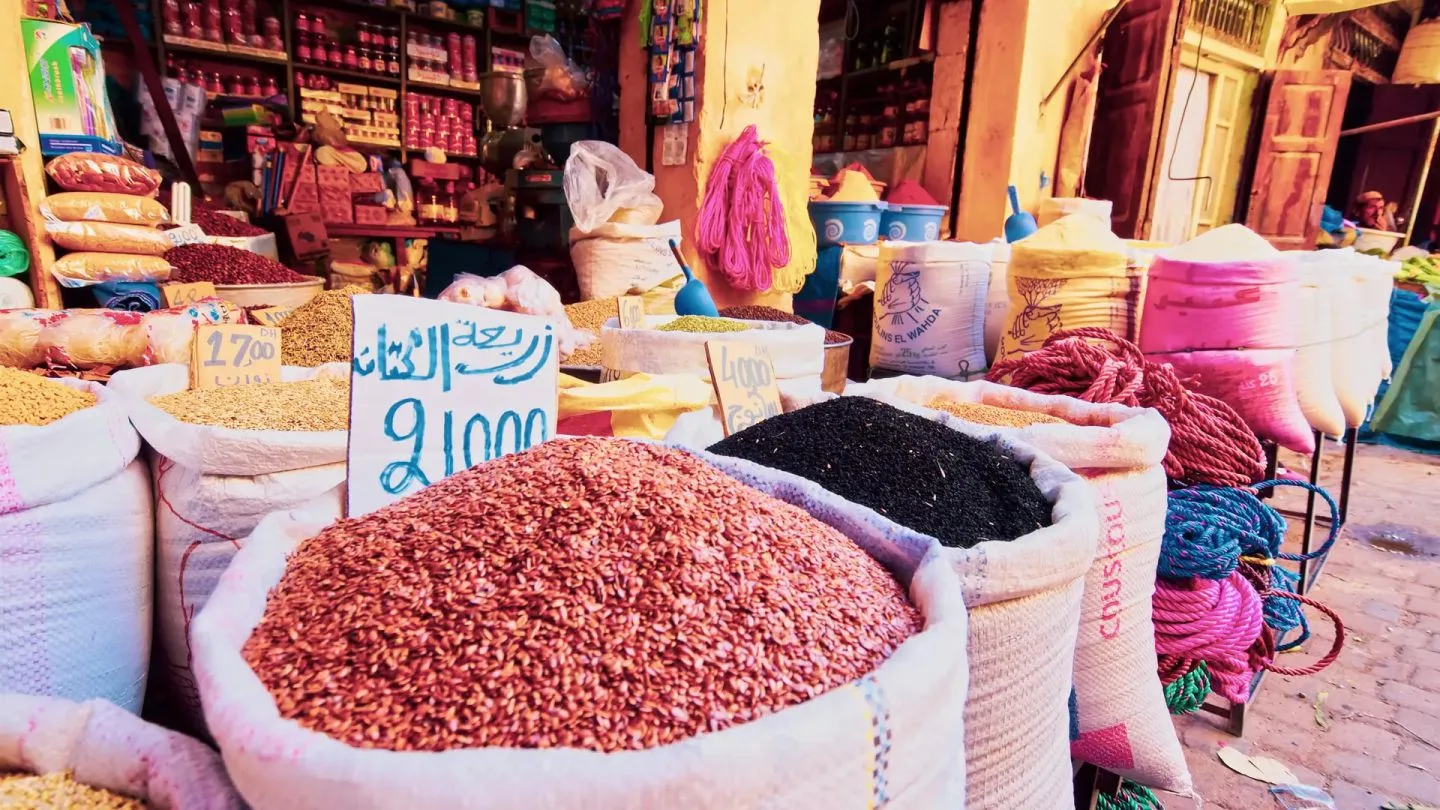
Souq Al Thulatha: The Beating Heart of Abha’s Heritage and Culture
Souq Al Thulatha, known as the Tuesday Market, stands as one of Abha’s most captivating cultural landmarks. Nestled in the mist-cloaked mountains of the Asir region, this traditional souq embodies the soul of Saudi Arabia’s southern highlands. Every Tuesday, locals and travelers alike flock to this lively marketplace to experience an authentic slice of the Kingdom’s heritage. The air buzzes with cheerful bargaining, the aroma of spices, and the rhythmic chatter of vendors proudly showcasing their handmade crafts, local produce, and ancient treasures. Unlike modern shopping malls, Souq Al Thulatha remains untouched by time, maintaining its genuine charm and deep-rooted traditions that date back centuries.
For visitors on Saudi Arabia Tours, this market offers a golden opportunity to uncover the cultural heartbeat of Abha. Here, you’ll find colorful textiles, silver jewelry, frankincense, traditional daggers, pottery, and woven baskets—a living museum of Asiri craftsmanship. The souq doesn’t just sell products; it tells stories of generations who’ve traded, celebrated, and sustained their communities through this weekly ritual. Walking through its narrow aisles feels like traveling through time, where every corner echoes with laughter, negotiation, and pride in local identity. For anyone exploring the Kingdom’s southern treasures, Souq Al Thulatha is nothing short of a must-visit destination.
The Origins of Souq Al Thulatha: A Legacy Carved in Time
Souq Al Thulatha has been a cornerstone of Asir’s economy and social life for generations. Before modern infrastructure connected Abha to other Saudi cities, this market was the hub where mountain dwellers and desert traders met. Every Tuesday, villagers would descend from their highland homes with camels and donkeys loaded with goods—honey, grains, herbs, and handwoven fabrics—to exchange for spices, livestock, and tools. This vibrant tradition continues today, preserving the essence of trade that shaped the region’s identity. The souq embodies the spirit of community, where bartering wasn’t just business but a form of social exchange, binding families and tribes together through shared heritage.
Much like the charm found in historical sites such as Rijal Almaa Historical Village, Souq Al Thulatha reflects Saudi Arabia’s dedication to preserving its past while embracing the future. Its origins stretch beyond commerce—it’s a space where oral traditions, regional attire, and culinary customs are passed down like heirlooms. Even as Abha modernizes, the market remains a steadfast reminder of a simpler, communal way of life that continues to define the Asir identity.
What to Expect When Visiting Souq Al Thulatha
Visiting Souq Al Thulatha is an immersive experience that stimulates every sense. From the very first step, the vibrant atmosphere hits you—the sound of merchants calling out prices, the scent of roasted coffee beans, and the sight of brightly embroidered abayas fluttering in the breeze. The market is divided into sections, each offering a unique array of goods. The spice stalls burst with colors—saffron, cardamom, turmeric—while nearby, the fragrance of oud and incense envelops passersby. In another corner, elderly artisans display silver jewelry, their hands moving deftly as they craft intricate designs, continuing centuries-old traditions. For shoppers seeking authentic souvenirs, Souq Al Thulatha delivers unmatched authenticity.
Those keen on exploring more of Abha’s local artistry can also stroll through Art Street, where modern creativity meets traditional inspiration. But unlike curated galleries, Souq Al Thulatha remains raw, unfiltered, and deeply real. It’s a place where every item sold holds meaning—where the buyer connects with the maker, the past meets the present, and the simple act of shopping transforms into cultural discovery.
Traditional Products and Handicrafts of Souq Al Thulatha
Souq Al Thulatha thrives as a living exhibition of Asiri craftsmanship. Local women, known for their creative flair, sell intricately woven baskets made of palm fronds dyed in natural pigments. You’ll also find the colorful Asiri wall art, ‘Al Qatt Al Asiri’, recognized by UNESCO as an intangible cultural heritage. These striking geometric designs, traditionally painted by women, decorate homes across the region. Leather goods, silver ornaments, and hand-carved wooden canes add to the variety, each piece narrating a story of devotion, patience, and skill. Honey from the Asir mountains—renowned for its flavor and purity—is another top seller, often presented in glass jars with natural beeswax still clinging to the top.
Travelers exploring Abha’s heritage trail often combine their market visit with nearby attractions like Al Raqdi Museum, which further deepens the appreciation for local artistry and tradition. Together, they form a vivid picture of Asir’s cultural continuity—a blend of living art, sustainable trade, and deep respect for ancestral wisdom.
Local Cuisine and Street Food at Souq Al Thulatha
Delicious aromas fill the air at Souq Al Thulatha, where local delicacies tempt every visitor. Traditional Saudi street food adds an irresistible flavor to the experience—freshly baked flatbreads, sizzling kebabs, and steaming cups of Arabic coffee prepared with cardamom and served with dates. The region’s culinary heritage shines brightest here, offering classic dishes like ‘Areekah’ (a honey and butter wheat blend), ‘Asir bread’, and ‘Jareesh’. Sampling these delights while strolling the stalls makes for a sensory adventure that captures the warmth and hospitality of Abha’s people. Food here isn’t just sustenance; it’s storytelling in edible form, blending spices, love, and local lore into every bite.
For those intrigued by Saudi gastronomy, exploring articles like Traditional Dishes In Saudi Arabia helps connect the flavors of the market to the broader national palate. Souq Al Thulatha ultimately underscores how food unites culture, community, and celebration in this mountainous heartland.
Why Souq Al Thulatha Matters: A Cultural and Economic Lifeline
Souq Al Thulatha isn’t just a marketplace—it’s the living pulse of Abha’s heritage. It unites farmers, artisans, and traders, keeping ancient customs alive in an ever-modernizing world. The market also plays a crucial role in supporting small-scale businesses and empowering local women, whose artistry and entrepreneurship sustain families and traditions alike. This vibrant ecosystem of trade nurtures social bonds, ensuring that Asiri identity remains vibrant and resilient.
For eco-conscious travelers and heritage enthusiasts, the souq offers a sustainable model of community-based tourism. By purchasing handmade goods and locally sourced products, visitors directly contribute to preserving Abha’s intangible heritage. It’s an inspiring example of how commerce and culture can coexist harmoniously, bringing both economic vitality and cultural continuity. Combine this experience with scenic nearby destinations like Asir National Park for a well-rounded journey through nature and tradition.
When to Visit and Practical Tips for Travelers
The magic of Souq Al Thulatha unfolds best on Tuesday mornings. Arriving early ensures you catch the freshest produce and witness the liveliest interactions. The market operates primarily outdoors, so comfortable attire and sturdy shoes are recommended. While English is spoken by some vendors, a friendly Arabic greeting—'Salam Alaikum'—goes a long way in building rapport. Bargaining is expected but conducted with respect and smiles. The weather in Abha tends to be cooler due to its elevation, making it pleasant year-round, though mornings can get misty. Photographers will find endless inspiration among the colorful stalls and expressive faces of local merchants.
Travelers planning a wider itinerary through Saudi Arabia can check out curated Saudi Arabia Travel Packages that include Abha’s cultural gems. These packages often combine nature, architecture, and traditional markets, offering a seamless blend of discovery and comfort.
Exploring Nearby Attractions After Souq Al Thulatha
Souq Al Thulatha’s central location makes it the perfect starting point for a day of exploration in Abha. A short drive away lies Abu Kheyal Park, offering sweeping views of the city and lush mountain scenery. For those seeking historical architecture, Shamsan Castle provides a glimpse into centuries of Asir’s fortified past. Meanwhile, the highland retreat of Jabal Al Soudah beckons adventure lovers with its hiking trails and panoramic viewpoints. Together, these destinations create an unforgettable itinerary, blending nature, culture, and history.
Preservation Efforts and the Future of Souq Al Thulatha
As Saudi Arabia advances its Vision 2030 goals, initiatives to preserve markets like Souq Al Thulatha have gained momentum. Local authorities are investing in infrastructure improvements while retaining the souq’s authentic character. Training programs help artisans expand online sales, ensuring their crafts reach global audiences without losing originality. This balance between tradition and innovation makes Souq Al Thulatha a model for cultural sustainability. It’s not just surviving—it’s thriving, adapting gracefully to modern expectations while holding steadfast to its roots.
FAQs About Souq Al Thulatha
1. What is Souq Al Thulatha famous for?
Souq Al Thulatha is renowned for its authentic Asiri handicrafts, local honey, traditional attire, and silver jewelry. It’s one of the oldest and most culturally rich markets in Abha, offering a genuine glimpse into Saudi heritage.
2. What day does Souq Al Thulatha operate?
As its name implies, Souq Al Thulatha operates exclusively on Tuesdays, starting early in the morning and continuing until late afternoon. Arriving early provides the best experience.
3. Is Souq Al Thulatha suitable for tourists?
Absolutely. The market is safe, welcoming, and ideal for cultural immersion. Tourists can interact with local vendors, taste regional food, and purchase authentic souvenirs to take home.
4. How can I reach Souq Al Thulatha?
The souq is centrally located in Abha, easily accessible by taxi or private car. Visitors arriving through Abha International Airport can reach it in under 20 minutes.
5. What should I buy at Souq Al Thulatha?
Popular purchases include Asiri honey, traditional pottery, handmade textiles, spices, and silver accessories. Each product reflects Abha’s cultural heritage and artisanal pride.
Souq Al Thulatha remains a living legacy of Saudi Arabia’s southern charm—an enduring symbol of tradition, craftsmanship, and community. Its colorful stalls, heartfelt exchanges, and mountain backdrop create an experience that stays etched in memory long after you leave. For travelers seeking authenticity, Souq Al Thulatha isn’t just a stop—it’s the soul of Abha itself.