
Nabatean Well
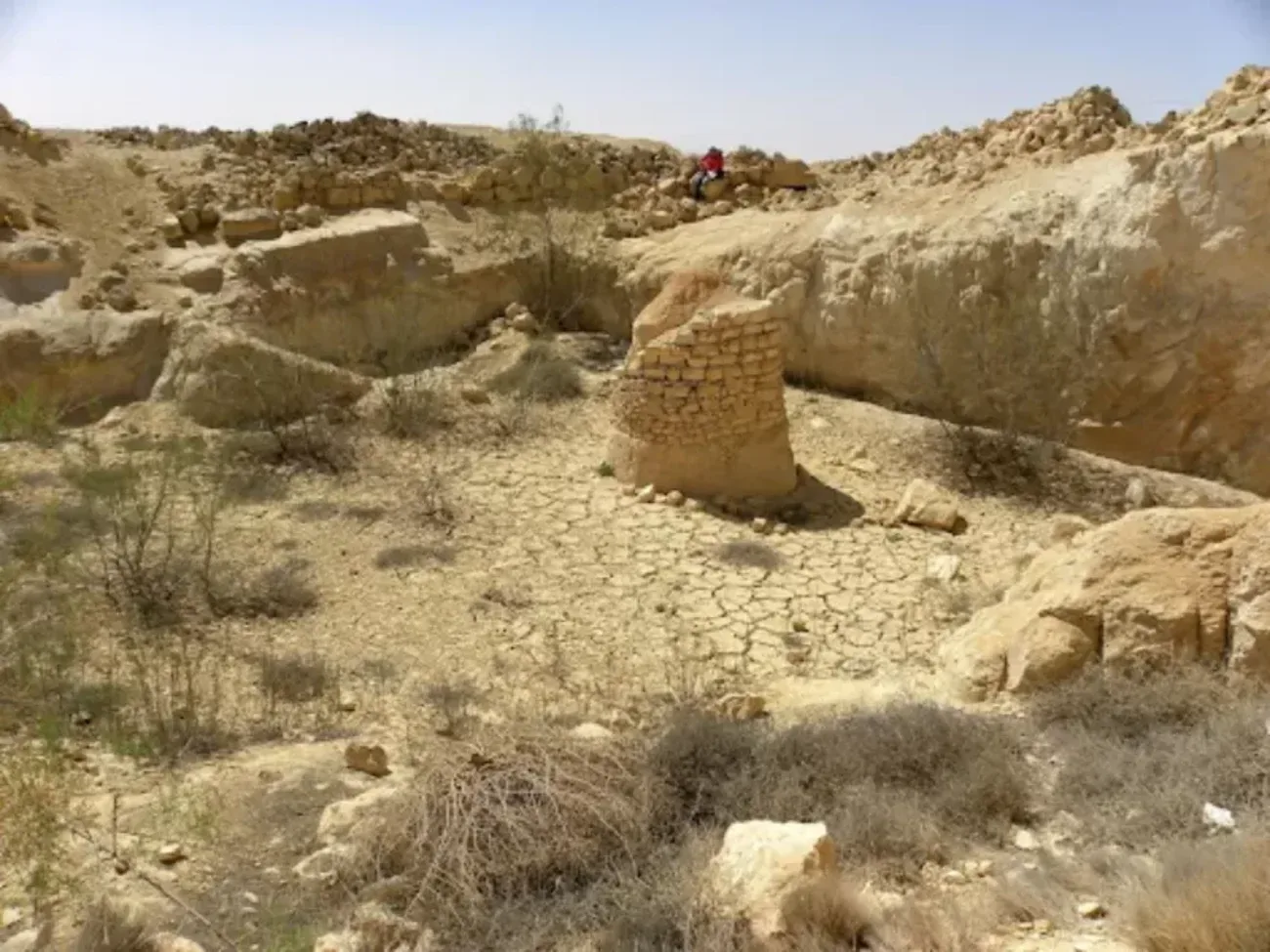
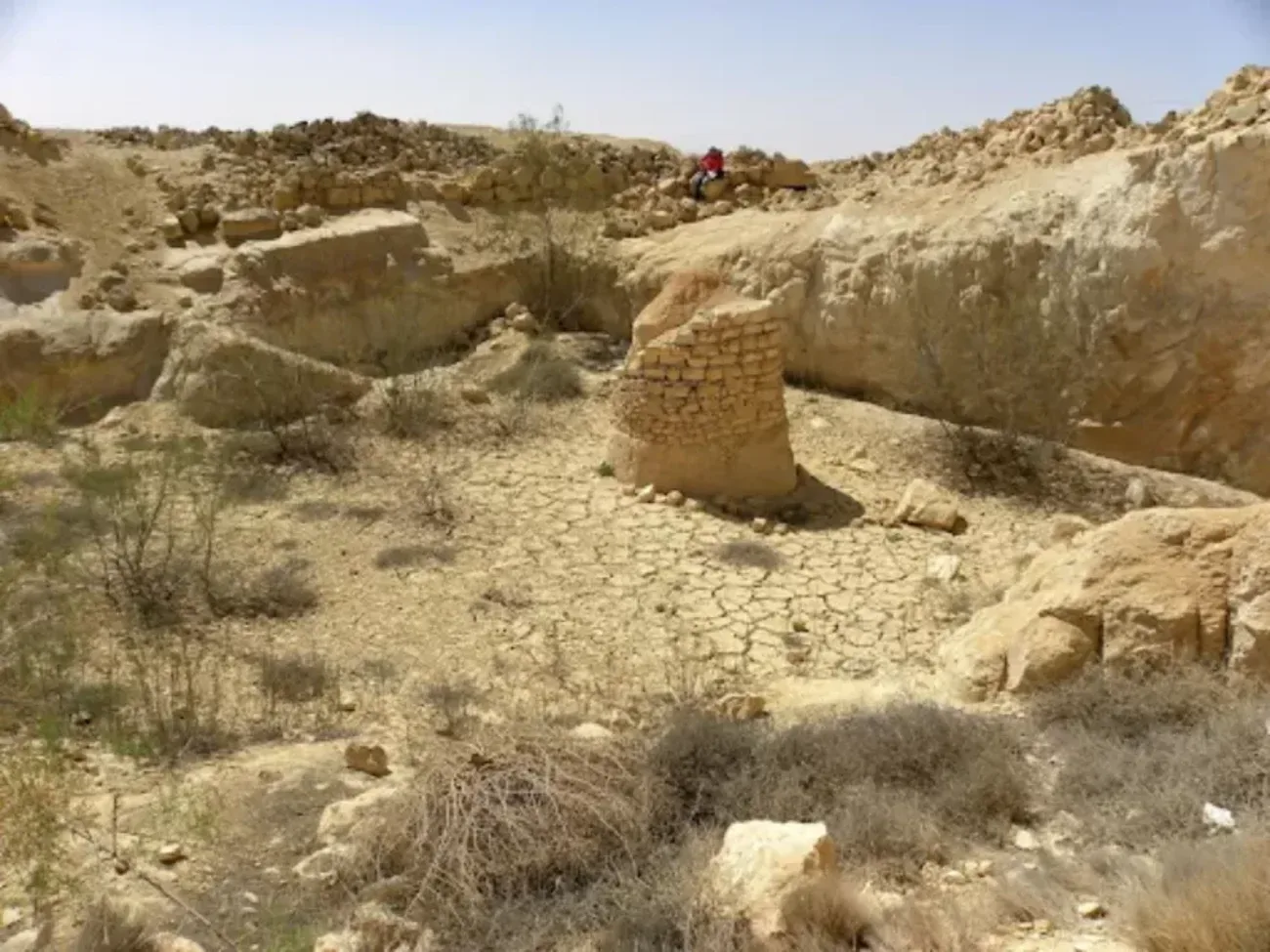
The Enigmatic Nabatean Well: Gateway to Ancient AlUla’s Ingenious Water System
Carved deep into the arid landscape of AlUla, the Nabatean Well stands as an astonishing testament to human ingenuity and resilience. This ancient marvel, hidden among the sandstone cliffs and silent valleys of northwestern Saudi Arabia, was once the beating heart of a thriving civilization that mastered the art of water preservation in one of the world’s harshest climates.
The Nabateans, famed for their architectural prowess and hydraulic engineering, crafted this well to sustain their people, livestock, and flourishing trade routes connecting Arabia with the Mediterranean. Today, the Nabatean Well continues to draw historians, archaeologists, and travelers who marvel at its precision, purpose, and symbolic presence amid the timeless desert.
Visitors exploring the Madain Saleh (Hegra) region often find the Nabatean Well a fascinating stop, showcasing how the Nabateans adapted to their environment. It’s more than just an ancient water source—it’s a story of survival, faith, and innovation.
As Saudi Arabia opens its doors wider to international travelers through curated Saudi Arabia Travel Packages and guided Saudi Arabia Tours, the Nabatean Well emerges as a must-see destination for those seeking authentic encounters with the Kingdom’s ancient heritage.
The well captivates not only with its craftsmanship but also with the whispers of the ancient desert that echo through its stone walls. Let’s dive deeper into the mystery and brilliance of the Nabatean Well—an engineering wonder that still inspires awe today.
The Nabatean Civilization and Their Ingenious Hydraulic Systems
The Nabateans, an industrious Arab people thriving between the 4th century BCE and 1st century CE, were master builders of cities like Petra and Hegra. Their profound understanding of geology and hydrology enabled them to harness scarce desert water resources efficiently. The Nabatean Well exemplifies this skill, combining practicality with architectural elegance.
Built with precisely carved stone steps descending into the earth, it allowed easy access to water regardless of seasonal fluctuation. What’s truly remarkable is how these wells were interconnected through underground channels, known as qanats, which transported water from distant aquifers into the heart of settlements.
Unlike other civilizations that relied solely on rainfall, the Nabateans developed intricate systems of cisterns and diversion dams. Many researchers believe that the Nabatean Well worked as a hub, collecting runoff from surrounding rock formations and channeling it into storage chambers.
This method ensured sustainability during droughts—a lifeline in the Arabian Desert. Modern-day visitors exploring Dadan and neighboring sites can witness similar innovations that highlight the Nabateans’ environmental adaptability.
Strategic Location of the Nabatean Well in AlUla
Set amid AlUla’s golden sandstone cliffs, the Nabatean Well occupies a strategic position near ancient trade routes connecting southern Arabia to Damascus and beyond. The well served caravans carrying incense, spices, and precious stones allowing travelers to replenish and rest.
Its placement wasn’t coincidental; the Nabateans calculated every element—from the direction of prevailing winds to the depth of underground channels—to optimize efficiency. This incredible foresight is what made their civilization thrive where others faltered.
Standing near the Nabatean Well, visitors can gaze toward the sprawling ruins of Old Town AlUla and imagine the bustling activity that once surrounded the site. The well wasn’t only a utilitarian structure; it also symbolized community, security, and prosperity in the heart of an unforgiving landscape.
Architectural Features and Engineering Brilliance
The Nabatean Well, though simple at first glance, reveals architectural precision upon closer inspection. Built with hewn sandstone blocks, it features internal grooves that channeled water efficiently while preventing structural erosion.
Archaeological surveys suggest that the well once had a pulley system supported by wooden beams, now long vanished. The Nabateans’ ability to blend function with form is visible in every chisel mark—a hallmark of their craftsmanship.
Moreover, the well’s design minimized evaporation losses, a crucial feature in the desert’s blistering heat. Its depth and orientation ensured that sunlight rarely reached the water surface directly. This clever engineering preserved water purity and temperature. The same principles can be observed in other Nabatean structures at Qasr Al Bint and Diwan Tomb, reinforcing their holistic approach to design.
The Nabatean Well’s Role in Trade and Daily Life
The Nabatean Well wasn’t merely a water source—it was a social hub, a beacon of life for people traversing the Arabian Peninsula. Merchants, travelers, and locals gathered around it to exchange stories, goods, and cultural traditions.
This interaction fostered a cosmopolitan environment where information flowed as freely as water. The well symbolized connectivity, bridging distant cultures through trade and shared necessity.
In essence, the Nabatean Well was the engine of prosperity. Its constant supply of water sustained agriculture, supported livestock, and shaped settlement patterns. Nearby areas likely hosted marketplaces similar to Dirah Souq, where goods changed hands and communities thrived. The well’s presence transformed AlUla into a vibrant nexus of commerce and innovation.
Spiritual and Cultural Symbolism of the Nabatean Well
Beyond its physical importance, the Nabatean Well carried deep spiritual significance. Water, scarce and precious, was associated with divine blessing. Archaeological evidence suggests that offerings and inscriptions once surrounded the site, hinting at rituals invoking protection or gratitude for life-sustaining resources. For the Nabateans, water was sacred—a gift from the gods that demanded respect.
This reverence for nature and sustainability echoes through AlUla’s heritage today. As modern conservation initiatives restore the site, the Nabatean Well reminds us of humanity’s age-old relationship with the environment—a delicate balance between use and preservation. Travelers arriving via AlUla International Airport can witness first-hand how ancient wisdom continues to influence modern eco-tourism practices in the region.
Modern Exploration and Preservation Efforts
Recent archaeological excavations have focused on restoring and documenting the Nabatean Well’s structure. Using cutting-edge imaging technology, researchers have mapped the subterranean channels to understand how water once circulated beneath AlUla’s desert floor.
These efforts aim not only to preserve history but also to inspire sustainable design in modern Saudi development projects. The restoration of heritage sites like the Nabatean Well aligns with the Kingdom’s Vision 2030 initiative to promote cultural tourism while safeguarding national treasures.
Visitors can now explore the surrounding landscape through guided heritage trails that reveal connections between the Nabatean Well and nearby monuments such as Jabal Ikmah and Maraya Theatre. These experiences blend education with adventure, offering insight into the Nabatean civilization’s legacy of innovation, culture, and sustainability.
Visiting the Nabatean Well: A Journey Through Time
Standing before the Nabatean Well, you can almost hear the whispers of the past carried by the desert wind. The site evokes a sense of timelessness, connecting travelers to an era when survival depended on knowledge, cooperation, and respect for nature.
Today, the well serves as both a historical landmark and a metaphor for endurance—a reminder that even in the harshest conditions, human creativity finds a way.
Those embarking on a Riyadh to AlUla road trip often include a stop at the Nabatean Well to experience its tranquil beauty and ancient resonance. It’s a perfect detour for history enthusiasts, photographers, and anyone captivated by the mysteries of desert civilizations.
Conclusion: The Legacy of the Nabatean Well
The Nabatean Well remains one of AlUla’s most compelling reminders of an ancient civilization’s ingenuity. Its enduring structure tells a story of adaptation, sustainability, and reverence for nature.
As Saudi Arabia continues to embrace its past while shaping its future, the Nabatean Well stands as a symbol of continuity—proof that wisdom can flow through time just as water once flowed through stone. For travelers seeking authenticity, culture, and inspiration, few places rival the quiet majesty of this timeless desert treasure.
Frequently Asked Questions About the Nabatean Well
1. Where is the Nabatean Well located?
The Nabatean Well is located in the AlUla region of northwestern Saudi Arabia, near the archaeological site of Hegra (Madain Saleh). It lies amidst sandstone cliffs that once formed the core of Nabatean trade settlements.
2. Who built the Nabatean Well?
The well was constructed by the Nabateans, an ancient Arab civilization best known for building Petra in modern-day Jordan. They expanded their influence into northwestern Arabia, developing advanced hydraulic systems to support desert life.
3. Why is the Nabatean Well significant?
The Nabatean Well is significant for its ingenious engineering and historical importance. It showcases how ancient people harnessed limited water resources to sustain thriving communities, making it a cornerstone of Nabatean innovation and survival.
4. Can tourists visit the Nabatean Well?
Yes, the Nabatean Well is accessible to visitors exploring AlUla’s heritage sites. It’s often included in guided cultural tours, allowing travelers to learn about Nabatean engineering and the region’s broader historical context.
5. What’s the best time to visit the Nabatean Well?
The best time to visit is between October and March, when AlUla’s temperatures are mild and comfortable for outdoor exploration. This period also coincides with cultural festivals celebrating Saudi Arabia’s rich heritage.