
Qasr Al Bint
Qasr Al Bint: The Majestic Nabatean Temple of AlUla
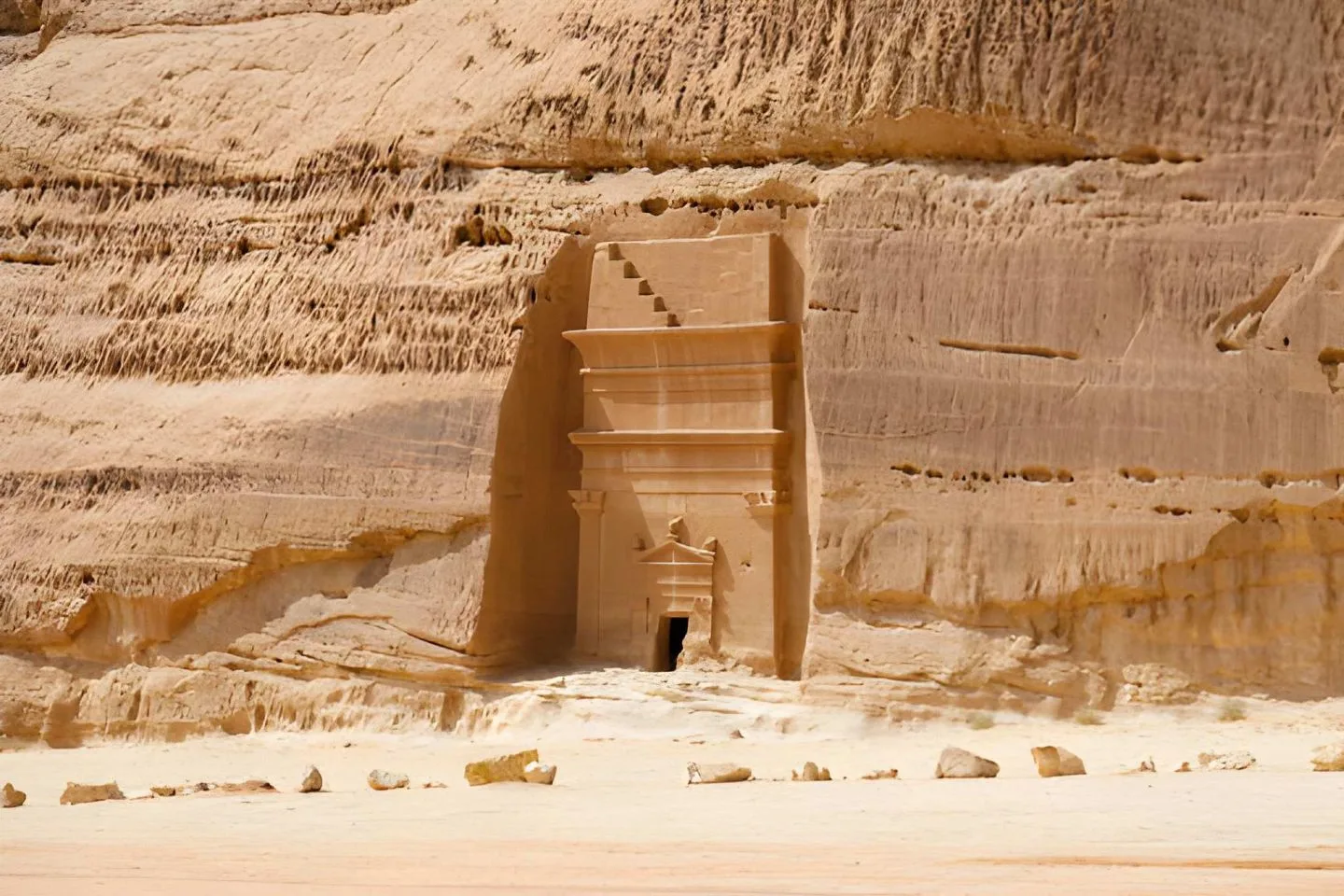
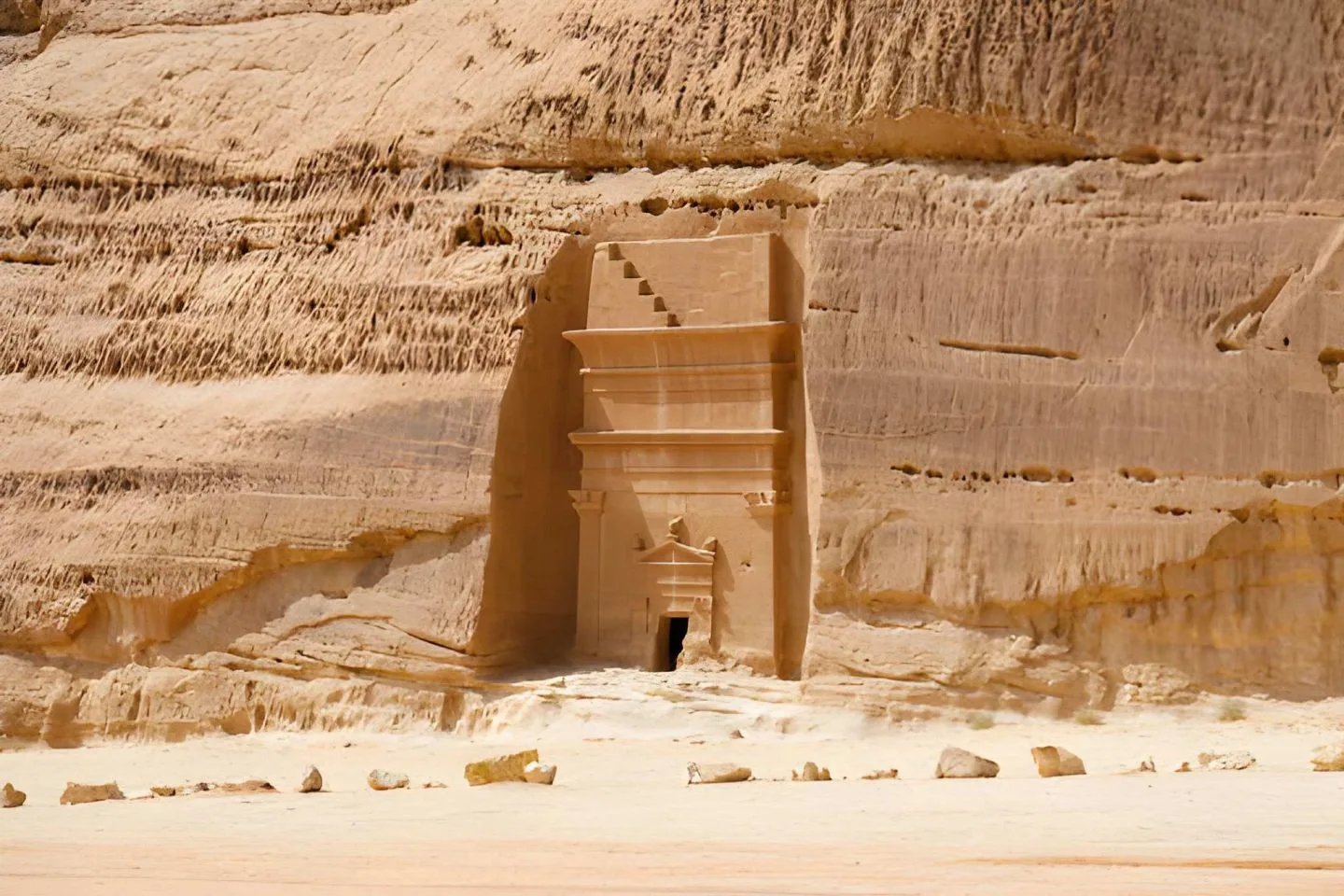
Set within the breathtaking desert landscape of AlUla, Saudi Arabia, Qasr Al Bint is a magnificent reminder of the Nabatean civilization's architectural brilliance and spiritual devotion. Carved from the golden limestone cliffs that define this ancient region, Qasr Al Bint—often translated as 'Palace of the Daughter'—stands as a timeless monument to a culture that thrived in the heart of Arabia over two millennia ago. This sacred site, shrouded in myth and history, continues to attract travelers, archaeologists, and historians eager to uncover its secrets. Its intricate craftsmanship, monumental scale, and sacred aura make Qasr Al Bint one of the crown jewels of AlUla’s archaeological wonders.
Nestled close to the world-renowned Madain Saleh (Hegra), the site’s significance extends beyond its architectural beauty—it tells a story of faith, trade, and cultural fusion. The Nabateans, famed for their capital of Petra in Jordan, expanded their influence deep into the Arabian Peninsula, leaving behind enduring landmarks such as this temple complex. As part of the UNESCO-listed heritage of AlUla, Qasr Al Bint stands not only as an archaeological marvel but also as a symbol of Saudi Arabia’s commitment to preserving its ancient legacy. Whether you’re exploring through Alula Day Tours or a multi-day desert journey, this site promises a journey through time that’s nothing short of extraordinary.
The Enigmatic Origins of Qasr Al Bint
The origins of Qasr Al Bint in AlUla date back to the 1st century BCE, a period when the Nabatean kingdom flourished as a hub of trade and culture. This temple was likely dedicated to one of the Nabatean deities, possibly Dushara, the chief god of Petra, or Al-Uzza, a revered goddess in pre-Islamic Arabia. Historians believe the structure served both religious and political functions, hosting ceremonies that reinforced the Nabateans’ connection between heaven and earth.
Unlike the tombs of Al Farid Palace or the cryptic carvings at Jabal Ikmah, Qasr Al Bint displays a distinct architectural design featuring massive stone blocks, elaborate cornices, and remnants of internal chambers that hint at ritual practices. The temple’s name—'Palace of the Daughter'—is born from local legend, suggesting a romantic tale of devotion and divine favor. Whether myth or truth, this story enhances the aura that still surrounds the structure today.
Architectural Features That Define Qasr Al Bint
The architectural mastery of Qasr Al Bint reflects the Nabateans’ engineering prowess. The structure stands nearly 23 meters high, built from precisely cut sandstone blocks that have survived centuries of harsh desert conditions. Its distinctive rectangular plan showcases influences from both Hellenistic and Mesopotamian styles, highlighting the Nabateans' cosmopolitan nature. The façade, adorned with intricate niches and decorative motifs, once gleamed under the Arabian sun, symbolizing divine power and royal prestige.
Inside, archaeologists have identified traces of altars and offering platforms, suggesting that Qasr Al Bint was a site for large-scale religious ceremonies. The temple’s proximity to other sacred sites, such as the Dadan Kingdom ruins, underscores its role in the spiritual network that defined ancient AlUla. Its enduring presence continues to inspire study and admiration, drawing comparisons to the monumental temples of Petra and Palmyra.
Religious Symbolism and Cultural Legacy
Every stone of Qasr Al Bint whispers tales of Nabatean faith and artistry. The temple’s alignment with celestial bodies hints at a sophisticated understanding of astronomy. This sacred orientation, common among ancient civilizations, likely played a role in ritual observances timed to solstices or equinoxes. The Nabateans, renowned for blending practicality with symbolism, designed Qasr Al Bint to embody harmony between human endeavor and divine will.
Today, Qasr Al Bint stands as a cornerstone of Saudi Arabia’s cultural renaissance, attracting visitors from around the globe through curated AlUla Tours Packages. The temple’s preservation efforts align with the Kingdom’s vision to showcase its archaeological wealth, creating a bridge between past and present. Modern travelers can delve into the Nabatean world, exploring ancient inscriptions, ceremonial paths, and the majestic silence that pervades the valley.
Exploring Qasr Al Bint: A Journey Through Time
Visiting Qasr Al Bint offers an intimate glimpse into a lost civilization that once thrived in the heart of Arabia’s desert. Guided tours often combine a stop here with the stunning Maraya Theatre, the world’s largest mirrored building, creating a fascinating contrast between ancient heritage and modern innovation. The best time to explore this monument is during the cooler months, when the golden light of dawn and dusk transforms the site into a living painting.
For travelers seeking immersive cultural experiences, Qasr Al Bint is a must-see highlight of any AlUla Travel Package. Detailed guided routes provide insights into the Nabatean language, religious rituals, and trade routes that once connected this oasis to Petra and beyond. Standing before its towering walls, one can almost hear echoes of ancient chants carried by the desert wind—a haunting reminder of humanity’s enduring quest for meaning and beauty.
Archaeological Discoveries and Preservation Efforts
Recent archaeological excavations at Qasr Al Bint have unearthed pottery shards, incense burners, and inscriptions that shed light on Nabatean daily life and spirituality. These artifacts reveal a culture deeply connected with regional trade networks spanning from Arabia to the Mediterranean. Preservation projects led by Saudi archaeologists ensure that this ancient masterpiece remains protected for future generations, employing advanced technologies like 3D mapping and digital reconstruction.
As part of Saudi Arabia’s commitment to heritage tourism and sustainable development, Qasr Al Bint has become a focal point for cultural scholarship and eco-tourism. Visitors can now explore the site responsibly, guided by experts who interpret its symbolic carvings and architectural nuances. Including this monument in your plans through a curated Tour to Saudi Arabia ensures a deeper understanding of the Kingdom’s historical tapestry.
Qasr Al Bint in the Context of AlUla’s Heritage
Qasr Al Bint is part of a broader archaeological corridor featuring other iconic landmarks such as Old Town AlUla and the serene Elephant Rock. Together, these sites weave an extraordinary narrative of human settlement, artistry, and adaptation. The synergy between natural beauty and human creativity makes AlUla an unparalleled destination for archaeologists and global travelers alike.
By integrating Qasr Al Bint into your Saudi Arabia Day Tours, you gain more than a passing glimpse of history—you experience a living legacy that continues to inspire the world. This ancient sanctuary not only showcases Nabatean ingenuity but also symbolizes Saudi Arabia’s ongoing efforts to celebrate its diverse cultural identity.
Frequently Asked Questions About Qasr Al Bint
What is Qasr Al Bint in AlUla?
Qasr Al Bint is an ancient Nabatean temple located in AlUla, Saudi Arabia. It’s one of the best-preserved examples of Nabatean religious architecture, believed to have been a central place of worship dedicated to deities such as Dushara or Al-Uzza. The site stands as a powerful testament to the Nabateans’ spiritual and architectural sophistication.
How old is Qasr Al Bint?
Archaeologists estimate that Qasr Al Bint was constructed around the 1st century BCE, during the height of the Nabatean civilization. Despite the passage of over 2,000 years, much of its stonework and layout remain intact, a remarkable feat given the desert’s challenging environment.
Where is Qasr Al Bint located?
Qasr Al Bint lies in the archaeological region of AlUla, in northwestern Saudi Arabia. It’s situated near the UNESCO-listed Madain Saleh (Hegra) site, making it easily accessible through organized heritage tours.
Can visitors explore Qasr Al Bint?
Yes, visitors can explore Qasr Al Bint through guided tours included in various Saudi Arabia Travel Packages. These tours provide historical context, cultural insights, and expert narration that bring the ruins to life while ensuring preservation of the ancient site.
Why is Qasr Al Bint important to Saudi heritage?
Qasr Al Bint embodies the fusion of art, faith, and engineering that defined the Nabatean civilization. Its preservation reinforces Saudi Arabia’s dedication to showcasing its archaeological treasures and promoting cultural tourism through initiatives such as AlUla Holiday Packages, ensuring that visitors worldwide can witness the grandeur of this ancient masterpiece.