
Nasif House Saudi Arabia
Nasif House Saudi Arabia: A Timeless Treasure of Jeddah’s Historic Heart
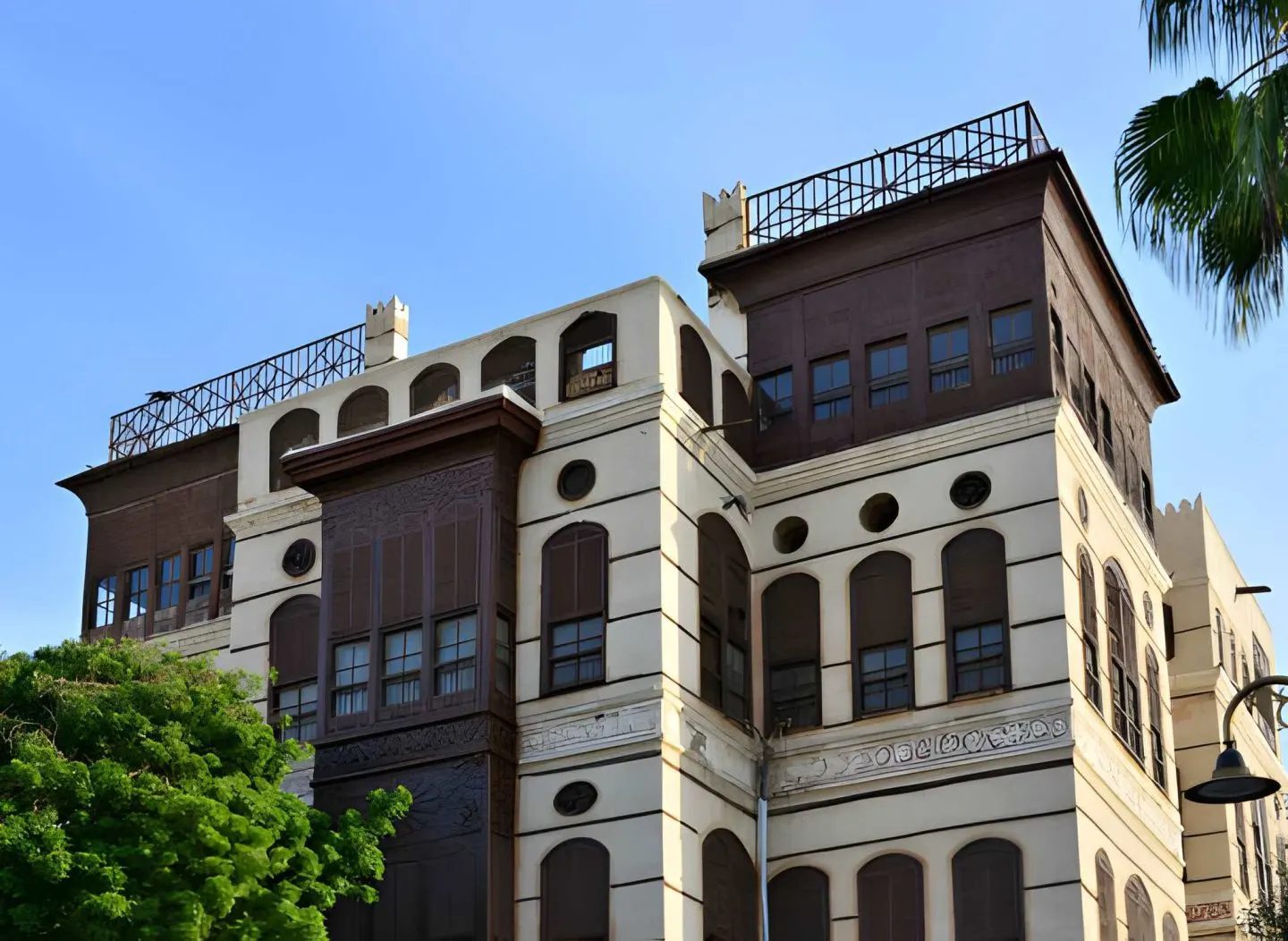
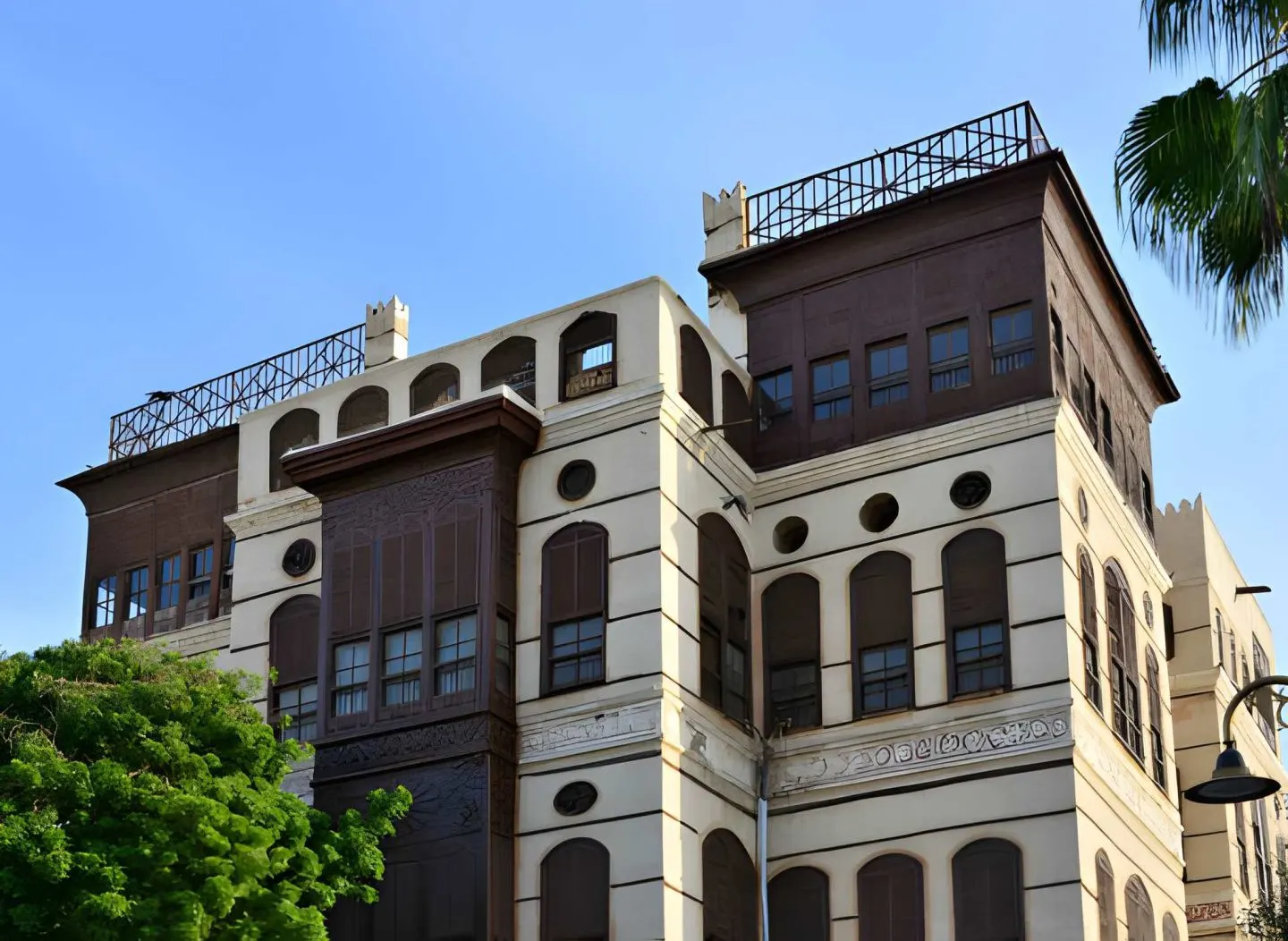
Nasif House, an architectural masterpiece nestled in the vibrant district of Al-Balad in Jeddah, Saudi Arabia, stands as a majestic reminder of the city’s rich cultural and historical tapestry. Built in the late 19th century by the influential Nasif family, this iconic residence has witnessed the evolution of Jeddah from a bustling Red Sea trading port to a modern metropolis. Its intricate details, ornate wooden mashrabiyas, and coral-stone façade reflect the city’s deep connection to the sea, trade, and Islamic heritage. Today, Nasif House remains one of the most visited landmarks in Saudi Arabia, enticing travelers eager to explore its historical significance and architectural beauty.
With its commanding presence and unique design blending Ottoman, Islamic, and local Hijazi styles, Nasif House isn't just a building—it’s a living chronicle of Jeddah’s golden past. Walking through its corridors feels like stepping back in time, where every carved door and shuttered window tells a story of prosperity, faith, and hospitality. This grand home has played host to influential figures, including King Abdulaziz Al Saud, who once stayed here during his early visits to Jeddah. Today, it stands as a cultural beacon, a museum, and a heritage center that embodies Saudi Arabia’s ongoing journey of preservation and modernization.
Historical Background of Nasif House in Jeddah
The Nasif House's story began in the late 1800s when Sheikh Omar Effendi Al-Nasif, a prominent Jeddah merchant and civic leader, commissioned its construction. Located near the old city gate of Al-Balad, the house symbolized power and prestige. Built using coral stones from the Red Sea and reinforced with teak wood imported from India, it was ahead of its time. The mansion featured 106 rooms spread over multiple floors, complete with spacious balconies, a rooftop terrace, and an ingenious ventilation system suited for the coastal climate.
Over the decades, Nasif House became a cornerstone of Jeddah’s social and political life. When King Abdulaziz entered Jeddah in 1925, he chose this house as his royal residence, marking it as a site of national importance. Its historical legacy still draws visitors participating in Jeddah Day Tours & Excursions, offering them a firsthand look into Saudi Arabia’s architectural ingenuity and royal history.
Architectural Significance of Nasif House
Nasif House stands as one of the finest examples of traditional Hijazi architecture—a style unique to western Saudi Arabia’s coastal regions. The building’s façade, adorned with handcrafted wooden latticework and delicate geometric patterns, allowed air to circulate while ensuring privacy. Its mashrabiyas—projecting wooden windows—are both decorative and functional, illustrating the Islamic appreciation for artistry and practicality. Inside, grand staircases, marble floors, and elaborately painted ceilings reveal the Nasif family’s affluence and refined taste.
Each floor of Nasif House was meticulously designed to serve a distinct purpose: the ground level for trade and visitors, middle levels for family quarters, and the rooftop for evening gatherings under the starlit Jeddah sky. The architectural brilliance of this structure makes it an essential stop for travelers exploring Jeddah Tour Packages or anyone interested in Islamic urban heritage. The house’s restoration, completed by the Saudi Commission for Tourism and National Heritage, ensures that its grandeur continues to inspire generations to come.
Nasif House as a Cultural and Educational Landmark
Beyond its architectural marvel, Nasif House plays a pivotal role in preserving Saudi Arabia’s historical identity. Today, it functions as a museum and cultural center showcasing rare manuscripts, traditional furnishings, and period artifacts depicting life in Jeddah during the late 19th and early 20th centuries. The museum also hosts exhibitions and educational workshops, making it a hub for students, historians, and tourists seeking deep insights into Hijazi culture.
Visitors exploring heritage routes that include Al-Balad Saudi Arabia often find Nasif House to be a highlight of their trip. The house perfectly complements nearby landmarks like the old souks, ancient mosques, and coral-stone buildings that collectively narrate Jeddah’s maritime and mercantile legacy. As one of the preserved UNESCO heritage sites, it continues to serve as a bridge connecting the Kingdom’s storied past with its visionary future.
Visiting Nasif House: What to Expect
Stepping into Nasif House feels like entering a time capsule. The scent of polished wood, the cool breeze flowing through latticed windows, and the intricate craftsmanship all combine to deliver a sensory journey through centuries of Saudi history. Guided tours offer in-depth narratives about the Nasif family, the house’s construction, and its royal guest. Many visitors pair their trip with nearby attractions such as Tayebat Museum, King Fahd’s Fountain, and the Floating Mosque, enriching their understanding of Jeddah’s cultural diversity.
For travelers embarking on customized Saudi Arabia Day Tours or extended heritage journeys, Nasif House provides an immersive window into the nation’s transformation. As evening falls, the golden glow of the house against Jeddah’s skyline evokes a sense of nostalgia—a gentle reminder of the city’s enduring soul beneath its modern charm.
Preservation and Restoration Efforts
Preserving Nasif House wasn’t merely about saving a structure—it was about safeguarding a piece of Saudi identity. The Saudi government’s restoration initiative meticulously revived the building using traditional materials and techniques. Experts ensured every wooden balustrade, coral block, and plaster carving reflected the original craftsmanship. Today, the house stands not just as a museum but as a living classroom for architects and cultural conservationists studying the sustainability of historic Hijazi design.
The site’s upkeep aligns with Saudi Arabia’s broader efforts to promote cultural tourism under Vision 2030. Heritage sites like Nasif House, alongside historic treasures such as Madain Saleh (Hegra) and Diriyah, showcase the Kingdom’s dedication to balancing modernization with cultural preservation.
Nasif House’s Role in Modern Tourism
With increasing interest in cultural experiences, Nasif House stands at the forefront of Jeddah’s tourism scene. It’s a focal point for 8 Days Luxury Saudi Arabia Vacation programs and heritage-focused itineraries such as the Jeddah and AlUla Tour. Local guides bring history to life by recounting tales of trade caravans, family traditions, and royal visits that define the spirit of this timeless mansion.
Beyond serving as a landmark, Nasif House symbolizes Saudi Arabia’s warm hospitality. It welcomes travelers from around the world to witness the fusion of art, faith, and craftsmanship that defines Hijazi civilization. A visit here offers more than a history lesson—it delivers a profound cultural awakening that resonates long after the journey ends.
Frequently Asked Questions About Nasif House Saudi Arabia
What is Nasif House and why is it famous?
Nasif House is a heritage mansion in Jeddah’s Al-Balad district, built in the late 19th century by the Nasif family. It’s famous for its splendid Hijazi architecture and historical significance as the residence of King Abdulaziz upon his arrival in Jeddah in 1925.
Where is Nasif House located?
Nasif House is located in the heart of Al-Balad, Jeddah’s historic old town, a UNESCO World Heritage Site known for its coral-stone buildings, ancient souks, and cultural landmarks.
What can visitors see inside Nasif House?
Visitors can explore multiple floors featuring traditional Hijazi furniture, rare manuscripts, family heirlooms, and historic photographs. The rooftop offers panoramic views of Jeddah’s old city.
Is Nasif House open to the public?
Yes, Nasif House is open to the public as a museum and cultural center. Guided tours are available, offering in-depth insights into its architecture, history, and significance in Saudi heritage.
How does Nasif House reflect Saudi Arabia’s heritage?
Nasif House embodies Saudi Arabia’s architectural, social, and cultural identity. Its design, materials, and layout represent traditional Hijazi craftsmanship, while its preservation highlights the Kingdom’s commitment to celebrating its historical roots.