
Holy Mosque
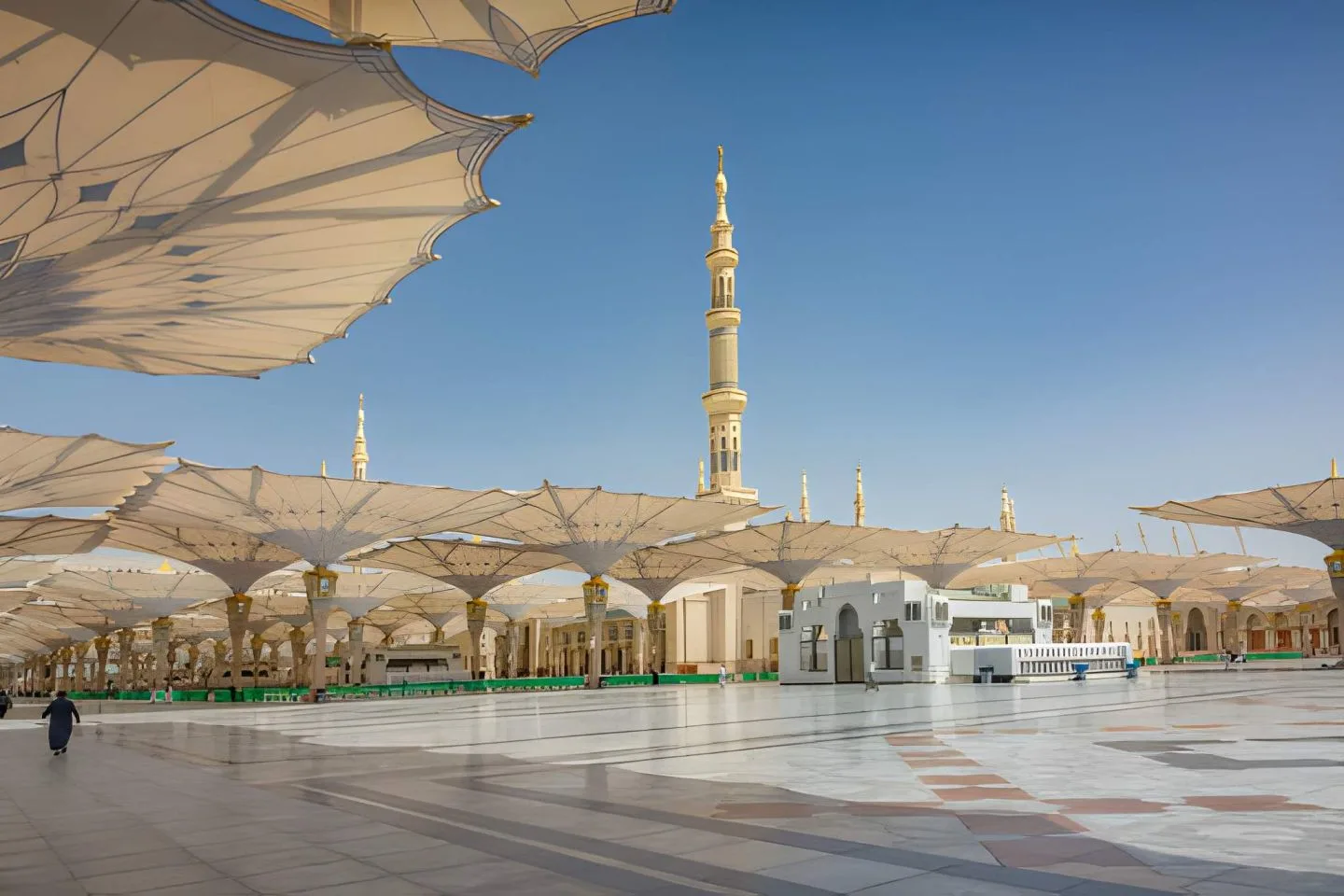
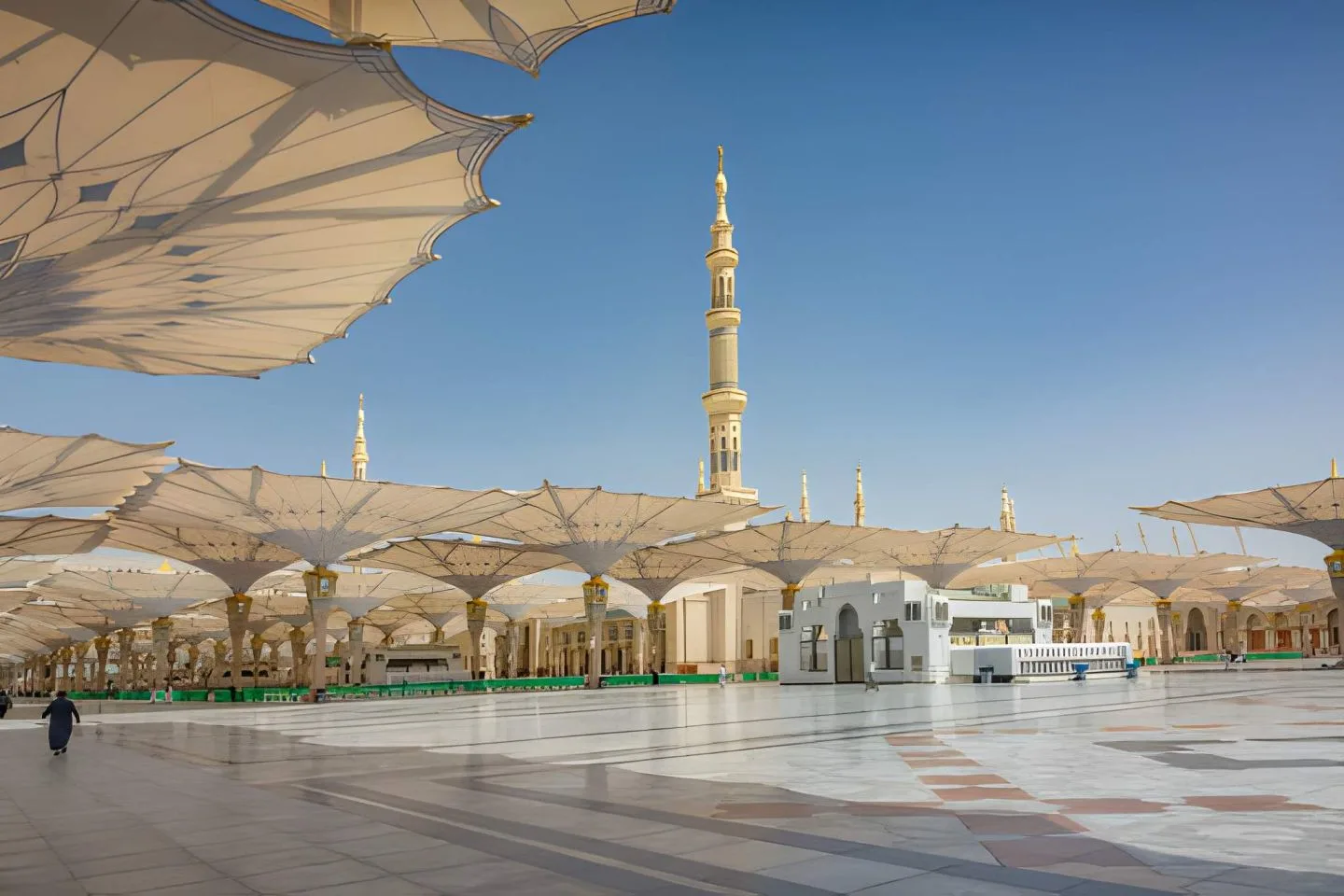
The Holy Mosque: A Spiritual Beacon and Architectural Masterpiece in Madinah
The Holy Mosque, known worldwide as Al-Masjid an-Nabawi, stands as one of the most venerated and spiritually significant landmarks in Islam. Nestled in the sacred city of Madinah, this majestic mosque draws millions of pilgrims each year, filling its courtyards and prayer halls with reverence and unity. Beyond its religious prominence, the Holy Mosque serves as a historical emblem, a symbol of faith, and an architectural marvel that bridges the ancient and modern worlds. Its tranquil ambiance and breathtaking design embody the essence of Islamic devotion, reflecting centuries of craftsmanship, piety, and love for the Prophet Muhammad (peace be upon him).
The Holy Mosque isn’t merely a destination; it’s a journey back in time. Each stone, dome, and minaret whispers tales of spiritual endurance, community, and divine blessing. Visitors who step inside feel an instant connection to history, sensing the serenity that has enveloped this sacred ground for over fourteen centuries. The mosque’s central role in Islam resonates through its timeless architecture, grand expansions, and the emotional depth it offers every believer who prays within its walls. For travelers fascinated by faith, architecture, and culture, the Holy Mosque remains an unparalleled experience—deeply moving, profoundly humbling, and unforgettable.
As a cornerstone of Saudi Arabia’s religious tourism, the Holy Mosque stands among the world’s top pilgrimage sites, alongside the Grand Mosque in Makkah. Its allure lies not only in its sanctity but also in its seamless blend of history and innovation. Whether you’re embarking on a sacred pilgrimage or exploring Saudi Arabia Travel Packages, this iconic mosque offers an encounter that touches every soul. Let’s explore the story, significance, and soul of the Holy Mosque in Madinah—where spirituality meets splendor.
Historical Origins and the Foundation of the Holy Mosque
The Holy Mosque traces its origins to the 7th century, founded by Prophet Muhammad (peace be upon him) shortly after his migration from Makkah to Madinah. This sacred structure was initially modest—a humble space made of palm trunks and clay—but its foundation carried an eternal purpose. It became a sanctuary of reflection, worship, and learning, the beating heart of the early Muslim community. Over time, the mosque evolved into a spiritual center that shaped the course of Islamic civilization.
Historically, the Holy Mosque served as more than a place of prayer; it functioned as a community hub. It hosted gatherings, education, and political consultations, establishing a model for all future Islamic societies. With every expansion—from the Caliphate of Umar ibn al-Khattab to the reign of the Ottoman Empire and the modern Saudi era—the mosque’s enduring spirit remained untouched. Each era contributed a new architectural layer, blending authenticity with innovation while preserving its sacred essence.
Architectural Evolution: From Simplicity to Majesty
What began as a simple prayer hall has transformed into one of the largest mosques on earth, covering vast courtyards and magnificent domes. The Holy Mosque’s architectural evolution mirrors the growth of the Muslim world itself. The Prophet’s initial design emphasized community, simplicity, and accessibility. Later expansions introduced marble flooring, intricate mosaics, and elegant minarets, symbolizing the mosque’s ascent as a global beacon of Islamic heritage.
Modern renovations have equipped the mosque with advanced facilities to accommodate millions of pilgrims, including retractable domes, cooling systems, and vast underground prayer areas. Despite modernization, the Holy Mosque retains its soul—its architectural beauty harmonizing spiritual tranquility with technological excellence. Visitors marvel at how seamlessly tradition meets progress within these sacred boundaries.
The Spiritual Core: The Rawdah and the Green Dome
At the heart of the Holy Mosque lies the Rawdah, a small garden-like area between the Prophet’s tomb and his pulpit. Believers regard it as one of the gardens of Paradise, and prayers offered there are considered especially blessed. The iconic Green Dome, under which the Prophet Muhammad (peace be upon him) rests, has become a symbol of unyielding faith and devotion. Its emerald hue glistens beneath the Arabian sun, reminding every pilgrim of the Prophet’s lasting presence in the hearts of Muslims worldwide.
The Religious and Cultural Significance of the Holy Mosque
The Holy Mosque holds immense religious importance, ranking as Islam’s second holiest site after the Grand Mosque in Makkah. Muslims around the world cherish the opportunity to visit it, especially during the Hajj and Umrah seasons. Praying here carries extraordinary rewards and deep emotional resonance. The mosque’s presence transforms Madinah into a sanctuary of peace, humility, and spiritual reflection—an atmosphere that draws countless believers year after year.
Beyond religious devotion, the Holy Mosque embodies unity. Pilgrims from every continent gather under its golden-lit arches, erasing distinctions of race and status. The sense of fraternity is tangible, a living testimony to Islam’s message of equality and compassion. The surrounding city of Madinah complements this sanctity with historical treasures like the Quba Mosque—the first mosque built in Islam—and attractions like the International Fair & Museum of the Prophet’s Biography, offering deeper insight into the Prophet’s life and legacy.
The Holy Mosque as a Center of Learning
From its earliest days, the Holy Mosque nurtured scholarship and wisdom. Companions of the Prophet gathered here to study the Qur’an, discuss knowledge, and spread the message of Islam. Over the centuries, scholars, jurists, and theologians continued this legacy, turning the mosque into an intellectual sanctuary. Today, educational programs and lectures keep that tradition alive, fostering understanding and spiritual growth among all who visit.
The Global Appeal of the Holy Mosque
Millions of Muslims around the world aspire to visit this sacred site. Whether arriving via Jeddah International Airport or traveling through Souq Taiba, every journey to Madinah feels like a divine calling. The Holy Mosque represents not just a physical destination but a spiritual homecoming for believers seeking solace, forgiveness, and inner peace.
Architecture and Design: The Blend of Faith and Innovation
The Holy Mosque’s design reflects the perfect balance between reverence and grandeur. Its marble floors, gilded domes, and towering minarets symbolize purity and perfection. The sonic ambiance—soft recitations of the Qur’an mingling with the gentle hum of worshippers—creates an atmosphere of unmatched serenity. Each expansion has honored the original layout while enhancing comfort and accessibility for millions of visitors.
Modern Expansion Projects
Saudi Arabia’s continuous efforts have elevated the Holy Mosque to new heights of excellence. Recent expansions include advanced infrastructure, efficient crowd management systems, and eco-friendly facilities. These enhancements ensure that pilgrims from across the globe can worship in safety and comfort. The expansions exemplify how tradition and modernity can coexist harmoniously, strengthening the mosque’s legacy for generations to come.
Surrounding Attractions and Pilgrimage Routes
Visitors to the Holy Mosque often explore nearby sites that enrich their spiritual journey. Landmarks such as Qiba Street and the Floating Mosque in Jeddah serve as serene reminders of Saudi Arabia’s rich Islamic heritage. Many travelers combine their visit with broader Saudi Arabia Tours to experience the kingdom’s cultural, historical, and natural wonders, from the ancient ruins of AlUla to the bustling souqs of Riyadh.
Planning Your Visit to the Holy Mosque
Visiting the Holy Mosque demands both spiritual and practical preparation. Pilgrims are encouraged to learn about local customs and follow guidelines that preserve the sanctity of the site. Understanding Saudi Etiquette and Cultural Do’s and Don’ts helps visitors show respect while navigating sacred spaces. Modest attire, patience, and humility are key virtues when entering this divine sanctuary.
Best Time to Visit the Holy Mosque
The Holy Mosque welcomes visitors year-round, yet the ideal time largely depends on climate and crowd levels. Many pilgrims choose cooler months or visit outside peak Hajj and Ramadan seasons. To optimize your trip, consider reading about the Best Time to Visit Saudi Arabia. Each season offers unique experiences, from tranquil mornings under golden sunlight to emotionally charged evenings during prayer.
Tips for Pilgrims and Travelers
To make the most of your pilgrimage, plan ahead. Book accommodations close to the mosque, stay hydrated, and maintain a respectful demeanor at all times. Explore nearby cultural attractions such as National Museum of Saudi Arabia or historic Madinah sites to deepen your understanding of the country’s spiritual heritage. Combining faith with discovery turns your journey into a soulful adventure that transcends mere travel.
Frequently Asked Questions About the Holy Mosque
What is the significance of the Holy Mosque in Islam?
The Holy Mosque, or Al-Masjid an-Nabawi, is Islam’s second holiest site after the Grand Mosque in Makkah. It was established by Prophet Muhammad (peace be upon him) and serves as his burial place. Prayers performed here carry immense spiritual rewards, and the mosque’s historical and religious importance makes it a cornerstone of Islamic faith.
When was the Holy Mosque originally built?
The Holy Mosque was founded in 622 CE, shortly after the Prophet Muhammad (peace be upon him) migrated to Madinah. The original structure was simple, reflecting humility and faith, and has since undergone numerous expansions under Islamic rulers and Saudi leadership to accommodate millions of worshippers.
Can non-Muslims visit the Holy Mosque?
In accordance with Saudi regulations, only Muslims are permitted to enter the Holy Mosque and the city’s central religious zones. However, non-Muslim travelers can explore other parts of Saudi Arabia, including historical attractions like Diriyah and cultural landmarks across the kingdom.
How can I reach the Holy Mosque?
Most international pilgrims arrive through Madinah or Jeddah International Airport. Efficient transportation options, including high-speed trains and modern highways, connect these cities. Several Saudi Arabia travel tips for first-timers recommend booking ahead for convenience and comfort.
What should pilgrims know before visiting the Holy Mosque?
Pilgrims should prepare by learning about local religious etiquette and travel requirements, including the Saudi eVisa process. Dressing modestly, maintaining cleanliness, and respecting sacred customs are essential. Visitors should also allocate time for reflection, ensuring their trip becomes both spiritually enriching and unforgettable.