
King Faisal Islamic Center
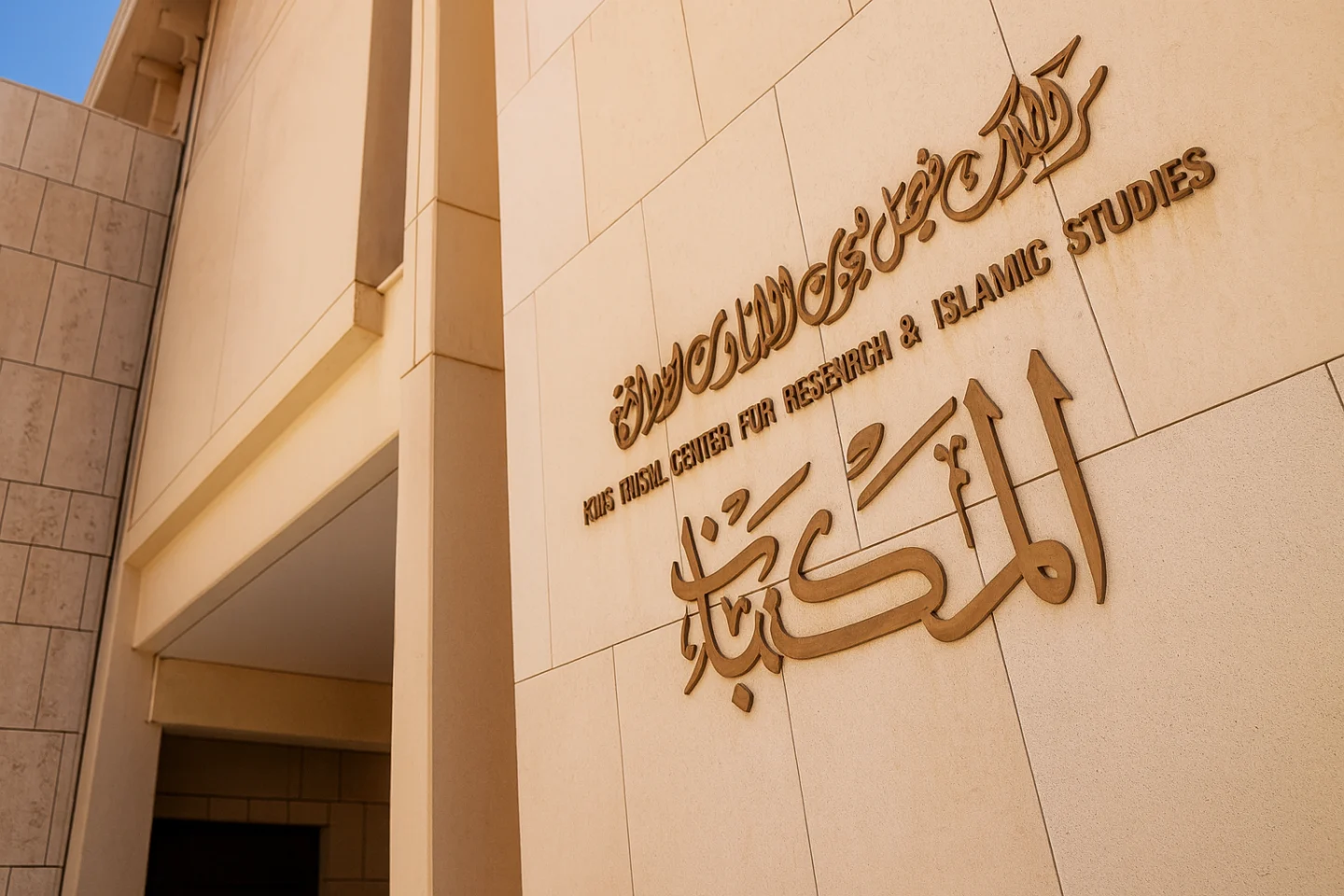
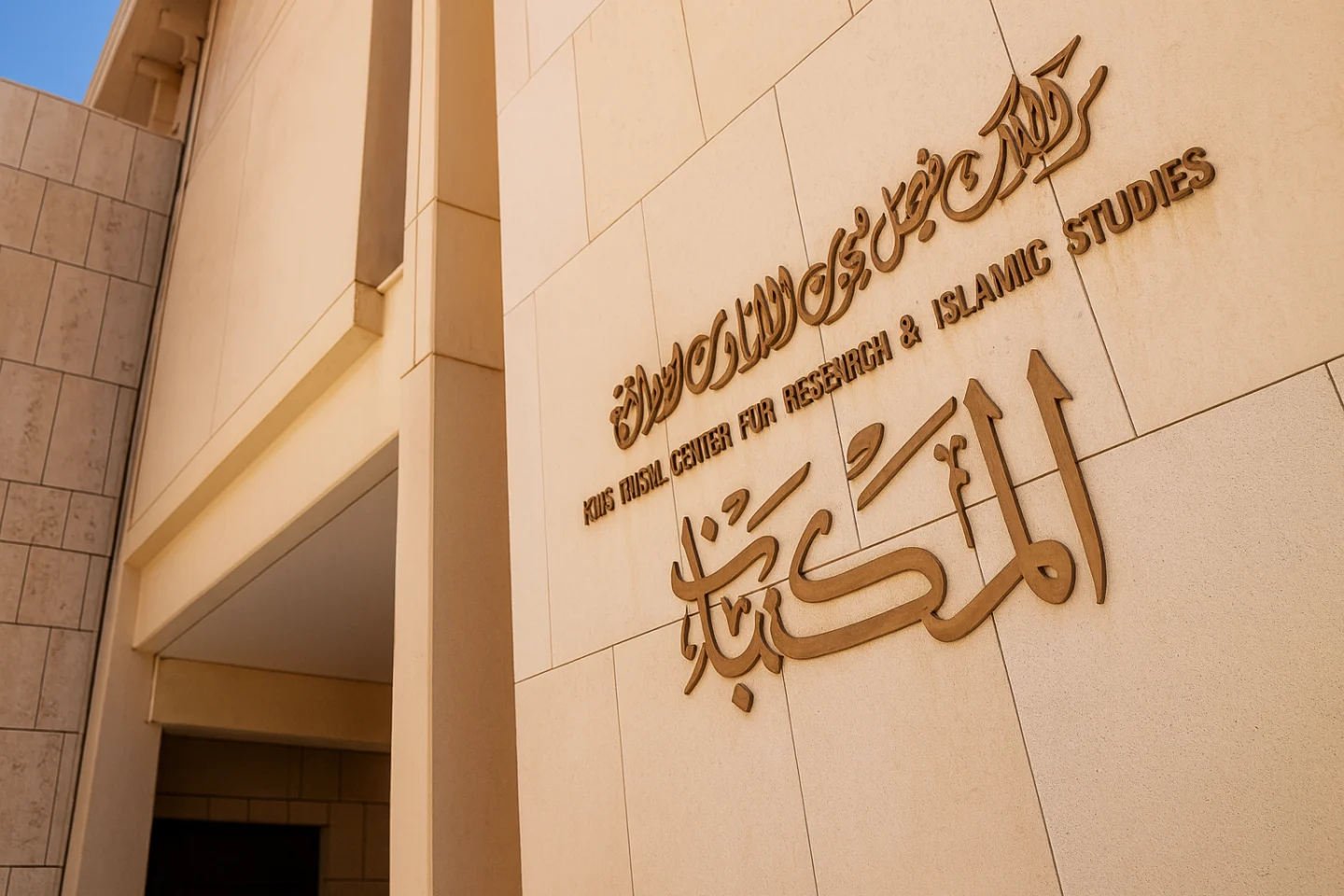
King Faisal Islamic Center: A Beacon of Faith, Knowledge, and Architecture in Riyadh
In the heart of Riyadh, the King Faisal Islamic Center stands as one of the most distinguished landmarks in Saudi Arabia. Blending Islamic architecture with modern functionality, this center serves as a symbol of the Kingdom’s dedication to education, culture, and religion. Established to honor King Faisal bin Abdulaziz Al Saud, the center embodies his vision for spreading Islamic knowledge and fostering global dialogue rooted in faith and understanding. Its magnificent design, scholarly activities, and cultural initiatives make it a central destination for visitors exploring Riyadh’s heritage and modern identity.
Visitors who embark on Riyadh Day Tours often include the King Faisal Islamic Center in their itineraries, drawn by its serene ambiance and its role as a leading institution of Islamic thought. This architectural masterpiece not only reflects Saudi Arabia’s spiritual foundation but also underscores its growing global influence in religious education and interfaith dialogue. The center’s expansive complex, featuring a mosque, research library, and conference facilities, continues to attract scholars, historians, and travelers eager to delve deeper into the Kingdom’s cultural evolution.
Historical Background of King Faisal Islamic Center
The King Faisal Islamic Center was established in 1980 to commemorate the life and leadership of King Faisal, whose legacy continues to shape Saudi Arabia’s cultural and political landscape. His vision for education and modernization through faith laid the groundwork for one of the country’s most respected institutions. The center’s mission revolves around promoting Islamic values, fostering academic research, and encouraging intercultural communication. Over the decades, it has hosted numerous international conferences and symposiums that address contemporary issues within the Islamic world.
For travelers exploring the rich tapestry of Saudi Arabia’s historical and religious landmarks, the center represents a bridge between the Kingdom’s past and its aspirations for a progressive future. Much like other cultural sites such as the National Museum of Saudi Arabia and Diriyah, the King Faisal Islamic Center plays a pivotal role in preserving the nation’s heritage while embracing intellectual growth.
Architectural Design and Aesthetic Appeal
The design of the King Faisal Islamic Center is a breathtaking blend of traditional Islamic elements and modern artistry. The architecture pays homage to classical Arabic design, featuring geometric patterns, intricate calligraphy, and elegant domes that gracefully dominate the skyline. The center’s mosque is particularly remarkable, exuding tranquility and spiritual grandeur. Its expansive prayer halls, adorned with marble and patterned tiles, accommodate worshippers from all walks of life.
Every structural detail reflects harmony between spirituality and modernity. The use of natural light, open courtyards, and carved wooden doors showcases the Kingdom’s dedication to sustainable design infused with cultural symbolism. Visitors often note similarities between this center and architectural icons like the King Fahad Library, both representing Riyadh’s modern architectural renaissance.
A Hub for Islamic Scholarship and Research
Beyond its striking appearance, the King Faisal Islamic Center is a powerhouse of knowledge. Its library and research departments house extensive collections of manuscripts, rare Islamic texts, and academic publications in theology, jurisprudence, and history. Scholars from around the globe visit the center to study Islamic civilization, engage in research collaborations, and participate in lectures that delve into issues shaping the Muslim world today.
The center’s research programs foster critical thinking and cross-cultural exchange, aligning with the Kingdom’s broader initiatives to promote education through institutions such as Murabba Palace and Kingdom Tower, both iconic symbols of Saudi progress. Visitors can also explore exhibitions and conferences aimed at advancing Islamic sciences and global understanding.
Community Engagement and Cultural Impact
The King Faisal Islamic Center isn’t just a scholarly space—it’s a vibrant cultural hub fostering community development. The center regularly organizes educational seminars, Ramadan programs, art exhibitions, and youth initiatives that encourage intercultural dialogue. Its events draw participants from across the Middle East and beyond, reflecting Saudi Arabia’s role in bridging modernity with Islamic tradition.
Through partnerships with international universities and religious organizations, the center continues to inspire new generations of thinkers. Its influence extends beyond Riyadh, complementing other educational and cultural landmarks explored during Saudi Arabia Day Tours or curated Saudi Arabia Travel Packages.
Visiting King Faisal Islamic Center: What to Expect
Visitors to the King Faisal Islamic Center are greeted by serene courtyards, grand architecture, and a spiritual atmosphere that invites reflection. The center’s mosque welcomes worshippers, while its cultural exhibitions and research facilities are open to visitors interested in learning more about Islamic studies. Guided tours are occasionally available, offering insights into the architecture, history, and purpose of each section within the complex.
Travelers often combine their visit with nearby attractions such as the Masmak Fort and Boulevard City. The center’s prime location in Riyadh makes it easily accessible and a must-see for anyone exploring Saudi’s rich religious and cultural heritage. Whether you’re a scholar, a spiritual seeker, or simply an admirer of architectural beauty, the King Faisal Islamic Center promises an unforgettable journey.
The Center’s Role in Modern Saudi Vision
Aligned with Saudi Vision 2030, the King Faisal Islamic Center plays a vital role in promoting intellectual leadership and cultural awareness. It contributes to the Kingdom’s efforts to strengthen educational infrastructure while celebrating Islamic identity. As Saudi Arabia opens its doors to international visitors through initiatives like Saudi eVisa, the center stands as a shining symbol of progress balanced with faith.
This harmony between sacred values and modern ambition defines the Kingdom’s global image today. The King Faisal Islamic Center, like other monumental sites such as Sky Bridge at Kingdom Tower or Dirah Souq, captures the spirit of modern Riyadh—innovative, culturally rich, and deeply rooted in tradition.
Preserving Islamic Heritage for Future Generations
The King Faisal Islamic Center ensures that Islamic heritage remains accessible to future generations. Through educational initiatives, digital archives, and research grants, it encourages continued exploration of faith, philosophy, and cultural identity. The center also fosters awareness of Saudi Arabia’s historic role in guiding Islamic scholarship, bridging classical and contemporary Islamic thought.
By integrating education, worship, and cultural exchange, the center epitomizes Saudi Arabia’s vision for a knowledge-driven society. It stands proudly among the Kingdom’s most important institutions, inviting global visitors to witness a living legacy of devotion and intellect.
Frequently Asked Questions About King Faisal Islamic Center
What is the purpose of the King Faisal Islamic Center?
The King Faisal Islamic Center was established to promote Islamic scholarship, encourage cultural exchange, and preserve Saudi Arabia’s intellectual heritage. It serves as a hub for religious research, community engagement, and interfaith dialogue, reflecting King Faisal’s vision of education and understanding.
Where is the King Faisal Islamic Center located?
The center is located in Riyadh, the capital of Saudi Arabia. Its central position makes it easily accessible for visitors participating in Riyadh City Tour programs or other local excursions exploring the city’s cultural and historical attractions.
Can tourists visit the King Faisal Islamic Center?
Yes, visitors are welcome to explore certain areas of the King Faisal Islamic Center, including its mosque, exhibitions, and occasionally its library. Modest attire is required, and it’s advisable to check visiting hours in advance, especially during prayer times or special events.
What makes the architecture of the King Faisal Islamic Center unique?
The center’s architecture harmonizes traditional Islamic design with modern aesthetics. Its domes, geometric motifs, and expansive courtyards reflect Islamic artistry while incorporating modern construction methods, symbolizing the fusion of history and progress in Saudi architecture.
How does the King Faisal Islamic Center contribute to Saudi Vision 2030?
The King Faisal Islamic Center aligns with Vision 2030 by promoting knowledge, innovation, and global engagement. It strengthens Saudi Arabia’s reputation as a cultural and educational hub, encouraging tourism, research, and international collaboration centered on faith and learning.