
Hisma Desert
Hisma Desert: The Hidden Gem of Northwestern Saudi Arabia
Stretching across the rugged landscapes of northwestern Saudi Arabia, the Hisma Desert stands as a breathtaking natural masterpiece of golden sands and monumental sandstone formations. Located near the ancient city of Tabuk, this desert is a realm where nature's artistry meets timeless history. The Hisma Desert captivates travelers with its towering red cliffs, labyrinthine canyons, and millennia-old petroglyphs etched by ancient civilizations. It’s more than just a desert; it’s a living museum, a sanctuary for explorers seeking tranquility, and a destination that showcases the untouched beauty of Arabia’s vast wilderness.
As one ventures into the heart of the Hisma Desert, the surreal landscape evokes a powerful sense of wonder. The towering sandstone pillars resemble those found in Jordan’s Wadi Rum, yet the Hisma Desert remains refreshingly unspoiled and serene. Its immense rock formations have weathered time, standing as silent witnesses to long-forgotten stories of nomadic tribes, traders, and ancient travelers who once crossed this region on camel caravans. The air here is crisp, the silence profound, and the golden sunsets cast an ethereal glow across the desert’s sculpted terrain.
For those planning Saudi Arabia Tours, the Hisma Desert promises an unparalleled experience that combines adventure, culture, and natural splendor. Travelers can explore its vast plains, marvel at prehistoric rock art, and even camp under the dazzling Milky Way. Whether you’re a photographer, history buff, or nature enthusiast, the Hisma Desert rewards every visitor with unforgettable moments of awe and peace. Its unspoiled beauty and raw power perfectly embody the spirit of Saudi Arabia’s emerging eco-tourism movement, offering a rare chance to connect deeply with the essence of the Arabian wilderness.
Geography and Location of the Hisma Desert
The Hisma Desert lies in the Tabuk region of northwestern Saudi Arabia, an area renowned for its dramatic natural landscapes and archaeological treasures. The desert extends between Tabuk City and the borders of Jordan, forming a corridor of sandstone mountains, red dunes, and expansive valleys. Its proximity to other major landmarks, such as Wadi Disah and Jabal Al Lawz, makes it a prime destination for travelers exploring northern Saudi Arabia’s natural wonders.
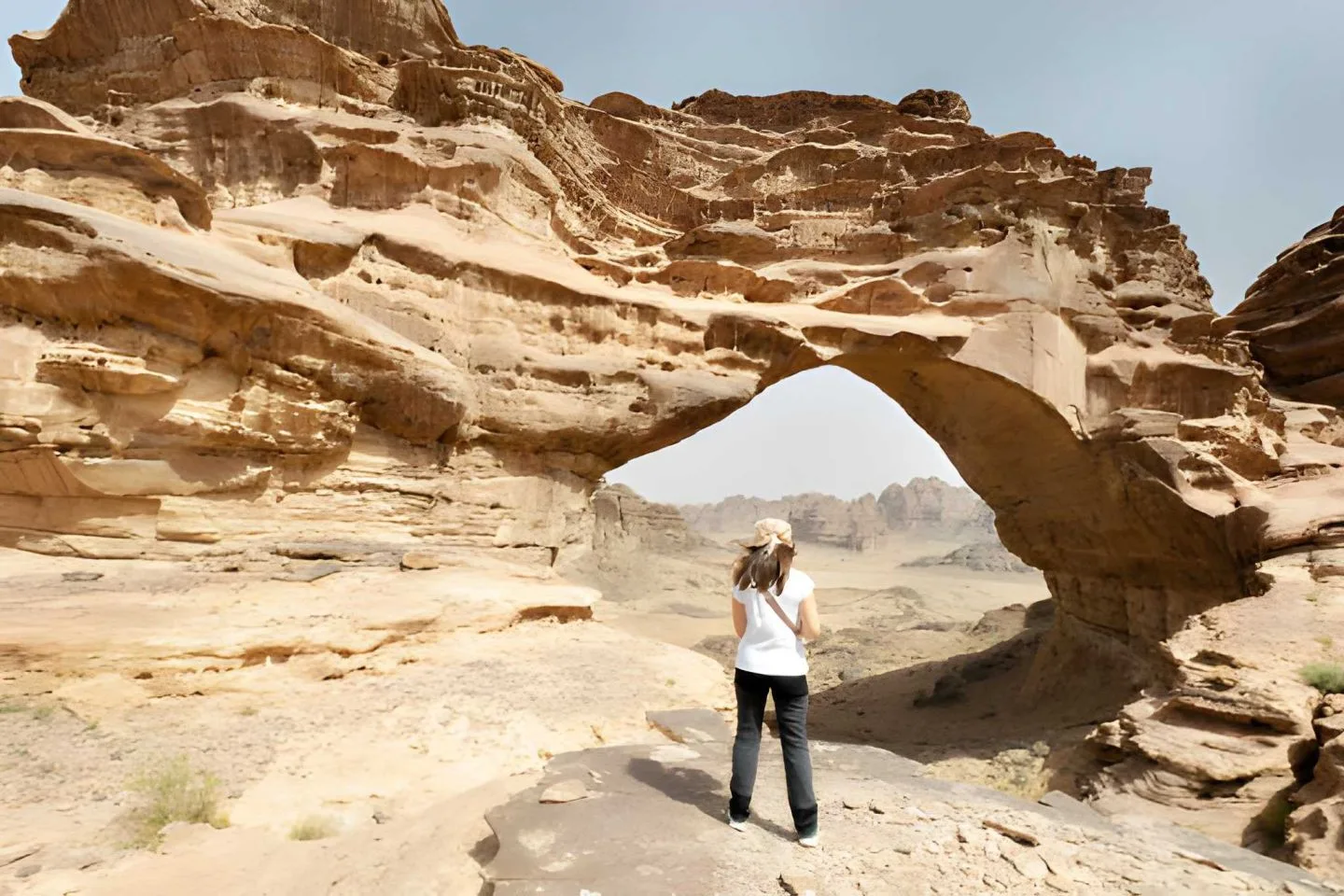
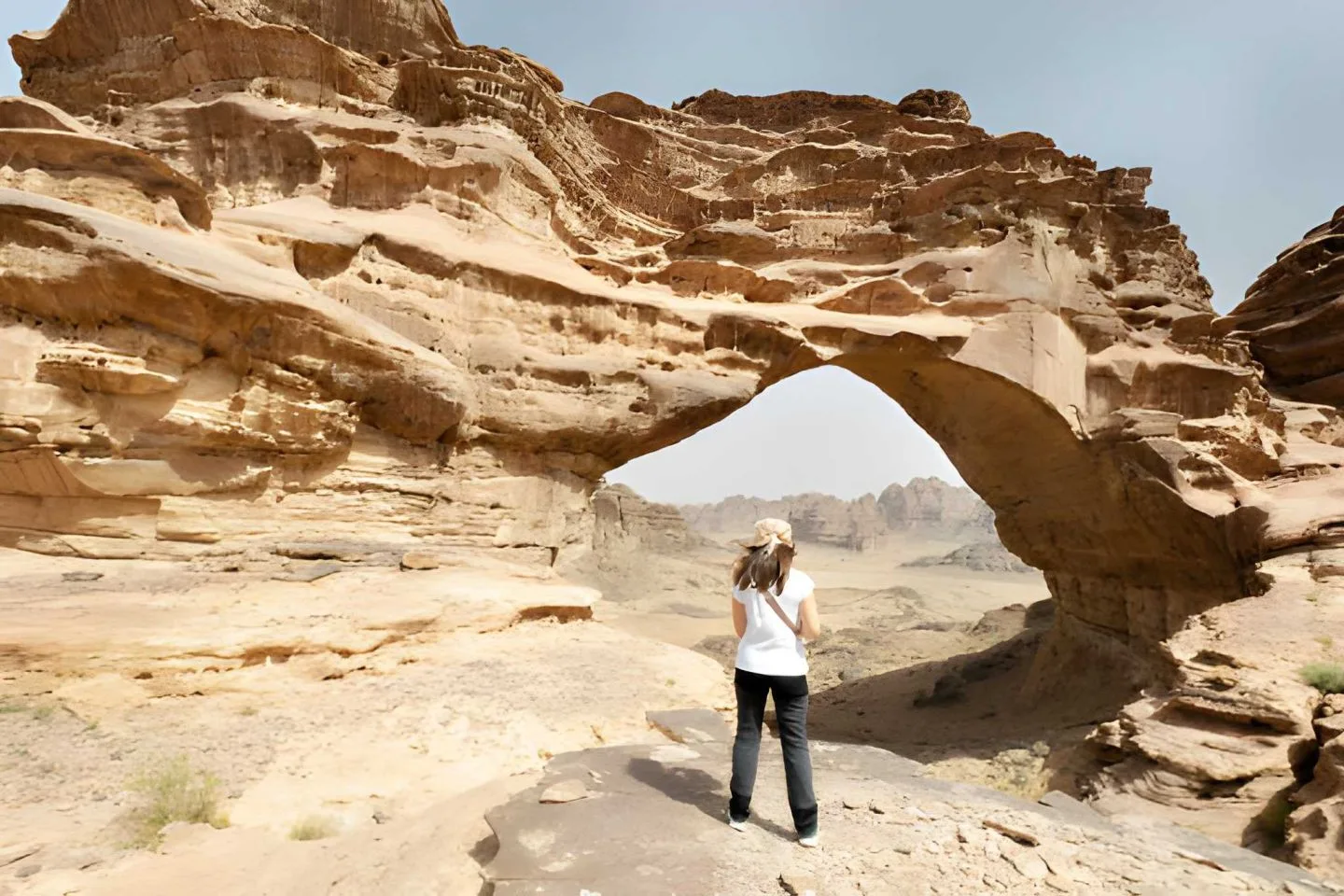
The region’s terrain is defined by massive sandstone cliffs that rise majestically from the desert floor. Over thousands of years, wind and erosion have sculpted these formations into arches, towers, and caves, creating a geological paradise for adventurers. The reddish hue of the rocks contrasts beautifully with the deep blue sky, producing striking panoramas that shift dramatically with the changing light of day. At sunrise, the desert awakens in shades of gold and pink, while at sunset, it glows in crimson tones that seem almost otherworldly.
Climate and Weather Patterns in Hisma Desert
The Hisma Desert experiences a typical arid climate characterized by hot summers and cool winters. Daytime temperatures can exceed 40°C in the summer, while nighttime temperatures drop significantly, offering relief under star-filled skies. In winter, the weather becomes pleasantly mild, making it the ideal season for desert exploration. This climatic variation not only enhances the desert’s visual beauty but also supports a surprising diversity of flora and fauna adapted to extreme conditions.
Visitors planning their adventure to the Hisma Desert should consider timing their trip carefully. The best months to visit are between October and March when temperatures are moderate, and the desert landscape is at its most photogenic. The combination of crisp air and soft lighting during these months creates a dreamlike setting for photography, hiking, and camping. For travelers seeking the perfect itinerary, Best Time To Visit Saudi Arabia offers useful insights for planning a memorable desert journey.
Historical and Cultural Significance of Hisma Desert
The Hisma Desert holds deep historical significance that stretches far beyond its natural allure. Long before modern explorers arrived, ancient civilizations left their mark on its sandstone walls. The desert’s rock formations bear inscriptions and petroglyphs dating back thousands of years, depicting scenes of daily life, animals, and symbolic carvings that reveal the cultural richness of Arabia’s early inhabitants.
Hisma once lay along important trade routes connecting the Arabian Peninsula with the Levant. Caravans carrying spices, incense, and textiles crossed these lands, transforming the desert into a bustling corridor of commerce and cultural exchange. The Madain Saleh (Hegra) site in AlUla shares similar historical roots, highlighting how the Nabatean civilization once thrived across this region. The desert’s ancient rock art, carved by nomadic tribes, provides invaluable insight into their spiritual beliefs and way of life.
Bedouin Heritage and Nomadic Traditions
The Hisma Desert continues to be deeply intertwined with Bedouin culture. For centuries, Bedouin tribes have roamed its vast plains, raising camels, crafting poetry, and preserving oral traditions that celebrate the desert’s beauty and resilience. Visitors can experience authentic Bedouin hospitality through guided tours or desert camps, where traditional meals and storytelling sessions bring the region’s heritage to life. Such experiences offer a genuine connection with the ancestral spirit of the Arabian desert and demonstrate how modern Saudi Arabia embraces its cultural roots while welcoming global travelers.
Adventure and Tourism in the Hisma Desert
Adventure seekers find endless opportunities across the Hisma Desert’s rugged terrain. Hiking, rock climbing, and off-road exploration are among the most popular activities. The towering sandstone cliffs provide challenging yet rewarding climbing routes, while the vast open plains invite off-road enthusiasts to traverse dunes and valleys in 4x4 vehicles. Nature lovers, on the other hand, often prefer slow-paced treks to appreciate the intricate rock formations and subtle desert flora.
Those inspired by outdoor adventures might consider combining their visit with a trip to the Desert Camping Saudi experiences for a night under the desert sky. The Hisma Desert’s isolation ensures minimal light pollution, offering one of the clearest views of the Milky Way in Saudi Arabia. Campfires under twinkling stars create an atmosphere of serenity, where the vast silence of the desert feels both humbling and inspiring.
Photography and Natural Beauty
Photographers find the Hisma Desert irresistible. Its interplay of light and shadow transforms every rock face into a canvas of color and texture. The desert’s geological diversity—arches, pillars, and narrow canyons—presents endless opportunities for creative photography. Early mornings and late afternoons are especially magical as the sun’s angled rays bring out the fiery tones of the sandstone. For photography enthusiasts, tips from Photography Spots Saudi can help capture the most stunning angles of this mesmerizing region.
Eco-Tourism and Sustainable Travel
In recent years, the Hisma Desert has gained recognition as a sustainable tourism destination. Saudi Arabia’s Vision 2030 emphasizes eco-tourism, and the preservation of natural heritage sites like Hisma plays a crucial role in that effort. Local guides emphasize leaving no trace, protecting wildlife, and educating visitors on the desert’s ecological importance. Travelers can enjoy guided eco-tours that combine adventure with environmental stewardship, ensuring that future generations can continue to marvel at this pristine wilderness.
Natural Wonders and Geological Formations
The Hisma Desert’s unique geological features are a testament to the forces of nature that have shaped Arabia over millions of years. Massive sandstone formations rise hundreds of meters above the ground, carved by wind and rain into whimsical shapes that defy imagination. Some formations resemble fortress walls, while others form natural arches and pillars that seem to reach toward the heavens. These formations, tinted in hues of red, orange, and gold, create a surreal landscape reminiscent of Mars.
Among the most spectacular sites are narrow canyons that invite exploration. As you wander through these ancient corridors, the air grows cooler and echoes with whispers of history. In certain areas, prehistoric carvings depict hunting scenes and tribal markings, evidence that life once flourished even in this harsh environment. For geology enthusiasts and curious travelers alike, the Hisma Desert offers an open-air gallery of nature’s artistry.
Wildlife and Flora of the Hisma Desert
Despite its harsh conditions, the Hisma Desert supports a surprising array of life. Hardy shrubs and acacia trees dot the landscape, providing vital shade and sustenance for desert fauna. Gazelles, foxes, lizards, and migratory birds inhabit the region, adapted to survive extreme temperatures and limited water sources. These species contribute to the ecological diversity of the desert, making it an important habitat within Saudi Arabia’s broader environmental framework. Conservation initiatives continue to protect these fragile ecosystems, aligning with the goals promoted through Wildlife Reserves Saudi.
Travel Tips and Visitor Information
Reaching the Hisma Desert is relatively straightforward, with Tabuk serving as the main gateway. Visitors can fly into Tabuk Airport and arrange guided tours or car rentals to explore the region. It’s advisable to travel with experienced guides familiar with the terrain, as certain areas require navigation through remote desert tracks. Packing essentials include adequate water, sun protection, sturdy footwear, and a camera to capture the desert’s awe-inspiring scenes.
For those looking to expand their exploration, combining a visit to Hisma with nearby attractions such as Elephant Rock or Sharaan Nature Reserve enriches the journey. Many Saudi Arabia Travel Packages now include desert expeditions that showcase the country’s incredible diversity, from coral-lined coasts to mountainous highlands and golden dunes.
Frequently Asked Questions about Hisma Desert
What is the Hisma Desert known for?
The Hisma Desert is known for its majestic sandstone formations, ancient rock art, and resemblance to Jordan’s Wadi Rum. It’s a favorite destination for nature enthusiasts, photographers, and adventurers seeking a tranquil desert escape in northwestern Saudi Arabia.
Where is the Hisma Desert located?
The Hisma Desert is situated in the Tabuk region of northwestern Saudi Arabia, near the Jordanian border. It lies close to other natural attractions such as Wadi Disah and Jabal Al Lawz, making it a central hub for desert exploration in the area.
What activities can visitors enjoy in the Hisma Desert?
Visitors can enjoy hiking, rock climbing, off-road driving, photography, and stargazing. Camping under the stars and exploring ancient petroglyphs are particularly popular experiences that highlight the desert’s rich natural and cultural heritage.
When is the best time to visit the Hisma Desert?
The best time to visit is between October and March when temperatures are moderate, and conditions are ideal for outdoor exploration. During this period, the desert’s colors are most vivid, and the weather is comfortable for extended adventures.
How can travelers reach the Hisma Desert?
Travelers can reach the Hisma Desert through Tabuk City, which is accessible via Tabuk Airport. From there, visitors can book guided tours or rent vehicles to explore the desert’s vast landscape safely and comfortably.