Wildlife Reserves Saudi
Wildlife Reserves Saudi: Exploring the Kingdom’s Natural Treasures
Saudi Arabia’s wildlife reserves are the country’s hidden gems—untouched sanctuaries where nature, heritage, and biodiversity converge. Long known for its vast deserts, the Kingdom also shelters lush valleys, volcanic highlands, coral reefs, and mountain forests that brim with life. These protected areas reveal a side of Saudi Arabia few travelers expect: a land teeming with Arabian leopards, gazelles, hyenas, and migratory birds soaring over ancient dunes. Recent conservation initiatives have turned these reserves into vital ecological zones and exceptional destinations for eco-tourism. Whether you’re an adventurer seeking rugged terrain or a nature lover chasing serenity, Saudi Arabia’s wildlife reserves promise unforgettable experiences. With the government’s Vision 2030 emphasizing sustainability, these parks aren’t just places to visit—they’re a testament to Saudi Arabia’s renewed commitment to its natural legacy.
Incorporating visits to these reserves into your Saudi Arabia Tours opens the door to discovering the Kingdom’s authentic soul. Beyond the cities, each reserve tells a story of coexistence between man and nature that’s as old as Arabia itself.
Sharaan Nature Reserve: The Jewel of AlUla
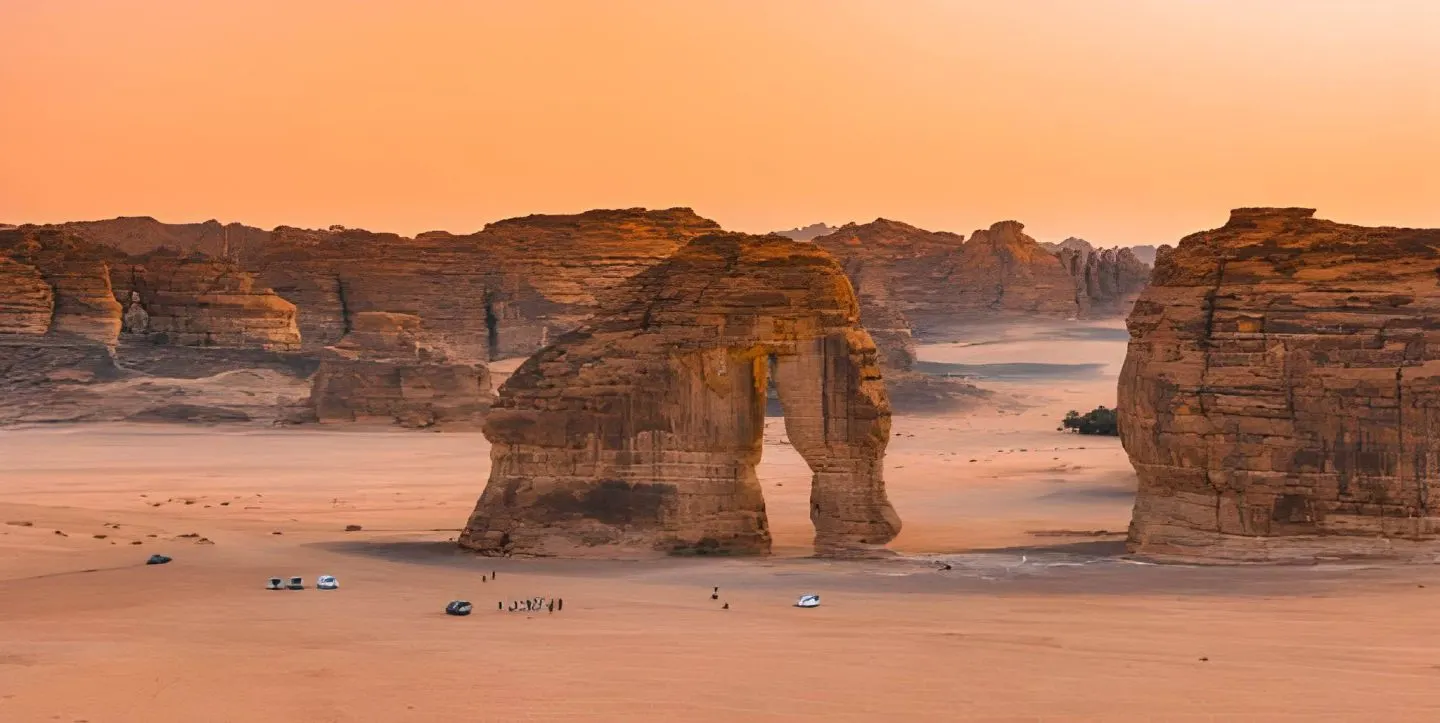
Located near the awe-inspiring Sharaan Nature Reserve, this area is the beating heart of AlUla’s natural heritage. Spread across sandstone canyons and volcanic plateaus, the reserve is home to reintroduced Arabian oryx, ostriches, and Nubian ibex. It lies near archaeological wonders like Madain Saleh (Hegra), merging history and ecology in a seamless experience. Visitors often combine Sharaan with Alula Day Tours, exploring breathtaking vistas at Elephant Rock and witnessing desert life unfolding at dawn. The reserve’s eco-lodge project, designed by renowned architect Jean Nouvel, aims to redefine sustainable luxury travel while preserving AlUla’s delicate ecosystem.
King Salman Bin Abdulaziz Royal Natural Reserve: The Desert Giant
The King Salman Reserve, one of the largest protected regions in the Middle East, covers over 130,000 square kilometers in northern Saudi Arabia. It’s a world of contrasting habitats—from volcanic fields and mountains to ancient rock formations. This reserve protects endangered species like the Arabian wolf, sand gazelle, and golden eagle. Travelers can venture here on specialized Riyadh Day Tours or longer AlUla Tours Packages that highlight the Kingdom’s commitment to wildlife conservation. Its mesmerizing night skies also make it a hotspot for stargazing and astrophotography.
Uruq Bani Ma’arid Reserve: The Heart of the Empty Quarter
Located along the edge of the Rub’ al Khali (Empty Quarter), Uruq Bani Ma’arid is a symbol of survival in one of Earth’s harshest environments. The reserve’s sweeping dunes host Arabian oryx, sand cats, and rare reptiles, thriving under extreme conditions. Scientists and explorers alike find this region fascinating for its biodiversity and resilience. Sustainable tourism initiatives are now introducing carefully curated desert safaris that rival traditional Desert Camping in Saudi adventures while respecting fragile habitats.
Farasan Islands Marine Sanctuary: A Coral Paradise in the Red Sea
Off the southwestern coast near Jazan, the Farasan Islands form a marine haven filled with coral reefs, mangroves, and an abundance of sea life. Dolphins, dugongs, and sea turtles swim freely through turquoise waters, while migratory birds nest along pristine shores. As part of Red Sea Diving in Saudi experiences, divers can witness vibrant underwater ecosystems rivaling the world’s best reefs. The islands also boast archaeological ruins and traditional fishing villages that offer a glimpse into centuries-old maritime heritage.
Mahazat Al-Sayd Reserve: Saudi Arabia’s First Wildlife Sanctuary
Established in 1989, Mahazat Al-Sayd stands as a pioneering conservation success. Enclosed by fencing to protect its delicate environment, the reserve has been crucial in reintroducing endangered species like the Arabian oryx and houbara bustard. Located near Taif, it’s a perfect complement to excursions around Al Hada Mountain and Rose Gardens. Visitors can experience the desert’s rhythmic pulse while witnessing one of the most successful wildlife recovery projects in the Arabian Peninsula.
Asir National Park: Mountain Wilderness in the Clouds
High above the coastal plains lies Asir National Park, a lush sanctuary stretching across the Sarawat Mountains. It’s a world apart—cool misty forests, terraced farms, and dramatic cliffs provide refuge for baboons, leopards, and endemic birds. This reserve, near Abha, is a magnet for adventure seekers and photographers. Pairing your visit with Aseer Excursions offers a deeper dive into local culture, from traditional mountain villages to scenic viewpoints like Jabal Al Soudah.
Ibex Reserve and Al Khunfah: Desert Biodiversity Strongholds
The Ibex Reserve, located near Riyadh, is a sanctuary for Arabian ibex and gazelles, offering a real taste of the Kingdom’s wild heart. Close by, Al Khunfah Reserve, part of the volcanic Nafud Desert, serves as an important habitat for ostriches and desert foxes. Travelers joining a Edge of the World Riyadh Tour often explore these landscapes, where cliffs and dunes form surreal backdrops for wildlife photography. The combination of geological wonders and thriving ecosystems makes these areas must-see stops for nature enthusiasts.
Saudi Arabia’s Vision 2030 and Sustainable Eco-Tourism
Under Vision 2030, Saudi Arabia is transforming its natural reserves into global models of environmental stewardship. These protected areas are integral to the Kingdom’s eco-tourism strategy, emphasizing sustainability, research, and community engagement. Initiatives aim to reintroduce native species, combat desertification, and create eco-lodges that blend luxury with conservation. Programs like Saudi Arabia Travel Packages integrate visits to wildlife parks, promoting responsible tourism while supporting local economies.
Adventure and Conservation: A Perfect Balance
Adventure travelers can hike, camp, or explore volcanic craters, all while contributing to preservation efforts. From Hiking in Saudi Arabia to guided safaris, every experience is crafted to minimize ecological footprints and maximize awareness about the country’s unique habitats. Conservation isn’t just a government effort—it’s a national movement supported by citizens and travelers alike.
FAQs About Wildlife Reserves in Saudi Arabia
1. What are the most famous wildlife reserves in Saudi Arabia?
Some of the most renowned wildlife reserves include Sharaan Nature Reserve in AlUla, Uruq Bani Ma’arid in the Empty Quarter, Asir National Park, Mahazat Al-Sayd, and the Farasan Islands Marine Sanctuary. Each offers distinct landscapes and wildlife experiences that reflect Saudi Arabia’s diverse ecology.
2. Can tourists visit Saudi wildlife reserves?
Yes, many reserves are open to visitors, with guided tours, eco-lodges, and observation points. However, access is often regulated to protect the environment. Booking through official channels or curated eco-tour operators ensures sustainable and informative experiences.
3. What animals can be seen in Saudi Arabia’s reserves?
The reserves host Arabian leopards, ibex, gazelles, oryx, wolves, desert foxes, and hundreds of bird species. Marine reserves like Farasan feature dolphins, sea turtles, and coral fish, making the Kingdom a surprising haven for wildlife enthusiasts.
4. Are Saudi wildlife reserves part of the Vision 2030 initiative?
Absolutely. Vision 2030 emphasizes environmental protection, sustainability, and eco-tourism. Wildlife reserves play a vital role in restoring natural balance, reintroducing endangered species, and creating eco-friendly tourism models that align with global conservation goals.
5. When is the best time to visit wildlife reserves in Saudi Arabia?
The ideal time is between October and April, when temperatures are moderate and wildlife is more active. This season also coincides with cultural festivals and outdoor adventures, creating the perfect blend of nature and heritage exploration.