
Jabal Al Lawz
Jabal Al Lawz: Saudi Arabia’s Mystical Mountain of Almonds
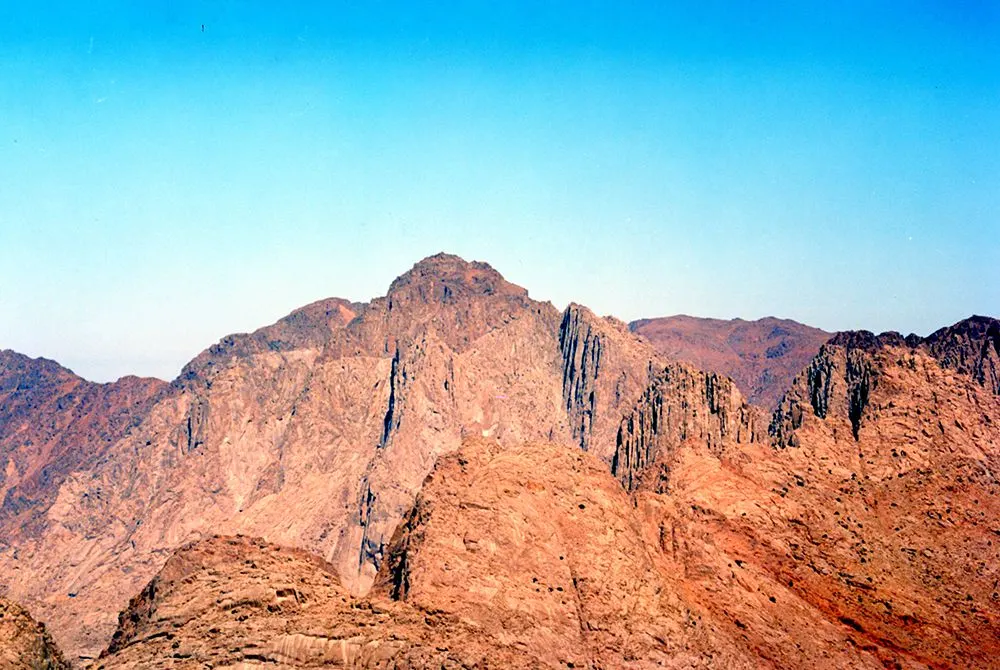
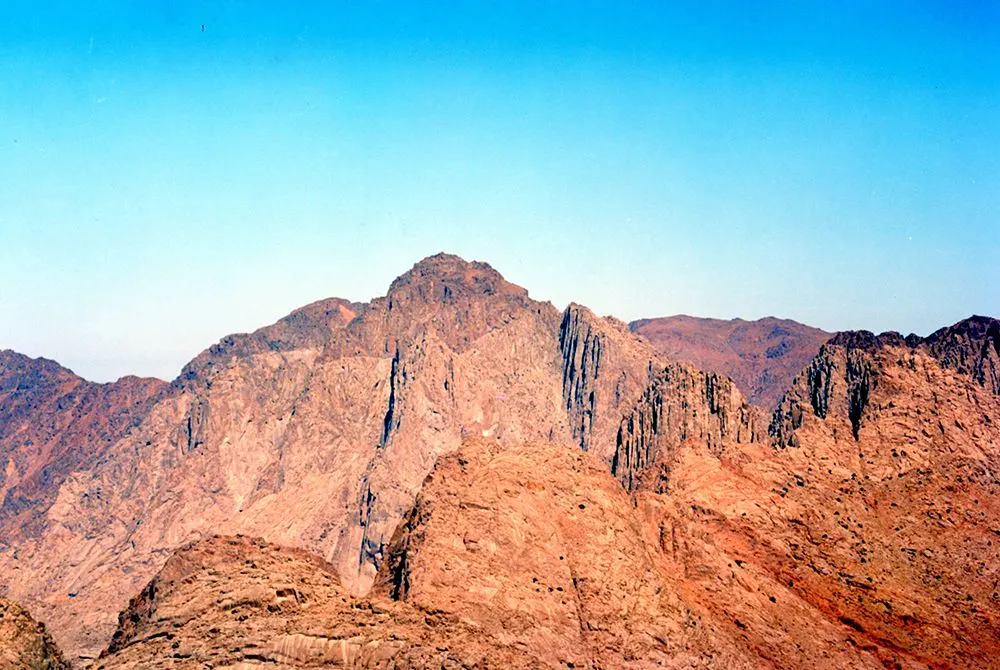
Rising majestically from the rugged terrain of northwestern Saudi Arabia, Jabal Al Lawz—meaning “Mountain of Almonds”—is a marvel of natural beauty, geological wonder, and cultural fascination. Located near the border with Jordan in the Tabuk region, this mountain stands as one of the country’s most intriguing destinations for explorers, historians, and nature enthusiasts. Cloaked in mystery and legend, Jabal Al Lawz has been speculated by some to be the biblical Mount Sinai, adding yet another layer of allure to its already captivating presence. At nearly 2,580 meters above sea level, it’s one of the highest peaks in Saudi Arabia, offering breathtaking views and an atmosphere steeped in tranquility and timeless grandeur.
Jabal Al Lawz is not merely a geological formation—it’s a living story carved by wind, water, and human curiosity. The mountain’s summit often dusted with snow in winter, a rare spectacle in the Arabian Peninsula, surprises many who associate the region solely with deserts. The area’s unique rock formations, petroglyphs, and ancient ruins present a compelling invitation to adventure seekers and history buffs alike. It’s a destination where myth meets science, where the silence of the desert whispers secrets of ancient civilizations and travelers find peace in the stillness of nature.
For those planning Saudi Arabia Tours, Jabal Al Lawz is increasingly appearing on the must-visit list. Its accessibility from Tabuk City, coupled with the growing interest in eco-tourism and adventure travel, makes it a top contender among the best off-the-beaten-path attractions in the Kingdom. Pairing a visit to this mountain with excursions to nearby Wadi Disah or the enchanting Hisma Desert ensures an unforgettable journey through Saudi Arabia’s natural treasures.
The Geographical Splendor of Jabal Al Lawz
Located in the northwestern corner of the Arabian Peninsula, Jabal Al Lawz dominates the horizon of Tabuk province. Its name, translating as “Almond Mountain,” is believed to derive from the almond trees that once thrived around its base. The mountain's elevation creates a unique microclimate, allowing vegetation and wildlife to flourish in ways not commonly seen elsewhere in Saudi Arabia. Snowfall occasionally blankets its summit, transforming the landscape into a surreal white wonder and offering a striking contrast to the nearby arid deserts.
For geologists, Jabal Al Lawz is a treasure trove. The mountain’s granite and volcanic formations provide insight into the region’s ancient tectonic history. Its rugged cliffs, fissures, and valleys tell a tale millions of years in the making. The area’s geological diversity also supports rare flora adapted to high altitudes, including shrubs and hardy herbs that thrive in its rocky soil. For adventure travelers and photographers, the mountain offers a playground of textures, colors, and dramatic scenery, rivaling landscapes found in famous destinations like the Harrat Uwayrid region of AlUla.
Historical and Religious Significance: The Mount Sinai Debate
No discussion of Jabal Al Lawz is complete without touching upon its debated connection to Mount Sinai. Some researchers and religious historians propose that Jabal Al Lawz could be the true location where Moses received the Ten Commandments. This hypothesis stems from local traditions and intriguing archaeological findings, such as ancient altars, stone circles, and inscriptions near the mountain. While mainstream archaeology identifies Mount Sinai’s location in Egypt’s Sinai Peninsula, the Saudi site continues to draw attention from scholars and believers eager to explore the possibility.
Regardless of one’s interpretation, the narrative adds undeniable mystique to the mountain. Pilgrims and spiritual travelers often visit Jabal Al Lawz to feel the profound energy that seems to emanate from its peaks. The sense of stepping into biblical times makes it a destination unlike any other, merging faith, history, and natural wonder into one unforgettable experience.
Exploring the Flora and Fauna of Jabal Al Lawz
Despite its rugged landscape, Jabal Al Lawz supports a surprising biodiversity. The high altitude and cooler climate nurture species that struggle to survive in the surrounding deserts. In spring, wildflowers burst across the slopes, adding splashes of color to the rocky terrain. Herds of ibex, desert foxes, and numerous bird species inhabit the region, making it a haven for wildlife enthusiasts and photographers. The mountain’s flora includes resilient plants that have adapted brilliantly to the extremes of heat and cold, creating a delicate ecological balance unique to this part of Saudi Arabia.
Adventure and Tourism Opportunities
For thrill-seekers, Jabal Al Lawz offers an exceptional mix of hiking, climbing, and off-road exploration. The mountain trails range from gentle slopes suitable for casual trekkers to challenging climbs that test even seasoned adventurers. In recent years, interest in hiking in Saudi Arabia has surged, and Jabal Al Lawz is quickly becoming a focal point for those seeking outdoor escapades beyond the typical desert dunes. Clear skies and minimal light pollution also make it a perfect spot for stargazing, where visitors can witness celestial displays under the Arabian night sky.
Adventure tourism here aligns perfectly with the Kingdom’s Vision 2030 initiative, promoting sustainable travel and unlocking Saudi Arabia’s hidden gems. Visitors can combine their mountain excursion with cultural visits to Tabuk City or historical explorations of nearby ancient sites, creating a well-rounded itinerary that appeals to both the adventurous and the contemplative.
Getting to Jabal Al Lawz
Reaching Jabal Al Lawz is relatively straightforward for modern travelers. The nearest gateway is Tabuk Airport, which connects to major cities like Riyadh and Jeddah. From Tabuk, visitors can rent a 4x4 vehicle or join guided expeditions that navigate the mountain’s winding roads and scenic trails. The journey itself is part of the adventure—passing through desert valleys, ancient lava fields, and Bedouin settlements that reveal the timeless spirit of this region.
For those seeking all-inclusive arrangements, Saudi Arabia Travel Packages often feature Jabal Al Lawz as a highlight for nature enthusiasts. Many tours also include stops at remarkable nearby destinations like Madain Saleh (Hegra) or Elephant Rock, ensuring an unforgettable northern Saudi experience.
Best Time to Visit Jabal Al Lawz
The best time to visit Jabal Al Lawz is between November and March, when temperatures are mild and visibility is crystal clear. During these cooler months, the mountain is often kissed by snow at higher elevations, creating a rare winter landscape in Arabia. Spring also offers pleasant weather and blooming vegetation, making it ideal for hiking and photography. Summer months can be harshly hot, though early mornings remain comfortable for exploration.
For travelers planning their itinerary, consulting resources like Best Time To Visit Saudi Arabia can help ensure optimal conditions and a smoother travel experience.
Culture, Myth, and the Legacy of Jabal Al Lawz
The local Bedouin communities around Jabal Al Lawz have preserved oral traditions and folklore that enrich the mountain’s mystique. These tales often intertwine with ancient religious stories, reflecting the deep connection between the people and the land. For centuries, the mountain’s caves and rock shelters have served as temporary homes for shepherds and travelers, their walls etched with petroglyphs depicting camels, hunters, and tribal symbols. These carvings stand as silent witnesses to millennia of human presence and resilience.
Modern visitors intrigued by cultural heritage can explore how Jabal Al Lawz fits into Saudi Arabia’s broader narrative of rediscovery and preservation. The Kingdom’s growing emphasis on tourism encourages visitors to engage respectfully with local customs and appreciate the natural beauty that has shaped generations of desert dwellers. Articles like Saudi Etiquette And Cultural Do’s And Don’ts provide valuable guidance for travelers hoping to connect authentically with local traditions.
Frequently Asked Questions About Jabal Al Lawz
What is the height of Jabal Al Lawz?
Jabal Al Lawz stands approximately 2,580 meters above sea level, making it one of Saudi Arabia’s tallest and most prominent mountains. Its elevation contributes to cooler temperatures and occasional snowfall during winter.
Where is Jabal Al Lawz located?
The mountain lies in the Tabuk region of northwestern Saudi Arabia, near the Jordanian border. It’s easily accessible from the city of Tabuk, roughly a two-hour drive away.
Why is Jabal Al Lawz sometimes called Mount Sinai?
Some researchers and religious historians propose that Jabal Al Lawz may correspond to the biblical Mount Sinai due to its location, archaeological finds, and local traditions. However, this theory remains debated, as mainstream scholarship identifies Mount Sinai in Egypt’s Sinai Peninsula.
Can tourists visit Jabal Al Lawz year-round?
While accessible throughout the year, the ideal time to visit is between November and March, when temperatures are moderate and conditions perfect for hiking and sightseeing. Winter may bring snow, adding to the mountain’s charm.
What activities can travelers enjoy at Jabal Al Lawz?
Popular activities include hiking, off-road driving, camping, and photography. The mountain’s panoramic views, snow-capped peaks, and ancient petroglyphs provide endless opportunities for exploration and storytelling.
Conclusion: Jabal Al Lawz — Where Nature and Legend Unite
Jabal Al Lawz captures the essence of Saudi Arabia’s evolving travel scene—a harmonious blend of natural grandeur, ancient heritage, and spiritual intrigue. Whether you’re drawn by its breathtaking peaks, its debated biblical connections, or its serene isolation, this mountain promises a transformative experience. In a land where time seems to stand still, Jabal Al Lawz stands as a symbol of endurance, mystery, and the timeless beauty of the Arabian landscape. For travelers seeking the extraordinary, it’s not just a mountain—it’s a revelation waiting to unfold.