
Kaaki Palace
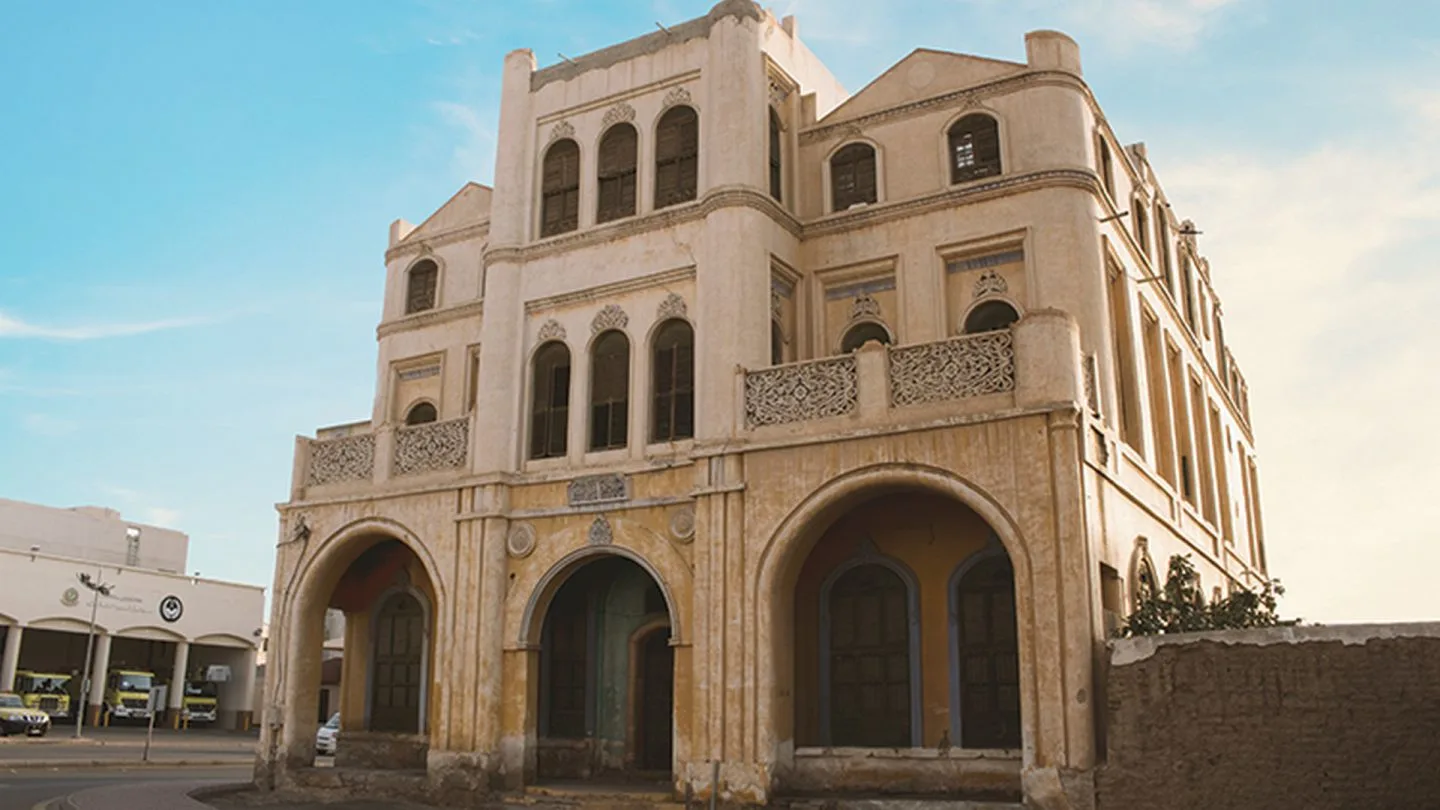
Kaaki Palace: The Hidden Gem of Taif’s Regal Heritage
Perched amidst the cool breezes and rose-scented hills of Taif, Kaaki Palace stands as a splendid reminder of Saudi Arabia’s aristocratic elegance and architectural mastery. Constructed in the early 20th century, this magnificent palace captures the very soul of history, art, and royal sophistication. Every inch of the Kaaki Palace narrates a story—of opulence, influence, and a deep cultural legacy that continues to awe travelers, historians, and architecture enthusiasts alike. As tourism in Saudi Arabia blooms, Kaaki Palace emerges as one of the quintessential attractions, offering visitors an intimate glimpse into the grandeur that once defined the Kingdom’s elite. Its location in Taif—a city famous for its roses, scenic mountains, and temperate climate—adds to its undeniable charm. The palace is not merely an architectural landmark; it’s a living museum of Saudi prestige and a beacon of the nation’s ever-evolving narrative.
Whether you’re exploring the nearby Al Hada Mountain, wandering through the lush Rose Gardens, or delving into the Kingdom’s cultural riches through Saudi Arabia Travel Packages, a visit to Kaaki Palace completes the experience. It’s where elegance meets endurance, and where every carved window and marble pillar whispers the legacy of Saudi nobility. For curious minds, it’s a journey through time; for photographers, it’s a masterpiece of light and geometry; and for travelers, it’s the heartbeat of Taif’s majestic past.
The Historical Significance of Kaaki Palace
Kaaki Palace, built by the distinguished Kaaki family—one of the most influential in Saudi Arabia—was designed to embody power and prestige. It was not just a residence; it was a declaration of societal standing. Constructed during a time of transformation in the Kingdom, the palace mirrored the transition from traditional architecture to more elaborate forms influenced by Ottoman and Hejazi styles. The Kaaki family, known for their wealth and connection to the royal court, hosted dignitaries, scholars, and leaders within its walls, making it a hub of intellectual and political discourse. The palace’s massive wooden doors, arched windows, and intricate lattices reveal a remarkable confluence of craftsmanship and creativity that has stood the test of time.
Like the renowned Murabba Palace in Riyadh, Kaaki Palace reflects the Kingdom’s profound respect for heritage preservation. The structure continues to be a focal point for historians attempting to piece together the social dynamics of early Saudi urban life. It’s a tangible link to a bygone era—when architecture was more than construction; it was a symbol of cultural identity and pride.
Architectural Grandeur and Design Elements of Kaaki Palace
The architecture of Kaaki Palace is an awe-inspiring blend of Hejazi and Islamic design principles fused with subtle European influences. The façade features ornate wooden mashrabiyas—lattice screens that allow privacy while letting in gentle breezes. High ceilings, geometric motifs, stained-glass windows, and handcrafted plasterwork adorn the interiors, reflecting both luxury and practicality. Each room was meticulously designed to accommodate the climate of Taif, ensuring comfort during both warm and cool seasons. The symmetry of the building and the play of natural light inside the halls demonstrate a deep understanding of spatial harmony.
Visitors often compare its elegance to the architectural marvels found in Al Farid Palace of AlUla, but Kaaki Palace stands apart with its refined urban sophistication. The use of local stones and imported materials also emphasizes how Taif was once a thriving cultural and trade center. Every element—from the carved balconies to the towering central hall—signifies a celebration of beauty rooted in Saudi tradition.
Kaaki Palace’s Role in Taif’s Cultural Identity
Kaaki Palace isn’t just an architectural masterpiece—it’s a cultural cornerstone of Taif’s identity. The palace serves as a tangible embodiment of the city’s historical depth and its evolution from a royal retreat to a modern tourist hub. Taif’s reputation as the ‘City of Roses’ is seamlessly complemented by this regal structure that once witnessed royal visits and festive gatherings. The palace narrates stories of lavish banquets, intellectual dialogues, and family legacies that shaped the social fabric of the region.
In recent years, the palace has drawn attention as part of broader initiatives promoting heritage tourism. Similar efforts can be seen across the country at sites like Diriyah and Old Town AlUla, where restoration projects breathe new life into historical treasures. Kaaki Palace, in particular, has become a favorite among culture enthusiasts seeking authentic experiences far from commercialized travel circuits.
Exploring the Interiors: A Step Into Royal Splendor
Stepping inside Kaaki Palace is like traveling through time. The interior design reveals exquisite detailing—hand-painted ceilings, marble floors, and antique furnishings that speak of timeless grandeur. The large reception halls, once filled with the aroma of Arabian coffee and the murmur of dignified conversations, still exude an aura of prestige. Each chamber has its own theme, from elegant guest salons to private family rooms, decorated with historical artifacts and intricate textiles.
The experience feels akin to visiting historically significant sites such as the National Museum of Saudi Arabia, where every exhibit tells a story. In Kaaki Palace, however, those stories are alive in the walls themselves. The polished wooden beams, decorative arches, and dazzling chandeliers evoke an atmosphere where royalty once felt perfectly at home.
Preservation and Tourism: Kaaki Palace Today
Today, Kaaki Palace stands as a beacon of cultural preservation, attracting visitors eager to uncover Saudi Arabia’s royal heritage. Restoration efforts have focused on maintaining structural integrity while preserving the original artistry. Local authorities and historians collaborate to ensure that the palace’s history remains intact for future generations. With its strategic location in Taif, surrounded by natural wonders like the Al Shafa Mountain, the palace has become a must-see destination.
Travelers interested in heritage tours often include Kaaki Palace as part of comprehensive Rose Factory visits or broader Saudi Arabia Tours. As the Kingdom continues to open its doors to international tourism, Kaaki Palace provides a graceful bridge between the nation’s glorious past and its dynamic present. It’s a living emblem of Saudi Arabia’s blend of tradition and innovation—a symbol of how history and modernity coexist harmoniously in today’s cultural landscape.
How to Visit Kaaki Palace and What to Expect
Reaching Kaaki Palace is straightforward for those exploring Taif. The city’s well-connected network of roads allows easy access from Al Hada or the central district. The palace lies within proximity to several popular attractions, making it an ideal stop for history lovers and families. Expect a serene environment where architecture, nature, and culture intertwine beautifully. Photography enthusiasts will find endless inspiration in the palace’s textures, angles, and breathtaking backdrops.
Visitors are encouraged to wear modest, comfortable clothing in line with local customs. Guided tours are available seasonally, offering deeper insights into the palace’s history, design, and legacy. During Taif’s annual rose festival, Kaaki Palace becomes even more enchanting, with floral scents wafting through the courtyards, bringing history and nature together in a delightful symphony.
FAQs About Kaaki Palace
1. Where is Kaaki Palace located?
Kaaki Palace is located in the city of Taif, a highland destination in western Saudi Arabia. It sits amid scenic landscapes and rose fields, just a short drive from Al Hada and Al Shafa mountains, making it a central part of Taif’s heritage trail.
2. What makes Kaaki Palace unique compared to other Saudi palaces?
Unlike other royal residences, Kaaki Palace reflects both traditional Hejazi craftsmanship and urban sophistication. Its blend of architecture, lavish interiors, and historical relevance make it one of the most photogenic and culturally significant sites in Taif.
3. Can tourists visit Kaaki Palace year-round?
Yes, Kaaki Palace is accessible throughout the year, though visiting during Taif’s cooler months (from November to April) provides a more comfortable and scenic experience. Visitors can combine the trip with local attractions like Taif’s rose gardens and mountain viewpoints.
4. What historical period does Kaaki Palace represent?
Kaaki Palace represents the early 20th century era when Saudi Arabia was undergoing modernization. It embodies the transitional phase between traditional Arabian design and global architectural influences introduced during that time.
5. Why should travelers include Kaaki Palace in their Saudi Arabia itinerary?
Kaaki Palace offers a rare opportunity to experience authentic Saudi heritage up close. It complements visits to other major landmarks such as Diriyah, Murabba Palace, and AlUla’s historical sites. For anyone crafting a cultural Saudi Arabia Itinerary, Kaaki Palace stands as a highlight of Taif’s regal charm.