
Al Farid Palace
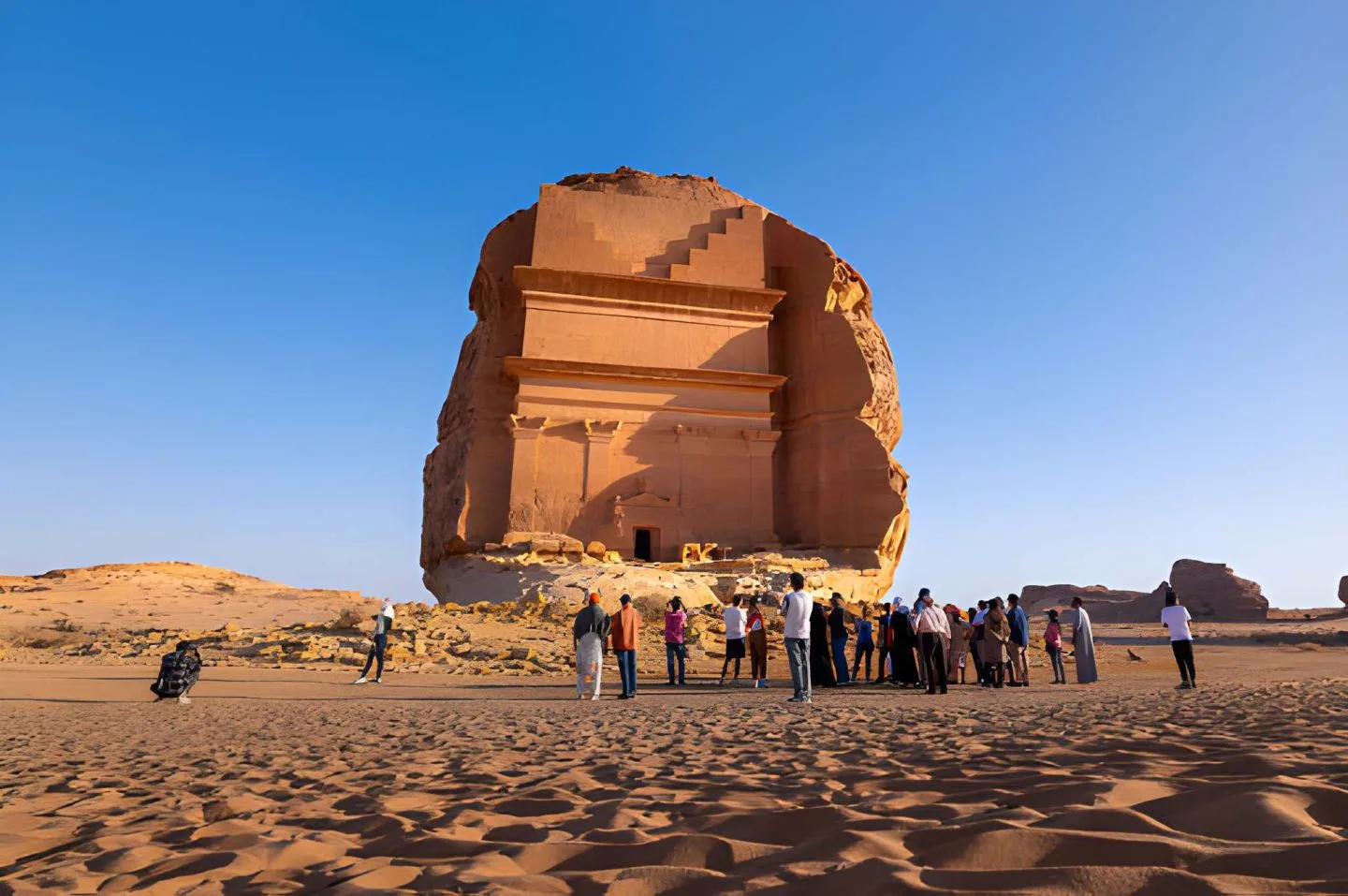
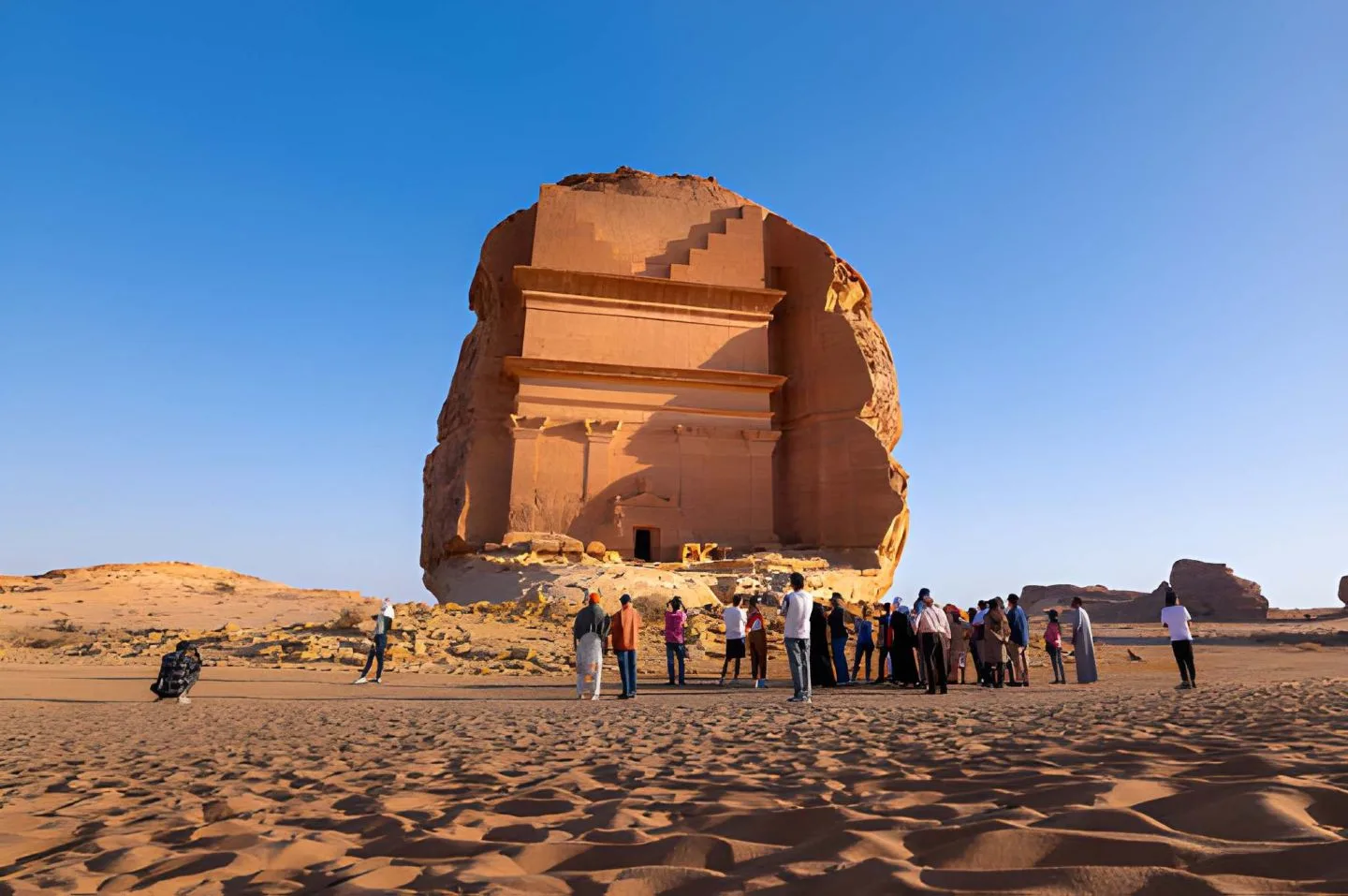
Al Farid Palace – The Solitary Marvel of AlUla’s Nabatean Heritage
Rising from the heart of Saudi Arabia’s timeless desert landscape, Al Farid Palace—or Qasr Al Farid—stands as one of the most breathtaking remnants of the Nabatean civilization. This ancient monument, nestled within the storied region of AlUla, captivates travelers with its grandeur, solitude, and intricate craftsmanship. Hewn from a single sandstone monolith, Al Farid Palace is far more than an archaeological wonder; it’s a poetic monument to human ambition and divine artistry. Travelers exploring the majestic AlUla Tours Packages often make this site their highlight, lured by its mysterious origins and the silent whispers of history that still echo through the valley.
For centuries, Al Farid Palace remained a symbol of architectural mastery. Its facade, carved directly into the rock, evokes both Nabatean sophistication and Egyptian influence, hinting at the kingdom’s position along major trade routes. Despite its misleading name—Qasr Al Farid translates to “The Lonely Palace”—this monument served not as a residence but as a tomb, intended for an influential Nabatean elite. Today, it draws historians, photographers, and adventurers alike, each seeking to capture its solemn majesty beneath the golden hues of the Arabian sun. As Saudi Arabia’s tourism renaissance unfolds, sites like Al Farid Palace are reclaiming global attention, positioning AlUla as a must-visit destination for cultural explorers and heritage lovers worldwide.
The Historical Significance of Al Farid Palace
Al Farid Palace holds a crucial place in the story of the Nabateans, the same civilization that built the legendary city of Petra in Jordan. Dating back nearly two millennia, this monument reflects the Nabateans’ mastery of stone carving and their advanced cultural vision. Unlike most tombs clustered together in necropolises, Al Farid stands isolated, symbolizing either the elevated status of its owner or an incomplete architectural project. Its unfinished upper section reveals how ancient artisans worked layer by layer, chiseling the sandstone from top to bottom.
The palace lies within the archaeological realm of Madain Saleh (Hegra), Saudi Arabia’s first UNESCO World Heritage Site. This vast necropolis features more than a hundred monumental tombs, each with inscriptions and decorative motifs narrating the Nabatean way of life. But none command as much awe as the solitary Al Farid Palace, standing proudly against the backdrop of desert cliffs and golden dunes—a true testament to timeless craftsmanship and faith.
Architectural Brilliance of Qasr Al Farid
The architecture of Al Farid Palace exemplifies symmetry, precision, and power. The towering facade, reaching over two stories high, showcases columns, capitals, and cornices carved directly into the rock. The doorway—simple yet stately—leads into a hollow chamber, a striking contrast to the elaborate exterior. This duality between ornate artistry and minimalistic interior might symbolize the Nabatean belief in the afterlife, where external grandeur represented eternal rest.
The Nabateans’ expertise in hydrology and engineering also influenced their designs. Their ability to carve monumental structures out of sandstone, while preserving their integrity for millennia, speaks volumes about the civilization’s ingenuity. When sunlight strikes the palace at dawn or dusk, its pink and gold hues seem to breathe life into stone, creating a scene so surreal that photographers travel from across the globe to capture it during AlUla Short Break Winter Season excursions.
Visiting Al Farid Palace: What to Expect
Visiting Al Farid Palace is a journey deep into Saudi Arabia’s ancient soul. As part of curated Alula Day Tours, travelers can access the site through guided experiences that blend storytelling, history, and immersive exploration. The palace lies about 22 kilometers north of AlUla town, surrounded by sandstone outcrops that bear traces of ancient water channels and caravan routes. It’s best visited in the early morning or late afternoon when the desert light casts dramatic shadows across the structure’s facade.
Most tours include stops at neighboring wonders such as the Maraya Theatre, the reflective architectural gem of modern AlUla, and the ancient city of Dadan, the capital of earlier Arabian kingdoms. Together, they weave a compelling narrative of continuity—from prehistoric civilizations to the Kingdom’s modern cultural revitalization.
The Mystery Behind Al Farid’s Unfinished Facade
One of the most intriguing aspects of Al Farid Palace lies in its unfinished state. Scholars speculate that the tomb’s construction may have halted due to the owner’s death or shifting political landscapes. The upper portion reveals uncarved rock, giving historians valuable clues about Nabatean carving techniques. Ancient artisans began at the top to prevent debris from damaging completed sections below—a method also used in Petra. This unfinished crown adds a layer of mystique, making Al Farid not just an artifact, but a living story frozen in stone.
Modern archaeologists and heritage professionals continue to study the site, integrating digital mapping and photogrammetry to preserve its details for future generations. For cultural travelers seeking authenticity, Al Farid Palace embodies the intersection of mystery, artistry, and history—a rare trifecta that elevates it above many global heritage landmarks.
Why Al Farid Palace Is a Must-Visit Landmark
Beyond its archaeological value, Al Farid Palace captivates travelers seeking spiritual and aesthetic inspiration. Its solitude invokes a sense of peace, while its scale evokes awe. The monument’s location within the Hegra necropolis connects visitors to centuries of trade, culture, and innovation that once defined the Arabian Peninsula. Whether you’re on a private Saudi Arabia tour or a heritage-focused journey, Al Farid Palace offers a profound encounter with the region’s deep-rooted identity.
Saudi Arabia’s Vision 2030 has reimagined tourism, transforming AlUla into a global heritage destination. With improved infrastructure, eco-friendly visitor centers, and luxury accommodations, it’s now easier than ever to experience this masterpiece in comfort. Visitors often combine their palace exploration with adventures at landmarks such as Elephant Rock and Sharaan Nature Reserve, amplifying their journey through nature and culture alike.
Travel Tips for Exploring Al Farid Palace
Comfortable footwear, sun protection, and hydration are essential when visiting Al Farid Palace. The desert heat can be intense, especially during midday. Booking guided experiences through reputable operators offering Saudi Arabia Day Tours ensures access to professional insights and logistical ease. Photography enthusiasts should aim for sunrise or sunset sessions, when the interplay of light and shadow enhances the monument’s texture and tone. For a complete cultural immersion, pair your AlUla adventure with a journey to nearby Medina Excursions or Makkah Day Tours to experience the full breadth of Saudi Arabia’s historical tapestry.
Preservation and Future of Al Farid Palace
Thanks to Saudi Arabia’s commitment to heritage conservation, Al Farid Palace is being meticulously preserved. Under the Royal Commission for AlUla, restoration initiatives integrate sustainable tourism practices, ensuring that the site remains protected from erosion and over-visitation. Digital documentation, advanced lighting systems, and guided access protocols are part of this holistic approach. The goal isn’t just to showcase the past—it’s to safeguard it for the generations yet to come.
Frequently Asked Questions About Al Farid Palace
Where is Al Farid Palace located?
Al Farid Palace is situated within the archaeological site of Madain Saleh (Hegra), in the AlUla region of northwestern Saudi Arabia. It’s approximately 22 kilometers from AlUla city center, easily accessible through organized heritage tours.
Who built Al Farid Palace?
The palace was built by the Nabateans, an ancient Arab civilization renowned for their rock-cut architecture and trade networks extending across the Arabian Peninsula, Levant, and beyond.
Why is it called ‘The Lonely Palace’?
The term ‘Qasr Al Farid’ translates to ‘The Lonely Palace’ in Arabic. It’s so named because it stands isolated from the main cluster of tombs in the Hegra necropolis, creating an image of solitude and majesty.
Can tourists visit Al Farid Palace year-round?
Yes, Al Farid Palace is open for visitors throughout the year. However, the cooler months between October and March are the best time to explore, as temperatures are more comfortable for outdoor activities.
What other attractions are near Al Farid Palace?
Visitors can explore nearby attractions such as Old Town AlUla, Jabal Ikmah, and the awe-inspiring Dadanite and Lihyanite Kingdoms, making the region a treasure trove of historical and natural wonders.