
Saudi Tea Culture
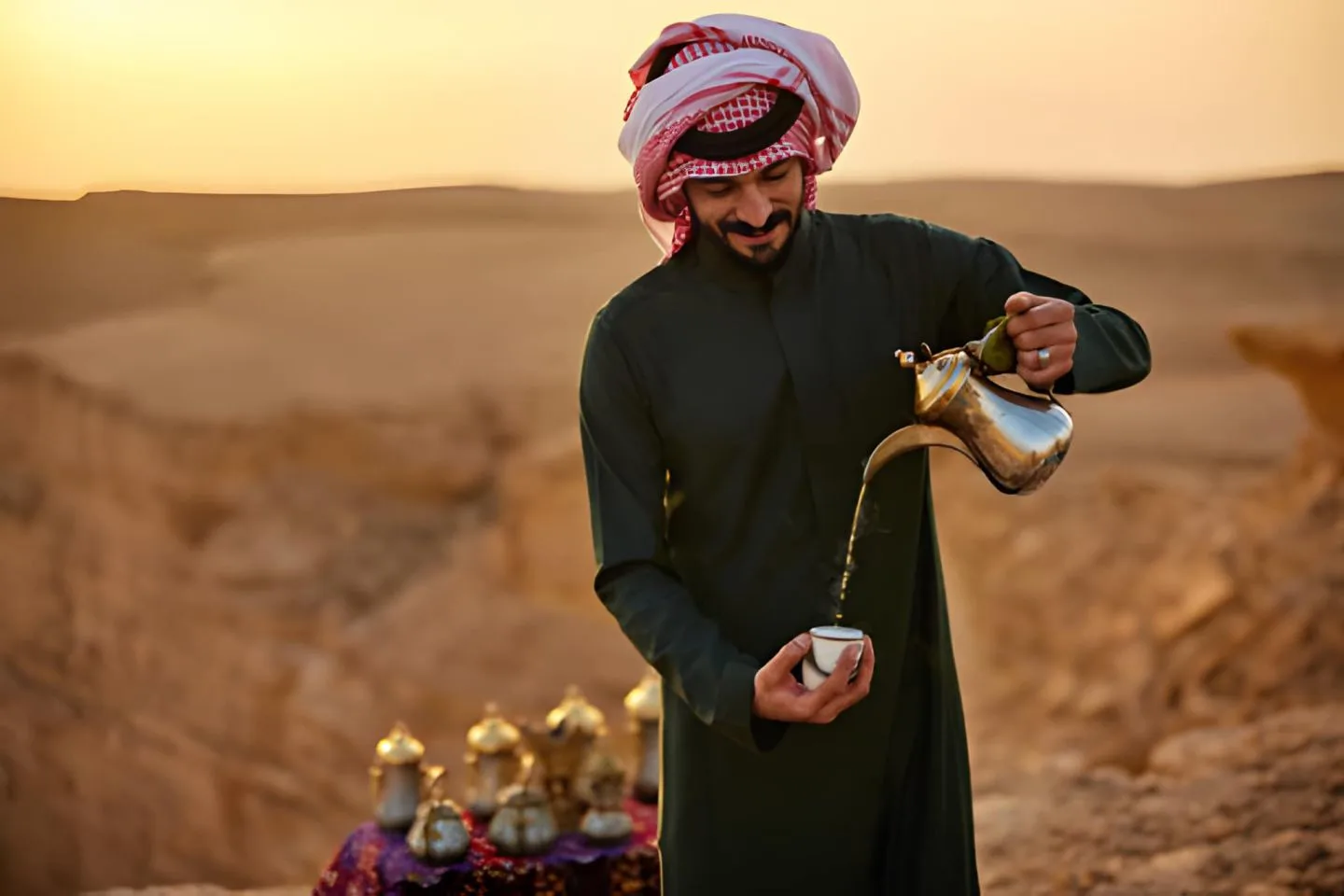
Saudi Tea Culture: A Fragrant Journey Through Tradition and Hospitality
In Saudi Arabia, tea is far more than a drink—it’s a ceremony of warmth, respect, and community. Often referred to as the ‘drink of conversation,’ Saudi tea symbolizes hospitality as much as the golden hues of the desert sand reflect the sunset. In every Saudi home, whether in the bustling streets of Riyadh or the tranquil valleys of AlUla, tea serves as a gesture of welcome, a bridge between generations, and an integral piece of Arabian identity. From the refined black teas infused with mint to the aromatic herbal blends of sage and cardamom, every cup reveals a story of heritage, faith, and culture that has been steeped for centuries.
Visitors embarking on Saudi Arabia Tours quickly discover the social significance of tea. It’s a common scene—guests are greeted with steaming cups served in delicate glass tumblers, accompanied by dates and smiles. The fragrance alone captures the essence of Arabian hospitality. Tea, or 'shai,' intertwines with daily rituals, from early morning conversations to late-night gatherings under starlit skies. Each sip carries the spirit of generosity that defines Saudi culture. Understanding Saudi tea culture, therefore, means uncovering the heart of the nation itself—a blend of ancient customs and enduring elegance that continues to thrive in modern Arabia.
The Roots of Saudi Tea Traditions
Before coffee captured the imagination of the Arabian Peninsula, tea had already carved its place as a social elixir. Introduced through trade routes from India and China, tea found a natural home in the Kingdom’s evolving customs. Historically, Bedouins embraced it for its warmth during desert nights, while merchants offered it as a sign of goodwill. Over time, Saudi tea became a universal symbol—uniting tribes, families, and travelers alike. Today, that same tradition remains alive in neighborhoods, offices, and desert camps. Those exploring Riyadh Day Tours will often see tea served in souqs and traditional restaurants, bridging history with modern life.
From Spice Routes to Saudi Teapots
Saudi tea culture owes much to centuries of trade and exploration. Caravans crossing ancient trade routes introduced not only precious spices but also the art of brewing tea with herbs and botanical infusions. Tea leaves from Ceylon, Assam, and Darjeeling quickly became household staples. Families began adapting their own blends, using local ingredients like cardamom, saffron, and rosewater. These flavors reflect not just taste preferences but also the age-old Arabian love for fragrance and refinement. Travelers visiting the historical town of Diriyah often find tea featured prominently during cultural showcases, symbolizing the city’s historic role in shaping modern Saudi identity.
Types of Tea in Saudi Arabia
Black Tea: The Everyday Companion
Black tea is the cornerstone of Saudi tea culture. It’s typically brewed strong and served with fresh mint, a touch of sugar, or occasionally a hint of lemon. Known locally as ‘shai ahmar,’ it accompanies every conversation, from business meetings to family gatherings. You’ll find it served everywhere—from elegant Riyadh cafés to bustling markets like Dirah Souq. The rich color and aroma evoke a sense of familiarity that Saudis associate with comfort and friendship. Each region adds its twist—some prefer a strong brew, others a lighter, more fragrant cup.
Herbal and Spiced Teas
Beyond black tea, Saudis have perfected herbal blends that soothe and revitalize. Popular choices include sage, chamomile, cinnamon, and cloves. These herbal infusions—called ‘zhoorat’—are cherished for their health benefits and comforting warmth. In cooler highland regions like Aseer, locals often brew tea with mountain herbs, a tradition showcased in Aseer Excursions. Each blend offers not only flavor but also a peek into the region’s natural bounty and deep respect for wellness.
Cardamom and Saffron Tea
Cardamom and saffron teas hold a place of prestige in Saudi culture. A few crushed cardamom pods transform a simple tea into a royal delight, while saffron adds a golden hue and subtle aroma. These luxurious infusions often accompany festive occasions, symbolizing prosperity and joy. During family celebrations or traditional feasts, tea is served alongside sweet delicacies, echoing the Kingdom’s appreciation for nuance and taste. Visitors exploring AlUla Tours Packages can experience these fragrant teas while surrounded by breathtaking desert landscapes steeped in history.
Saudi Tea Etiquette and Symbolism
The Art of Serving Tea
Serving tea in Saudi Arabia follows a graceful ritual. The host pours tea into small glass cups, ensuring the right balance between strength and sweetness. Guests are served in hierarchical order—elders first, followed by others according to respect. Refusing tea is rare; accepting it demonstrates appreciation for the host’s hospitality. Whether in a modern Riyadh villa or a Bedouin tent, the process is deliberate and respectful. During visits to heritage spots like Najd Village Restaurant, tourists can observe this etiquette firsthand, gaining insight into social customs that define Saudi warmth.
Tea and Social Connection
Tea brings people together—it’s the heartbeat of Saudi gatherings. Conversations flow effortlessly over successive rounds of tea, often paired with dates or small pastries. It’s not uncommon for discussions to stretch for hours as the teapot is refilled. In Saudi homes, the tea tray is a symbol of togetherness, representing both hospitality and harmony. Even in professional settings, offering tea remains a gesture of goodwill, bridging formalities with friendship. Those exploring Saudi business culture quickly realize that the tea cup often seals trust faster than a handshake.
Modern Saudi Tea Culture
From Tradition to Trend
While traditional tea rituals remain timeless, modern Saudi Arabia has infused them with contemporary flair. Trendy tea lounges in Jeddah and Riyadh now serve global varieties, blending creativity with culture. Matcha, bubble tea, and herbal innovations coexist alongside classic mint tea. Yet, the essence remains unchanged—connection, relaxation, and community. Travelers on Jeddah Day Tours & Excursions are often delighted by the city’s tea houses that merge tradition with modern ambiance. These spaces act as cultural crossroads where old-world charm meets youthful energy.
Tea in Festivals and Heritage Events
At national festivals and heritage celebrations, tea plays a starring role. Booths brim with teapots, spices, and fragrant herbs, allowing visitors to taste regional specialties. During Saudi National Day and winter festivals, tea becomes a unifying symbol—a shared drink that transcends generations and regions. Cultural centers and events across the Kingdom, such as those highlighted in Saudi Holidays And Traditions, continue to celebrate the art of tea-making as a living legacy.
Health Benefits of Saudi Tea
Saudi tea is not just a social drink—it’s an elixir of wellness. Herbal infusions promote digestion, relieve stress, and boost immunity. Cardamom aids respiration, mint soothes the stomach, and saffron elevates mood. Many households maintain their own herbal recipes passed down through generations. The Kingdom’s wellness tourism boom, featured in Luxury Travel In Saudi Arabia, has revived interest in traditional remedies and tea-based therapies. Guests at desert resorts often receive tea infused with local herbs, symbolizing the harmony between health and heritage.
FAQs About Saudi Tea Culture
What makes Saudi tea unique?
Saudi tea stands out for its balance of simplicity and sophistication. It’s often infused with mint, cardamom, or saffron, offering both flavor and aroma. The ritual surrounding its preparation and serving also reflects deep-rooted traditions of generosity and respect.
How is tea typically served in Saudi Arabia?
Tea is served in small glass cups without milk, often accompanied by dates or sweets. The host pours tea for each guest, starting with the eldest. The experience emphasizes politeness, warmth, and communal connection.
Is tea more popular than coffee in Saudi Arabia?
While Saudi Arabia is famous for coffee ceremonies, tea enjoys widespread popularity for daily consumption. Coffee may mark formal hospitality, but tea rules casual social settings and daily routines alike.
What herbs are commonly used in Saudi teas?
Popular herbs include mint, sage, cinnamon, and cardamom. Each region has its own signature blend, often reflecting local flora and family traditions.
Can tourists experience traditional Saudi tea ceremonies?
Absolutely. Visitors on Saudi Arabia Day Tours or cultural excursions can participate in tea rituals at heritage villages, traditional restaurants, and Bedouin camps. It’s one of the most authentic ways to understand Saudi hospitality firsthand.