
Dadan Saudi Arabia
Discover Dadan: The Ancient Heart of AlUla’s Heritage
Dadan, tucked within the captivating landscapes of AlUla in northwestern Saudi Arabia, stands as one of the most significant archaeological treasures in the Arabian Peninsula. Once the flourishing capital of the Dadanite and Lihyanite Kingdoms, this ancient city thrived as a hub of trade, culture, and religion long before the rise of Islam.
Its sandstone mountains, intricately carved tombs, and monumental inscriptions whisper stories of prosperity, devotion, and power. For modern travelers exploring Saudi Arabia’s heritage, Dadan is a must-see destination—a living testament to the ingenuity and artistry of early Arabian civilizations.
Today, as Saudi Arabia positions itself as a global tourism destination, Dadan has taken center stage, drawing historians, adventurers, and curious explorers eager to unravel its mysteries.
Located in the breathtaking oasis of AlUla, Dadan is surrounded by other remarkable sites like Madain Saleh (Hegra), Jabal Ikmah, and the world-renowned Maraya Theatre.
Each landmark adds depth to AlUla’s cultural fabric, yet Dadan holds a distinct position as the birthplace of ancient Arabian civilization. Travelers visiting through curated Saudi Arabia Travel Packages often begin their historical journey here to witness firsthand how life once blossomed amidst the desert’s golden sands.
The Legacy of the Dadanite and Lihyanite Kingdoms
The story of Dadan begins more than 2,000 years ago when the Dadanite Kingdom rose to prominence around the 9th century BCE. Situated strategically along the incense trade route that linked southern Arabia to the Mediterranean, Dadan flourished as a center of commerce and culture.
The Dadanites were known for their advanced irrigation systems, monumental architecture, and sophisticated script—an early form of Arabic that remains etched into the rock faces of the region. Later, the Lihyanite Kingdom succeeded Dadan, extending its influence across northwestern Arabia and establishing diplomatic and trade relations with neighboring civilizations.
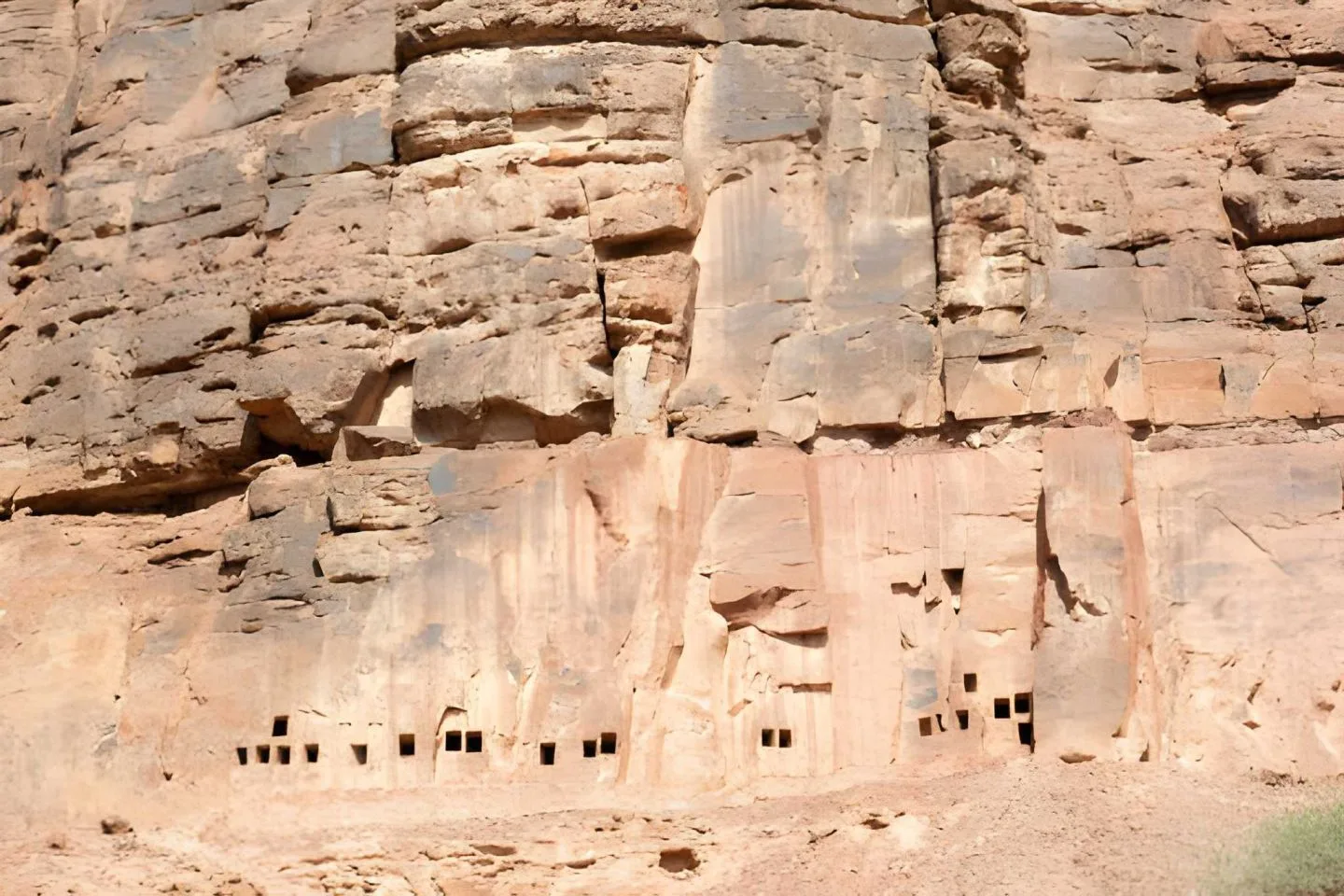
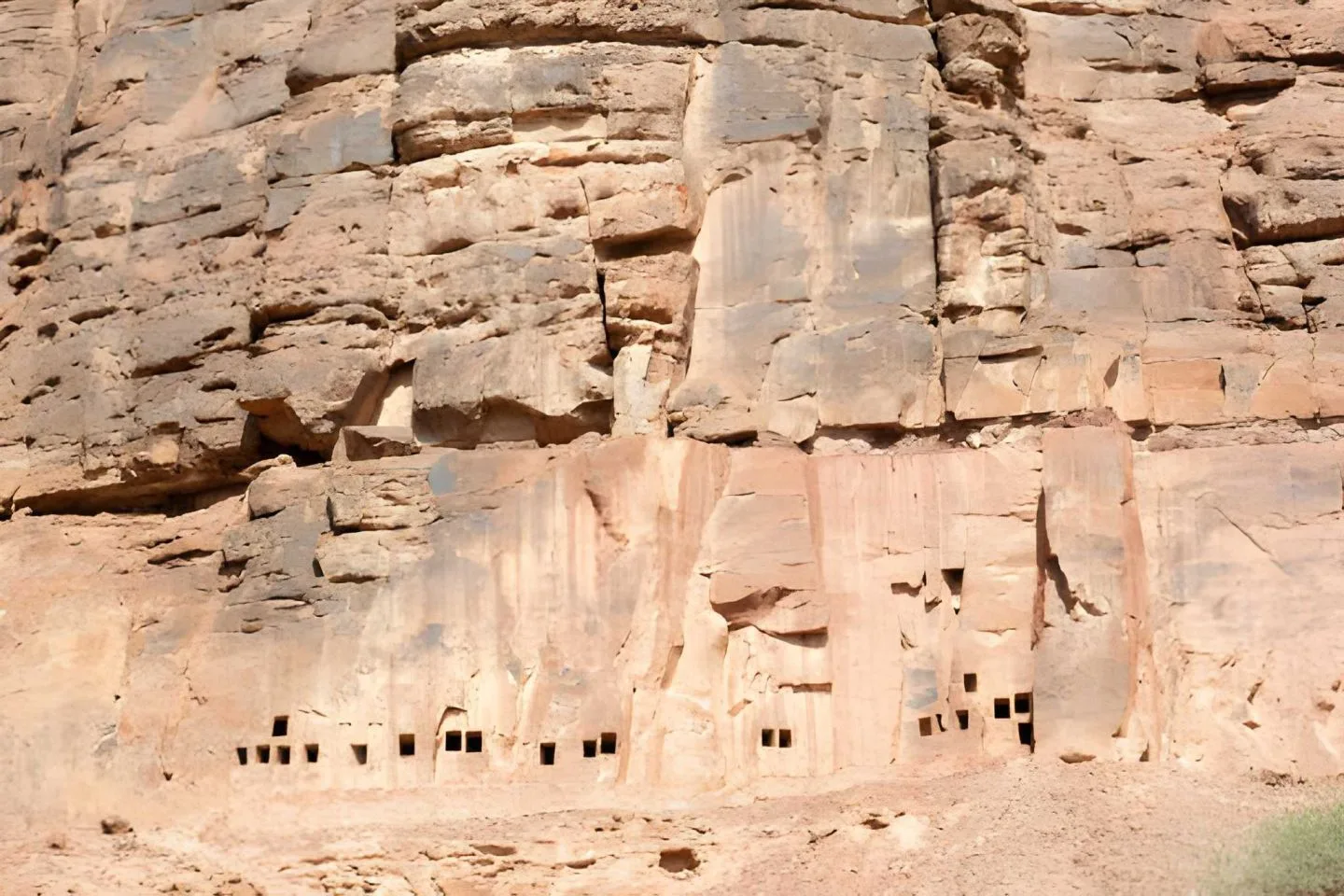
These kingdoms left behind an extraordinary archaeological record. Massive sanctuaries, royal tombs carved into red sandstone cliffs, and hundreds of inscriptions reveal a highly organized society with deep religious traditions.
The Lihyanite rulers, known as the ‘Sons of Lihyan,’ commanded a thriving trade network, controlling the flow of frankincense, spices, and valuable goods along the caravan trails. Their capital, Dadan, became a powerful symbol of stability and innovation in an era defined by constant movement and exchange.
Architectural Wonders and Rock-Cut Tombs of Dadan
Dadan’s cliffside necropolis is perhaps its most awe-inspiring feature. Visitors encounter rows of meticulously carved tombs, each bearing inscriptions that identify the status or lineage of the deceased. Among them, the Lion Tombs stand out—guarded by two sculpted lions symbolizing protection and royal power.
These remarkable carvings not only embody the artistic mastery of the Dadanite stonemasons but also signify the sacred relationship between the living and the divine. Exploring these tombs offers a tangible connection to a civilization that valued legacy, spirituality, and craftsmanship.
Modern excavations, guided by Saudi and international archaeologists, continue to reveal new insights about Dadan’s urban planning, religious practices, and daily life.
The city’s layout—organized around temples, water channels, and administrative quarters—demonstrates an advanced understanding of environmental adaptation and engineering. This attention to sustainability resonates today, as Saudi Arabia integrates heritage preservation into its Vision 2030 tourism strategy.
Cultural Significance and Symbolism in Dadan’s Artifacts
Every artifact unearthed in Dadan tells a story. Bronze statues, pottery fragments, and inscribed stones reflect the cosmopolitan nature of this ancient city. The symbolism embedded within these relics reveals how Dadanites perceived their world—through gods, trade, and community life.
Archaeologists have discovered temples dedicated to local deities, suggesting a complex belief system that influenced later Nabataean and Arabian traditions. The continuity of language, script, and art forms between Dadan and later civilizations underscores its pivotal role in shaping Arabian cultural identity.
For travelers fascinated by ancient heritage, combining a visit to Dadan with nearby sites like Old Town AlUla and Elephant Rock creates a complete narrative of AlUla’s evolution—from prehistoric settlements to modern-day marvels like AlJadidah Arts District.
Modern Archaeological Discoveries in Dadan
Recent excavations led by the Royal Commission for AlUla (RCU) and international research teams have shed new light on Dadan’s significance. Ground-penetrating radar and drone surveys have unveiled hidden structures beneath the valley’s surface, including what may have been residential complexes and ceremonial platforms.
These findings have expanded our understanding of how Dadan functioned as both a religious and administrative hub. The discoveries align with broader efforts across the Kingdom to document heritage under initiatives like those discussed in What Are The Latest Archaeological Discoveries In Saudi?.
Moreover, the collaboration between Saudi archaeologists and international experts has transformed Dadan into an open-air laboratory for heritage conservation. Each layer of excavation brings new revelations that reshape historical narratives about Arabian civilization’s development. Such global partnerships highlight Saudi Arabia’s growing role as a guardian of world heritage.
Dadan’s Role in Saudi Arabia’s Tourism Vision
As part of the Kingdom’s Vision 2030 initiative, Dadan is being reimagined as a key destination for cultural tourism. The RCU is investing heavily in sustainable infrastructure, eco-friendly visitor experiences, and educational programs.
Guided tours now allow visitors to walk through ancient pathways while learning about Dadan’s kings, traders, and artisans. These immersive experiences aim not only to attract tourists but also to foster pride among Saudis in their ancestral heritage.
For travelers planning their journey, resources like Best Time To Visit Saudi Arabia and Saudi Arabia Itinerary offer tailored advice on how to make the most of a trip to AlUla. From visiting Dadan’s ruins at sunrise to watching the desert glow from Harrat Uwayrid’s horizon, each moment captures the magic of ancient Arabia reborn.
How to Visit Dadan: Travel Tips and Insights
Reaching Dadan is easier than ever, thanks to direct flights to AlUla International Airport. From there, visitors can take guided excursions organized by local tour operators. Comfortable transport, English-speaking guides, and eco-conscious travel options ensure that every guest experiences Dadan’s grandeur responsibly. Many travelers choose to combine their Dadan visit with nearby natural wonders such as Sharaan Nature Reserve for an enriching blend of history and adventure.
Given AlUla’s desert climate, it’s best to plan your trip during cooler months, typically from October to March. For more essential planning advice, refer to Saudi Arabia Travel Tips For First-Timers to ensure a seamless experience.
Guided tours often include visits to archaeological sites, luxury accommodations, and curated cultural shows that immerse guests in the essence of ancient Arabia. With every step, visitors walk through time, tracing the footprints of a civilization that once commanded respect across the desert trade routes.
Preserving Dadan’s Legacy for Future Generations
Preservation lies at the heart of Dadan’s modern rebirth. Saudi Arabia’s commitment to safeguarding its archaeological treasures ensures that sites like Dadan remain intact for future generations.
Restoration projects emphasize environmental sustainability, using local materials and traditional building techniques that reflect Dadan’s original charm. Educational programs engage local communities, empowering them to serve as stewards of their cultural heritage.
This shared responsibility not only strengthens national identity but also positions Saudi Arabia as a global leader in heritage management.
As Dadan continues to reveal its secrets, each discovery fuels a sense of wonder and pride. From its monumental tombs to the timeless inscriptions that still adorn its cliffs, Dadan stands as a bridge between past and present—a place where history breathes and legends endure.
Frequently Asked Questions About Dadan
What is Dadan known for?
Dadan is renowned for its ancient rock-cut tombs, inscriptions, and its role as the capital of the Dadanite and Lihyanite Kingdoms. It served as a major trade hub along ancient caravan routes connecting Arabia to the Mediterranean. Its archaeological remains highlight the region’s early political and cultural sophistication.
Where is Dadan located?
Dadan lies in the AlUla region of northwestern Saudi Arabia, nestled within a fertile valley surrounded by red sandstone cliffs. It’s easily accessible via AlUla International Airport and only a short drive from other major attractions like Madain Saleh and Jabal Ikmah.
When was Dadan built?
Dadan’s history dates back to around the 9th century BCE during the reign of the Dadanite Kingdom, later succeeded by the Lihyanite Kingdom. The site remained an active center of trade and governance for several centuries before fading into history under Nabataean influence.
What can visitors see at Dadan today?
Visitors can explore the Lion Tombs, ancient inscriptions, and archaeological digs that reveal the city’s layout. Guided tours explain the site’s rich cultural context and highlight artifacts unearthed during excavations, providing an immersive journey into Arabia’s ancient past.
How can travelers experience Dadan responsibly?
Travelers are encouraged to visit Dadan through authorized tours to protect the site’s fragile environment. Supporting local guides, avoiding littering, and respecting restricted areas ensure sustainable tourism. The Royal Commission for AlUla emphasizes eco-friendly travel as part of Saudi Arabia’s long-term preservation strategy.