
Harrat Uwayrid
Harrat Uwayrid: Saudi Arabia’s Majestic Volcanic Wonder
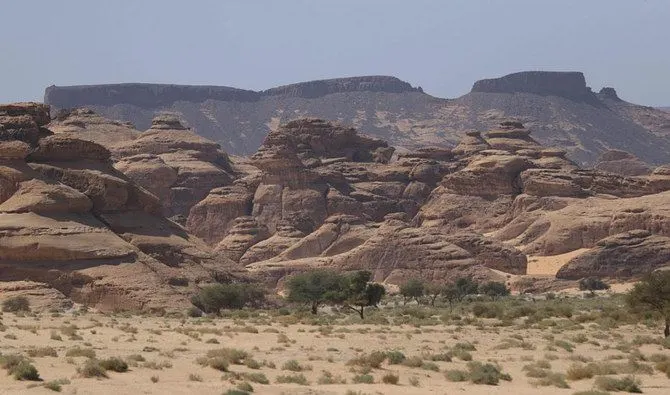
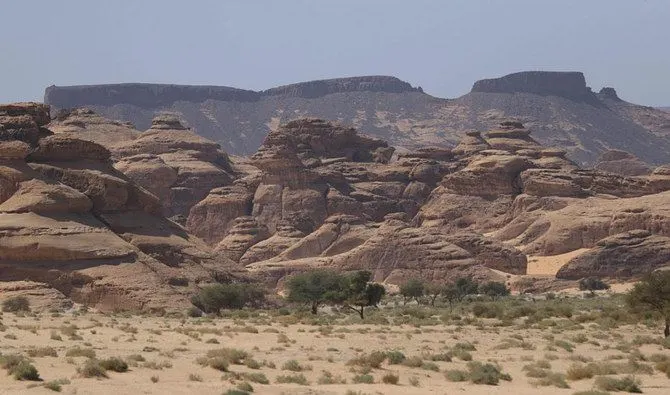
Nestled in the northwestern corner of Saudi Arabia, Harrat Uwayrid is a vast volcanic field that captures the imagination with its rugged lava flows, towering basalt formations, and breathtaking panoramic views over the AlUla valley. Stretching across more than 7,800 square kilometers, this ancient lava field tells stories of fiery eruptions, shifting tectonic plates, and the enduring connection between nature, time, and human civilization.
Travelers venturing into this region are rewarded with a rare opportunity to walk across geological history while being surrounded by one of the most photogenic landscapes in the Arabian Peninsula.
Harrat Uwayrid isn’t merely a geological curiosity—it’s a cornerstone of Saudi Arabia’s natural and cultural heritage. The dramatic contrast between its dark volcanic rock and the golden desert terrain of AlUla makes it a magnet for photographers, hikers, and adventurers seeking untouched beauty.
Over millennia, wind and erosion have sculpted this land into surreal patterns, making every viewpoint a new discovery. The volcanic field also serves as a natural backdrop to some of AlUla’s most renowned landmarks, including Madain Saleh (Hegra), the first UNESCO World Heritage Site in Saudi Arabia, and the mesmerizing Maraya Theatre.
In recent years, Harrat Uwayrid has gained global attention as part of Saudi Arabia’s ambitious tourism transformation under Vision 2030. The region’s inclusion within the AlUla development plan aims to protect its delicate environment while opening it up for sustainable adventure tourism.
Whether you’re after starlit camping, hiking across lava ridges, or exploring nearby archaeological marvels like Dadan and Jabal Ikmah, Harrat Uwayrid offers a profound connection to the land’s raw energy and ancient spirit.
The Geological Story of Harrat Uwayrid
The formation of Harrat Uwayrid began millions of years ago through continuous volcanic eruptions that left behind immense basaltic lava flows. These hardened black rocks, known as ‘harrats,’ are distinctive features of Saudi Arabia’s landscape, particularly in its western and northern regions.
Harrat Uwayrid is one of the most extensive and scientifically significant among them. The field’s geological composition reveals multiple eruptive phases, producing a textured surface of lava domes, cinder cones, and fissures that testify to the planet’s restless core beneath the Arabian Plate.
Geologists studying Harrat Uwayrid have identified evidence of both effusive and explosive eruptions, with some craters still remarkably preserved. The terrain is dotted with volcanic cones—some rising over 1,000 meters—offering a striking contrast against the serene desert below.
These natural features have sparked interest not only among researchers but also among eco-travelers seeking to understand the Earth’s dynamic processes firsthand. Exploring Harrat Uwayrid’s volcanic formations is like stepping into a natural open-air museum, where every rock layer whispers secrets of deep time and transformation.
Harrat Uwayrid’s Strategic Location in AlUla
Strategically positioned along the northern edge of AlUla, Harrat Uwayrid provides commanding views over lush oases, ancient tombs, and sandstone cliffs. This elevated volcanic plateau acts as a natural fortress, historically sheltering travelers and caravans journeying along the incense trade route. Its proximity to key attractions like Elephant Rock and Old Town AlUla makes it an essential stop for those exploring the region’s fusion of nature and history.
The volcanic field also borders the Sharaan Nature Reserve, home to rare Arabian wildlife such as ibex, foxes, and gazelles. This geographical connection enhances Harrat Uwayrid’s appeal as a hub for sustainable ecotourism and conservation-based travel. The vantage points atop the harrat offer breathtaking sunsets that illuminate the desert in shades of amber and violet, creating unforgettable moments for visitors and photographers alike.
Ecological Significance and Wildlife of Harrat Uwayrid
Despite its harsh volcanic terrain, Harrat Uwayrid sustains a surprising variety of life forms. Sparse shrubs, desert flora, and hardy acacias thrive in its rocky soil, providing shelter and nourishment for desert-adapted species.
The nearby valleys and wadis attract migratory birds, making the area a hidden gem for birdwatching in Saudi Arabia. Conservation initiatives within the AlUla region aim to rewild native species and protect fragile ecosystems from modern threats, preserving the balance between exploration and preservation.
Visitors exploring Harrat Uwayrid often spot herds of camels traversing ancient trails once used by Bedouins. The silence, punctuated only by wind and wildlife calls, adds to the site’s mystique. This harmony between nature and history exemplifies Saudi Arabia’s renewed focus on responsible tourism, echoing the principles highlighted in Wildlife Reserves Saudi.
Adventure and Hiking Experiences at Harrat Uwayrid
Adventure seekers find Harrat Uwayrid to be an exhilarating playground. The rugged topography invites explorers to embark on guided hikes that traverse ancient lava tubes, craters, and ridgelines.
Each path rewards trekkers with sweeping vistas of the AlUla valley below. The most popular trail ascends to the viewing platform overlooking Hegra, one of the most spectacular vantage points in Saudi Arabia.
Travelers can combine their volcanic adventure with other outdoor experiences such as desert camping and stargazing—activities that have surged in popularity thanks to initiatives like Desert Camping Saudi. Under the vast desert sky, Harrat Uwayrid transforms into a celestial observatory, offering unmatched clarity for photographing the Milky Way and meteor showers.
Harrat Uwayrid and the Cultural Heritage of AlUla
Harrat Uwayrid isn’t isolated from human history—it’s deeply intertwined with it. Archaeological finds suggest that ancient civilizations, including the Dadanite and Lihyanite kingdoms, occupied the surrounding valleys thousands of years ago.
The volcanic field formed a natural boundary that influenced settlement patterns, trade routes, and defense strategies. Its dark rock walls echo with stories of resilience, faith, and ingenuity.
Nearby heritage sites like Dadanite and Lihyanite Kingdoms illustrate how geography and geology shaped the cultural evolution of this region. Today, Harrat Uwayrid stands as both a witness to and participant in AlUla’s transformation into a global destination blending history, art, and nature.
How to Visit Harrat Uwayrid: Travel Tips and Accessibility
Reaching Harrat Uwayrid is straightforward thanks to the growing infrastructure around AlUla.
- Visitors can fly into AlUla International Airport, which connects to major Saudi cities and selected international destinations.
- From there, guided excursions or self-drive routes lead directly to the volcanic field. Local tour providers within Saudi Arabia Tours and curated Saudi Arabia Travel Packages often include Harrat Uwayrid as a highlight, ensuring travelers enjoy safe and educational experiences.
- The best time to visit Harrat Uwayrid is during the cooler months, from October to March, when temperatures are moderate and visibility is excellent.
- For those seeking the ultimate photo opportunities, sunrise and sunset tours are a must. The interplay of light across the basaltic terrain creates a surreal glow that defines the region’s visual identity.
- Before setting out, visitors should check safety guidelines and bring plenty of water, sunscreen, and sturdy footwear to navigate the uneven ground comfortably.
FAQs About Harrat Uwayrid
What makes Harrat Uwayrid unique among Saudi Arabia’s volcanic fields?
Harrat Uwayrid stands out due to its proximity to iconic heritage sites in AlUla, its extensive size, and its diverse volcanic formations. Unlike other harrats, it offers panoramic views of archaeological landmarks and desert oases, creating a remarkable blend of geology and cultural history.
Is Harrat Uwayrid accessible to visitors year-round?
Yes, Harrat Uwayrid is accessible throughout the year, though the ideal time to visit is during the cooler winter months. Summer temperatures can soar, making exploration more challenging. Most guided tours operate between October and March for optimal comfort and safety.
Can tourists hike or camp at Harrat Uwayrid?
Absolutely. Hiking and camping are popular activities at Harrat Uwayrid. Designated areas allow visitors to camp under the stars while respecting environmental preservation rules. Guided hikes are available to help tourists safely explore craters and viewpoints.
What are the main attractions near Harrat Uwayrid?
Harrat Uwayrid lies near several must-see attractions, including Madain Saleh (Hegra), Maraya Theatre, Sharaan Nature Reserve, and Elephant Rock. Its location provides easy access to AlUla’s cultural and natural treasures, making it a central hub for exploration.
How does Harrat Uwayrid contribute to Saudi Arabia’s Vision 2030?
As part of the AlUla development plan, Harrat Uwayrid supports Vision 2030 by promoting eco-friendly tourism, cultural preservation, and sustainable economic growth. The site’s integration into nature-based travel initiatives underscores Saudi Arabia’s commitment to environmental stewardship and global tourism excellence.