
Qasr Al Bint
Qasr Al Bint: The Majestic Nabataean Temple of AlUla
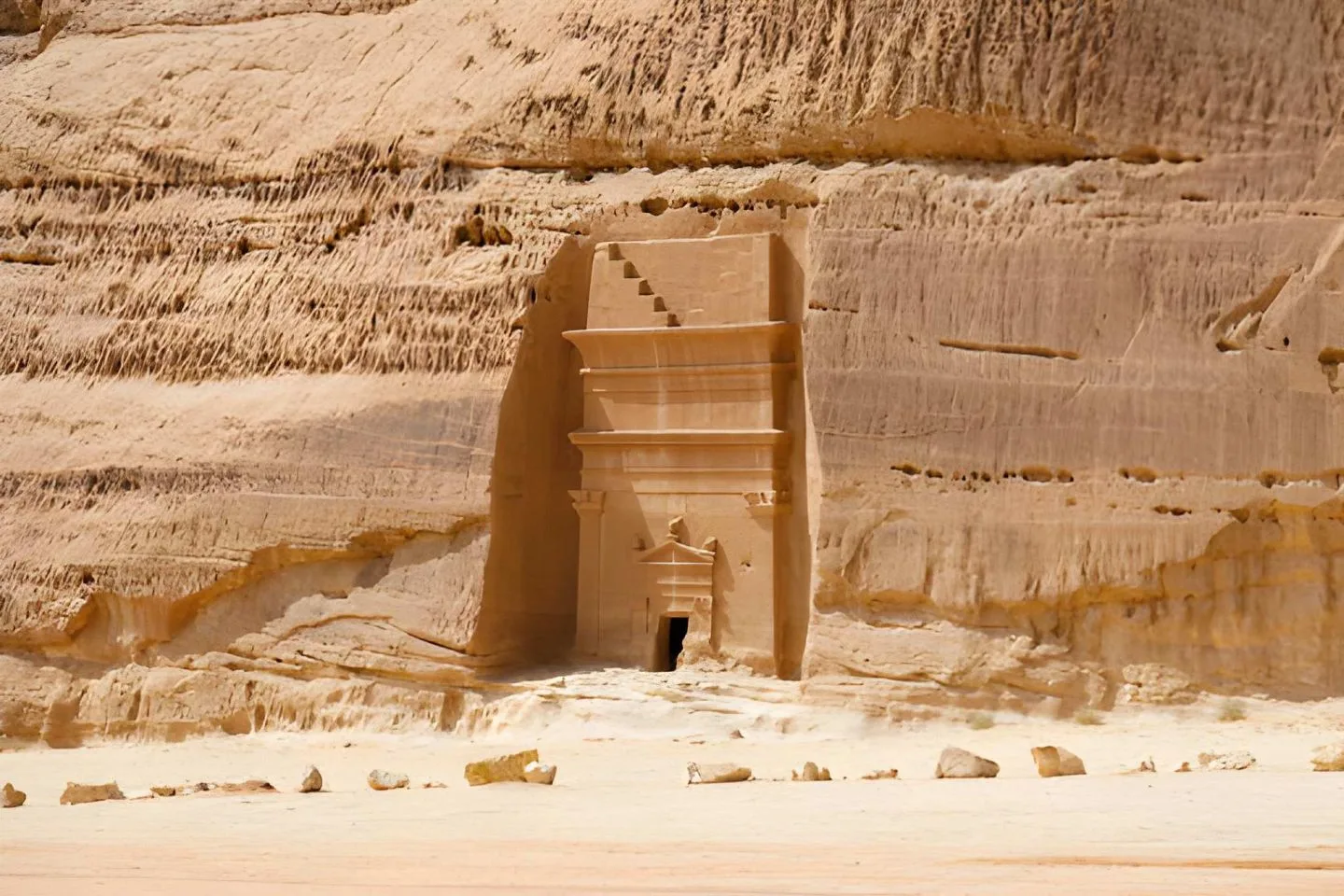
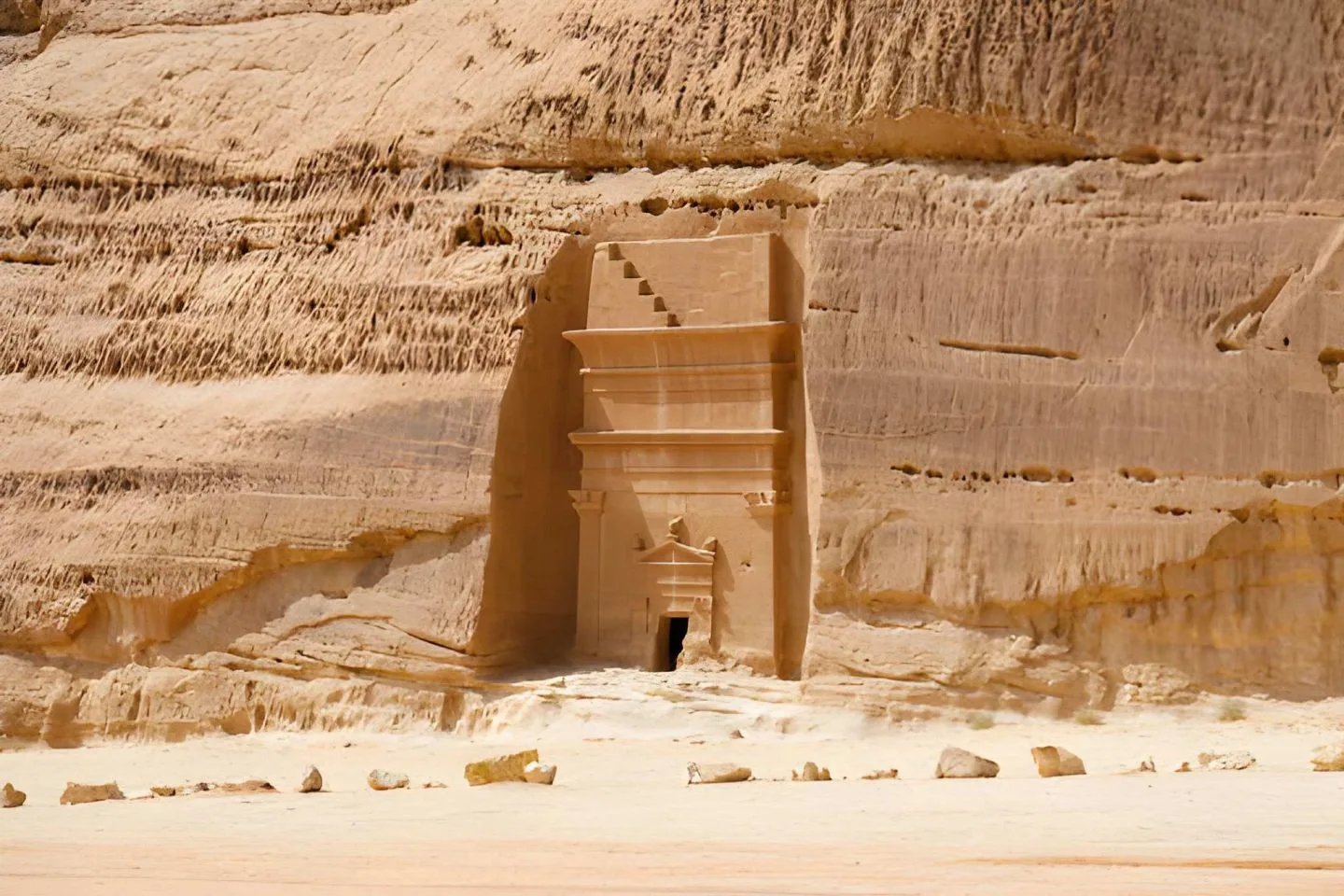
In the heart of Saudi Arabia’s AlUla, where sandstone cliffs rise like ancient sentinels against the golden desert, stands Qasr Al Bint — a masterpiece of Nabataean ingenuity and devotion. This awe-inspiring temple, thought to be dedicated to the goddess Dushara, reigns as one of the best-preserved relics of a civilization that once flourished across the Arabian Peninsula.
Qasr Al Bint, literally meaning ‘Palace of the Daughter’, evokes mystery and grandeur with every sunbeam that strikes its weathered façade. Visitors who venture into this archaeological wonder are immediately struck by its scale, symmetry, and spiritual significance. Its deep carvings, precise masonry, and commanding presence offer an intimate glimpse into the Nabataean world — a society that thrived on trade, artistry, and divine worship.
As part of the larger AlUla region, which includes celebrated landmarks like Madain Saleh (Hegra) and Al Farid Palace, Qasr Al Bint enhances Saudi Arabia’s reputation as a global center for heritage tourism. Archaeologists and travelers alike marvel at its elaborate bas-reliefs, strategic orientation, and the enduring mystery surrounding its rituals.
The temple’s sandstone blocks, cut and stacked with breathtaking precision, whisper tales of ancient ceremonies, royal processions, and celestial beliefs that shaped Nabataean life. Today, Qasr Al Bint stands not just as a ruin, but as a living muse — capturing the imagination of historians, photographers, and explorers eager to trace the footprints of Arabia’s past.
Whether you’re drawn by its architectural prowess or its sacred aura, Qasr Al Bint encapsulates the essence of AlUla’s historical allure. Every corner of this temple speaks of craftsmanship that defied time. Its setting — framed by rugged cliffs and golden dunes — makes it one of the most photogenic structures in Arabia.
For those seeking deeper immersion into Saudi Arabia’s archaeological gems, a visit to Qasr Al Bint is an unmissable highlight on any cultural itinerary. No wonder it features prominently in curated Saudi Arabia Travel Packages that promise a blend of adventure, insight, and wonder.
Historical Significance of Qasr Al Bint AlUla
Qasr Al Bint stands as a cornerstone of Nabataean culture, representing their spiritual devotion and architectural precision. Scholars date its construction to the first century BCE, a period when the Nabataeans dominated the incense trade routes stretching from Yemen to the Mediterranean.
This strategic control fueled immense wealth, enabling them to craft monumental stone temples like Qasr Al Bint. Its name, ‘Palace of the Daughter’, has long intrigued historians. Some suggest it refers to a royal princess once buried nearby; others interpret it as a symbolic title honoring a goddess. Either way, the temple’s enduring allure lies in its ability to fuse myth, religion, and royal symbolism into a single, timeless structure.
Within AlUla’s broader archaeological landscape, Qasr Al Bint mirrors the craftsmanship found in Dadan and Jabal Ikmah. The Nabataeans, masters of carving rock into living art, endowed Qasr Al Bint with both elegance and endurance. Its monumental façade, flanked by sculpted columns and niches, reveals a sophistication uncommon in desert architecture.
The structure not only hosted religious rituals but also served as a political and social emblem of unity. Pilgrims, traders, and dignitaries would gather within its shadow to celebrate and reaffirm their connection to the divine.
Architectural Marvel: Design and Construction of Qasr Al Bint
The architecture of Qasr Al Bint showcases the Nabataeans’ exceptional skill in engineering and aesthetics. Constructed primarily from sandstone quarried from the surrounding cliffs, the temple features a massive rectangular base, elevated terraces, and an intricately carved façade.
Its alignment with celestial bodies suggests that astronomy played a role in its design, perhaps symbolizing spiritual connections between the earthly and the divine. The balance of symmetry and proportion within Qasr Al Bint exemplifies the Nabataeans’ pursuit of harmony — a principle visible in many of their sacred sites across AlUla and Petra.
Inside, remnants of altars, offering platforms, and water basins hint at rituals once performed here. The Nabataeans worshipped deities such as Dushara and Al-Uzza, and Qasr Al Bint likely served as a temple devoted to these gods.
The deliberate use of local materials ensured both sustainability and longevity, enabling the structure to withstand centuries of wind erosion. Its golden hue changes subtly with the desert sun, offering visitors a breathtaking visual journey throughout the day.
Qasr Al Bint and the Nabataean Economy
The temple’s existence underscores the economic power of the Nabataeans. AlUla sat at the crossroads of crucial trade routes linking Arabia to the Levant and Mesopotamia. Qasr Al Bint likely played a dual role — spiritual sanctuary and symbol of prosperity. Traders arriving from as far as Egypt and India would have seen the temple’s towering façade as a sign of AlUla’s wealth and divine favor.
The Nabataeans’ control over caravan networks ensured that their architectural feats, including Qasr Al Bint, were funded by lucrative incense and spice trade revenues. This economic prowess allowed them to commission artisans who blended Greco-Roman, Mesopotamian, and Arabian design elements, creating a temple that transcended cultural boundaries.
Religious and Cultural Symbolism of Qasr Al Bint
Qasr Al Bint radiates spiritual symbolism woven into its carvings and proportions. The temple’s orientation toward the rising sun suggests connections to fertility, rebirth, and divine illumination — recurring themes in Nabataean religious thought.
Scholars believe that processions and offerings took place along its stone causeway during major festivals. Symbols of eagles, lions, and floral motifs carved into its walls emphasize protection, power, and divine guardianship.
The structure’s resilience mirrors the Nabataeans’ belief in eternity and the spiritual continuity between the mortal and celestial realms. For modern travelers, standing before its towering façade evokes a profound sense of awe — a reminder of humanity’s eternal quest for meaning.
Preservation Efforts and Archaeological Discoveries
Saudi Arabia’s Vision 2030 initiative has spurred renewed interest in conserving heritage sites like Qasr Al Bint. Archaeologists and engineers have implemented advanced preservation techniques to stabilize and restore the structure without compromising its authenticity.
Ground-penetrating radar and 3D mapping have revealed hidden chambers and previously unknown architectural details. These findings not only enrich our understanding of Nabataean spirituality but also highlight the ingenuity behind their construction methods.
Qasr Al Bint continues to inspire research collaborations between Saudi experts and international institutions, ensuring its legacy endures for generations.
Exploring Qasr Al Bint: A Visitor’s Experience
Visiting Qasr Al Bint offers an immersive experience that blends historical discovery with natural beauty. The temple sits within AlUla’s archaeological zone, surrounded by breathtaking vistas that shift from ochre cliffs to deep canyons.
As you approach, the silence of the desert heightens anticipation. The structure looms large — a perfect blend of artistry and faith. Walking around its perimeter reveals intricate carvings, subtle design variations, and evidence of ancient restoration efforts. Guides often recount tales of Nabataean rituals, bringing the ruins to life through vivid storytelling.
Modern explorers can complement their visit with nearby attractions such as Elephant Rock and the futuristic Maraya Theatre, creating a perfect balance between ancient heritage and contemporary art. Travelers often extend their journey through Saudi Arabia Tours that include Qasr Al Bint as a centerpiece of cultural exploration. The atmosphere is transformative — each curve of stone and every shadowed crevice tells a story written in the language of time.
When to Visit Qasr Al Bint
The best time to visit Qasr Al Bint is during the cooler months between October and March, when desert temperatures are pleasant. Early mornings and late afternoons provide the most dramatic lighting for photography.
Travelers who plan ahead can align their visits with cultural festivals in AlUla, enhancing the experience with music, art, and local traditions. Nearby amenities and guided tours ensure that visitors can explore comfortably while respecting the site’s sanctity and preservation rules.
Travel Tips for Exploring AlUla’s Ancient Treasures
Before venturing to Qasr Al Bint, it’s wise to consult guides on Saudi Arabia Travel Tips For First-Timers.
- Wear breathable clothing
- Carry water
- Allocate sufficient time — at least two hours — to fully appreciate the temple’s scale and craftsmanship.
Combining Qasr Al Bint with visits to Old Town AlUla and Sharaan Nature Reserve provides a holistic perspective of the region’s cultural and natural diversity. Each site contributes uniquely to understanding how ancient civilizations thrived in this arid yet fertile valley.
Frequently Asked Questions About Qasr Al Bint
What is Qasr Al Bint?
Qasr Al Bint is an ancient Nabataean temple located in AlUla, Saudi Arabia. It’s one of the most remarkable examples of Nabataean architecture, showcasing their craftsmanship, spirituality, and cultural depth. The temple’s name translates to ‘Palace of the Daughter’, reflecting its mythical and possibly religious origins.
Where is Qasr Al Bint located?
Qasr Al Bint lies in the archaeological heart of AlUla, a region famed for its monumental rock formations and historical sites like Hegra and Dadan. The temple sits within a protected heritage zone easily accessible through guided tours departing from AlUla city or nearby resorts.
Who built Qasr Al Bint?
The Nabataeans, an ancient Arab civilization known for their trade and architectural prowess, built Qasr Al Bint. Their mastery of stone-carving is evident in both the temple’s structure and the surrounding tombs, mirroring the artistic excellence seen in Petra, Jordan.
What is the significance of Qasr Al Bint?
Qasr Al Bint represents the Nabataeans’ spiritual devotion and architectural brilliance. It served as a religious sanctuary, possibly dedicated to the deity Dushara, and as a cultural hub symbolizing prosperity and divine connection. Its preservation today underscores Saudi Arabia’s commitment to honoring its rich heritage.
Can tourists visit Qasr Al Bint?
Yes, Qasr Al Bint is open to visitors as part of AlUla’s heritage tourism initiatives. Entry is typically organized through official guided tours that ensure preservation standards. Travelers often include it in extended cultural itineraries highlighting other landmarks like Jabal Ikmah and Hegra.
Conclusion: Why Qasr Al Bint Captivates the World
Qasr Al Bint stands as a timeless beacon of Nabataean art, faith, and resilience. Its sculpted sandstone walls, celestial orientation, and enduring mystique invite visitors to reflect on the harmony between human creativity and nature’s grandeur. As AlUla continues to rise as a world-class heritage destination, Qasr Al Bint remains its spiritual heart — a majestic relic that speaks directly to the soul. For anyone exploring the treasures of Arabia, this temple offers more than history; it offers connection, inspiration, and the thrill of standing where ancient hands once carved eternity into stone.