
House of Islamic Arts
House of Islamic Arts – A Treasure Trove of Faith, Heritage, and Aesthetic Brilliance
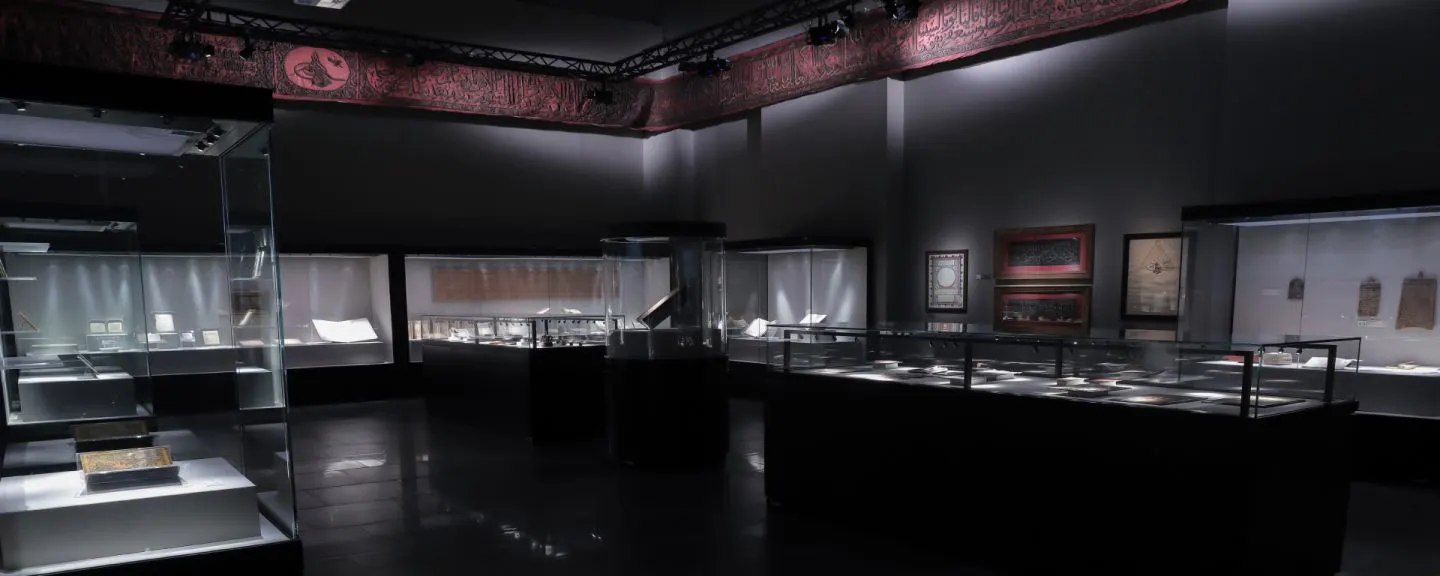
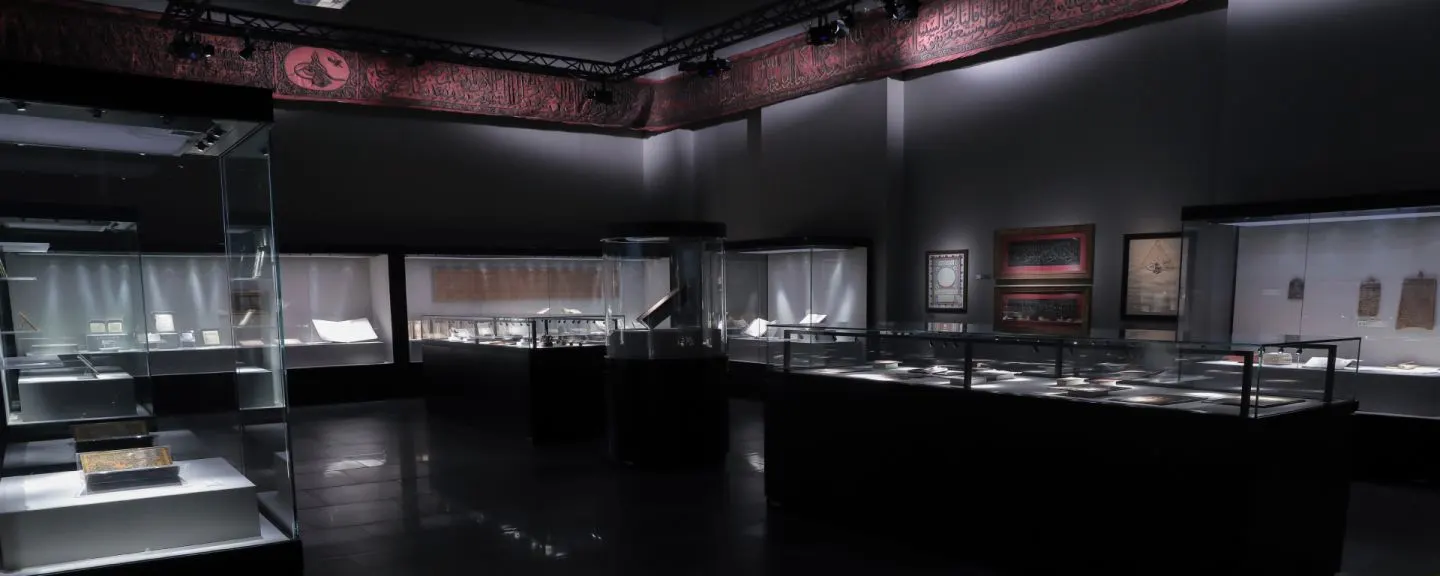
The House of Islamic Arts stands as a sanctuary of cultural refinement and spiritual expression, embodying the essence of Islamic civilization through centuries of artistic mastery. Nestled in Jeddah, this magnificent museum isn’t just a collection of artifacts; it’s a living narrative of faith, geometry, and craftsmanship that transcends time. Every wall, corner, and artifact bears witness to the harmonious union between art and devotion. Visitors are captivated not only by its architectural charm but also by its profound role in preserving Islamic heritage. The House of Islamic Arts offers an immersive journey through the visual languages of calligraphy, ceramics, manuscripts, textiles, and metalwork—each piece echoing the intellectual and aesthetic sophistication of Muslim artisans across the ages.
Stepping into this cultural haven, travelers discover how Islamic art reflects an enduring quest for beauty within divine boundaries. Instead of depicting human or animal forms, Islamic creativity found expression in intricate geometry, vegetal motifs, and Arabic calligraphy, symbolizing unity and eternity. Whether you’re an art enthusiast, historian, or spiritual seeker, this destination compels admiration and introspection alike. For those exploring Saudi Arabia Tours, the House of Islamic Arts offers a deeper understanding of the region’s cultural soul, making it a must-see on any itinerary through the Kingdom’s artistic heartland.
The Significance of Islamic Art in Cultural History
Islamic art is far more than decorative expression; it’s the visual embodiment of a civilization that valued balance, discipline, and divine beauty. Its motifs and mediums evolved alongside the expansion of the Islamic world, bridging cultures from Andalusia to Central Asia. The House of Islamic Arts plays a crucial role in uniting these diverse influences under one roof. Visitors encounter rare manuscripts, ancient Qur’anic calligraphy, and glimmering ceramics that narrate centuries-old exchanges between artisans and scholars. Each gallery whispers stories of faith, intellect, and aesthetic innovation.
Much like the Maraya Theatre in AlUla, the House of Islamic Arts harmonizes traditional design with modern presentation techniques, ensuring visitors experience art as both timeless and relevant. Its curated displays encourage reflection on how Islamic art continues to influence contemporary creativity worldwide.
Architectural Beauty and Museum Design
The architecture of the House of Islamic Arts mirrors the artistic language it celebrates. Meticulously designed with symmetry and geometric precision, the structure embodies the balance found in Islamic philosophy. The museum’s façade, adorned with arabesque patterns and courtyards shaded by mashrabiya screens, echoes the spirit of ancient palaces and mosques. Inside, soft lighting, marble walkways, and elegant arches guide visitors from one thematic room to another. Each hall feels like a spiritual experience rather than a mere exhibition.
Nearby landmarks like Tayebat Museum and Al-Balad Saudi Arabia showcase Jeddah’s deep-rooted artistic traditions, yet the House of Islamic Arts uniquely bridges past and present, connecting global Islamic influences through an architectural narrative of unity.
Collections That Define Islamic Civilization
The museum’s collection stands as a testament to Islamic civilization’s scope and diversity. Visitors are greeted with centuries-old pottery from Persia, calligraphic panels from the Ottoman Empire, and Andalusian tiles adorned with Kufic script. One gallery showcases delicate manuscripts illuminated with gold leaf, revealing the meticulous labor of ancient scribes who merged devotion with discipline. Another section displays intricate metalwork and textiles, demonstrating how everyday objects were elevated into masterpieces through faith-inspired design.
Those embarking on Jeddah Day Tours & Excursions often highlight this museum as a cultural gem, where art transforms into a universal language of spirituality and craftsmanship. The diversity of exhibits reflects Islam’s vast geographical influence and its ability to assimilate and reinterpret artistic traditions over time.
Calligraphy: The Soul of Islamic Art
Calligraphy reigns supreme in Islamic aesthetics, serving as both decoration and devotion. The House of Islamic Arts features mesmerizing examples of Arabic calligraphy etched, painted, and carved on a range of materials. Visitors witness how Qur’anic verses and poetic inscriptions breathe life into objects once used in daily life or religious rituals. Through detailed scripts like Naskh, Thuluth, and Diwani, calligraphers turned language into rhythm and movement. This mastery of form continues to inspire artists and designers across the Islamic world and beyond.
Similar to exhibits found in the National Museum of Saudi Arabia, the House of Islamic Arts demonstrates how calligraphy transcends time, offering continuity between ancient manuscripts and modern artistic adaptations.
Spiritual Symbolism and Geometric Design
Geometry forms the backbone of Islamic art, symbolizing infinity and divine order. The museum’s galleries illustrate how complex star patterns, interlaced polygons, and tessellations were used to create visual harmony in mosques, palaces, and manuscripts. These repeating patterns embody a worldview rooted in unity and symmetry—core principles of Islamic cosmology. Visitors marvel at how artisans achieved mathematical precision with limited tools, crafting artworks that continue to amaze modern architects and mathematicians alike.
This profound connection between art and spirituality mirrors the essence of Islamic philosophy, echoing through architectural wonders like Quba Mosque and Jumeirah Mosque—each reflecting the same harmony found at the House of Islamic Arts.
Educational Mission and Visitor Experience
The House of Islamic Arts isn’t just a museum—it’s an educational center devoted to fostering cultural understanding. Through guided tours, interactive workshops, and academic programs, it nurtures appreciation for Islamic heritage among visitors of all backgrounds. Families, students, and international travelers can attend art restoration demonstrations, calligraphy lessons, and lectures on Islamic aesthetics. These initiatives help preserve traditional craftsmanship while inspiring new generations of artists to innovate within the framework of heritage.
For travelers combining artistic exploration with cultural depth, integrating this experience into broader Saudi Arabia Travel Packages ensures a balanced journey between history and modernity.
Why Visit the House of Islamic Arts in Jeddah
Visiting the House of Islamic Arts is a chance to connect with centuries of creative devotion. Whether you’re tracing the evolution of calligraphy, marveling at handcrafted ceramics, or studying architectural motifs, the museum offers an unparalleled insight into how art in Islam celebrates the sacred through beauty. Its tranquil environment allows reflection, while its expertly curated exhibitions engage the senses. Beyond its walls, Jeddah’s vibrant cultural landscape—home to landmarks like King Fahd’s Fountain and the Jeddah Corniche—complements the museum’s spirit of artistic appreciation and connection.
FAQs About the House of Islamic Arts
What makes the House of Islamic Arts unique?
The House of Islamic Arts distinguishes itself by blending historical artifacts with modern curatorial techniques. It showcases the full spectrum of Islamic artistry—from ancient manuscripts to contemporary interpretations—making it a dynamic hub of faith, art, and culture.
Where is the House of Islamic Arts located?
It’s located in Jeddah, Saudi Arabia, a city renowned for its cultural diversity and historical significance. The museum lies near other major heritage attractions, making it an essential stop for art lovers exploring the region.
What can visitors expect to see at the museum?
Visitors can explore calligraphic masterpieces, ceramic works, metal engravings, textiles, and illuminated manuscripts spanning different Islamic eras. Interactive displays and educational installations enhance understanding of Islamic art’s philosophical and spiritual depth.
Is photography allowed in the House of Islamic Arts?
Photography is generally permitted in designated areas, though flash use may be restricted to protect fragile exhibits. Visitors are encouraged to verify current guidelines upon arrival.
How can travelers include this museum in their trip?
Travelers can easily incorporate a visit to the House of Islamic Arts into their Jeddah Tour Packages or broader cultural itineraries across Saudi Arabia. It’s a must-see destination for anyone seeking to understand the aesthetic and spiritual foundations of Islamic heritage.