
Diwan Tomb
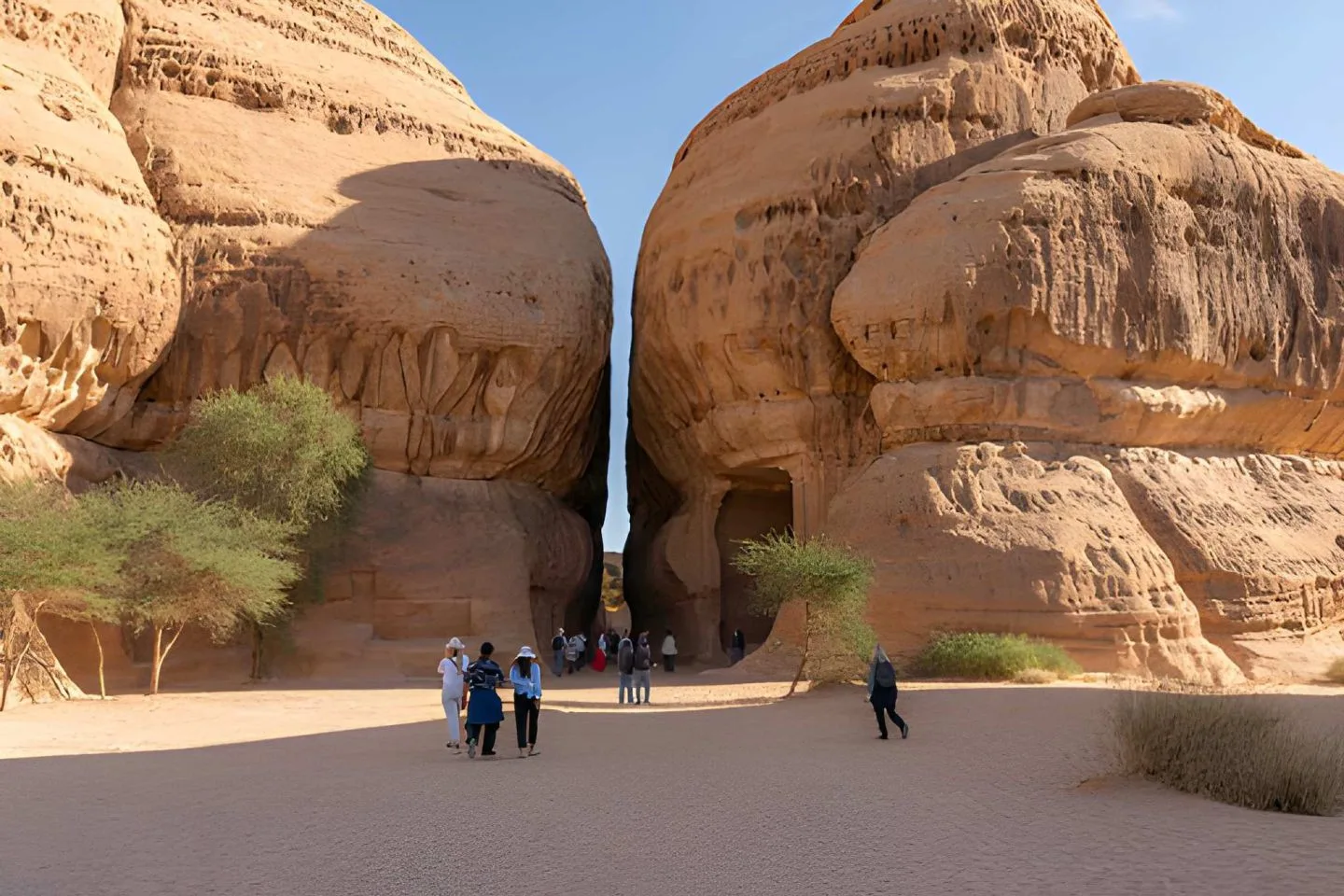
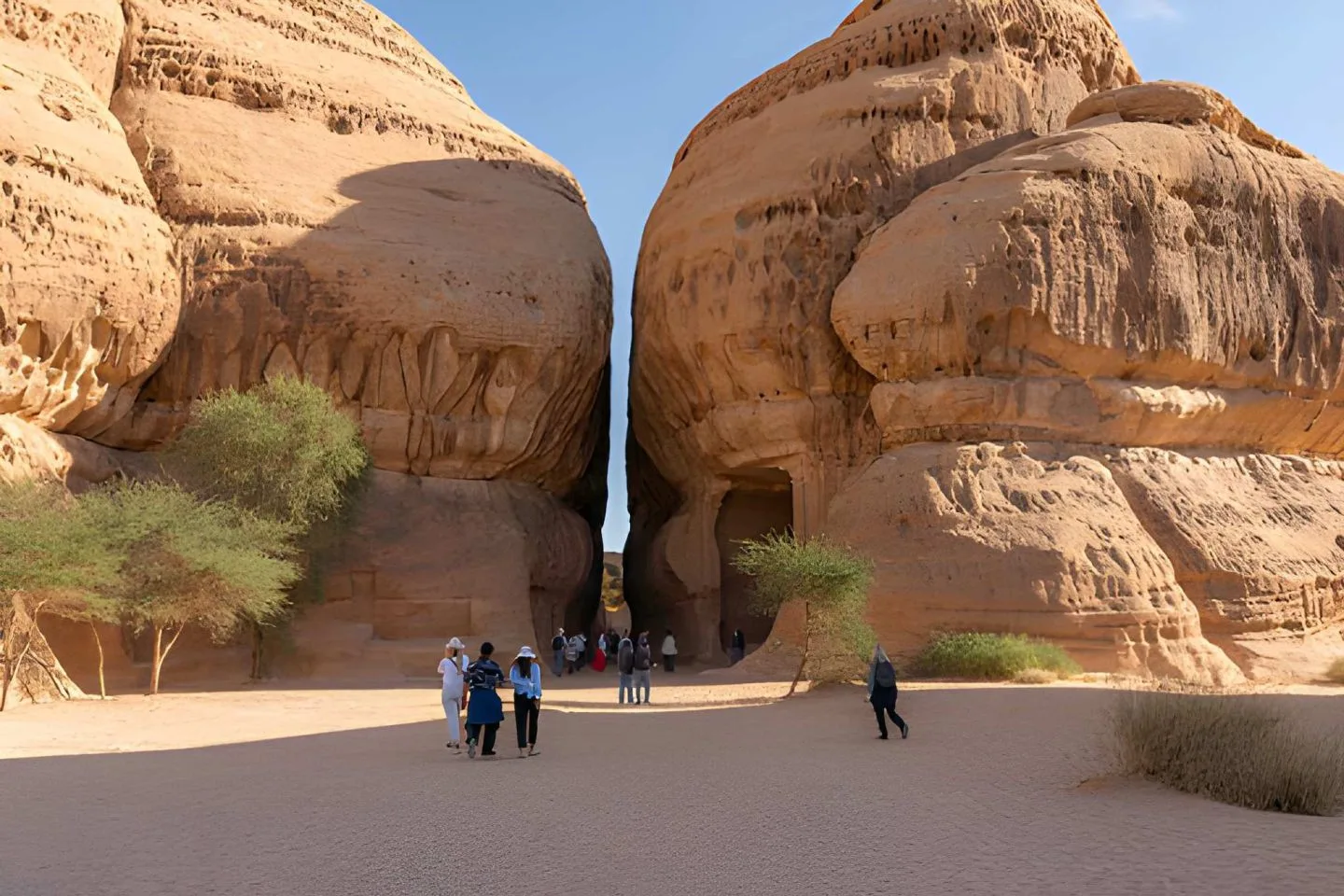
Diwan Tomb AlUla – A Timeless Monument of the Nabatean Civilization
Set amid the golden sandstone cliffs of AlUla, the Diwan Tomb stands as a magnificent relic of the Nabatean civilization, whispering stories of ancient rituals, royal gatherings, and architectural brilliance. This awe-inspiring monument, often overshadowed by the grandeur of Madain Saleh (Hegra), holds a unique charm that draws travelers, historians, and archaeologists from around the world. The Diwan, also referred to as the “place of council,” embodies the artistic and cultural spirit of a bygone era, carved meticulously into rock formations that have stood the test of time. With its intricate facades, ceremonial chambers, and serene desert setting, the Diwan Tomb invites visitors to step back thousands of years and witness the genius of Nabatean artisans who transformed stone into sanctuaries of divinity.
Located within AlUla’s enchanting valley, this site forms part of a larger network of tombs, sanctuaries, and inscriptions spread across the region. Whether you’re on a AlUla Day Tour or an extended AlUla Tours Package, exploring the Diwan Tomb feels like unlocking the heart of Saudi Arabia’s ancient heritage. This masterpiece isn’t just a monument—it’s a window into the soul of the desert, offering a glimpse into the rituals, faith, and craftsmanship that defined a civilization thriving long before modern cities rose from the sand.
The Historical Significance of Diwan Tomb in AlUla
The Diwan Tomb holds immense cultural and historical importance as part of the Nabatean heritage that flourished across northwestern Arabia. The Nabateans, renowned for their capital city Petra in Jordan, extended their influence deep into AlUla, known in antiquity as Dedan and later Hegra. The Diwan served as both a ceremonial chamber and a sacred meeting space for the elite. Its proximity to Dadan and other monumental sites underscores its role within a complex religious landscape that blended Arabian and Hellenistic architectural styles.
Intricate carvings on the walls and facades reveal artistic mastery unmatched in the ancient world. Each detail—from the symmetrical doorways to the decorative cornices—demonstrates the Nabateans’ understanding of geometry, symbolism, and spiritual expression. The Diwan Tomb wasn’t merely a burial site; it functioned as a space for rituals associated with gods, celestial bodies, and community leadership. This synthesis of art and spirituality continues to fascinate researchers and makes the Diwan a must-visit destination for anyone passionate about archaeology and ancient civilizations.
Architectural Design and Carving Techniques of the Diwan Tomb
The architectural design of the Diwan Tomb showcases the Nabateans’ incredible ability to sculpt natural rock into complex, functional spaces. Using chisels, hammers, and simple yet precise tools, artisans carved the Diwan directly into the sandstone cliff, creating a chamber with smooth walls and a high ceiling that amplifies its acoustics—perfect for rituals and councils. The entrance facade is elegantly framed, displaying the distinct Nabatean style characterized by geometric motifs and symbolic emblems.
Inside, niches carved into the walls possibly held idols or offerings, while grooves along the sides suggest places for ceremonial seating. The craftsmanship mirrors that of other iconic sites like Al Farid Palace and Qasr Al Bint, revealing a shared architectural philosophy rooted in balance, harmony, and reverence for nature. Each curve and contour of the Diwan Tomb resonates with the Nabatean respect for the desert landscape, where architecture seamlessly blends into its surroundings, creating a timeless masterpiece of rock-cut elegance.
Spiritual and Cultural Role of the Diwan Tomb
The Diwan Tomb wasn’t merely an architectural wonder—it was a spiritual nucleus. Scholars believe the Diwan served as a ceremonial chamber for religious gatherings, celebrating deities that symbolized fertility, protection, and prosperity. The Nabateans’ deep connection to celestial movements—sunrise, sunset, and star alignments—played a role in the orientation and use of such chambers. Seasonal rituals were likely held here, reinforcing the sacred bond between humans and the cosmos.
This connection between spirituality and architecture continues to inspire modern visitors. Standing inside the Diwan, one can almost sense the reverence of ancient priests performing rites, the aroma of incense wafting through the stone corridors, and the quiet hum of chants echoing through the canyon. For travelers fascinated by religion, symbolism, and ancient mysticism, the Diwan Tomb represents a profound journey through spirituality etched in stone.
Exploring the Diwan Tomb: A Traveler’s Experience
Visiting the Diwan Tomb in AlUla is an experience unlike any other. As you approach the site, the golden hues of the surrounding cliffs shift with the sunlight, revealing the Diwan entrance carved with near-perfect symmetry. Guided tours often include this stop as part of broader Saudi Arabia Day Tours or immersive Saudi Arabia Travel Packages that explore historical routes through AlUla’s ancient valleys.
Visitors are encouraged to take their time—observe the craftsmanship, feel the cool rock walls, and absorb the silence that once echoed with sacred chants. The surrounding area also offers breathtaking landscapes, including nearby wonders like Elephant Rock, Maraya Theatre, and the Old Town AlUla. Each complements the Diwan’s grandeur, painting a holistic picture of AlUla as a living museum of Arabian history.
Preservation Efforts and Archaeological Importance
Saudi Arabia’s commitment to preserving its cultural heritage has propelled sites like the Diwan Tomb into global recognition. Archaeologists, conservationists, and heritage experts work together under the Royal Commission for AlUla to ensure these rock-cut marvels endure for future generations. Advanced 3D scanning, minimal intervention restoration, and controlled tourism are part of the preservation strategy to maintain the integrity of the Diwan’s carvings and inscriptions.
These initiatives not only protect the site but also promote sustainable tourism. Through curated experiences, such as those offered in Riyadh AlUla Jeddah Winter Season Package, visitors gain a deeper appreciation for the region’s heritage without compromising its authenticity. The Diwan Tomb thus stands as both a monument of history and a symbol of modern Saudi Arabia’s cultural renaissance.
Best Time to Visit Diwan Tomb and Travel Tips
The ideal time to visit the Diwan Tomb is between October and March, when AlUla’s temperatures are pleasant and the desert air feels crisp. Early morning or late afternoon visits offer the best lighting for photography, as the sun’s low angles cast dramatic shadows over the rock facades. When planning your trip, consider staying a few days to fully immerse yourself in AlUla’s archaeological gems through curated AlUla Holiday Packages that include guided access to Hegra, Dadan, and the Diwan complex.
Don’t forget essentials—comfortable walking shoes, a hat, sunscreen, and water. Travelers seeking a luxurious blend of adventure and comfort might find the 8 Days Luxury Saudi Arabia Vacation ideal, offering curated experiences across major cultural landmarks, including the mesmerizing Diwan Tomb.
Frequently Asked Questions about Diwan Tomb
What is the Diwan Tomb in AlUla?
The Diwan Tomb is a rock-carved chamber created by the Nabateans in AlUla, Saudi Arabia. It served as a ceremonial and religious site, possibly used for rituals or gatherings of high-ranking individuals within the ancient community.
Where is the Diwan Tomb located?
The Diwan Tomb is located in the AlUla region of northwestern Saudi Arabia, near the archaeological zones of Hegra and Dadan. It’s situated within a striking sandstone canyon, easily accessible via guided AlUla Day Tours.
Who built the Diwan Tomb?
The Diwan Tomb was carved by the Nabatean civilization, the same people who built the world-famous Petra in Jordan. Their architectural prowess and spiritual devotion are evident in every carved detail of the Diwan.
Can tourists visit the Diwan Tomb?
Yes, the Diwan Tomb is open to tourists and is one of the highlights of heritage tours in AlUla. Visitors can explore it as part of organized excursions included in Saudi Arabia Travel Packages or private guided tours.
What makes the Diwan Tomb special?
What sets the Diwan Tomb apart is its remarkable fusion of art, spirituality, and engineering. It encapsulates the Nabatean mastery of stone carving, their reverence for nature, and their ability to create sanctuaries that continue to inspire awe thousands of years later.
Is the Diwan Tomb part of UNESCO World Heritage Site?
Yes, the Diwan Tomb is located within the UNESCO-listed Hegra Archaeological Site, recognized for its exceptional preservation of Nabatean architecture and cultural significance as the southernmost outpost of their kingdom.