Riyadh Museums
Riyadh Museums: Gateway to Saudi Arabia’s Cultural Soul
Nestled in the heart of Saudi Arabia, Riyadh stands tall as a dazzling blend of modernity and tradition. Yet beneath its futuristic skyline and ever-evolving urban charm lies a treasure trove of history—its world-class museums. The Riyadh museums aren't mere buildings storing relics; they’re living narratives that bring the Kingdom’s past, art, and innovation to life. Every exhibit whispers stories of desert kingdoms, ancient trade routes, and the visionary spirit of a nation in transformation. Whether you’re a history buff, art connoisseur, or curious traveler, exploring Riyadh’s museum scene is a journey through time. From the iconic National Museum of Saudi Arabia to the historic Masmak Fort, each venue offers an immersive experience that celebrates the Kingdom’s heritage, artistry, and progress.
With Saudi Arabia emerging as a global tourism hub, thanks to initiatives like Vision 2030, Riyadh’s museums have taken center stage in redefining cultural tourism. They attract not only international travelers but also locals eager to rediscover their roots. This guide dives deep into Riyadh’s finest museums, offering insights that transform an ordinary trip into an extraordinary cultural adventure. For those ready to explore beyond the exhibit halls, pairing your museum visits with Riyadh Day Tours or curated cultural experiences enhances your understanding of this dynamic city. Let’s uncover why Riyadh museums are the beating heart of Saudi Arabia’s cultural renaissance.
The National Museum of Saudi Arabia: A Journey Through Time
The crown jewel of Riyadh museums, the National Museum of Saudi Arabia, is more than a historical archive—it’s an artistic expression of the nation’s evolution. Located within King Abdulaziz Historical Center, this architectural masterpiece captivates visitors with its sleek design inspired by sand dunes. The museum’s galleries chronicle everything from prehistoric Arabia to the modern Saudi state, using digital displays and lifelike reconstructions to breathe life into the past. Visitors can explore the geology of the Arabian Peninsula, Islamic history, and the story of the unification of Saudi Arabia, all under one roof.
Whether you’re delving into the origins of Arabic script or admiring ancient rock carvings, every element within the museum is designed to evoke wonder. Pair your visit with a stroll through nearby Murabba Palace to experience royal heritage firsthand. For travelers seeking structured exploration, combining this visit with a Riyadh Tour Package ensures every historic gem is uncovered.
Masmak Fort: The Symbol of Unification
Few places embody Saudi identity like Masmak Fort. Built in the late 19th century, this mudbrick fortress witnessed the historic recapture of Riyadh by King Abdulaziz in 1902—a pivotal event leading to the foundation of modern Saudi Arabia. As part of the Riyadh museums network, the fort now serves as a museum featuring artifacts, photographs, weapons, and maps that tell the story of unity and courage. Its thick walls, wooden doors, and traditional Najdi architecture make it both a historic and visual marvel.
Inside, visitors can feel the pulse of the Kingdom’s early days. Around the fort, the bustling Dirah Souq offers a contrasting experience—where the old meets the new, and culture thrives beyond the museum’s walls.
King Abdulaziz Historical Center: A Living Heritage Complex
Sprawling across several buildings, the King Abdulaziz Historical Center is a cornerstone of Riyadh’s cultural district. Housing multiple exhibits, lush gardens, and the National Museum itself, this center offers a panoramic view of Saudi Arabia’s transformation. Visitors can explore royal documents, personal belongings of King Abdulaziz, and multimedia displays that detail his visionary leadership. The center’s balanced blend of education and aesthetics makes it a must-see for those tracing the roots of the Kingdom’s legacy.
Complement your visit with a scenic city exploration through Riyadh City Tour—a perfect way to connect the museum’s history to the modern metropolis it helped inspire.
King Abdulaziz Military Museum: Chronicles of Valor
For enthusiasts of military history, this museum showcases the evolution of Saudi Arabia’s armed forces through immersive exhibits. From early tribal warfare tools to modern defense technologies, each display emphasizes valor, discipline, and innovation. The museum’s highlight is its collection of uniforms, medals, and even aircraft models, illustrating the Kingdom’s strategic growth in defense and national pride. Its interactive approach appeals to both adults and younger audiences eager to learn about Saudi Arabia’s path to sovereignty.
Contemporary Art and Innovation: Modern Riyadh Museums
While Riyadh reveres its past, it equally celebrates the future. The city’s contemporary museums and art spaces open windows into the vibrant creative scene driving Saudi Arabia’s cultural revolution. The King Abdulaziz Center for World Culture (Ithra) and the Museum of Contemporary Art showcase local and international artists, fusing tradition with innovation. Digital exhibits, immersive installations, and modern Saudi art provide an inspiring look at how creativity bridges global and local perspectives.
Many of these spaces frequently collaborate with design festivals and art biennales, making Riyadh one of the Middle East’s most promising cultural capitals. When planning your trip, consider complementing museum visits with curated cultural experiences like the Riyadh Short Break Winter Season, which blends art, culture, and luxury travel.
Murabba Palace Museum: Royal Elegance Preserved
Situated near the National Museum, Murabba Palace is a stunning example of early 20th-century Najdi architecture. Once King Abdulaziz’s residence, it now functions as a museum showcasing royal artifacts, photographs, and furnishings from the early Saudi era. Walking through its halls evokes images of royal councils, ceremonial gatherings, and the dawn of modernization in Riyadh. The palace’s meticulous restoration ensures that visitors step back into history while appreciating the artistry of traditional construction.
Diriyah Museum: The Birthplace of Saudi Arabia
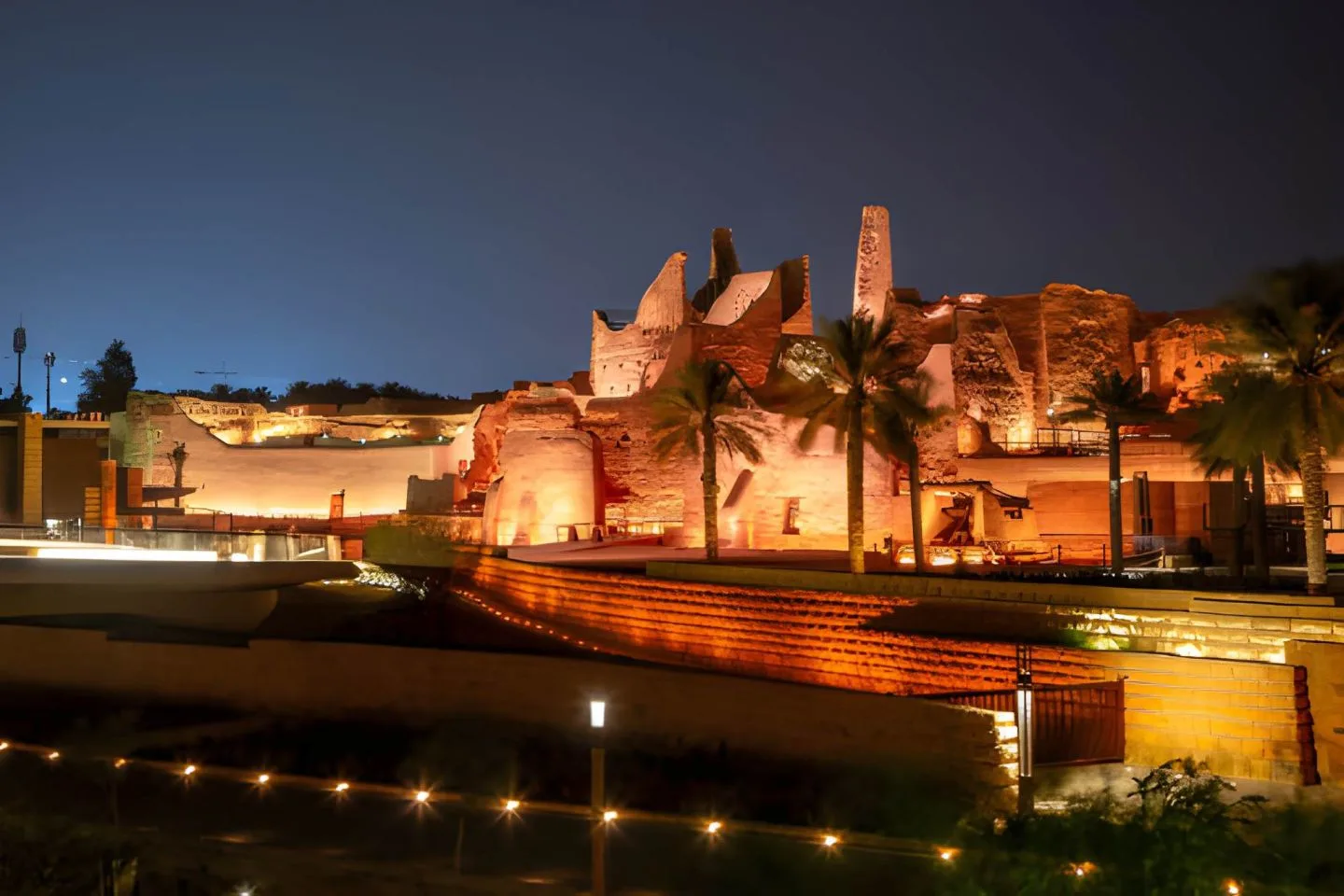
Located in the UNESCO-listed Diriyah district, this museum captures the essence of Saudi Arabia’s beginnings. The exhibits highlight the First Saudi State, the architecture of At-Turaif, and the significance of Diriyah as a cultural and spiritual hub. The museum’s interactive approach makes it an engaging stop for families and travelers eager to connect with the land’s original roots. The surrounding area, with its cafes and scenic pathways, blends history with leisure in perfect harmony.
King Fahad National Library Exhibition Hall
For those drawn to literature and academia, the King Fahad National Library hosts rotating exhibitions that spotlight Saudi literary achievements, manuscripts, and modern publications. It’s a haven for scholars seeking insight into Arabic calligraphy, early publications, and contemporary knowledge exchange. The library’s architectural brilliance and cultural exhibitions make it a cornerstone of intellectual tourism in Riyadh.
Exploring Riyadh Museums: Tips and Experiences
When touring Riyadh museums, timing and preparation make all the difference. Most museums open from morning until late afternoon, with Fridays often having adjusted hours. Dress modestly, stay hydrated, and bring a curiosity-driven mindset. Guided Riyadh Day Tours can enrich your experience, offering historical insights and seamless transportation between attractions. Additionally, travelers can combine city sightseeing with broader cultural itineraries like the 8 Day Private Saudi Arabia Tour to dive deeper into Saudi Arabia’s art, architecture, and heritage.
Frequently Asked Questions About Riyadh Museums
What is the most popular museum in Riyadh?
The National Museum of Saudi Arabia is the most visited and comprehensive museum in Riyadh. It offers an expansive look into the Kingdom’s history, from prehistoric times to the modern era, through interactive exhibits and captivating visuals.
Are Riyadh museums suitable for families and children?
Absolutely. Most Riyadh museums include engaging interactive exhibits, audiovisual displays, and educational workshops. The National Museum and Diriyah Museum, in particular, are family-friendly destinations offering both entertainment and learning.
How can I reach Riyadh’s main museums?
Most major museums are centrally located and accessible by car or taxi. Visitors arriving through Riyadh International Airport can easily find transport options to the city center. Guided Riyadh Day Tours often include museum stops for convenience.
What’s the best time of year to visit Riyadh museums?
The best time to explore Riyadh museums is during the cooler months, from October to March. The pleasant weather allows for outdoor exploration of nearby heritage sites like Diriyah and Masmak Fort without discomfort.
Can I photograph exhibits inside Riyadh museums?
Photography policies vary by museum. While some permit non-flash photography, others restrict it to protect fragile artifacts. Always check signage or ask staff before taking pictures. For remarkable exterior shots, visiting during golden hour offers stunning photo opportunities of Riyadh’s museum architecture.