What Language Is Spoken In Saudi Arabia?
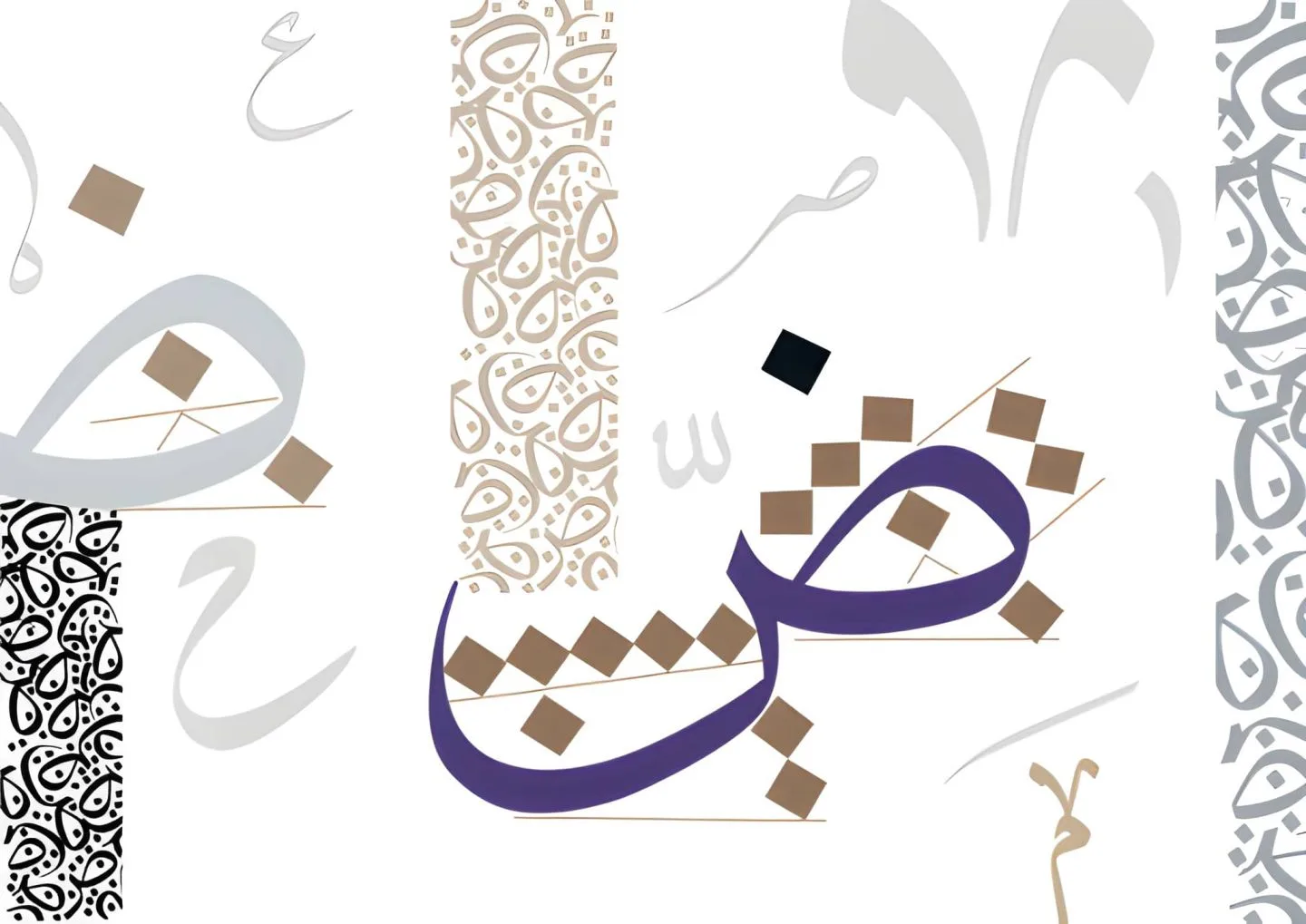
What Language Is Spoken in Saudi Arabia? Exploring the Linguistic Landscape of the Kingdom
Saudi Arabia, a nation steeped in ancient heritage and rapid modernization, stands at the crossroads of tradition and progress. For travelers, business professionals, and culture enthusiasts alike, understanding what language is spoken in Saudi Arabia opens a window into the soul of the Kingdom. The official language, Arabic, is far more than a means of communication—it’s a binding cultural force that unites the nation’s people, reflects their faith, and preserves their identity. From bustling Riyadh to the coastal charm of Jeddah and the spiritual heart of Makkah and Madinah, Arabic echoes in every mosque, market, and moment of daily life.
While Arabic dominates the linguistic landscape, Saudi Arabia’s growing global presence has brought a fascinating blend of languages into its cities and communities. English has become increasingly prominent as the Kingdom welcomes international travelers, expatriates, and investors through its ambitious Vision 2030 initiative. Yet, Arabic remains the heartbeat of Saudi society—integral to religion, governance, education, and everyday expression. Let’s take a deep dive into the language dynamics that shape Saudi Arabia today and discover how they enrich its cultural and social fabric.
The Official Language of Saudi Arabia: Arabic
The official language spoken in Saudi Arabia is Arabic, and it plays a pivotal role in every aspect of national life. It’s the language of the Holy Quran, the government, legal system, and public education. Classical Arabic, also known as Modern Standard Arabic (MSA), is used in formal settings, media broadcasts, and official documents. However, in daily conversations, Saudis typically use a variety of Arabic dialects that differ slightly between regions.
For visitors interested in exploring authentic Saudi experiences such as Saudi Arabia Tours or cultural excursions, learning some basic Arabic phrases can be incredibly rewarding. Not only does it foster deeper connections with locals, but it also enhances understanding of the nation’s values and customs that language so beautifully reflects.
Regional Arabic Dialects in Saudi Arabia
Arabic in Saudi Arabia isn’t monolithic. The Kingdom’s vast geography and deep-rooted tribal history have shaped distinct dialects across regions. In the central region around Riyadh, Najdi Arabic prevails—known for its rhythmic flow and conservative structure. The western region, home to Jeddah, Makkah, and Madinah, features the Hejazi dialect, which exhibits influences from pilgrims and traders from Africa, Asia, and the Middle East. Meanwhile, the eastern province, a hub for the country’s oil industry, reflects Gulf Arabic nuances similar to those spoken in neighboring Bahrain, Qatar, and the UAE.
Travelers embarking on Riyadh Day Tours or visiting the scenic AlUla region may notice subtle variations in tone and vocabulary. These linguistic differences add color and character to Saudi Arabia’s cultural diversity, making each region unique yet interconnected through the unifying thread of Arabic.
The Role of Modern Standard Arabic (MSA)
Modern Standard Arabic serves as the formal version of the Arabic language and is universally understood across the Arab world. In Saudi Arabia, MSA is used in education, media, and government sectors. It’s also the medium of Friday sermons, literature, and national communication. While everyday Saudis might not speak MSA in casual settings, fluency in it signifies education and cultural literacy.
English in Saudi Arabia: The Second Most Commonly Used Language
Though Arabic reigns supreme, English has become an essential secondary language in Saudi Arabia, especially in business, tourism, and higher education. The Kingdom’s global economic partnerships and booming expatriate population have elevated English to a practical necessity. From street signs and airport announcements to universities and corporate offices, English is everywhere.
In major cities like Jeddah and Riyadh, you’ll find English widely spoken in hotels, restaurants, and tourist attractions such as Jeddah Tour Packages and Makkah Day Tours. For expatriates and international visitors, English simplifies navigation, social interactions, and business transactions. Many schools also offer bilingual or English-based curricula to prepare students for global opportunities.
Languages of the Expatriate Community
Saudi Arabia’s expatriate population, totaling millions, has introduced a range of languages into the Kingdom’s urban life. Among the most common are Urdu, Hindi, Tagalog, Bengali, and Malayalam, spoken by workers from South Asia and the Philippines. These languages are often heard in industrial zones, construction sites, and expatriate neighborhoods. Despite the linguistic diversity, Arabic remains the official and most respected language, symbolizing unity and national pride.
The Influence of Religion on Language
Saudi Arabia, as the birthplace of Islam, holds Arabic in profound reverence. The language is the medium of the Quran, Islamic rituals, and religious education. Every practicing Muslim, regardless of nationality, learns basic Arabic phrases for prayer and worship. This spiritual connection reinforces Arabic’s global importance and explains why the language continues to flourish across generations. Pilgrims visiting Makkah and Madinah during Hajj and Umrah often experience this linguistic harmony that transcends borders.
Visitors who take part in Medina Excursions will hear recitations and greetings in classical Arabic, a reminder of the Kingdom’s role as the custodian of Islam’s holiest sites.
Learning and Using Arabic as a Visitor
While English can get you far in urban areas, learning a few Arabic expressions goes a long way in Saudi Arabia. Locals appreciate when foreigners make the effort to greet or thank them in Arabic. Common words like “Marhaba” (hello), “Shukran” (thank you), and “Inshallah” (God willing) are frequently used and convey respect for Saudi culture. For travelers who want to delve deeper into the language, Saudi universities and cultural centers offer Arabic courses for non-natives.
Those planning cultural trips such as AlUla Tours Packages or adventure excursions like Aseer Excursions will find that understanding Arabic terms and expressions enhances their appreciation of the landscape, hospitality, and heritage.
Arabic in Modern Saudi Society
As Saudi Arabia continues to transform under Vision 2030, Arabic remains deeply embedded in the nation’s identity. Government programs actively promote Arabic language preservation through media, literature, and education. Yet, there’s also a growing emphasis on bilingualism, ensuring Saudis can engage globally while staying rooted in their linguistic heritage. The blend of Arabic tradition and English practicality reflects the Kingdom’s balance between faith and modernization.
Technology and Language Integration
Digital communication has brought Arabic to the forefront of technology. The use of Arabic on websites, apps, and social media platforms is rapidly expanding. Saudi youth, in particular, blend Arabic and English seamlessly in online conversations, creating a unique linguistic fusion known informally as “Arabizi.” This hybrid language style reflects the Kingdom’s youthful energy and openness to global influences.
Conclusion: The Heartbeat of Saudi Identity
What language is spoken in Saudi Arabia? The answer, resoundingly, is Arabic—sacred, unifying, and timeless. Yet, the Kingdom’s evolving sociolinguistic landscape reveals an openness to diversity, where English and other expatriate languages coexist harmoniously with the national tongue. This linguistic duality mirrors Saudi Arabia’s broader transformation: honoring tradition while embracing the future. Whether you’re exploring Saudi Arabia Travel Packages or simply engaging with its people, understanding the Arabic language is a gateway to experiencing the Kingdom’s authentic soul.
Frequently Asked Questions About the Language Spoken in Saudi Arabia
1. What is the official language of Saudi Arabia?
The official language of Saudi Arabia is Arabic. It’s used in government, education, religion, and media. Modern Standard Arabic is the formal version employed in official contexts, while regional dialects are used in daily life.
2. Is English widely spoken in Saudi Arabia?
Yes, English is widely spoken, particularly in major cities like Riyadh, Jeddah, and Dammam. It’s commonly used in business, tourism, and higher education. Many road signs, menus, and official forms include English translations.
3. What are the main Arabic dialects spoken in Saudi Arabia?
Saudi Arabia’s main Arabic dialects include Najdi (central), Hejazi (western), and Gulf Arabic (eastern). Each dialect carries distinct accents, vocabulary, and expressions reflecting the country’s cultural diversity.
4. Do expatriates in Saudi Arabia speak Arabic?
Many expatriates learn basic Arabic to navigate daily life, but they often rely on English for communication. Expatriate communities also speak languages such as Urdu, Hindi, Tagalog, and Bengali, depending on their origins.
5. Can tourists get by without speaking Arabic?
Absolutely. English is sufficient for most tourist interactions, especially in hotels, airports, and shopping centers. However, learning simple Arabic greetings and expressions enriches your travel experience and shows cultural respect.