
Al Farid Palace
Al Farid Palace: The Majestic Monolith of AlUla’s Desert Legacy
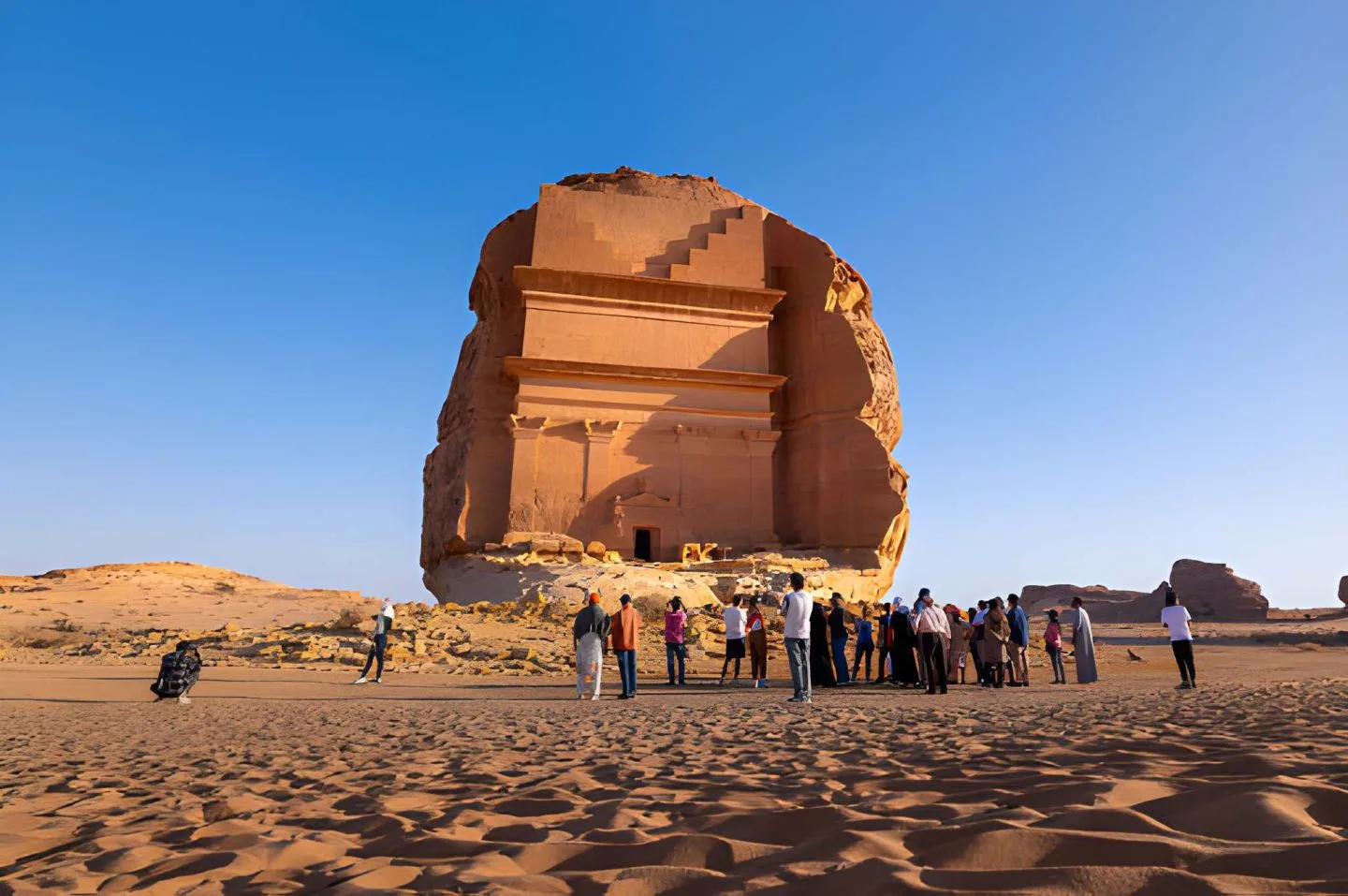
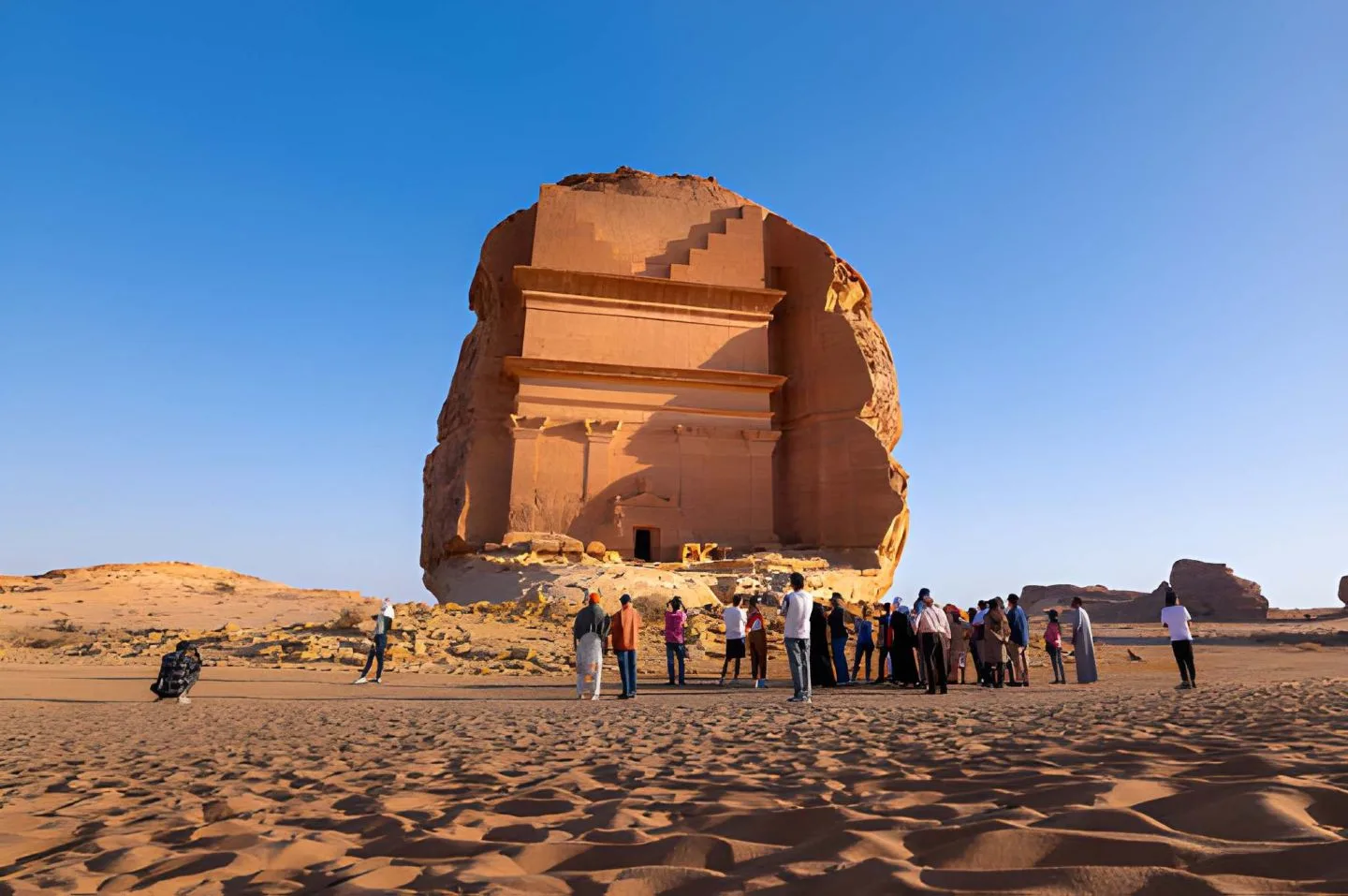
Hidden among the sandstone cliffs of Saudi Arabia’s AlUla region lies a breathtaking monument that commands awe from every visitor—Al Farid Palace, also known as Qasr al-Farid or “The Lonely Castle.” Standing tall in the UNESCO-listed area of Madain Saleh (Hegra), this monumental tomb carved entirely from a single rock encapsulates the sophistication, artistry, and architectural genius of the Nabataean civilization.
It’s not merely a relic of the past; it’s a timeless masterpiece that embodies the mystery and majesty of Arabia’s ancient kingdoms. For travelers exploring the treasures of Saudi Arabia, Al Farid Palace isn’t just a sightseeing stop—it’s a journey into a realm where history whispers through every chisel mark and shadowed crevice.
Al Farid Palace captures the imagination with its isolated stance amid a vast desert plain, earning its title “The Lonely Castle.” The monument’s grandeur lies not only in its immense façade but also in its unfinished state, which offers a rare glimpse into the ancient process of rock-cut architecture.
Towering approximately 22 meters high, the tomb dominates its surroundings, gleaming gold under the desert sun. The Nabataeans, renowned for their advanced engineering and artistry, left behind Al Farid Palace as a silent testimony to their cultural brilliance. Its intricate carvings, precise symmetry, and elegant proportions mirror similar works found in Petra, Jordan—another Nabataean masterpiece.
Travelers embarking on Saudi Arabia Tours often make Al Farid Palace a highlight of their itinerary. This iconic monument exemplifies how Saudi Arabia is emerging as one of the world’s most captivating destinations for cultural tourism, where ancient wonders meet modern exploration. Whether you’re passionate about archaeology, architecture, or adventure, Al Farid Palace beckons you to discover its secrets amid the silence of AlUla’s desert landscape.
The Historical Significance of Al Farid Palace and the Nabataean Civilization
The Nabataeans, a nomadic Arab tribe turned prosperous trading civilization, once controlled the incense routes that linked southern Arabia to the Mediterranean. Al Farid Palace, carved directly into the sandstone of Hegra, represents the pinnacle of Nabataean engineering and artistry.
Dating back nearly two millennia, the palace’s construction began during the first century CE, a period when the Nabataeans reached their cultural zenith. The unfinished state of the structure allows historians to study the methods and tools used by ancient artisans who shaped solid rock into elegant façades.
While Al Farid Palace is a tomb rather than a traditional palace, its grandeur makes it a symbol of prestige and reverence. The Nabataeans believed in an afterlife worthy of architectural splendor, and their tombs reflected their wealth and social standing.
Al Farid’s unmatched size and isolation suggest that it was intended for a high-ranking official or noble. Today, it remains one of the most striking examples of Nabataean funerary art and a centerpiece for Saudi Arabia Travel Packages focused on heritage exploration.
Architectural Features and Design of Al Farid Palace
Al Farid Palace’s façade is a masterpiece of proportion and precision. The tomb features four massive pilasters topped by Nabataean capitals, a finely carved cornice, and a triangular pediment reminiscent of Greco-Roman influence. This fusion of cultural styles reveals how the Nabataeans absorbed architectural inspirations from the civilizations they traded with—Greeks, Romans, and Egyptians—yet adapted them to their desert environment. What truly sets Al Farid apart is its unfinished lower section, exposing raw sandstone that contrasts vividly with the detailed upper carvings. This duality offers both mystique and educational insight, unveiling how ancient craftsmen shaped rock from top to bottom.
Visitors often compare the monument to Petra’s iconic Treasury, yet Al Farid stands distinct in its solitude. Unlike clustered tombs, this one stands alone, amplifying its aura of majesty and mystery. The intricate details, symmetry, and monumental scale make it a favorite among Photography Spots Saudi enthusiasts who crave the perfect shot under shifting light.
Al Farid Palace’s Location in Madain Saleh (Hegra)
Located within the archaeological marvel of Madain Saleh (Hegra), Al Farid Palace forms part of Saudi Arabia’s first UNESCO World Heritage Site. The area, about 20 kilometers north of AlUla, was once a thriving Nabataean city filled with residential quarters, wells, and hundreds of elaborately carved tombs.
The strategic location of Hegra made it a vital stop along ancient caravan routes. Today, visiting Al Farid Palace offers a powerful glimpse into the intersection of commerce, culture, and spirituality that defined the Nabataean era.
Tourists arriving via AlUla International Airport can easily access the site and experience guided tours that reveal the fascinating stories behind each monument. The peaceful desert backdrop, combined with the site’s archaeological depth, makes it one of the most unforgettable travel experiences in the Kingdom.
The Artistic Craftsmanship Behind Al Farid’s Carvings
The artisans who sculpted Al Farid Palace exhibited precision that continues to astonish modern architects. Each chisel stroke reveals intimate knowledge of stone texture and resilience. The upper façade includes decorative bands and motifs, possibly symbolizing divine protection or social hierarchy.
The tomb’s layout, though unfinished, demonstrates meticulous planning—proof that Nabataean builders worked systematically using geometric and mathematical principles. Scholars suggest the monument’s incomplete state might have been due to the patron’s death or shifting political circumstances.
Regardless, the craftsmanship immortalized in Al Farid’s upper façade stands as a triumph of human ingenuity in the harsh desert environment of AlUla.
Comparing Al Farid Palace with Other Nabataean Monuments
While Al Farid Palace remains one of the most impressive single-rock monuments in the region, it’s part of a broader Nabataean legacy that includes sites like Dadan and Jabal Ikmah. Compared to Petra’s Treasury, Al Farid’s isolated grandeur captures a deeper sense of solitude and timelessness.
The “lonely” nature of this monument mirrors the Nabataeans’ relationship with the desert—resilient, independent, and harmoniously attuned to nature. Its captivating form continues to inspire architects, historians, and travelers alike, offering a bridge between Arabia’s ancient past and its rapidly modernizing present.
Visiting Al Farid Palace: What to Expect
Visiting Al Farid Palace is a sensory journey through time. As dawn breaks, the sandstone glows with hues of gold and rose, while evening casts long shadows that emphasize its majestic contours.
Guided tours typically commence early morning to avoid the midday heat and to capture the best light for photography. Travelers should wear comfortable clothing, carry water, and prepare for a short walk across sandy terrain. The silence surrounding the monument creates a meditative atmosphere—perfect for reflecting on the magnificence of ancient civilizations.
After exploring Al Farid, visitors can discover nearby attractions such as the mirrored Maraya Theatre, the spiritual Elephant Rock, and the natural beauty of Sharaan Nature Reserve. Together, these attractions highlight AlUla’s balance between heritage preservation and eco-tourism innovation, making it a must-see for modern explorers.
Best Time to Visit Al Farid Palace
The ideal time to visit Al Farid Palace is between October and April, when temperatures are mild and the skies are clear. The cooler months make desert exploration pleasant, while the softer light enhances the natural color of sandstone formations.
Evening tours provide a dramatic backdrop for stargazing—a fitting way to end a day immersed in the mysteries of ancient Arabia. Many travelers align their visit with cultural festivals held in AlUla, which blend art, music, and history into one unforgettable experience.
Tips for Exploring Al Farid and the Surrounding Heritage Sites
To make the most of your trip, consider booking guided excursions that combine Al Farid Palace with nearby monuments such as Old Town AlUla and Dadanite and Lihyanite Kingdoms. Expert guides offer cultural insights that enrich the experience, revealing how AlUla evolved from an ancient trading hub into a modern cultural destination.
Combining visits with lodging in eco-luxury resorts enhances comfort while preserving the authenticity of your Arabian adventure.
The Cultural and Tourism Impact of Al Farid Palace
Al Farid Palace has become a symbol of Saudi Arabia’s cultural renaissance. As the Kingdom opens its doors to international tourism, heritage landmarks like this serve as anchors of identity and pride.
The preservation efforts led by the Royal Commission for AlUla have ensured that visitors can safely explore the site while respecting its archaeological integrity.
Through curated programs and sustainable tourism initiatives, Al Farid now stands at the crossroads of history and innovation, representing both ancient glory and future promise.
Its inclusion in heritage-based itineraries underscores Saudi Arabia’s commitment to celebrating its past. Travelers captivated by historical treasures often expand their journey to other cultural landmarks like Murabba Palace or the iconic Palaces of Saudi Arabia collection, immersing themselves in the country’s royal and architectural legacy.
Frequently Asked Questions About Al Farid Palace
What is Al Farid Palace?
Al Farid Palace, also known as Qasr al-Farid, is a monumental Nabataean tomb carved from a single sandstone cliff in AlUla, Saudi Arabia. It’s renowned for its immense size, intricate carvings, and isolated location within the UNESCO World Heritage Site of Madain Saleh (Hegra).
Why is it called 'The Lonely Castle'?
The name “The Lonely Castle” comes from its solitary position in the desert. Unlike other clustered tombs in Hegra, Al Farid stands alone, amplifying its grandeur and mystique against the vast Arabian landscape.
When was Al Farid Palace built?
Archaeologists estimate that Al Farid Palace was constructed in the first century CE, during the height of the Nabataean civilization’s prosperity. Its unfinished base suggests construction was halted abruptly, leaving a rare glimpse into ancient stone-cutting techniques.
How can visitors reach Al Farid Palace?
Visitors can reach Al Farid Palace via AlUla, with direct access from AlUla International Airport. The site is accessible through organized tours that ensure preservation and safety while providing expert insights into its history.
What makes Al Farid Palace important to Saudi tourism?
Al Farid Palace is a key attraction in Saudi Arabia’s expanding heritage tourism sector. It symbolizes the country’s commitment to preserving ancient civilizations and showcases the artistic brilliance of the Nabataeans. Its striking beauty and historical depth make it a cornerstone of cultural discovery in AlUla.