
Jabal Ikmah
Jabal Ikmah: The Open Library of Ancient Arabia Carved in Stone
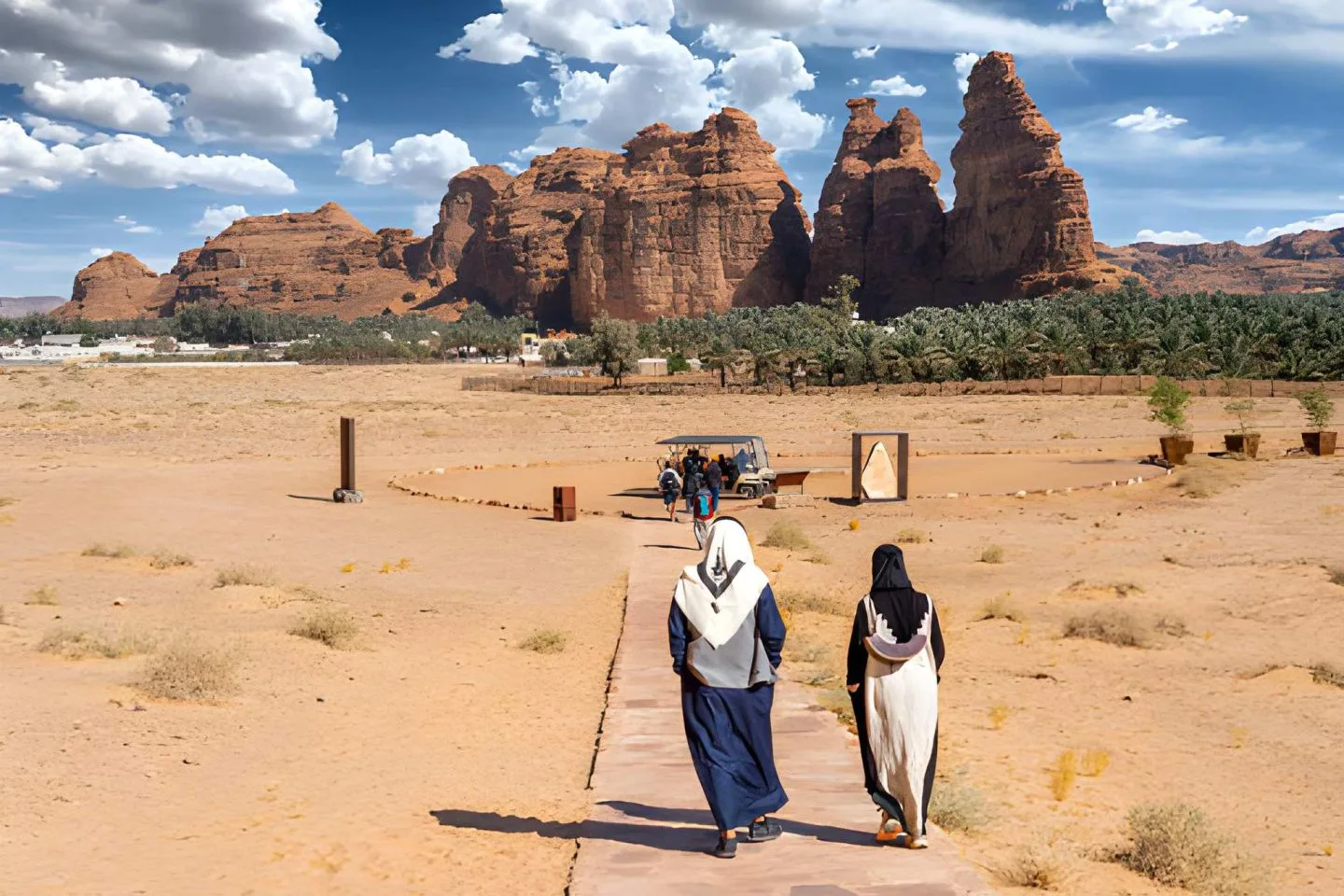
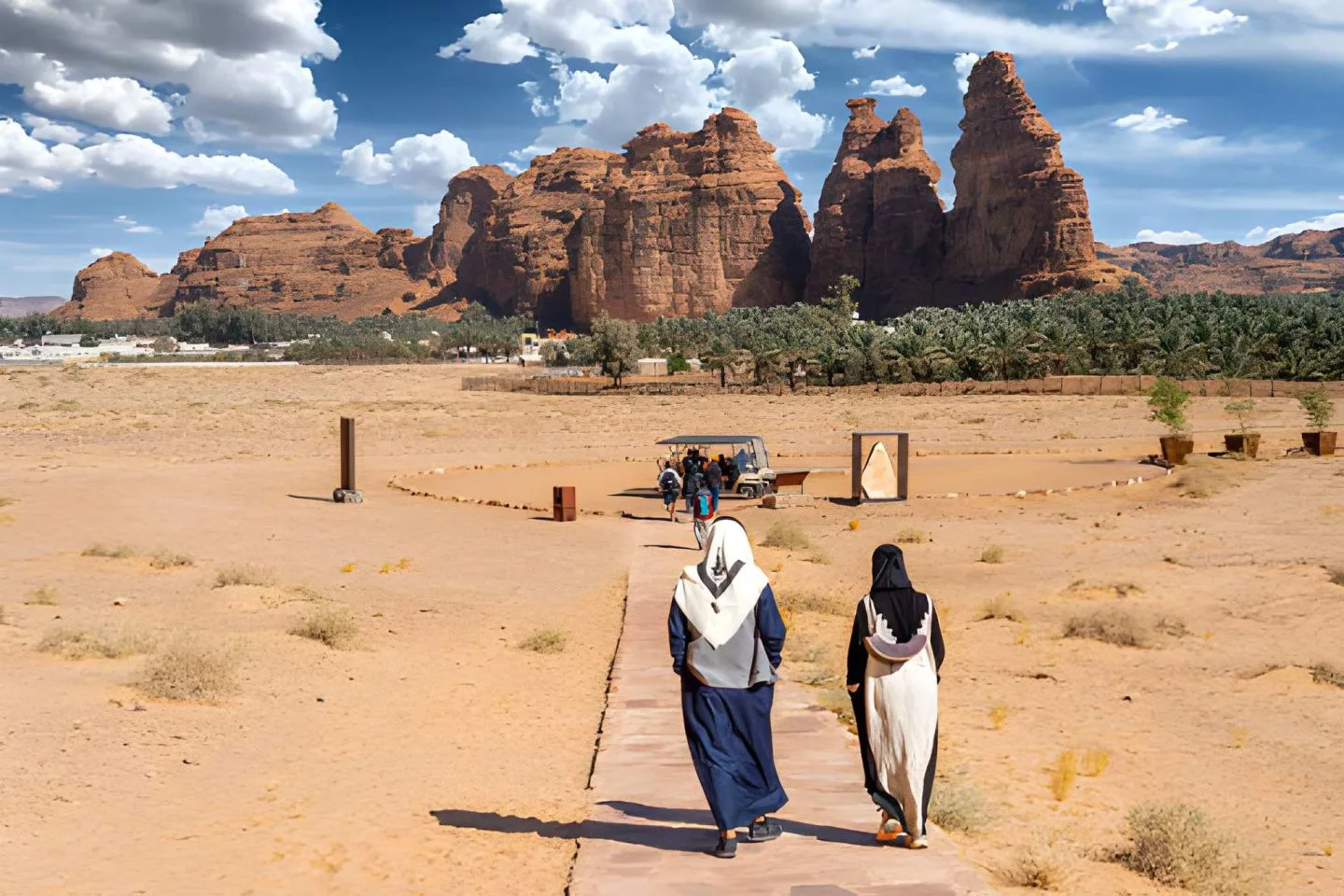
Hidden amid the magnificent landscape of AlUla in northwestern Saudi Arabia, Jabal Ikmah rises as a monumental chronicle etched into sandstone cliffs. Known as the 'open library of Arabia,' this extraordinary heritage site holds thousands of inscriptions and carvings, revealing the spiritual, political, and cultural life of the ancient civilizations that thrived here.
Jabal Ikmah isn’t just a mountain—it’s a time capsule, a sacred archive where the voices of the Dadanite and Lihyanite kingdoms still echo through millennia. For travelers hungry for authentic cultural immersion, Jabal Ikmah offers a rare glimpse into a forgotten world, where language, trade, and faith converged under the blazing Arabian sun.
Located near the ancient city of Dadan—once a bustling capital of Arabia’s early civilizations—Jabal Ikmah is now recognized as one of Saudi Arabia’s most important archaeological treasures.
Its towering rock faces are etched with more than 500 inscriptions in early Arabic, Aramaic, and Thamudic scripts. More than a tourist attraction, the mountain stands as a living museum, preserving priceless evidence of human progress, faith, and artistry.
The inscriptions detail rituals, laws, and prayers, offering unparalleled insight into how ancient Arabs perceived life, death, and divinity. As Saudi Arabia opens its doors to global explorers through visionary initiatives like Saudi Arabia Travel Packages, Jabal Ikmah stands tall as an essential stop for those eager to understand the roots of Arabian civilization.
Where History Meets Stone: The Geographic and Cultural Significance of Jabal Ikmah
Jabal Ikmah lies within the AlUla region—an area famed for its dramatic desert landscapes, oases, and archaeological wonders like Madain Saleh (Hegra). The site once formed part of an ancient trade route connecting southern Arabia to the Levant and Mesopotamia. Caravans laden with spices, incense, and gold passed through these valleys, leaving behind a legacy of cultural exchange and linguistic evolution.
The carvings on Jabal Ikmah’s walls serve as a silent record of that golden era when AlUla was a crossroads of commerce and spirituality. Today, its weathered rock faces continue to whisper stories of devotion, governance, and artistry to those who pause to listen.
For centuries, the mountain has been revered by locals as a sacred place. The abundance of script and symbolic carvings suggests that Jabal Ikmah functioned as both a spiritual sanctuary and a communal archive.
Each inscription captures a moment—a decree, a dedication, or a plea to the gods—transforming the cliffs into a dialogue between mortals and deities. In essence, Jabal Ikmah became the parchment upon which ancient Arabs recorded their existence.
The Dadanite and Lihyanite Legacy Carved in Jabal Ikmah
Central to understanding Jabal Ikmah is the legacy of the Dadanite and Lihyanite Kingdoms. Between the 6th and 2nd centuries BCE, these civilizations flourished in the AlUla Valley, transforming it into a hub of governance and culture. The Dadanite people erected temples and monumental tombs, while their successors, the Lihyanites, expanded the kingdom’s reach across northwestern Arabia.
Their influence is immortalized on the sandstone panels of Jabal Ikmah where names of kings, laws, and dedications to deities like Dhu Ghabat are inscribed in minute detail. Scholars believe these inscriptions served administrative, religious, and ceremonial purposes, embodying the governance and spirituality of a society at its peak.
Archaeological Discoveries That Redefined Arabian History
Recent excavations in and around Jabal Ikmah have dramatically redefined our understanding of pre-Islamic Arabia. Archaeologists have uncovered the most extensive collection of early North Arabian inscriptions in the world here.
These discoveries, often featured in research about the latest archaeological discoveries in Saudi Arabia, reveal how the Dadanite and Lihyanite communities structured their societies, traded with distant lands, and worshipped their gods. What’s fascinating is how these texts reveal the transition from polytheism to monotheism, offering a rare window into the shifting spiritual landscape of Arabia long before Islam emerged.
Jabal Ikmah and the Linguistic Evolution of Arabia
The inscriptions at Jabal Ikmah are more than artistic expressions—they’re linguistic milestones. They showcase the evolution of ancient scripts such as Lihyanite and Thamudic, precursors to the Arabic language used today.
For historians and philologists, these carvings provide invaluable material for studying the development of written communication in the Arabian Peninsula. Each line scratched into stone represents an early attempt at codifying language, bridging oral tradition and literacy. This makes Jabal Ikmah a cornerstone in the broader narrative of human communication.
Tourism, Preservation, and the Cultural Revival of Jabal Ikmah
As Saudi Arabia intensifies its commitment to cultural preservation through projects like Vision 2030, Jabal Ikmah has become a centerpiece for sustainable tourism. Managed with care by the Royal Commission for AlUla, the site blends ancient heritage with modern accessibility.
Visitors can explore the cliffs via guided tours that contextualize the inscriptions within the story of Arabia’s earliest civilizations. For those venturing into AlUla’s majestic terrain, other nearby attractions such as Maraya Theatre and Elephant Rock complement the experience by merging art, nature, and heritage.
Why Jabal Ikmah Is a Must-Visit Destination in AlUla
In an age where travelers crave authenticity, Jabal Ikmah offers a profound connection to humanity’s past. Unlike polished museums, this open-air library invites visitors to stand inches away from inscriptions carved over two thousand years ago. You can trace the grooves left by ancient hands and feel the pulse of history in every shadow and chisel mark.
It’s no wonder the site is a magnet for archaeologists, historians, and adventure seekers alike. As part of curated Saudi Arabia Tours, Jabal Ikmah serves as both a spiritual and educational highlight, bridging the ancient and modern worlds seamlessly.
Moreover, the mountain’s setting—surrounded by palm oases and dramatic rock formations—creates an atmosphere of serenity and reflection. The contrast between harsh desert cliffs and the delicate artistry of the inscriptions reflects the resilience and creativity of early Arabian societies.
Visiting Jabal Ikmah isn’t just a sightseeing activity; it’s a pilgrimage through time, a chance to witness the earliest expressions of human intellect and faith carved into the earth itself.
Preserving the Heritage for Future Generations
Preservation efforts at Jabal Ikmah involve innovative digital mapping and conservation practices, ensuring the fragile carvings withstand erosion and modern environmental pressures. Local guides, trained in archaeology and heritage management, enrich the visitor experience by interpreting the stories behind the carvings.
The site’s protection also aligns with Saudi Arabia’s broader initiative to promote cultural tourism responsibly. As more travelers explore the country through top things to do in Saudi Arabia, Jabal Ikmah stands as a symbol of how heritage and hospitality can coexist harmoniously.
How to Reach Jabal Ikmah and What to Expect
Accessing Jabal Ikmah is relatively straightforward thanks to infrastructural developments around AlUla. The site lies approximately 15 kilometers north of the city center and is easily reachable via car or guided day tours. Visitors typically fly into AlUla International Airport, which connects to major Saudi cities.
Once at the site, expect a blend of outdoor exploration and cultural immersion. Comfortable walking shoes, sun protection, and hydration are must-haves, especially for travelers coming during hotter months. Those seeking a holistic experience often combine their visit to Jabal Ikmah with nearby heritage destinations such as Old Town AlUla or the scenic Harrat Uwayrid viewpoint, which offers sweeping panoramas of the valley below.
When Is the Best Time to Visit Jabal Ikmah?
The ideal time to explore Jabal Ikmah is between October and March, when temperatures are milder. The cool desert air, combined with golden afternoon light, enhances the visibility of carvings and makes exploration comfortable.
Early mornings and late afternoons are particularly magical, as shadows dance across the rocks, bringing the inscriptions to life. For travelers planning seasonal adventures, consulting a resource like Best Time to Visit Saudi Arabia ensures optimal timing and an unforgettable journey.
The Timeless Allure of Jabal Ikmah
In a world relentlessly moving forward, Jabal Ikmah invites us to pause and look back. Its inscriptions remind us that humanity’s desire to communicate, record, and seek meaning is timeless. Whether you’re an archaeologist unearthing history or a traveler chasing authenticity, Jabal Ikmah leaves an indelible mark on your memory.
It’s a humbling testament to human perseverance—etched not on parchment, but in stone that has endured the weight of centuries. As Saudi Arabia redefines its tourism identity, Jabal Ikmah stands as a shining emblem of its ancient roots and modern vision.
Frequently Asked Questions About Jabal Ikmah
What is Jabal Ikmah famous for?
Jabal Ikmah is renowned for its extensive collection of ancient inscriptions, often called the 'open library of Arabia.' These carvings record prayers, laws, and dedications left by the Dadanite and Lihyanite civilizations, offering deep insight into early Arabian culture and language.
Where is Jabal Ikmah located?
Jabal Ikmah is situated near the city of AlUla in northwestern Saudi Arabia. It lies close to the archaeological sites of Dadan and Hegra, both key heritage destinations in the region’s historical landscape.
How old are the inscriptions at Jabal Ikmah?
The inscriptions date back more than 2,000 years, primarily from the Dadanite and Lihyanite periods between the 6th and 2nd centuries BCE. They represent some of the earliest known writing systems in the Arabian Peninsula.
Can tourists visit Jabal Ikmah?
Yes, Jabal Ikmah is open to visitors year-round. Travelers can join guided tours that provide historical context and ensure the preservation of this fragile heritage site. Access is managed responsibly to protect the inscriptions from environmental damage.
What other attractions are near Jabal Ikmah?
Nearby attractions include Madain Saleh (Hegra), Old Town AlUla, and Maraya Theatre. Each offers a unique perspective on the region’s ancient and modern cultural evolution, making AlUla one of Saudi Arabia’s most captivating destinations.