Camping Rules Saudi
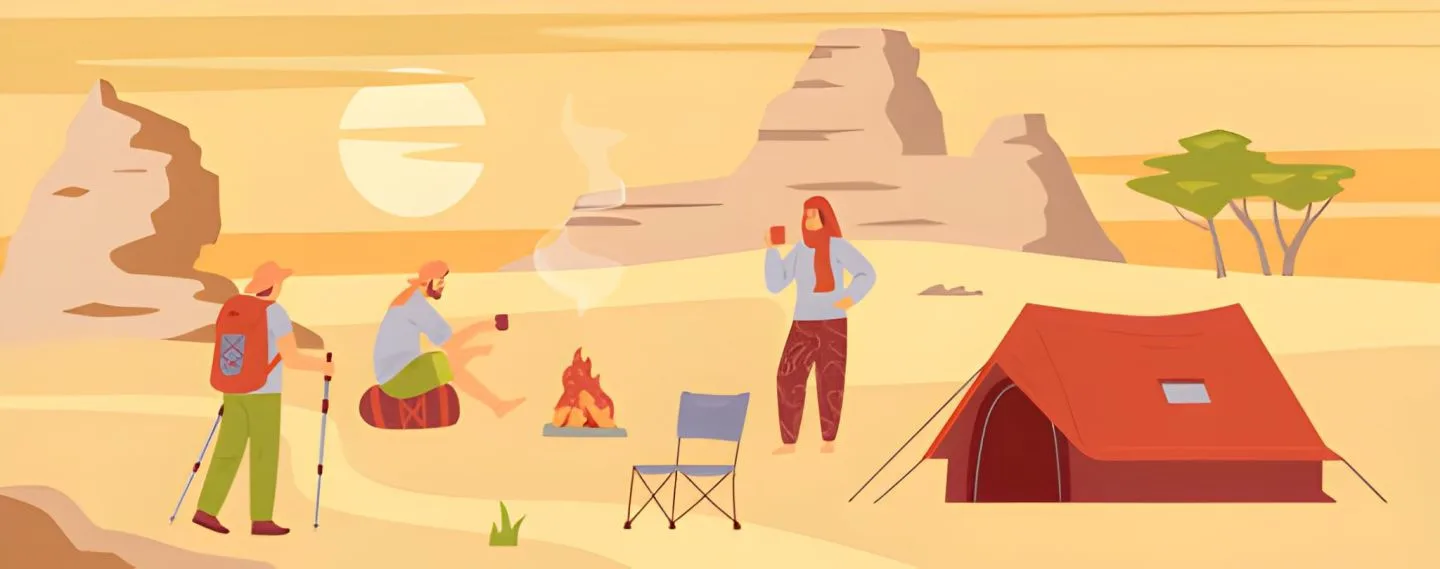
Essential Camping Rules in Saudi Arabia: A Complete Guide for Outdoor Enthusiasts
Camping in Saudi Arabia is more than a simple outdoor activity—it’s an immersive journey into nature, culture, and tranquility. The kingdom’s vast deserts, mountain ranges, and coastal plains offer some of the most unique camping experiences in the world. Yet, understanding the camping rules in Saudi Arabia is crucial for safety, respect for the environment, and compliance with national regulations. Whether you’re pitching your tent near AlUla’s majestic rock formations or stargazing at the dunes outside Riyadh, adhering to Saudi camping laws ensures a memorable and responsible adventure. With tourism booming and eco-conscious travel gaining momentum, the government has laid out strict yet welcoming guidelines to preserve the natural heritage while promoting sustainable outdoor recreation. From waste management to campfire restrictions and respectful conduct, every detail matters. Let’s explore the essential Saudi camping regulations that every adventurer should know before setting out on their next wilderness escape.
Understanding Legal Camping Areas and Permits
Before setting up camp, it’s vital to know where camping is allowed. In Saudi Arabia, designated camping zones are usually found in national parks, desert reserves, and remote coastal stretches. Unauthorized camping on private property or restricted land can lead to fines or removal by authorities. Visitors planning extended stays near heritage sites like Madain Saleh (Hegra) or protected areas such as Sharaan Nature Reserve must secure permits from the relevant environmental or tourism offices. When camping within urban proximity—say, near Riyadh’s famous Edge of the World—it’s essential to verify whether overnight stays are allowed. Always carry identification, vehicle registration, and your camping authorization documents to avoid any inconvenience.
Environmental Protection and Waste Disposal
Saudi Arabia takes environmental preservation very seriously. Campers must follow a strict 'leave no trace' policy—everything you bring in, you must take out. Littering in deserts, wadis, or beaches can lead to heavy penalties, and authorities monitor popular sites like Wadi Disah and Hisma Desert for compliance. Eco-friendly camping practices are encouraged, such as using reusable utensils, minimizing plastic use, and collecting greywater responsibly. Fires should be contained in portable fire rings or grills, and ashes must be cooled and packed out once done. Preserving Saudi Arabia’s delicate ecosystems means being a responsible camper who respects both the land and wildlife.
Respecting Cultural Norms and Local Communities
Saudi Arabia’s rich cultural heritage calls for deep respect when camping near inhabited or historical zones. Loud music, public displays of affection, and inappropriate clothing are not tolerated. Campers should dress modestly, especially when visiting nearby villages or towns. If camping close to heritage areas such as Old Town AlUla or AlJadidah Arts District, maintaining a quiet and respectful presence is key. Avoid photographing people without permission and never damage cultural or archaeological landmarks. Respect for Saudi customs ensures not only compliance with the law but also enriches your overall travel experience.
Fire Safety, Barbecues, and Cooking Regulations
Campfires are part of the charm of camping, but they must be handled responsibly. The Ministry of Environment, Water, and Agriculture restricts open fires during windy seasons and prohibits firewood collection from protected areas. Instead, bring your own approved firewood or portable gas stoves. Always extinguish flames completely before leaving the site. Cooking meat or traditional Saudi dishes outdoors, such as kabsa or grilled camel meat, is a cherished experience, but it must follow safety protocols. Barbecues should be conducted in designated areas away from dry grass or shrubs, and used charcoal should be disposed of properly.
Wildlife Protection and Interaction Guidelines
Saudi Arabia’s wildlife reserves, including Wildlife Reserves Saudi, are home to gazelles, Arabian oryx, and desert foxes. Feeding or approaching wild animals is strictly prohibited. Human food disrupts their natural diet and behavior. Campers should store all food securely and seal garbage to prevent attracting animals. Photography enthusiasts must use proper zoom lenses instead of approaching wildlife directly. Disturbing nesting sites or removing plants from protected zones is a punishable offense under Saudi environmental law.
Safety Rules and Emergency Preparedness
Camping in Saudi Arabia’s extreme environments requires preparation and awareness. Always inform someone about your camping location and expected return time. Carry sufficient water, especially when exploring arid areas like the Empty Quarter or the dunes south of Riyadh. GPS navigation, satellite communication, and a first-aid kit are essential. In mountainous regions such as Asir, where temperatures can plummet at night, pack adequate blankets and cold-weather gear. The government encourages campers to monitor weather forecasts and follow evacuation protocols in case of flash floods or sandstorms. Joining an organized group adventure through Saudi Arabia Day Tours or Saudi Arabia Travel Packages adds an extra layer of safety and convenience.
Camping Equipment and Vehicle Compliance
All camping vehicles must adhere to Saudi safety regulations. Ensure your 4x4 is in top condition, equipped with recovery tools, spare tires, and sufficient fuel. Drones, while popular for capturing Saudi Arabia’s surreal landscapes, require prior approval from the General Authority for Civil Aviation. Unauthorized drone use near restricted zones can lead to confiscation or legal issues. Portable generators and sound systems must comply with noise limits, especially at night. Always prioritize safety and respect for others sharing the wilderness with you.
Popular Camping Destinations and Rule Variations
Different regions across Saudi Arabia have varying camping regulations. For instance, Aseer Excursions often require environmental permits, while desert camping around Jeddah or the Red Sea coast near Best Beaches Saudi Arabia may have additional fire and fishing restrictions. The northern Tabuk region’s Wadi Disah and southern Abha’s Jabal Al Soudah are particularly sought after by adventure seekers. Always check local tourism boards or licensed tour operators for current rules before venturing into these regions.
Eco-Friendly and Sustainable Camping Practices
Sustainability is at the heart of modern Saudi tourism. Campers are encouraged to use biodegradable products, rely on solar-powered lights, and avoid disposable plastics. Refillable water containers, compostable toiletries, and reusable utensils are not just environmentally friendly—they align with the national vision for a greener future. Participating in local clean-up initiatives or guided eco-camps like those offered in Alula Day Tours enhances awareness about preserving Saudi’s fragile desert ecosystems while promoting responsible tourism.
Penalties for Violating Camping Rules in Saudi Arabia
Violations of camping regulations can result in fines, confiscation of equipment, or even legal action. Common infractions include littering, unauthorized campfires, and disturbing wildlife. Foreign visitors should also remember that alcohol and prohibited substances are strictly banned across the country. Following all camping rules in Saudi Arabia not only keeps you safe but also contributes to maintaining the pristine beauty that makes the kingdom’s landscapes so captivating.
Frequently Asked Questions About Camping Rules in Saudi Arabia
Is wild camping allowed in Saudi Arabia?
Wild camping is permitted in many remote areas, but it’s advisable to stick to designated zones. Always check with local authorities or tour operators like Saudi Arabia Tours for updated restrictions.
Do I need a permit to camp in the desert?
For short-term recreational trips, permits aren’t always required. However, areas near protected reserves or archaeological sites do require official permission from environmental agencies.
Are campfires allowed anywhere in Saudi Arabia?
Campfires are permitted only in designated zones and must be fully extinguished before leaving. In some desert regions, open fires are banned during dry seasons to prevent wildfires.
What should I wear while camping in Saudi Arabia?
Modest clothing is essential. Both men and women should avoid revealing attire. Lightweight, breathable fabrics are ideal for daytime, while warmer layers are recommended for cooler nights.
What’s the best time of year for camping in Saudi Arabia?
The most pleasant months for camping are between October and March, when temperatures are cooler and desert winds are mild. For detailed seasonal advice, check the Best Time To Visit Saudi Arabia guide.
Are there family-friendly camping options?
Absolutely. Many areas like Asir, Al Baha, and AlUla offer safe, scenic campsites perfect for families. For structured itineraries, browse the Family Travel In Saudi Arabia guide.
Final Thoughts on Camping Rules Saudi Arabia
Camping in the Kingdom is a magical way to explore its natural and cultural wonders, but it demands awareness, respect, and responsibility. Following the camping rules in Saudi Arabia not only ensures compliance but also helps preserve the kingdom’s breathtaking landscapes for generations to come. So pack wisely, respect the land, and let the vast Saudi wilderness offer you a night under the stars you’ll never forget.