Unesco Sites Saudi
Unesco World Heritage Sites in Saudi Arabia: A Journey Through Time and Culture
Saudi Arabia’s UNESCO World Heritage Sites showcase an extraordinary blend of history, heritage, and natural beauty that reflects the Kingdom’s deep-rooted cultural legacy. From the sandstone tombs of the Nabataean kingdom in AlUla to the mud-brick architecture of Diriyah, these sites stand as proud emblems of human creativity and resilience. They tell stories of ancient civilizations, trade routes, and cultural exchanges that shaped the Arabian Peninsula for millennia. Whether you’re an avid historian, a cultural explorer, or a curious traveler seeking authenticity, Saudi Arabia’s UNESCO treasures promise experiences that are as enlightening as they are breathtaking.
The Kingdom’s dedication to preserving its heritage aligns with Vision 2030’s broader goals of enhancing cultural tourism and opening the country to global audiences. Each site offers unique insights into the evolution of Arabian identity — from the prehistoric rock art in Hail to the vibrant coral architecture of Jeddah’s Al-Balad district. To explore these remarkable destinations, many travelers opt for specialized Saudi Arabia Tours that combine heritage discovery with modern comfort, giving visitors a chance to experience history firsthand. Prepare to uncover awe-inspiring narratives carved into stone and preserved through centuries of human devotion.
Hegra Archaeological Site (Madain Saleh): The Jewel of AlUla
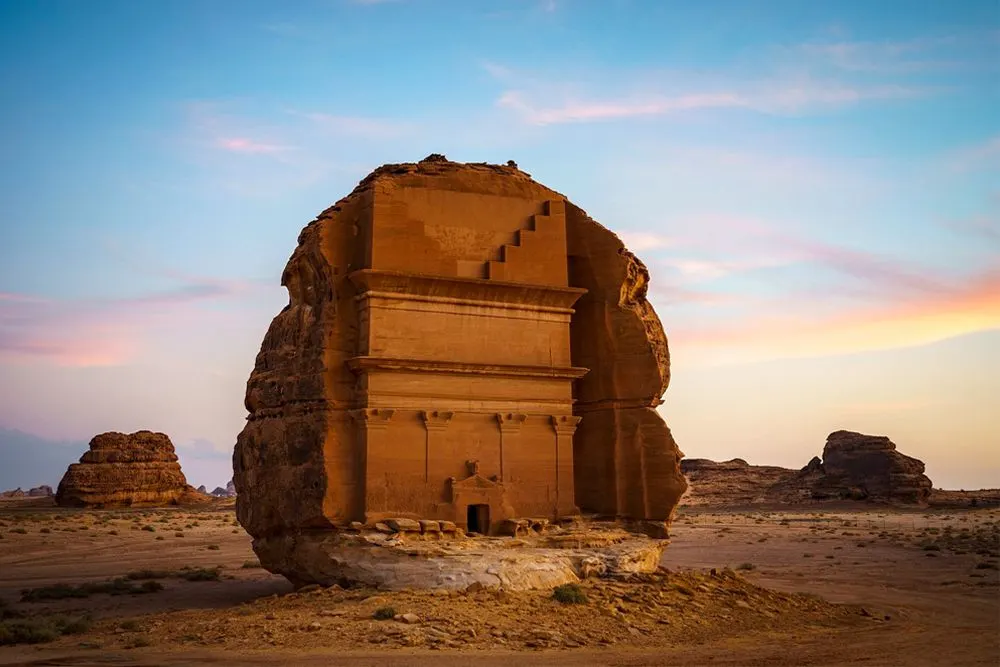
The first UNESCO World Heritage Site in Saudi Arabia, Madain Saleh, also known as Hegra, is a masterpiece of ancient Nabataean civilization. Dating back to the 1st century CE, Hegra boasts over 100 monumental rock-cut tombs, intricately carved into rose-colored sandstone cliffs. Much like Petra in Jordan, it served as a critical stop along the incense trade route linking Arabia to the Mediterranean world. The exquisite facades and inscriptions reveal a sophisticated society that thrived on trade, engineering, and cultural exchange.
Visitors exploring Hegra can also discover nearby wonders such as Jabal Ikmah, often dubbed the “open library” of Arabia, filled with thousands of inscriptions chronicling early civilizations. Combine your archaeological adventure with an Alula Day Tour to witness the region’s vast desert landscapes, ancient ruins, and modern art installations at Maraya Theatre.
At-Turaif District in Diriyah: The Birthplace of the Saudi State
Situated northwest of Riyadh, the At-Turaif District stands as a symbol of Saudi Arabia’s unification and its emergence as a global power. Founded in the 15th century, this historic mud-brick settlement became the seat of the first Saudi dynasty in the 18th century. Its distinctive Najdi architectural style, characterized by geometric patterns and earthen walls, reflects a perfect harmony between form and function in a harsh desert environment.
Walking through At-Turaif’s alleys feels like stepping back in time, where every corner whispers stories of royal power, diplomacy, and faith. Visitors can enrich their experience with a Riyadh Day Tour that includes must-see attractions like the Masmak Fort and the National Museum of Saudi Arabia, offering context to the Kingdom’s incredible transformation.
Historic Jeddah, the Gate to Makkah
Declared a UNESCO World Heritage Site in 2014, Historic Jeddah (Al-Balad) captures the cosmopolitan spirit of the Red Sea’s ancient port city. For centuries, it served as the main gateway for Muslim pilgrims traveling to Makkah and Medina. The district’s coral-stone buildings, intricately carved wooden balconies, and narrow lanes showcase the architectural ingenuity born from maritime trade and multicultural influences.
Exploring Al-Balad reveals treasures like Nasif House and the vibrant Jeddah Day Tours & Excursions that guide travelers through this living museum. The juxtaposition of ancient mosques, art galleries, and bustling souqs creates an atmosphere where history meets modern vibrancy.
Rock Art of the Hail Region: Echoes of Prehistoric Arabia
Deep in northern Saudi Arabia lies the Hail region, home to incredible petroglyphs that earned UNESCO recognition in 2015. The rock art sites at Jubbah and Shuwaymis feature thousands of carvings depicting humans, animals, and hunting scenes dating back more than 10,000 years. These illustrations provide invaluable insight into prehistoric life and the environmental transformations that shaped ancient Arabia.
Today, Hail’s rugged landscapes attract adventure travelers seeking off-the-beaten-path exploration. Pair your visit with a Saudi Arabia Travel Package to experience the diversity of the country’s natural and historical wonders all in one journey.
Al-Ahsa Oasis: The Green Heart of the Desert
The vast Al-Ahsa Oasis, inscribed as a UNESCO site in 2018, is the world’s largest oasis, covering over 85.4 square kilometers. Its lush palm groves, natural springs, and historic canals have sustained human life for over 5,000 years. Al-Ahsa not only represents a marvel of sustainable desert agriculture but also holds significant archaeological sites, fortresses, and traditional villages that illustrate continuous human adaptation.
Travelers often find Al-Ahsa’s contrast between fertile greenery and surrounding desert mesmerizing. The oasis symbolizes harmony between man and nature, making it a must-visit stop for those intrigued by Saudi Arabia’s ecological and cultural resilience.
Hima Cultural Area: Ancient Messages in Stone
Recognized by UNESCO in 2021, the Hima Cultural Area in the Najran region stands as one of the most extensive rock art complexes in the Arabian Peninsula. Its engravings, which span 7,000 years, depict hunting expeditions, warriors, and animals, reflecting the evolution of social and spiritual life in early Arabia. Thousands of inscriptions in different ancient languages provide an anthropological treasure trove for researchers and travelers alike.
Hima’s untouched desert terrain offers a surreal backdrop for photography and exploration. For a holistic itinerary that includes Hima and other highlights, consider the 10 Day Private Luxury Saudi Arabia Tour, blending cultural immersion with sophisticated comfort.
Preserving Saudi Arabia’s UNESCO Legacy
Saudi Arabia’s commitment to conservation ensures that its UNESCO World Heritage Sites continue to inspire future generations. Through innovative restoration projects, educational initiatives, and sustainable tourism strategies, the Kingdom highlights the importance of protecting cultural identity while embracing modernization. These efforts align with global heritage preservation goals and invite travelers to experience the living history embedded in each stone, inscription, and architectural marvel.
With new discoveries constantly emerging, from archaeological breakthroughs to eco-tourism developments, the country is establishing itself as a premier destination for those seeking depth, authenticity, and cultural enlightenment. Whether explored through Saudi Arabia Day Tours or multi-day packages, these UNESCO sites weave an unforgettable narrative of the Kingdom’s glorious past and visionary future.
FAQs About UNESCO World Heritage Sites in Saudi Arabia
How many UNESCO World Heritage Sites are there in Saudi Arabia?
As of today, Saudi Arabia boasts six official UNESCO World Heritage Sites: Hegra Archaeological Site, At-Turaif District in Diriyah, Historic Jeddah, Rock Art of Hail, Al-Ahsa Oasis, and Hima Cultural Area. Each site showcases unique aspects of the Kingdom’s cultural and natural history.
What is the best time to visit UNESCO sites in Saudi Arabia?
The ideal time to explore these heritage locations is between October and March when temperatures are mild and comfortable. Travelers can plan their visit with reference to the Best Time to Visit Saudi Arabia guide for seasonal insights.
Are there tours available to UNESCO sites in Saudi Arabia?
Yes, numerous guided tours and travel packages cover UNESCO destinations across the Kingdom. Popular options include Jeddah and AlUla Tour programs and customized heritage excursions designed to offer immersive experiences.
Why are Saudi Arabia’s UNESCO sites so significant?
These sites represent the cradle of Arabian culture, trade, and religion. They connect the region’s prehistoric settlements to the modern Saudi identity, preserving invaluable artifacts and architectural marvels that detail humanity’s shared heritage.
Can visitors access all UNESCO sites easily?
Most UNESCO sites in Saudi Arabia are accessible via modern infrastructure and guided trips. Some remote locations, like Hima or Hail, may require organized transport through curated tours or a Saudi Arabia Travel Package to ensure a seamless experience.