
What To Wear In Saudi Arabia
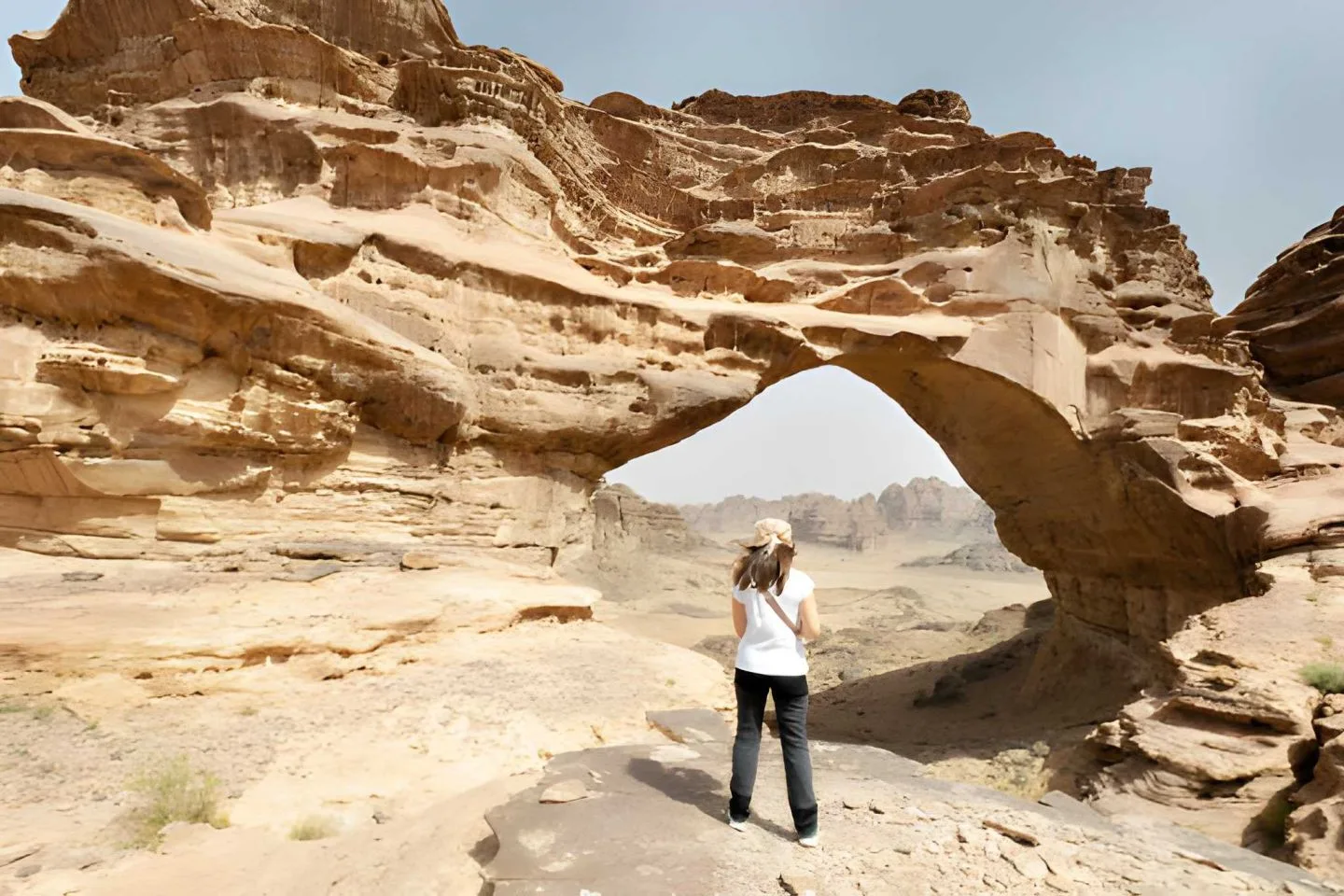
What to Wear in Saudi Arabia: A Complete Guide to Dress Code, Culture, and Comfort
Understanding what to wear in Saudi Arabia is essential for travelers who want to respect the local culture while staying comfortable in the desert climate. As the Kingdom continues to open its doors to tourism, visitors are discovering a fascinating blend of modernity and tradition. Yet, the dress code remains a vital part of Saudi culture, reflecting centuries of heritage rooted in modesty and faith. Knowing how to dress properly will not only help you blend in but also ensure your journey is smooth, respectful, and enjoyable. Whether you're exploring Riyadh Day Tours, wandering through the historical streets of Al-Balad in Jeddah, or marveling at the rock formations of Elephant Rock in AlUla, dressing appropriately shows cultural awareness and personal confidence.
Saudi Arabia’s dress code is not about strict uniformity but about elegance through modesty. The choices you make in clothing can influence how locals perceive you, open doors to richer cultural exchanges, and make your experience more authentic. This comprehensive guide will help you navigate the nuances of Saudi attire—from what men and women should wear to region-specific tips for urban centers and desert adventures. Let’s dive into how to dress right when discovering the wonders of this extraordinary kingdom.
Saudi Dress Code Etiquette: Understanding Cultural Expectations
Saudi Arabia’s dress code is deeply influenced by Islamic principles and local customs. Both men and women are expected to dress conservatively, covering shoulders, knees, and avoiding tight or revealing clothing. While the laws have relaxed in recent years, the expectation of modesty still prevails, especially in rural areas and holy cities like Makkah and Medina. Travelers participating in Makkah Day Tours or Medina Excursions should adhere strictly to conservative attire, as these are sacred sites with heightened cultural sensitivity.
Public behavior and appearance matter. Women are no longer legally required to wear the abaya, a long black cloak, but many still choose to do so as a sign of respect. Men should avoid sleeveless shirts or shorts in public areas. Dressing modestly is not only about following rules—it’s about being culturally considerate, which locals appreciate immensely.
What Women Should Wear in Saudi Arabia
Women visiting Saudi Arabia should prioritize lightweight, loose-fitting clothing that covers the shoulders, chest, and knees. Long dresses, tunics paired with trousers, or maxi skirts are perfect choices. Neutral or earth-tone colors are often preferred, though in cosmopolitan cities like Jeddah or Riyadh, you’ll find fashionable interpretations blending tradition and modern style. While a headscarf isn’t mandatory for foreigners, carrying one is a smart idea for visiting mosques or conservative areas such as Quba Mosque or historical districts like Diriyah.
Abayas, though optional, remain a popular choice among female travelers because they instantly convey respect and simplify outfit decisions. You can find beautifully modern designs in local boutiques that merge comfort with elegance. Light fabrics like linen or cotton are ideal to combat the desert heat while staying modest and stylish.
Recommended Accessories for Women
Accessories should be practical and subtle. A scarf or shawl is useful not only for modesty but also for protection against the sun and wind. Comfortable flat shoes or sandals are essential for walking in markets such as Dirah Souq or exploring heritage sites. Avoid flashy jewelry and heavy makeup when visiting conservative areas, as subtlety aligns better with local norms.
What Men Should Wear in Saudi Arabia
Men have a simpler dress code. Lightweight, long trousers paired with polo shirts, button-downs, or long-sleeved shirts work perfectly for most environments. Shorts are best reserved for resort zones or private settings. In public, modesty is key—tank tops or tight shirts are discouraged. Local men traditionally wear a thobe, a long white robe, often paired with a ghutra or shemagh (headscarf). While foreigners aren’t expected to adopt this look, understanding its cultural significance demonstrates appreciation for Saudi heritage.
For formal dinners or business settings, long-sleeved shirts and smart trousers are appropriate. In cooler months or in elevated regions like Abha, lightweight sweaters or jackets come in handy. When exploring attractions like Madain Saleh (Hegra), breathable fabrics and a wide-brimmed hat are advisable for comfort under the blazing sun.
Footwear and Practical Tips for Men
Opt for breathable shoes with ankle support, especially when joining desert adventures or hiking tours. Sandals are acceptable in casual or coastal environments such as Jeddah Corniche. Always remove footwear when entering mosques or private homes—a sign of respect ingrained in Saudi hospitality.
Regional Variations in Dress Across Saudi Arabia
The Kingdom’s vast size means climate and culture vary by region. In Riyadh and central Saudi Arabia, attire leans traditional and conservative, especially in government zones or historic sites like Masmak Fort. In coastal Jeddah, fashion is more relaxed, and international trends subtly blend with traditional elegance. Northern regions such as AlUla favor practical desert clothing, ideal for travelers joining AlUla Day Tours under the scorching sun. Southern areas like Aseer, with their cooler climate, invite layering and even light jackets, especially around mountain attractions like Jabal Al Soudah.
City Dress Code Insights
In Riyadh, conservative dressing is expected in malls and public spaces, while Jeddah’s cosmopolitan vibe allows a bit more flexibility. AlUla’s desert setting calls for practical, sun-protective attire. Holy cities require the strictest adherence to modest dress, especially during religious events such as Ramadan or Hajj. Understanding these regional nuances helps travelers adapt comfortably without unintentionally offending local customs.
Seasonal Dressing Tips for Saudi Arabia
The Saudi climate can swing from extreme heat to surprisingly cool evenings in the desert. During summer, choose moisture-wicking fabrics and light colors to reflect the heat. Cotton, linen, and bamboo blends are top picks. In winter, temperatures in northern and high-altitude areas can drop significantly, making sweaters, scarves, and jackets essential. If you're joining a desert safari or stargazing near Wadi Disah, layer your outfit to adjust easily to the shifting temperatures from day to night.
Special Occasions and Religious Sites
When visiting mosques or religious landmarks, dress conservatively regardless of the region. Women should wear an abaya and consider covering their hair with a scarf. Men should wear long trousers and avoid bright or casual prints. Respect for sacred spaces goes beyond attire—it’s an expression of cultural empathy and spiritual awareness. If invited to a traditional Saudi gathering or festival, locals appreciate visitors who choose modest yet refined clothing that aligns with their cultural spirit.
Modern Fashion Trends in Saudi Arabia
Saudi fashion has evolved remarkably, blending tradition with luxury. Local designers are redefining the abaya, turning it into a symbol of empowerment and style. Men’s thobes now come in tailored cuts and contemporary fabrics, while women experiment with colors, embroidery, and modern silhouettes. Urban centers like Riyadh host fashion events showcasing this creative fusion, reflecting Saudi Arabia’s modern identity. Travelers who respect these trends with understated elegance will find that blending in doesn’t mean losing personal style—it means adapting gracefully.
FAQs About What to Wear in Saudi Arabia
What should female tourists wear in Saudi Arabia?
Female tourists should opt for modest, loose-fitting clothing covering shoulders, arms, and knees. An abaya isn’t mandatory but recommended for added comfort and cultural respect. Carry a scarf for mosques or conservative zones.
Can men wear shorts in Saudi Arabia?
Men can wear shorts in private settings or resorts but should avoid them in public spaces, especially malls, restaurants, and religious sites. Long, lightweight trousers are the safest choice.
Do I need to wear a headscarf in Saudi Arabia?
Foreign women are not required by law to cover their hair, but carrying a scarf is advisable when visiting religious sites or traditional areas to show respect for local customs.
Are there different dress expectations for cities like Riyadh and Jeddah?
Yes. Riyadh maintains a more conservative atmosphere, while Jeddah is relatively relaxed due to its coastal and cosmopolitan influence. Still, modesty remains key in both settings.
What fabrics are best for Saudi Arabia’s climate?
Lightweight, breathable materials like cotton, linen, and bamboo blends are ideal for hot weather. In winter or mountain areas, layering with light wool or fleece keeps you comfortable.
Final Thoughts
Knowing what to wear in Saudi Arabia isn’t just about following rules—it’s about embracing the culture and showing respect for local traditions while traveling comfortably. The golden rule is modesty paired with practicality. Whether exploring Saudi Arabia Travel Packages or embarking on a Saudi Arabia Day Tour, understanding how to dress appropriately enhances your experience and deepens your connection with the Kingdom’s warm hospitality and heritage.